
The 60-Second B2B Supply Chain: Is One-Minute Delivery the Next Frontier?
Exploring the ultra-rapid future of business-to-business logistics and its groundbreaking potential.
The concept of delivering goods to businesses within a mere 60 seconds represents the zenith of rapid logistics. While not yet a widespread reality as of May 2025, this futuristic model builds upon current advancements in quick commerce, same-day B2B delivery, and sophisticated automation. It envisions a scenario where critical supplies, components, or products can reach a business almost instantaneously, revolutionizing operational efficiency and supply chain resilience. This exploration delves into the framework, potential, and challenges of such an ambitious delivery paradigm.
Key Highlights of 1-Minute B2B Delivery
Essential Insights into Ultra-Rapid Logistics
- Unprecedented Speed: The core idea is to shrink B2B delivery times from hours or days to literally one minute, focusing on high-urgency, low-volume items.
- Technology-Driven Infrastructure: Success hinges on a synergistic network of micro-fulfillment centers, AI-powered logistics, autonomous delivery vehicles (like drones and robots), and real-time inventory management.
- Transformative B2B Impact: Potential benefits include drastically reduced operational downtime, hyper-agile supply chains, and a significant competitive advantage for businesses that can leverage or offer such services.
Deconstructing the 1-Minute B2B Delivery Concept
Understanding the Mechanics of Near-Instantaneous Supply
The "1-Minute Delivery" model for Business-to-Business (B2B) transactions is an extension of the rapid delivery trends seen in B2C, such as 10-minute grocery or food delivery, but adapted for the unique needs and complexities of commercial supply chains. It's conceptualized as a premium, hyper-local service designed to meet critical, time-sensitive demands that could otherwise lead to significant operational disruptions or financial losses for a business.
Core Principles Driving the Concept
Several fundamental drivers underpin the theoretical framework of 1-minute B2B delivery:
- Extreme Urgency: Catering to situations where immediate access to a part, material, or product is paramount. This could be a critical component for a manufacturing line, an emergency medical supply for a healthcare facility, or a vital ingredient for a commercial kitchen.
- Minimizing Downtime: The primary economic driver is the reduction or elimination of costly operational halts. If a machine part can be delivered in one minute, a factory line can resume production almost immediately.
- Enhanced Agility and Lean Operations: Businesses could operate with even leaner inventories, relying on just-in-time (or nearly "just-in-second") replenishment, freeing up capital and warehouse space.
- Competitive Differentiation: Offering or utilizing such a service could provide a substantial competitive edge, ensuring business continuity and responsiveness that competitors cannot match.
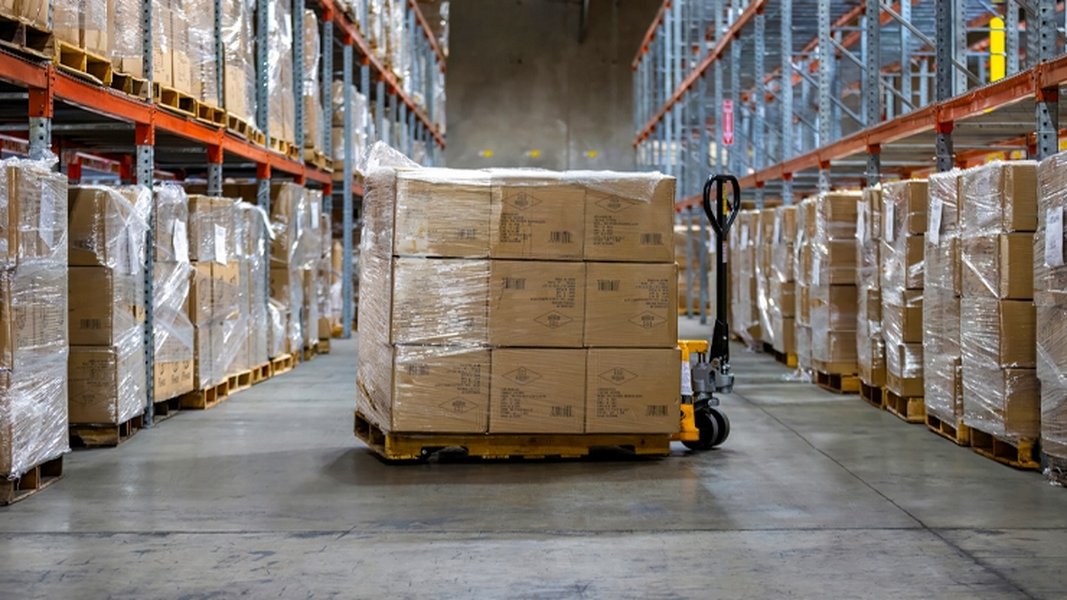
B2B goods stored in a warehouse, awaiting rapid dispatch.
Essential Components for Realization
Achieving 1-minute B2B delivery necessitates a convergence of advanced technologies and highly optimized infrastructure.
Infrastructure Requirements
- Hyper-Local Micro-Fulfillment Centers (MFCs): Strategically positioned, small-scale warehouses or "dark stores" located extremely close to business clusters or even within large industrial parks or commercial buildings. These MFCs would stock a curated inventory of high-demand, critical items.
- Automated Warehousing: Extensive use of robotics for instant picking, packing, and dispatching of orders within seconds of placement.
- Geographical Density: A high concentration of these MFCs in urban and industrial areas to ensure that target businesses are within a one-minute travel radius for delivery mechanisms.
Technological Backbone
- Real-Time Inventory Management: AI-powered systems providing instantaneous visibility into stock levels across all MFCs, enabling predictive stocking and dynamic allocation.
- Advanced AI Routing Algorithms: Capable of calculating and communicating optimal delivery paths in real-time, factoring in micro-traffic conditions, weather, and access points.
- Instantaneous Ordering Platforms: Seamless integration with B2B procurement systems, ERPs, or dedicated mobile apps allowing for one-click or automated ordering.
- Internet of Things (IoT) Integration: Smart lockers or designated delivery points at business locations that can securely receive goods instantly, potentially with automated verification. Sensors can track goods throughout the brief journey.
Delivery Mechanisms
- Autonomous Drones: For aerial delivery over short, unobstructed distances, especially in dense urban areas or large campuses. This would require favorable regulatory environments.
- Autonomous Ground Vehicles (AGVs) & Robots: Small, agile robots for ground-based delivery within facilities or on private pathways.
- High-Speed Electric Scooters/Bikes: Piloted by riders for navigating complex urban environments quickly, similar to current Q-commerce models but optimized for extreme speed over very short distances.
- Pneumatic Tube Systems (Speculative): For fixed-point, high-frequency deliveries within a very localized network (e.g., between buildings in a campus or an industrial estate).
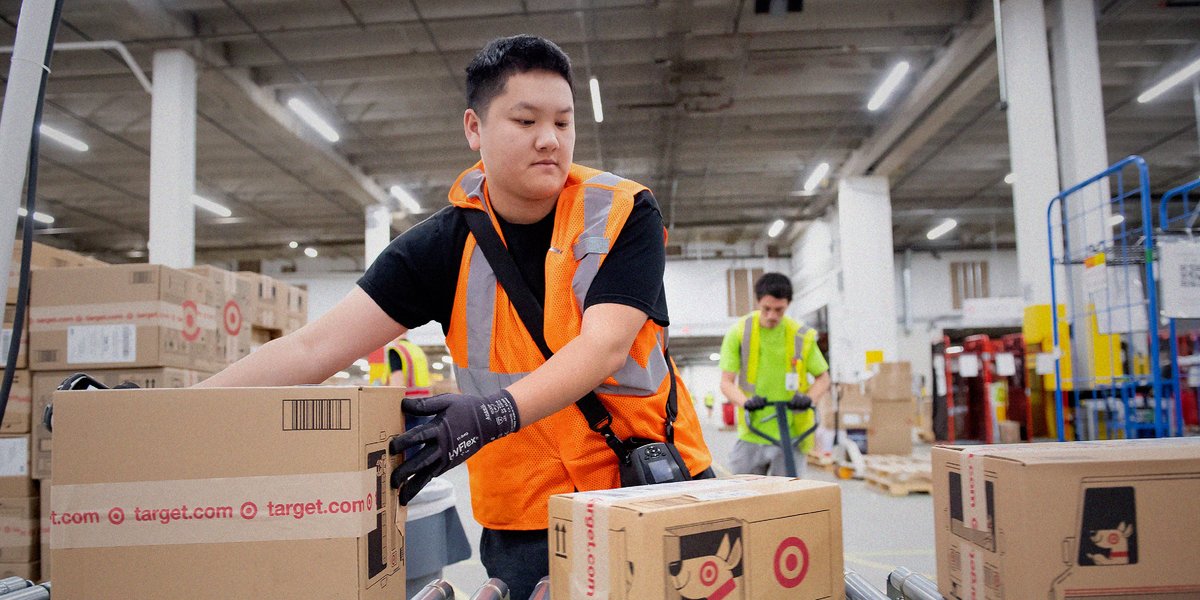
Advanced sortation centers are precursors to the highly automated hubs needed for 1-minute delivery.
Operationalizing 1-Minute B2B Delivery
Business Models and Potential Applications
Plausible Business Models
- On-Demand, Premium Service: Businesses pay a significant premium for guaranteed 1-minute delivery of specific items when critical needs arise.
- Subscription-Based Access: Businesses subscribe to a service that offers a certain number of 1-minute deliveries per month or access to a specific catalog of items available for this service level.
- Integrated Supply Chain Solution: Offered by logistics providers as part of a broader B2B supply chain management package, targeting industries with high costs associated with downtime.
Key B2B Use Cases
The applicability of 1-minute delivery would be most pronounced in sectors where time is exceptionally critical:
- Healthcare: Emergency delivery of life-saving drugs, medical devices, or blood products within a hospital complex or to nearby clinics.
- Manufacturing: Immediate replenishment of a critical small part (e.g., a specialized screw, sensor, or fuse) to prevent assembly line stoppage.
- Data Centers: Rapid delivery of replacement components like SSDs or RAM modules to minimize server downtime.
- Food Service (B2B): A restaurant needing an urgent, small-quantity ingredient from a central B2B supplier to fulfill a large order.
- Specialized Retail Support: A high-value electronics repair shop needing a specific component immediately to complete an urgent customer repair.
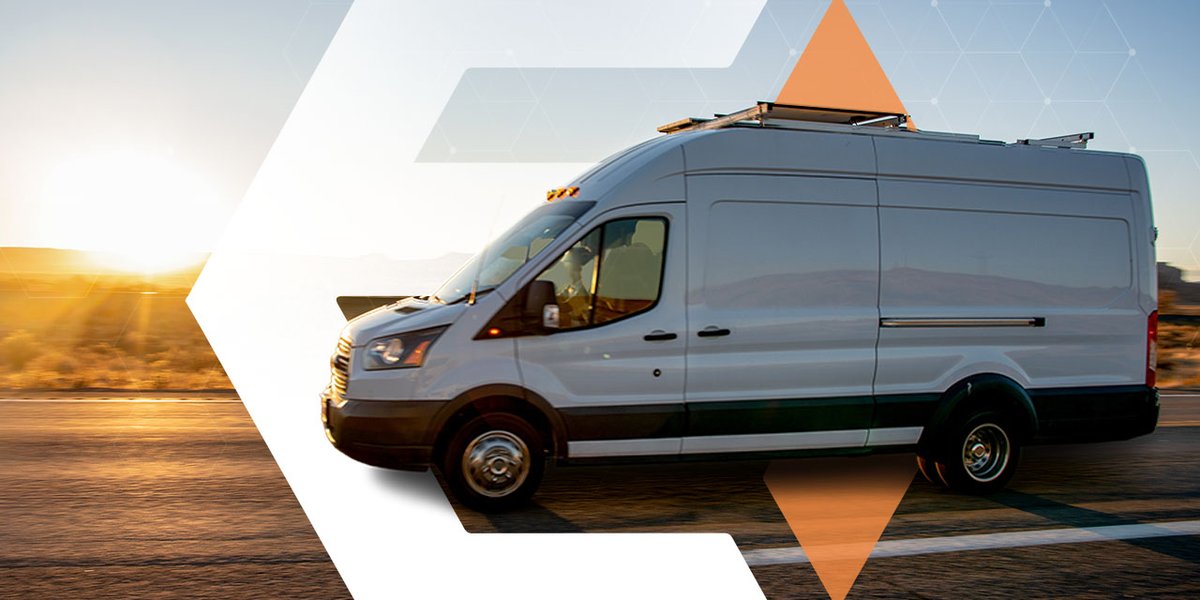
Diverse fleet vehicles, adaptable for different stages of rapid B2B delivery.
Visualizing the 1-Minute B2B Delivery Ecosystem
A Mindmap Overview
The following mindmap illustrates the interconnected components, challenges, and implications of a conceptual 1-minute B2B delivery system. It highlights the multifaceted nature of such an advanced logistical endeavor.
Comparative Analysis of Rapid Delivery Models
Understanding the Landscape of Speed
The conceptual 1-Minute B2B delivery model exists at the extreme end of the rapid delivery spectrum. The table below compares it with other existing delivery models to highlight its unique characteristics and challenges.
| Feature | Standard B2B Delivery | Same-Day B2B Delivery | ~10-30 Min B2C Delivery (Q-Commerce) | Conceptual 1-Min B2B Delivery |
|---|---|---|---|---|
| Target User | Businesses | Businesses | Consumers | Businesses (Hyper-Urgent Needs) |
| Typical Speed | 1-5+ Business Days | Within 2-12 Hours | 10-30 Minutes | ~60 Seconds |
| Common Goods | Bulk orders, raw materials, finished products, equipment | Urgent documents, smaller parts, critical supplies | Groceries, convenience items, prepared food | Micro-parts, critical single items, emergency supplies |
| Key Enablers | Established logistics networks, trucking, freight | Local courier networks, optimized routing, dedicated fleets | Dark stores, gig economy riders, dense urban networks, mobile apps | Hyper-local MFCs, advanced AI, robotics, autonomous drones/AGVs, IoT |
| Primary Challenge | Cost optimization over speed, managing complex logistics | Balancing speed with cost, traffic, wider area coverage | Profitability, rider management, inventory accuracy, intense competition | Extreme cost, technological feasibility, regulatory hurdles, very limited range, ensuring reliability |
| Cost Profile | Moderate | High | Moderate to High (often subsidized) | Extremely High (Premium) |
Feasibility Factors for 1-Minute B2B Delivery
Assessing Key Dimensions for Success
The viability of a 1-minute B2B delivery system depends on the maturity and alignment of several critical factors. The radar chart below provides a conceptual assessment of these factors, comparing their current perceived state versus a projected state in 5-10 years, assuming significant technological and infrastructural development. Scores are on a scale of 1 (Very Low) to 10 (Very High).
This chart visualizes the significant advancements required across technology, infrastructure, economics, and regulation for 1-minute B2B delivery to move from a speculative concept to a practical service. While current feasibility scores are low, reflecting its nascent stage, the projected scores indicate a potential pathway, driven by ongoing innovation in logistics and automation.
The Future of Flexible B2B Operations
On-Time Delivery and Autonomous Factories
The push towards extremely rapid delivery aligns with broader trends in manufacturing and logistics, such as the development of flexible, autonomous factories. The ability to receive critical components "just-in-second" complements the vision of highly responsive and adaptable production environments. The video below discusses the future of flexible production and how on-time delivery plays a crucial role in this evolving landscape.
This video explores how automated systems and precise delivery schedules are shaping the future of manufacturing and supply chains.
In such futuristic factories, customer inquiries could be automatically processed, with systems instantly calculating costs and precise delivery dates, or even minutes. A 1-minute B2B delivery capability for certain inputs would be an invaluable component of such a highly efficient, autonomous ecosystem, ensuring that production schedules are met with unparalleled precision and minimizing any potential delays due to material shortages.
Frequently Asked Questions (FAQ)
Is 1-minute B2B delivery actually possible today?
As of May 2025, a true city-wide or widely available 1-minute B2B delivery service is largely conceptual and not operational. While some elements like drone delivery for specific short routes or highly automated intra-facility logistics exist, a comprehensive 1-minute system faces significant technological, infrastructural, regulatory, and cost challenges. It's more of a futuristic extension of current rapid delivery trends (e.g., 10-30 minute Q-commerce or same-day B2B).
What are the biggest hurdles to implementing 1-minute B2B delivery?
The main hurdles include:
- Cost: The investment in hyper-local automated micro-fulfillment centers, advanced AI, and a fleet of autonomous delivery vehicles would be exceptionally high.
- Infrastructure: Requiring a dense network of facilities and potentially dedicated transit pathways (e.g., for drones or ground robots).
- Technology: Ensuring flawless, split-second coordination between ordering, picking, packing, and delivery systems.
- Regulation: Navigating rules for autonomous vehicles, drone airspace, and ensuring public safety.
- Scalability: Offering such a service beyond very niche, geographically concentrated areas would be immensely complex.
- Reliability: A 1-minute promise leaves absolutely no room for error or delay.
Which industries would benefit most from 1-minute B2B delivery?
Industries where downtime is extremely costly or where immediate access to critical items is vital would benefit most. This includes:
- Advanced Manufacturing: For crucial spare parts to keep production lines running.
- Healthcare: For emergency medical supplies or time-sensitive diagnostics within large medical campuses.
- Data Centers: For rapid replacement of critical hardware components.
- Specialized Repair Services: For urgent component needs to complete high-value repairs.
How does 1-minute B2B delivery differ from quick commerce (Q-commerce)?
While both prioritize speed, there are key differences:
- Target Audience: Q-commerce primarily targets consumers (B2C) for groceries and convenience items. 1-minute delivery, as conceptualized here, targets businesses (B2B) for critical operational inputs.
- Delivery Timeframe: Q-commerce typically aims for 10-30 minutes. 1-minute delivery is an extreme version, targeting a 60-second window.
- Item Type & Value: Q-commerce deals with relatively low-value, everyday items. 1-minute B2B would likely focus on specific, often higher-value or critically essential industrial/commercial components.
- Logistical Complexity: While Q-commerce is complex, 1-minute B2B would require even more sophisticated automation, precision, and potentially specialized delivery mechanisms due to the extremely tight timeframe and B2B requirements (e.g., secure delivery points, integration with business systems).
Recommended Further Exploration
Delve Deeper into Rapid Logistics
- What are the latest technological advancements enabling hyper-local B2B fulfillment centers?
- Are there any economic feasibility studies on ultra-fast delivery models specifically for B2B sectors?
- What are the primary regulatory challenges facing autonomous drone and robot deliveries in urban B2B logistics?
- How will AI and robotics reshape the future of last-mile B2B delivery services beyond current capabilities?
References
Sources and Further Reading
Last updated May 6, 2025