
The Viral Debate: 100 Men vs. a Silverback Gorilla
Exploring the Strengths, Weaknesses, and Likelihood of a Hypothetical Confrontation
The hypothetical scenario of a fight between 100 adult men and a single silverback gorilla has recently captured widespread attention across the internet, sparking extensive debate and discussion. This thought experiment, while seemingly absurd, offers a fascinating lens through which to examine the physical capabilities of both humans and gorillas, as well as the potential dynamics of such an unlikely confrontation. Experts and commentators have weighed in, presenting various perspectives on who would likely emerge victorious.
Key Insights from the Debate
- Gorillas Possess Immense Strength: A silverback gorilla is significantly stronger than an average human, estimated to be 4 to 9 times more powerful in terms of raw strength.
- Numerical Superiority vs. Individual Power: While the gorilla has overwhelming individual strength, the sheer number of 100 men presents a significant advantage in terms of mass and potential for coordinated action, if such coordination were possible.
- Behavioral Factors are Crucial: In a realistic scenario, a gorilla's natural instinct when faced with a large group of potential threats would likely be to flee rather than engage in a prolonged fight. Human behavior, including the capacity for strategy and psychological factors like fear and panic, would also heavily influence the outcome.
Understanding the Combatants: Gorilla vs. Human
The Power of the Silverback Gorilla
Silverback gorillas, the adult males of the species, are formidable creatures. They can weigh around 400 pounds or more, with dense muscular bodies built for navigating their forest environment. Their physical prowess is a result of evolutionary adaptations, granting them incredible strength in their limbs, jaws, and overall musculature. Experts estimate that a gorilla's bite strength is around 1300 PSI, and they can easily tear down banana trees or bend iron bars.
Compared to humans, gorillas have a larger rib cage and significantly more developed arm muscles. While humans might excel in controlled weightlifting exercises relative to their body size, gorillas possess superior raw strength for activities like pulling, pushing, and grappling. This power allows them to utilize approximately 90% of their theoretical maximum muscle strength, whereas humans typically access around 65%.
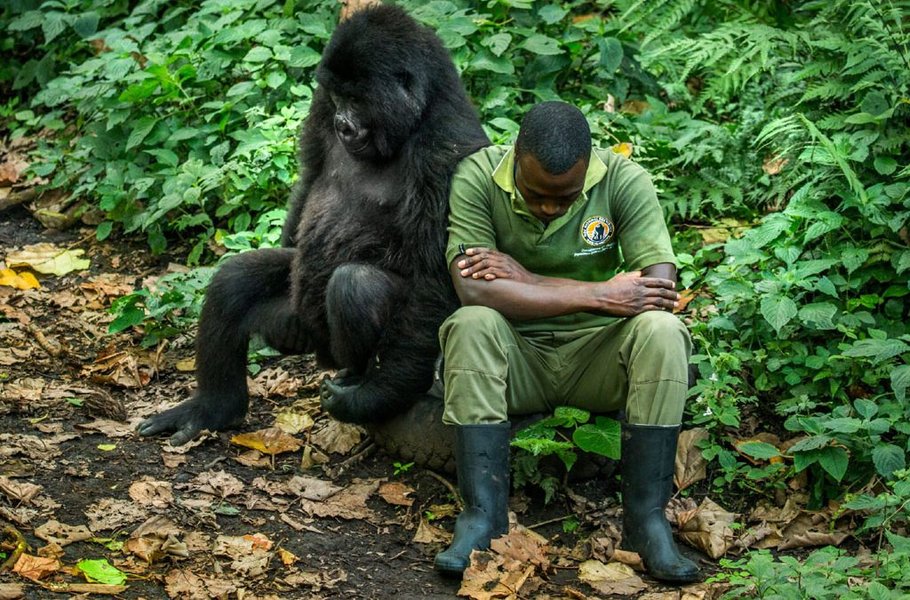
A visual comparison highlighting the physical differences between a gorilla and a human.
Physical Attributes Comparison
To better illustrate the differences in physical capabilities, let's examine some key attributes:
| Attribute | Silverback Gorilla | Average Adult Human Male |
|---|---|---|
| Weight | ~400+ pounds | ~175 pounds |
| Relative Strength | 4-9 times stronger than a human | Baseline |
| Bite Strength | ~1300 PSI | ~160 PSI |
| Muscle Strength Utilization | ~90% | ~65% |
| Canine Teeth Length | Up to 2 inches | Much smaller |
This table clearly shows the significant physical advantages a single gorilla possesses over an individual human.
The Potential of a Hundred Men
While individually outmatched in raw strength, the 100 men bring the advantage of sheer numbers and the potential for coordinated action. In a hypothetical scenario where the men are "committed and go in united," some experts believe they could potentially overcome the gorilla. The combined mass of 100 average American males, for instance, would be around 1 ton, significantly outweighing the gorilla.
The ability to strategize, communicate, and potentially overwhelm the gorilla through sheer volume could be a factor. However, this relies heavily on the assumption of perfect coordination and a willingness among the men to face extreme danger and likely casualties.
The Importance of Strategy and Coordination
The success of the 100 men would hinge on their ability to form and execute a strategy. Ideas floated in the debate include attempting to swarm and suffocate the gorilla or forming a "human straitjacket" to restrain it. However, the effectiveness of such tactics against a powerful and aggressive animal is highly questionable, especially in a chaotic and dangerous situation.
Expert Opinions and Realistic Outcomes
Primatologists and experts who study gorillas have largely leaned towards the gorilla being the victor in a direct confrontation, particularly in a natural environment. They emphasize the gorilla's immense power, speed, and natural defense mechanisms. While gorillas are often described as "gentle giants" and prefer to avoid conflict, they can be incredibly aggressive when threatened or defending their family.
Why Experts Favor the Gorilla in a Direct Fight
Dr. Tara Stoinski, president of the Dian Fossey Gorilla Fund, notes that while gorillas have strong muscles and jaws, these are primarily used for protection. However, she also acknowledges that in a scenario with 100 men, the sheer numbers and potential for coordinated attacks could potentially wear a gorilla down over a prolonged battle. Despite this, the initial impact of a gorilla's strength is a major factor.
Primatologist Cat Hobaiter is even less optimistic about the men's chances, stating that if the men were to attack one by one, they "wouldn't stand a chance." The initial encounters would likely result in severe injuries or fatalities among the men, which would undoubtedly impact morale and coordination.
A YouTube video featuring an expert weighing in on the viral "100 men vs. 1 gorilla" debate, providing a biological perspective on the potential outcome.
This video provides valuable insights from a primate expert, explaining the biological realities of a gorilla's strength and behavior, which strongly influence the likely result of such a hypothetical fight.
The Impact of Environment and Gorilla Behavior
The environment in which the hypothetical fight takes place also plays a role. In a natural forest setting, a gorilla has the advantage of familiarity with the terrain, including the ability to climb trees and potentially launch attacks from above. Furthermore, the gorilla's natural instinct is to avoid confrontation with a large group, meaning it might attempt to flee if given the opportunity. The scenario assumes a fight to the death, which may not align with a gorilla's typical behavior.
Arguments for the Men's Potential Victory
Some argue that with enough dedication and a willingness to sustain casualties, the 100 men could overwhelm the gorilla. The concept of "dog piling" on the animal to suffocate it has been mentioned. The sheer weight and numbers could, in theory, incapacitate the gorilla, even if many men are injured in the process.
However, the practicality of such a maneuver against a powerful and actively resisting animal is highly questionable. The gorilla's strength and ability to move would make it extremely difficult to restrain effectively, and those attempting the maneuver would be at high risk.
Psychological Factors and Morale
Beyond physical capabilities and strategy, psychological factors are critical. The sight of the first few men being severely injured or killed would likely cause panic and break the resolve of the remaining individuals. Maintaining a united front and coordinated attack under such extreme duress is highly improbable for an untrained group of 100 average men.
The Viral Phenomenon and Underlying Themes
The "100 men vs. 1 gorilla" debate has gained traction on social media platforms like X (formerly Twitter) and TikTok, fueled by humorous memes, mock simulations, and commentary from celebrities and influencers. This widespread engagement highlights the compelling nature of "who would win" scenarios and our fascination with comparing human abilities to those of powerful animals.
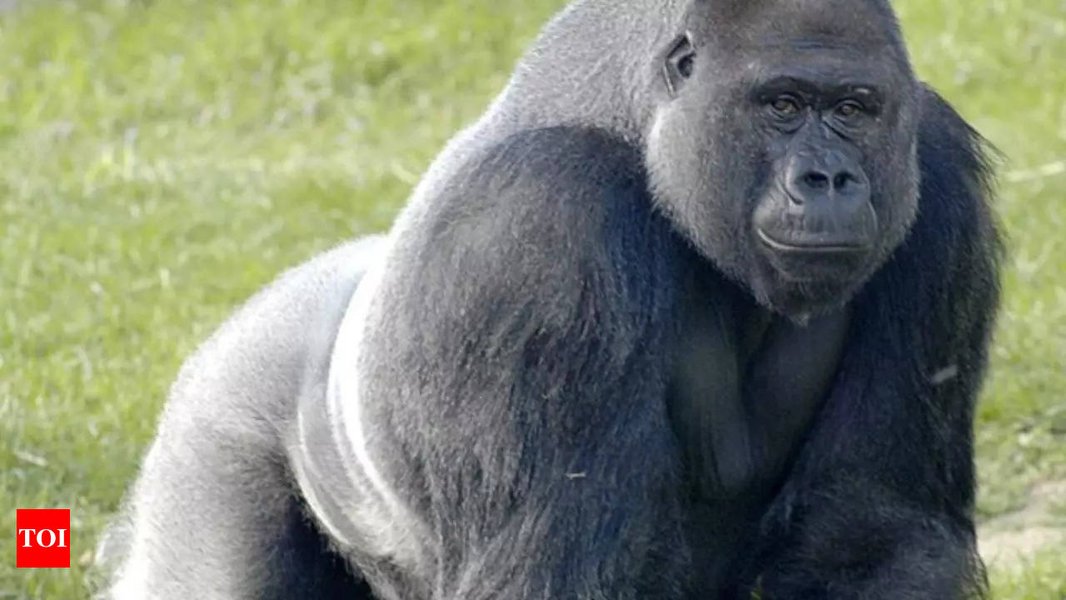
A male gorilla engaging in chest-beating, a display of dominance and strength.
Some commentators have also pointed out that the debate touches on themes of masculinity and human perceived dominance over nature. The question can be seen as a reflection of an absurd overconfidence in human physical capabilities when pitted against the raw power of a wild animal.
Beyond the Hypothetical: Conservation Concerns
While the debate is largely a thought experiment, it's important to remember the real-world context of gorillas. Gorillas are endangered species facing significant threats from habitat loss, poaching, and disease. Experts like Tara Stoinski emphasize that instead of debating hypothetical fights, the focus should be on conservation efforts to protect these magnificent creatures.
Frequently Asked Questions
Is this a realistic scenario?
No, the scenario of 100 men fighting a gorilla is highly unrealistic and unethical. Gorillas in the wild typically avoid confrontation with large groups of humans, and engaging in such a fight would be extremely dangerous and harmful to both the men and the gorilla.
How much stronger is a gorilla than a human?
Estimates vary, but a silverback gorilla is generally considered to be between 4 and 9 times stronger than an average adult human male in terms of raw physical power.
Would weapons change the outcome?
The hypothetical scenario typically specifies unarmed men. Introducing weapons would significantly alter the dynamics and likely increase the men's chances of victory, depending on the type and effectiveness of the weapons used. However, even with weapons, a gorilla is a dangerous and powerful animal.
Why has this debate gone viral?
The debate's viral nature can be attributed to its absurd yet compelling premise, sparking imagination and a desire to compare human and animal capabilities. It also lends itself well to humorous content and online discussion.
What should we focus on regarding gorillas instead of this debate?
Experts advocate for focusing on gorilla conservation efforts, protecting their habitats, and addressing the threats they face in the wild.
References
Last updated May 4, 2025