
Understanding 18-Month Toddler Development Through the Bioecological Lens
A comprehensive look at biological milestones and environmental influences
Key Highlights
- Eighteen-month-olds are achieving significant biological milestones including walking, running, and developing fine motor skills.
- Bronfenbrenner's Bioecological Theory provides a framework for understanding how a child's environment interacts with their biology to shape development.
- Multiple layers of the environment, from immediate family to broader cultural contexts, influence a toddler's growth.
At 18 months of age, toddlers are in a period of rapid growth and development, marked by significant biological advancements that pave the way for increased independence and exploration. To fully appreciate the complexity of this developmental stage, it is beneficial to examine it through the framework of Urie Bronfenbrenner's Bioecological Theory. This theory emphasizes that child development is a dynamic process influenced by the intricate interplay between a child's biological makeup and the various environmental systems they inhabit.
Bronfenbrenner's theory, initially presented as the Ecological Systems Theory and later refined into the Bioecological Model, highlights that a child does not develop in isolation. Instead, their growth is shaped by a series of nested environmental structures, ranging from the most immediate surroundings to broader societal forces. Understanding these layers is crucial for comprehending the multifaceted nature of toddler development.
Biological Milestones at 18 Months
The period around 18 months is characterized by notable progress in a toddler's physical and biological capabilities. These milestones are fundamental and serve as the building blocks for more complex skills later in childhood.
Gross Motor Development
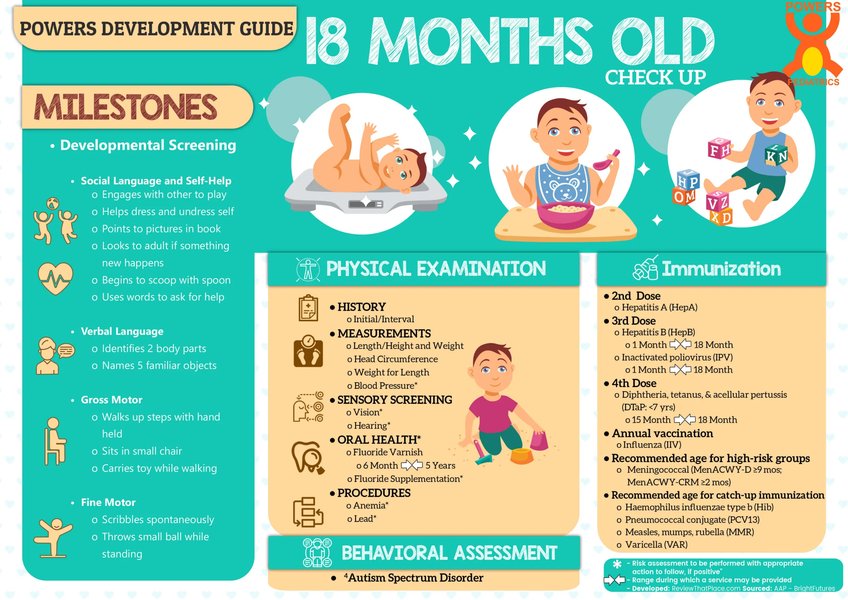
By 18 months, most toddlers have transitioned from crawling or cruising to walking independently. This newfound mobility allows them to explore their environment more freely, which in turn supports cognitive and social development. Many 18-month-olds are not only walking but also beginning to run, albeit with an unsteady gait. They may also attempt to kick a ball or climb on low furniture. The development of these gross motor skills is a significant biological achievement, requiring coordination, balance, and muscle strength.
As toddlers become more proficient in walking and running, they develop a better understanding of spatial relationships and their own bodies in space. This physical exploration is a key driver of development at this age.
Fine Motor Development
In addition to gross motor skills, 18-month-olds are refining their fine motor control. This includes developing the ability to use their hands and fingers with greater precision. Common fine motor milestones at this age include stacking a few blocks, turning pages in a book, and attempting to use utensils for eating. They may also enjoy scribbling with crayons or markers.
These fine motor advancements are linked to the maturation of the nervous system and the development of smaller muscles in the hands and wrists. The ability to manipulate objects allows for more complex play and interaction with the environment.
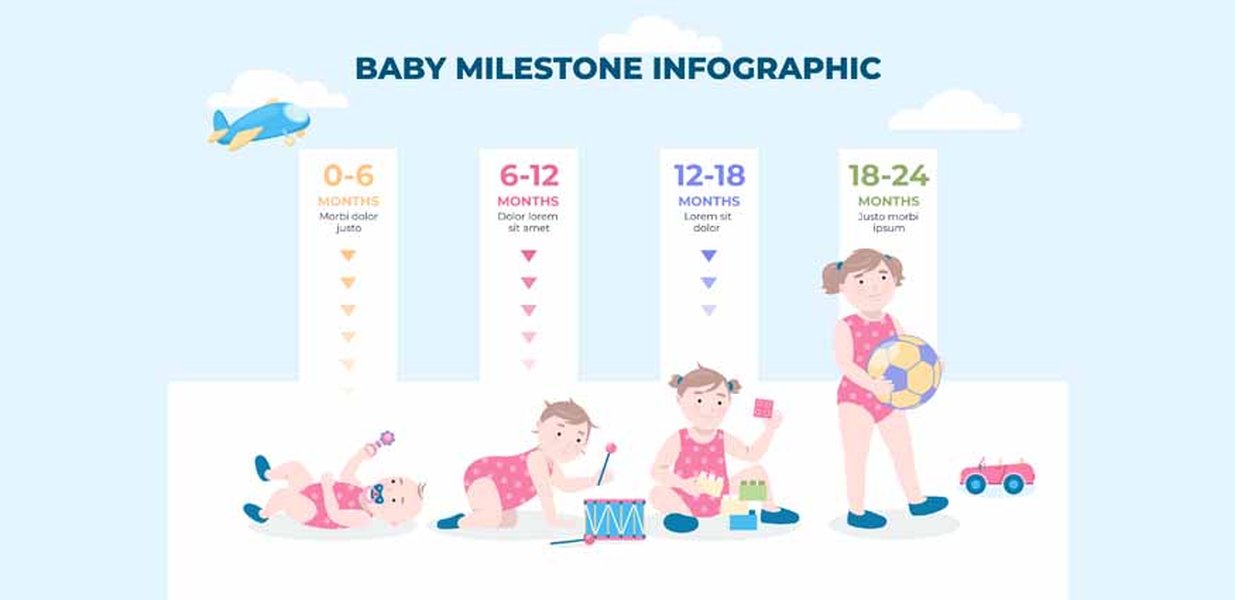
Chart illustrating typical milestones for an 18-month-old.
Language Development
While not strictly a biological milestone in the same vein as motor skills, language development at 18 months is heavily influenced by the biological maturation of the brain, particularly in areas associated with language processing. Most 18-month-olds can say several single words and are beginning to understand simple instructions. They may also use gestures to communicate their wants and needs.
The rapid increase in vocabulary and the emergence of two-word phrases are indicative of significant cognitive and neurological development occurring during this period. The ability to communicate verbally opens up new avenues for social interaction and learning.
Cognitive Development
Cognitive development at 18 months is intertwined with biological maturation. Toddlers at this age are developing a better understanding of cause and effect and are becoming more adept at problem-solving. They may engage in imaginative play and show increasing curiosity about how things work. The ability to remember and imitate actions they have seen is also developing.
This cognitive growth is supported by the ongoing development of the brain, including the formation of new neural connections. Play and exploration are essential for stimulating cognitive development at this age.
An 18-month-old engaging in play that supports fine motor and cognitive development.
Bronfenbrenner's Bioecological Theory: Layers of Influence
Bronfenbrenner's Bioecological Theory provides a powerful framework for understanding how the environment interacts with a child's biological predispositions to shape their development. The theory outlines several interconnected systems that influence a child's life.
The Microsystem
The microsystem is the innermost layer of the bioecological model and consists of the child's immediate surroundings and direct interactions. For an 18-month-old, this primarily includes the family, caregivers, and potentially a daycare or early childhood education setting. The quality of relationships within the microsystem is paramount. Nurturing and responsive interactions with parents and caregivers are crucial for a toddler's emotional, social, and cognitive development.
Within the microsystem, proximal processes, defined as the enduring forms of interaction in the immediate environment, are the primary engines of development. These can include activities like playing together, reading books, and engaging in conversations. The richness and consistency of these interactions directly impact a child's development.

Positive interactions within the microsystem are vital for child development.
The Mesosystem
The mesosystem represents the connections and interactions between different elements within the microsystem. For an 18-month-old, this could include the relationship between parents and caregivers, the interaction between family and a daycare provider, or the connection between different family members. The quality and nature of these links can significantly impact a child's development.
For example, open communication and a positive relationship between parents and a daycare teacher can provide a consistent and supportive environment for the child, reinforcing positive behaviors and learning experiences across different settings.
The Exosystem
The exosystem includes external contexts that indirectly influence the child's development. The child is not a direct participant in the exosystem, but decisions and events within this layer can affect the child's immediate environment. Examples include a parent's workplace policies (e.g., flexible hours, paid leave), the local school board's decisions, or the community's access to resources like parks and healthcare.
For an 18-month-old, parental stress due to work demands or lack of access to affordable and quality childcare can indirectly impact the parent-child interaction and, subsequently, the child's development.
The Macrosystem
The macrosystem is the outermost layer and encompasses the broader cultural values, laws, customs, and socioeconomic conditions that influence all the other systems. This includes societal attitudes towards parenting, cultural beliefs about child-rearing, and government policies related to families and children.
The macrosystem shapes the opportunities and resources available to families and can profoundly impact a child's development. For instance, policies around parental leave, early childhood education funding, and social safety nets all operate within the macrosystem and can affect the environment in which a toddler is raised.

The macrosystem represents the broader societal and cultural context influencing development.
The Chronosystem
The chronosystem is the dimension of time and includes the patterns of environmental events and transitions over the child's life. This can involve significant life changes, such as the birth of a sibling, parental divorce, or relocation, as well as historical events and societal shifts. The chronosystem highlights that development is not static but is an ongoing process influenced by changes over time.
For an 18-month-old, the chronosystem acknowledges that their development is a result of cumulative experiences and transitions. Changes in family structure, the introduction of new caregivers, or societal changes can all influence their developmental trajectory.
Integrating Biology and Environment
Bronfenbrenner's Bioecological Theory is particularly valuable for understanding 18-month development because it emphasizes the dynamic interaction between biology and environment. A child's biological potential provides the foundation for development, but the extent to which this potential is realized is heavily influenced by the quality and nature of their environmental experiences.
For example, a toddler's biological capacity for walking requires opportunities to practice and explore in a safe environment. Similarly, language development, while biologically rooted, flourishes through rich verbal interactions with caregivers. The environment provides the stimulation and support necessary for biological maturation to translate into observable skills and abilities.
Conversely, a child's biological characteristics can also influence their environment. A toddler with a naturally cheerful temperament might elicit more positive responses from caregivers, shaping the nature of their interactions within the microsystem.
The Person-Process-Context-Time (PPCT) Model
Bronfenbrenner's later work, including the Bioecological Model, introduced the Person-Process-Context-Time (PPCT) model. This model highlights four key components:
- Person: Refers to the individual characteristics of the child, including their genetic predispositions, temperament, and developmental stage.
- Process: Encompasses the proximal processes, the reciprocal interactions between the child and their environment.
- Context: Represents the various environmental systems (microsystem, mesosystem, exosystem, macrosystem) in which the child is embedded.
- Time: Refers to the chronosystem, acknowledging the influence of developmental and historical time.
Applying the PPCT model to 18-month development involves considering the unique biological and psychological characteristics of the toddler (Person), the quality of their interactions with caregivers and the environment (Process), the various layers of their environment (Context), and how these factors change over time (Time).
Implications for Understanding 18-Month Development
Using the bioecological framework to understand 18-month development provides several key insights:
-
Development is a holistic process influenced by multiple factors, not solely biological maturation.
-
The quality of a child's immediate relationships and interactions is critically important.
-
Broader societal and cultural factors have an indirect but significant impact on a child's development.
-
Development is a dynamic process that unfolds over time, influenced by transitions and historical events.
For researchers and practitioners, this framework underscores the need to consider the child within their ecological context. Interventions and support programs for toddlers should not only focus on the child's individual needs but also address the quality of their immediate environment and the broader systems that influence their lives.
Visualizing the Bioecological Model
To further illustrate the interconnectedness of the environmental systems in Bronfenbrenner's theory, the following table provides a summary of each layer and its potential influence on an 18-month-old.
| System | Description | Influence on 18-Month-Old |
|---|---|---|
| Microsystem | Immediate environment (family, caregivers, daycare) | Quality of parent-child interaction, access to stimulating toys and activities, consistent caregiving |
| Mesosystem | Interactions between microsystems (e.g., parent-teacher communication) | Consistency in rules and routines between home and daycare, alignment in caregiving approaches |
| Exosystem | External contexts indirectly affecting the child (e.g., parental workplace) | Parental stress from work affecting home environment, availability of parental leave |
| Macrosystem | Broader cultural values, laws, and customs | Societal attitudes towards early childhood education, availability of government support for families |
| Chronosystem | Environmental events and transitions over time | Impact of moving to a new house, introduction of a new sibling, changes in family structure |
Understanding these layers helps to paint a more complete picture of the complex factors that contribute to a toddler's development.
Further Exploration of Bronfenbrenner's Theory
For a deeper understanding of Urie Bronfenbrenner's work and the Bioecological Model, the following video provides a helpful overview:
This video explains the core concepts of the Bioecological Theory and how it applies to understanding child development within various environmental contexts. It can serve as a valuable resource for further study.
Frequently Asked Questions about 18-Month Development and the Bioecological Theory
What are the most important biological milestones at 18 months?
Key biological milestones at 18 months include significant advancements in gross motor skills, such as walking and beginning to run, as well as refinements in fine motor skills like stacking blocks and scribbling. Language development, supported by brain maturation, also sees a rapid increase in vocabulary and the emergence of simple phrases.
How does the microsystem influence an 18-month-old's development?
The microsystem, which includes the child's immediate family and caregivers, has the most direct influence. The quality of interactions, the responsiveness of caregivers, and the provision of a safe and stimulating environment are crucial for all aspects of an 18-month-old's development, including their emotional security, cognitive growth, and language acquisition.
Can the exosystem impact a toddler even though they don't directly interact with it?
Yes, the exosystem can significantly impact a toddler indirectly. For example, a parent's job security or access to affordable healthcare within the exosystem can affect parental stress levels and the resources available to the family, which in turn influences the child's environment and development.
How does the chronosystem relate to 18-month development?
The chronosystem highlights that an 18-month-old's development is shaped by the accumulation of experiences over time. Significant life events or ongoing changes in the family or broader environment can have a lasting impact on their developmental trajectory.
Why is the Bioecological Theory useful for understanding child development?
The Bioecological Theory is useful because it provides a comprehensive framework that acknowledges the complex interplay between a child's biology and the multiple layers of their environment. It moves beyond viewing development in isolation and emphasizes the dynamic and reciprocal nature of these influences.
References
Last updated April 27, 2025