

- Romanticism's Flourish: The early 19th century was dominated by Romanticism, a movement characterized by an intense focus on emotion, individualism, the sublime in nature, and a rejection of Enlightenment-era rationality. Key figures like Wordsworth and Coleridge redefined poetry.
- Victorian Era's Expansive Narratives: The latter half of the century, the Victorian Age, saw the novel rise to prominence, addressing pressing social issues, class structures, industrialization, and moral dilemmas through detailed realism and complex character development.
- Diverse Literary Landscape: Beyond these major movements, the 19th century also witnessed the rise of Gothic literature, adventure novels, and a burgeoning periodical press, all contributing to a rich and varied literary tapestry that reflected profound societal changes.
The 19th century in English literature represents a period of immense transformation and innovation, often referred to as the "Long 19th Century," stretching from the late 18th century to the early 20th century to encompass its full historical and literary scope. This era, marked by profound social, political, economic, and scientific changes—from the French Revolution's reverberations to the Industrial Revolution and the expansion of the British Empire—saw literature evolve dramatically, reflecting the anxieties, aspirations, and realities of its time. It is broadly categorized into two dominant, yet interconnected, movements: Romanticism and the Victorian era, each with distinct characteristics and influential authors that continue to resonate in contemporary culture.
The Dawn of Emotion: Understanding Romanticism (c. 1790 – 1850)
Romanticism emerged as a powerful artistic, literary, and intellectual movement towards the end of the 18th century, primarily in Europe, offering a stark contrast to the preceding Enlightenment's emphasis on reason and order. In English literature, this period, roughly from 1798 to 1837, marked a revolution in how poets and writers perceived their art, its origins, and its profound capabilities. It celebrated emotion, the individual experience, and the awe-inspiring power of nature.
Key Characteristics of Romantic Literature:
- Emphasis on Emotion and Individualism: Romantic writers prioritized intense personal feelings, intuition, and the subjective experience. The individual's inner world became a primary source of artistic inspiration.
- Glorification of Nature: Nature was not merely a backdrop but a profound source of spiritual solace, inspiration, and a reflection of the divine. Romantic poets often explored the sublime and wild aspects of the natural world.
- Imagination and the Supernatural: Imagination was hailed as a supreme faculty, leading to an interest in the mysterious, the exotic, and the supernatural. This often manifested in Gothic literature, which combined elements of romance and horror.
- Rebellion Against Industrialization and Social Norms: Many Romantics expressed skepticism towards the materialistic culture spawned by the Industrial Revolution and challenged the rigid social hierarchies and conventions of their time, often celebrating the "common man."
- Focus on the Past: There was a renewed interest in medievalism, folklore, and ancient poetic forms, often seen as a way to escape the perceived sterility of modern life and connect with a more authentic past.
Prominent Romantic Figures:
The British Romantic movement is famously associated with a group of influential poets. William Wordsworth and Samuel Taylor Coleridge are often considered the pioneers, with their collaborative work Lyrical Ballads (1798) marking a significant departure from earlier poetic styles. Other luminaries include Lord Byron, Percy Bysshe Shelley, and John Keats, each contributing distinct voices to the movement's diverse landscape.
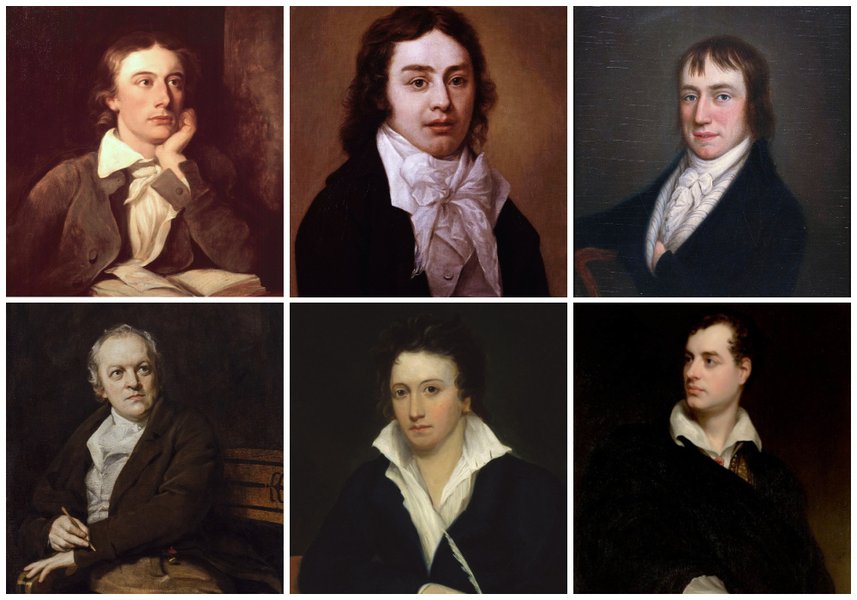
The English Romantic poets, captured in a serene natural environment, often the subject of their reverence.
The influence of Romanticism also extended to American literature, with figures like Washington Irving and James Fenimore Cooper introducing romantic themes into their works, laying the groundwork for a distinctly American literary identity.
The Age of Progress and Paradox: The Victorian Era (1837 – 1901)
Succeeding Romanticism, the Victorian era, spanning Queen Victoria's reign from 1837 to 1901, marked another profound shift in English literature. This period was characterized by unparalleled industrial growth, scientific advancements (like Darwin's theory of evolution), and the expansion of the British Empire, but also by significant social unrest, poverty, and moral debates. Victorian literature, particularly the novel, became a powerful medium for exploring these complex realities.
Defining Characteristics of Victorian Literature:
- Realism and Social Commentary: Victorian authors often presented detailed and realistic depictions of contemporary life, using their narratives to critique social injustices, class disparities, and the impacts of industrialization.
- Emphasis on Morality and Didacticism: Many Victorian works carried a strong moral message, aiming to instruct or improve their readers. Themes of duty, virtue, and consequence were prevalent.
- Character Development: A deep focus on psychological depth and the complex inner lives of characters became a hallmark of Victorian novels. Authors meticulously crafted individuals facing moral dilemmas and societal pressures.
- Rise of the Novel: The novel became the dominant literary genre, reaching wider audiences due to increased literacy rates and the advent of cheaper printing methods and serialization. This allowed for longer, more intricate plots and deeper character exploration.
- Exploration of Gender Roles and Feminism: With the growing awareness of women's rights, some Victorian authors challenged conventional gender roles and explored the struggles of female characters seeking intellectual and personal freedom.
- Gothic Revival and Sensationalism: While Romanticism introduced Gothic elements, the Victorian era saw a resurgence of Gothic themes, often intertwining with psychological horror and social anxieties, as seen in works like Dracula or Strange Case of Dr. Jekyll and Mr. Hyde.
Key Victorian Authors and Their Contributions:
The Victorian literary landscape boasts an impressive array of authors whose works continue to be celebrated globally:
- Charles Dickens: Master of social realism, whose novels like Oliver Twist, Great Expectations, and A Christmas Carol vividly portrayed the harsh realities of Victorian urban life and poverty.
- The Brontë Sisters (Charlotte, Emily, and Anne): Their works, including Jane Eyre, Wuthering Heights, and Agnes Grey, are renowned for their intense emotional depth, exploration of female agency, and gothic undertones.
- George Eliot (Mary Ann Evans): A pioneering female novelist who wrote under a male pseudonym, known for her psychological realism and deep moral insight in novels such as Middlemarch and Adam Bede.
- Alfred Lord Tennyson and Robert Browning: Dominant poetic voices of the era, exploring themes of faith, doubt, love, and national identity through diverse poetic forms.
- Thomas Hardy: A novelist and poet whose works often explored tragic fates and the struggles of individuals against societal forces and indifferent nature.
A video detailing the life and literary impact of George Eliot, a pivotal figure in Victorian literature who challenged societal norms.
This video provides an excellent introduction to George Eliot, whose real name was Mary Ann Evans. Eliot was a revolutionary figure in Victorian literature, not only for her decision to write under a male pseudonym but also for the profound psychological depth and social realism she brought to her novels. Her works tackled complex moral and social questions, offering a nuanced view of humanity that was ahead of her time. Understanding Eliot's contributions helps illuminate the progressive aspects of Victorian literature and its engagement with societal issues.
The Interplay of Periods: Romanticism's Legacy in Victorian Literature
While distinct, the transition from Romanticism to the Victorian era was not abrupt. Victorian literature often built upon Romantic ideals, sometimes in direct response to them. For instance, the Romantic emphasis on nature transformed into a more scientific and observational interest in the Victorian period, influenced by Darwinian thought. The individualism of Romanticism evolved into a focus on character psychology within broader social narratives. Gothic elements persisted, becoming integral to many Victorian novels, albeit often serving to highlight societal anxieties rather than purely supernatural thrills.
Literary Movements and Influences:
The 19th century was a dynamic period where several literary currents converged and diverged. Below is a mindmap illustrating the key movements and their interconnectedness during this fascinating century.
This mindmap illustrates how different literary movements and trends coexisted and influenced each other throughout the 19th century, showcasing the dynamic evolution of English literature during this period.
The Social and Political Context of 19th Century English Literature
The literary developments of the 19th century cannot be fully understood without considering the turbulent social and political backdrop. The French Revolution at the turn of the century ignited ideas of liberty and individualism that fueled the Romantic movement. Later, the Industrial Revolution brought unprecedented economic growth but also created stark social inequalities, overcrowding in cities, and difficult working conditions, which became central themes for Victorian realists.
Impact of Societal Changes:
- Industrialization and Urbanization: The shift from an agrarian to an industrial society led to massive population movements to urban centers. This provided rich material for authors like Dickens, who depicted the squalor and moral challenges of city life.
- Scientific Advancements: New scientific theories, particularly Darwin's, challenged traditional religious beliefs and human's place in the world, leading to profound philosophical inquiries in literature.
- Empire and Colonialism: The expansion of the British Empire brought new cultures and ideas, influencing literary themes and sometimes subtly reinforcing imperialistic viewpoints, while also leading to critiques of colonialism.
- Changing Role of Women: The century saw the emergence of significant female authors and increasingly vocal discussions about women's roles, education, and rights, directly influencing character portrayals and narratives.
Literary Innovation and Dissemination:
The 19th century also revolutionized how literature was produced and consumed. The steam printing press made books cheaper and more accessible, contributing to a significant rise in literacy. The serialization of novels in periodicals meant that stories reached a wider audience and writers could build anticipation over time. This era also saw the professionalization of authorship and the growth of a literary marketplace.
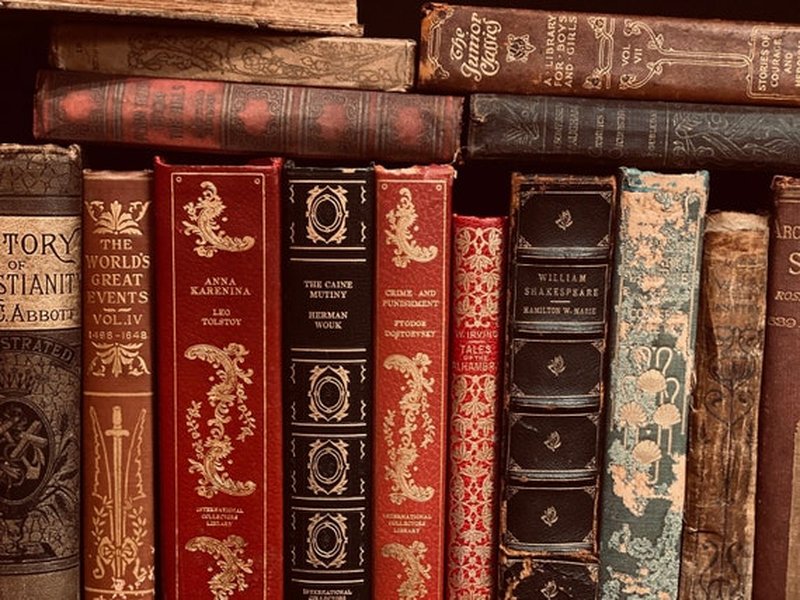
Vintage books, emblematic of the widespread availability and growing readership of literature during the 19th century.
The vibrant publishing industry, including numerous periodicals, played a crucial role in shaping the literary tastes and intellectual discourse of the time.
Comparing and Contrasting the Major Literary Traits
To further understand the evolution of English literature in the 19th century, it's helpful to compare the defining characteristics of its two main periods, Romanticism and the Victorian era, across various literary elements. This comparison highlights both the shifts and continuities that shaped the century's literary output.
| Characteristic | Romanticism (c. 1790-1850) | Victorian Era (1837-1901) |
|---|---|---|
| Dominant Literary Forms | Poetry, Lyric, Gothic Novel | The Novel, Dramatic Monologue, Social Realist Plays |
| Key Themes | Emotion, Individualism, Nature's Sublime, Imagination, Mysticism, Revolutionary ideals | Realism, Social Commentary, Morality, Industrialization, Class struggle, Science vs. Faith, Empire |
| View of Nature | Source of spiritual solace, wild beauty, reflection of self | Object of scientific study, setting for social narratives, sometimes indifferent or hostile force |
| Attitude towards Society | Often rebellious, critical of societal norms, seeking freedom | Critically engaged, seeking reform, depicting the complexities of social structures |
| Stylistic Elements | Subjectivity, lyrical language, elevated diction, symbolic imagery | Objective narration, detailed descriptions, psychological realism, varied language reflecting class |
| Authorial Intent | To express intense personal feeling, inspire, evoke wonder | To depict reality, provoke thought, often with a moral or didactic purpose |
This table encapsulates the core differences and nuances between the two influential literary periods within the 19th century.
The Pervasive Influence of the 19th Century on Modern Literature
The literary movements and authors of the 19th century laid much of the groundwork for modern literature. The narrative techniques, character development, and thematic depth pioneered during this period continue to influence writers today. Many of the social issues explored—such as class inequality, gender roles, and the impact of technological change—remain relevant and are re-examined through contemporary lenses.
Enduring Legacy:
- Foundation of the Modern Novel: The Victorian novel, with its complex plots and psychological realism, set the standard for the genre that continues to evolve.
- Character Archetypes: Iconic characters from Sherlock Holmes to Heathcliff have become archetypes that writers still draw upon.
- Exploration of the Human Condition: The intense introspection of Romanticism and the social critique of Victorianism collectively broadened the scope of literature to profoundly explore the human condition in all its facets.
Frequently Asked Questions
What is the "Long 19th Century" in English literature?
How did the Industrial Revolution influence 19th-century English literature?
Who were some of the most influential female writers of the 19th century?
What is Gothic literature's role in 19th-century English literature?
Conclusion
The 19th century was an exceptionally rich and dynamic period for English literature, marked by a profound evolution from the emotive, nature-centric ideals of Romanticism to the detailed social realism and moral earnestness of the Victorian Age. This era not only produced some of the most enduring literary masterpieces and iconic characters but also witnessed significant innovations in literary form, distribution, and thematic scope. From the lyrical introspection of Wordsworth to the intricate social tapestries woven by Dickens and Eliot, 19th-century English literature stands as a testament to the power of words to reflect, shape, and interrogate the human experience amidst an era of unprecedented change.
Recommended Further Reading
- How did Romanticism influence later literary movements in England?
- What were the major social issues addressed in Victorian novels?
- Explore the rise of the novel as a dominant genre in the 19th century
- Compare and contrast the poetry of the Romantic and Victorian eras