
Navigating a World in Need: Humanitarian Crises and the Global Response in 2025
Understanding the Complex Challenges and Efforts to Alleviate Suffering Worldwide
As 2025 unfolds, the global humanitarian landscape presents a formidable challenge, marked by a confluence of complex crises that demand urgent and coordinated action. Millions of people across the globe are facing dire situations driven by escalating conflicts, economic instability, and the intensifying impacts of climate change. These interconnected factors are creating unprecedented needs, straining humanitarian resources, and requiring a renewed global commitment to alleviate suffering.
Key Insights into the 2025 Humanitarian Outlook
- Escalating Needs: A staggering 305 million people are projected to require urgent humanitarian assistance and protection in 2025, a significant increase driven by ongoing and new emergencies.
- Funding Shortfalls: Despite the growing needs, humanitarian funding is expected to decrease in 2025 due to budget cuts in several key donor countries, creating a significant gap between required resources and available funds.
- Complex Crises: The major humanitarian crises in 2025 are often the result of overlapping factors, including protracted conflicts, economic collapse, political instability, and severe climate-induced disasters, making response efforts more challenging.
Understanding the Drivers of Humanitarian Crises in 2025
The humanitarian challenges of 2025 are not isolated events but rather the result of deep-seated global imbalances. These imbalances reinforce each other, sparking new crises, causing existing ones to spread, and undermining efforts to bring them under control. Key drivers include:
Protracted Conflicts and Violence
Conflict remains a primary driver of humanitarian need. Countries experiencing prolonged armed conflict face massive displacement, destruction of infrastructure, and severe disruptions to essential services. The targeting of civilians and aid workers further exacerbates the challenges of delivering assistance.
Sudan: The World's Largest Displacement Crisis
Sudan stands out as the most severe humanitarian crisis in 2025, with 30.4 million people in need of aid. The ongoing conflict has led to massive displacement, food insecurity, and widespread sexual violence. Despite the immense needs, the humanitarian response plan for Sudan has been significantly underfunded.
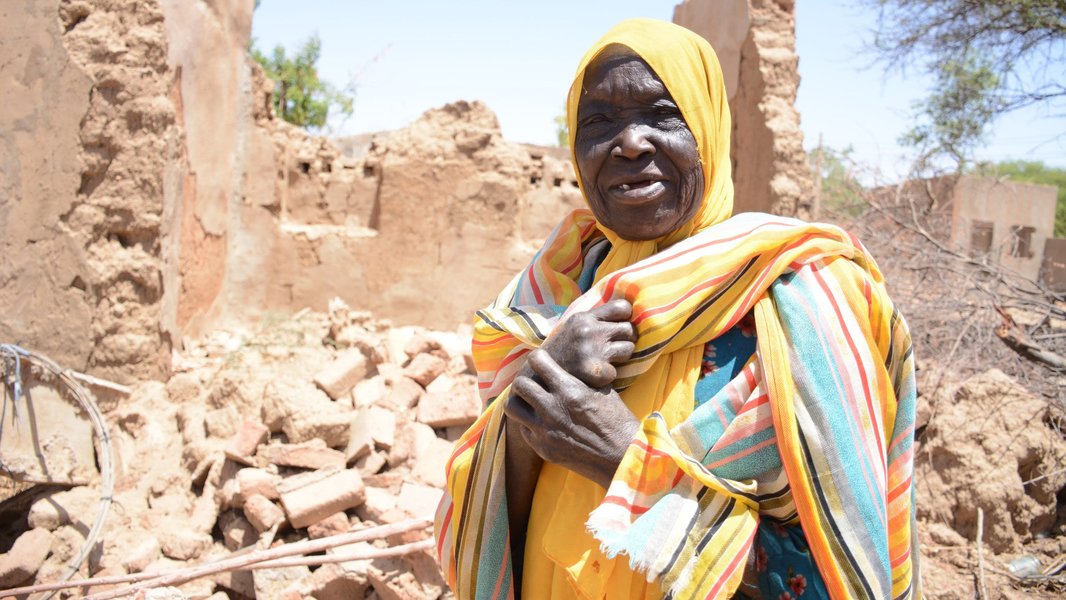
Families displaced by ongoing conflict in Sudan face immense challenges.
Syria: Over a Decade of Crisis
Nearly 14 years of conflict have decimated Syria, leaving over 17 million people inside the country requiring humanitarian assistance. The situation is compounded by displacement, economic deterioration, and multiple overlapping crises. Returns of internally displaced persons to northwest Syria add further pressure on already strained resources.
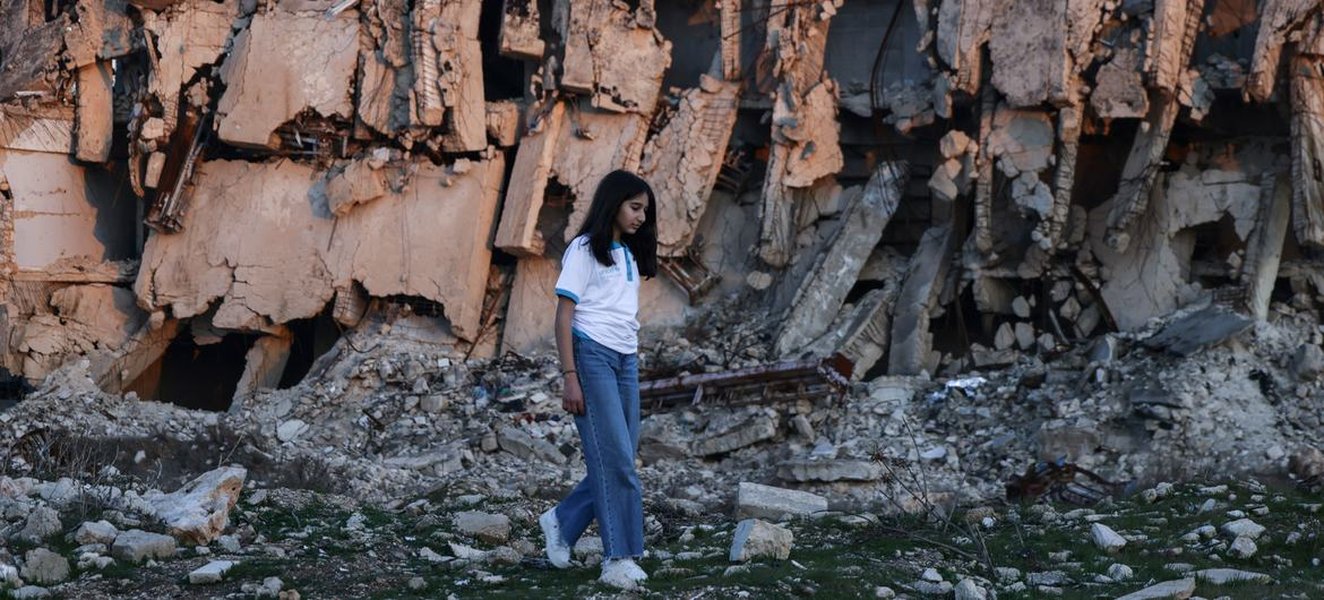
Humanitarian aid being distributed to affected populations in Syria.
Gaza and the Occupied Palestinian Territories
The ongoing conflict in Gaza has sparked an unprecedented humanitarian catastrophe. Without a lasting ceasefire, civilian casualties are expected to increase in 2025. Civilians in the West Bank are also facing record-level challenges due to military operations and settler violence.
Ukraine: Approaching Three Years of Conflict
As the renewed conflict in Ukraine approaches the three-year mark in February 2025, the country faces significant humanitarian challenges, including electricity and fuel shortages amid ongoing hostilities. The crisis has also led to one of the world's largest refugee situations.
Myanmar: Millions in Need Amid Conflict
Around 20 million of Myanmar's 55 million population are estimated to need assistance in 2025, with at least 15 million people facing acute food insecurity. The conflict continues to drive displacement and humanitarian needs.
Climate Change and Environmental Disasters
The climate crisis is intensifying, increasing the likelihood of severe disasters and exacerbating existing vulnerabilities. Extreme weather events, such as hurricanes, floods, and droughts, are having devastating impacts on already fragile communities.
Severe Drought in Southern Africa
The worst El Niño-induced drought in a century has caused widespread food insecurity in southern Africa. In Angola, around 2.2 million people face food insecurity due to the drought, with many water access points now dry. Similarly, a severe drought in Zambia has pushed 9.8 million people into food insecurity.
Monsoon Rains and Flooding
Heavy monsoon rains, flash floods, and thunderstorms in countries like India and Bangladesh have affected millions of people, highlighting the increasing frequency and intensity of climate-related disasters.
Economic Instability and Poverty
Economic crises and widespread poverty contribute significantly to humanitarian needs. Currency devaluation, inflation, and lack of economic opportunities leave populations vulnerable to shocks and unable to meet their basic needs.
Economic Collapse in Yemen
Yemen continues to face a severe humanitarian crisis driven in part by a massive economic collapse that has thrown 83% of the population into multidimensional poverty. Despite nearly 10 years of war, the plight of Yemenis has often been overlooked.
Political Instability and Governance Challenges
Political instability, weak governance, and coups can disrupt essential services, displace populations, and hinder humanitarian access. These factors often exacerbate existing vulnerabilities and contribute to protracted crises.
Political Tensions in South Sudan
A fragile peace agreement in South Sudan is set to expire in February 2025. If violence and instability escalate, it could spark a wider conflict, displacing more people and worsening the humanitarian crisis.
Niger: Consequences of a Coup
Following a coup d’état in July 2023, Niger experienced increased social and political tensions, rising inflation, power outages, and increased food insecurity. More than 2.7 million Nigeriens will require assistance in 2025.
The Global Humanitarian Response in 2025
Addressing the complex humanitarian challenges of 2025 requires a multifaceted global response involving international organizations, governments, and non-governmental organizations. The United Nations Office for the Coordination of Humanitarian Affairs (OCHA) plays a crucial role in coordinating these efforts through the Global Humanitarian Overview (GHO).
Global Humanitarian Overview 2025
The GHO 2025 presents the global trends in crises and humanitarian needs and outlines how the humanitarian community plans to respond. Humanitarian partners are appealing for over US$47 billion to assist nearly 190 million people facing life-threatening needs across 72 countries.
A look at the Global Humanitarian Overview for 2025 from the United Nations.
Funding Challenges and Priorities
Despite the immense needs, humanitarian funding is a significant challenge in 2025. Expected budget cuts from key donor countries, including the United States, are leading to concerns about funding shortfalls. The US has historically been the largest provider of humanitarian aid, and changes in its foreign aid policies have global implications.
Organizations are prioritizing assistance to concentrate on crisis-affected areas with the most severe needs. The Central Emergency Response Fund (CERF) has released funds for neglected crises across Africa, Asia, and Latin America to address some of these shortfalls.
Key Areas of Response
Humanitarian responses in 2025 focus on providing essential assistance and protection to vulnerable populations. This includes:
- Food Security: Addressing acute food insecurity caused by conflict, drought, and economic collapse.
- Health Assistance: Providing urgent health assistance, particularly in areas affected by displacement, disease outbreaks, and damaged health systems.
- Emergency Shelter and Non-Food Items: Providing shelter and essential supplies to displaced populations.
- Protection: Implementing protection initiatives, including mine action programs and legal aid, to safeguard vulnerable individuals, especially women and girls.
- Access to Water and Sanitation: Improving access to clean water and sanitation services to prevent disease outbreaks.
Challenges in Delivering Aid
Delivering humanitarian aid in 2025 is hampered by several factors:
- Access and Safety: Ensuring safe and unfettered access to conflict-affected populations and protecting aid workers remains a critical challenge. Armed groups are expected to target aid workers in some contexts.
- Underfunding: The gap between required funding and available resources limits the reach and scope of humanitarian assistance.
- Political Obstacles: Political tensions and instability can create obstacles to aid delivery and hinder humanitarian efforts.
Mapping the Severity of Humanitarian Needs
The following radar chart visually represents the severity of key factors contributing to humanitarian crises in several prominent contexts for 2025. This is an analytical interpretation based on the available information and highlights the interconnectedness of these challenges.
Prioritizing Response and Addressing Neglected Crises
With limited resources, prioritizing the humanitarian response is crucial. Organizations are working to focus on the most vulnerable populations in areas with the most severe needs. However, there is a concern that some crises may be overlooked by the media and international community, leading to insufficient funding and attention.
Crises at Risk of Being Forgotten
Several humanitarian crises are at risk of being forgotten in 2025, including:
- Central African Republic: Armed conflicts have displaced one in five people, leaving over 2.5 million facing severe food insecurity.
- Malawi: The worst drought in a century has left 6.1 million people in desperate need of aid.
- Zambia: A severe drought has pushed 9.8 million people into food insecurity.
- Angola: Drought has caused food insecurity for around 2.2 million people.
- Niger: Political instability and conflict have left over 2.7 million people requiring assistance.
- Somalia: Overlapping crises have plagued the country for decades, with 2.4 million people requiring humanitarian aid.
- Democratic Republic of Congo: Wave of violence is worsening one of the most complex humanitarian crises, with over 14.3 million people needing urgent health assistance.
These situations highlight the importance of continued advocacy and funding for crises that do not always make international headlines.
The Role of Funding and Policy
The level of humanitarian funding in 2025 is a critical factor in determining the scale and effectiveness of the response. Expected decreases in funding from major donors are a significant concern. The US, a major contributor, is undergoing policy changes that could impact foreign aid allocation.
Impact of US Funding Decisions
Decisions regarding US humanitarian assistance have significant global implications. Past instances of funding pauses have led to critical losses in emergency response capacity and data systems. Organizations relying heavily on US funding, such as the World Food Programme (WFP), have been forced to scale back operations.
Prioritizing Efficiency and Localisation
In response to funding challenges, there is an increased focus on efficiency and value for money in humanitarian aid. There is also a growing emphasis on localization, aiming to channel more resources to local actors and organizations. However, the transition to more localized aid delivery faces challenges amid funding cuts and ongoing humanitarian reform initiatives.
Frequently Asked Questions (FAQ)
Recommended Further Exploration
To gain deeper insights into the multifaceted challenges and responses in the humanitarian field in 2025, consider exploring the following related queries:
- What is the impact of climate change on humanitarian needs in 2025?
- What are the challenges of humanitarian access in conflict zones in 2025?
- What is the role of international cooperation in addressing global crises in 2025?
- Which humanitarian crises are at risk of being forgotten in 2025 and what are the funding gaps?
References
Last updated May 20, 2025