
Navigating the Maze: Key Legislative & News Updates Shaping 2025 Across Core Industries
Unpacking the transformative changes in Building Automation, Test & Measurement, and Healthcare effective this year.
The year 2025 is proving to be a pivotal period for regulatory landscapes across several critical sectors. Businesses and professionals in Building Automation, Test and Measurement, and Medical & Healthcare must navigate a complex web of new legislation, evolving standards, and impactful news developments. This overview synthesizes the key changes from the first and second quarters of 2025, offering insights into compliance requirements, technological advancements, and market shifts.
2025 Regulatory Pulse: Highlights
- Sweeping Regulatory Shifts: Key sectors are experiencing significant updates impacting safety protocols, data privacy mandates, operational standards, and environmental considerations.
- AI & Technology Integration: New rules and emerging trends strongly emphasize the adoption of Artificial Intelligence and advanced technologies to enhance efficiency, ensure compliance, and drive innovation.
- Healthcare in the Spotlight: The medical and healthcare field is undergoing major reforms, particularly concerning Medicare and Medicaid, HIPAA regulations, and the oversight of diagnostic products, fundamentally reshaping patient care and provider responsibilities.
Building Automation
Overview
The Building Automation sector in 2025 is characterized by a strong drive towards integrating Artificial Intelligence for enhanced operational efficiency and occupant privacy. Concurrently, there's a significant tightening of fire safety regulations and an evolution in building security and performance standards, underscored by new compliance mandates and technological advancements like updated BACnet protocols.
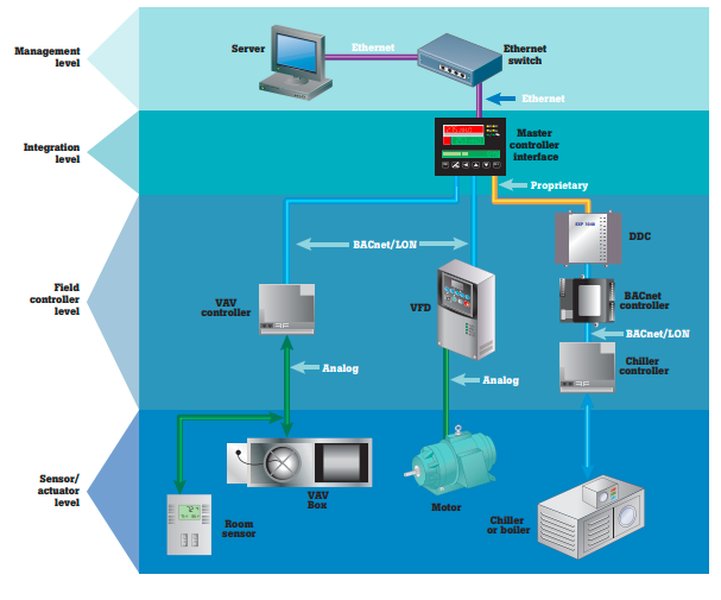
The architecture of modern Building Automation Systems, integrating various control layers.
Fire Safety
Fire safety regulations are undergoing significant enhancements in 2025, particularly in the UK, with a focus on protecting vulnerable populations and improving overall building resilience through stricter standards and new technology adoption.
Q1 2025 Updates (January - March)
- January 1, 2025: A notable level of uncertainty was reported among safety professionals regarding upcoming fire law changes, including stricter fire risk assessment requirements and new British standards for fire risk assessors.
- March 2, 2025 (UK): Provisions making sprinkler systems mandatory in all new care homes, irrespective of building height, took effect as part of updates to Approved Document B (Fire Safety). Personal Emergency Evacuation Plans (PEEPs) for care home residents also became a requirement.
- March 13, 2025: Emphasis on key policy changes for 2025 highlighted the transition to European fire testing standards for fire safety products and equipment, aiming for improved consistency and safety benchmarks.
Q2 2025 Updates (April - May 12)
- April 3, 2025: New fire safety guidelines for restaurants and food trucks were released, stressing comprehensive training on fire extinguisher use, evacuation procedures, and compliance with updated regulations.
- April 23, 2025: Updates to fire safety codes were discussed, including a ban on certain Aqueous Film-Forming Foams (AFFF) due to environmental concerns, and revised standards for smoke detector spacing and detection technologies.
- May 5, 2025: New fire safety codes for 2025 outlined the necessity for properties to adopt enhanced cybersecurity measures for fire safety and alarm systems, alongside updated detection technologies.
- May 9, 2025: The Building Controls Industry Association (BCIA) announced the winners of its 2025 awards, recognizing achievements and innovations in the building controls industry, including fire safety. A webinar also covered stricter fire legislation updates for building owners.
Building Security System
Advancements in AI and a growing emphasis on data privacy are shaping the evolution of building security systems, with integration into broader building management platforms becoming more common.
Q1 2025 Updates (January - March)
- No specific legislative updates or major news headlines identified for this period from provided sources. Focus continues on integrating AI for real-time monitoring and incident response.
Q2 2025 Updates (April - May 12)
- May 5, 2025: Researchers at the University of Tokyo announced a framework for decentralized, AI-based building automation with a strong focus on privacy. This system enables AI-powered devices like cameras to cooperate directly, potentially impacting building security system design and deployment. Regulations are encouraging integration with building automation for unified management, with an emphasis on data privacy compliance.
Gas Detection
Gas detection systems are seeing increased integration with building automation for proactive safety measures, with regulatory bodies considering updates to current standards.
Q1 2025 Updates (January - March)
- No specific legislative updates identified. Focus on heightened integration of gas detection systems into automated building management platforms for proactive alerts.
Q2 2025 Updates (April - May 12)
- Ongoing: OSHA is reportedly reviewing workplace gas detection standards, with potential updates anticipated later in 2025 to reflect technological advancements in sensing.
Occupancy Detection
Occupancy detection technology is increasingly utilized for energy optimization and enhancing emergency management procedures, with emerging norms around data privacy.
Q1 2025 Updates (January - March)
- No specific legislative updates identified. Growing adoption of occupancy data for compliance with fire safety evacuation procedures.
Q2 2025 Updates (April - May 12)
- Emerging norms on privacy compliance related to occupancy data collection are beginning to shape vendor practices and system design. Integration with building safety systems is strongly encouraged.
Additionally, the BACnet standard updates continued into 2025, focusing on improved communication protocols. By December 31, 2025, new regulations will require building automation systems in buildings with heating, air-conditioning, and ventilation outputs above 290 kW (primarily an EU-focused regulation mentioned in general updates).
Test and Measurement
Overview
The Test and Measurement sector in 2025 is characterized by ongoing innovation, particularly in data acquisition, laboratory automation, and instrumentation. Key drivers include the integration of AI and IoT, evolving compliance standards such as new FDA rules for diagnostics, and enhanced data security requirements, especially for analytical labs and quality monitoring systems.
Data Acquisition
Data acquisition systems are seeing increased emphasis on cybersecurity and integration with cloud and edge computing to meet new interoperability and efficiency demands.
Q1 2025 Updates (January - March)
- Increased emphasis on cybersecurity for devices acquiring critical operational data, partly driven by new CMS proposals impacting healthcare-related measurement tools.
Q2 2025 Updates (April - May 12)
- April 3, 2025: Market reports highlighted the growth of building automation systems, which include data acquisition technologies, driven by AI and IoT for enhanced decision-making in industrial settings.
- May 2025: The ISA111 committee continues its work on standards for Unified Automation for Buildings, which could encompass standards related to data acquisition within building automation.
- May 5, 2025: Trends in industrial automation emphasized the role of edge computing and cloud integration in data acquisition systems, aligning with broader efficiency improvements and compliance with ONC interoperability rules.
Analytical Lab
Significant regulatory changes are impacting analytical labs, particularly with the FDA tightening oversight on laboratory-developed tests.
Q1 2025 Updates (January - March)
- No specific legislative updates identified beyond ongoing preparations for FDA changes.
Q2 2025 Updates (April - May 12)
- May 2025: The FDA initiated the first stage of its five-stage process to phase out enforcement discretion for laboratory developed tests (LDTs). This means in vitro diagnostic (IVD) products manufactured and offered as LDTs will need to start complying with full FDA regulations, a process concluding in 2028. This significantly affects test validation and quality controls.
- May 2025: Trilobio raised $8 million USD in seed investment to develop an automated robotic lab-in-a-box for biologists, indicating a trend towards increased automation in analytical lab settings.
Instrumentation
The instrumentation sub-sector continues to see technological advancements with AI and IoT integration, alongside growing cybersecurity compliance demands.
Q1 2025 Updates (January - March)
- No specific new legislation identified. Continuous trend towards integrating AI and IoT for smarter instrumentation.
Q2 2025 Updates (April - May 12)
- May 2025: Honeywell was named the building automation provider for LG Energy Solution’s EV battery plant, which will involve equipping the facility with advanced building automation technologies, highlighting demand for sophisticated instrumentation. Cybersecurity compliance is increasingly mandated for instruments handling sensitive operational data.
Quality Monitoring
New policies focusing on interoperability and quality reporting are influencing quality monitoring systems, particularly within healthcare.
Q1 2025 Updates (January - March)
- Introduction of new electronic prior authorization measures (for Medicare and MIPS participants), influencing related quality monitoring data capture and reporting workflows.
Q2 2025 Updates (April - May 12)
- May 2025: The ISA111 committee's work on unifying building automation could have implications for quality monitoring systems within buildings by promoting integrated management.
Water/Leak Sensing
While no major specific legislative changes were noted, the integration of water/leak sensing into building automation systems is a growing trend, driven by sustainability and sensor interoperability.
Q1 & Q2 2025 Updates
- No specific legislative updates or major news headlines identified from provided sources beyond the general trend of integration.
The radar chart above offers an opinionated analysis of the perceived regulatory impact across key sectors in 2025. It evaluates dimensions such as Legislative Activity, Technological Disruption, Compliance Burden, Innovation Incentives, Safety Focus, and Privacy Concerns. For instance, Medical & Healthcare shows high impact across most dimensions, reflecting significant reforms. Building Automation also faces substantial changes, especially in safety and compliance. Test & Measurement is influenced more by technological shifts and specific diagnostic regulations.
Medical & Healthcare
Overview
The Medical & Healthcare sector is undergoing significant regulatory transformations in 2025. These are driven by efforts to improve patient access and outcomes, manage rising costs, and enhance data security. Key areas include substantial updates to Medicare and Medicaid rules, new FDA oversight for diagnostic products, increased scrutiny of private equity investments, and evolving HIPAA regulations, alongside a growing influence of AI in reshaping care delivery.

Advanced technology, like robotic surgical devices, is increasingly central to modern healthcare.
Hospital Patient Care
Hospitals face a complex regulatory environment in 2025, with changes impacting reimbursement, patient data privacy, diagnostic procedures, and operational compliance.
Q1 2025 Updates (January - March)
- January 2025: A Medicare physician pay rate cut of approximately 2.83% to 2.93% (figures vary slightly by source) went into effect, impacting hospital finances related to physician services.
- January 17, 2025: Forecasts highlighted potential Medicare changes, including telehealth coverage and payment policies affecting hospital patient care.
- Prior to March 2025 (Impacting 2025): Ohio began stakeholder engagement for potential changes to its medical waste/infectious waste rule, with ongoing development.
- March 13, 2025: Discussions noted that Artificial Intelligence is swiftly reshaping the healthcare landscape, impacting patient care delivery and access within hospitals. Health policy changes also emphasized reproductive rights and public health initiatives, potentially shifting oversight and funding.
- Ongoing Q1: HIPAA enforcement intensified regarding timely patient access to records, with significant penalties noted in early 2025.
Q2 2025 Updates (April - May 12)
- April 4, 2024 (Effective 2025): The Centers for Medicare & Medicaid Services (CMS) published its 2025 Medicare Advantage and Part D Final Rule. Key changes include capping broker compensation to prevent steering individuals to plans based on financial incentives rather than healthcare needs.
- April 23, 2025: Key regulatory updates included discussions around potential HIPAA changes for data privacy and new requirements for electronic prior authorization in hospitals.
- May 2025: The FDA's five-stage process to phase out enforcement discretion for laboratory developed tests (LDTs) began, requiring these in vitro diagnostic products to comply with FDA regulations.
- May 12, 2025 (Ongoing Trend): Increased federal and state regulatory scrutiny on private equity investments in healthcare continued from Q1 2024, with a focus on transparency and impact on patient care quality.
- May 13, 2025: Articles outlined navigating 2025 regulatory changes, including potential OSHA updates for workplace safety in hospitals.
- Ongoing 2025:
- Eligible hospitals in the Medicare Promoting Interoperability Program must report two new electronic prior authorization measures for the CY 2027 performance period (2029 MIPS payment year).
- CMS is due to propose new cybersecurity requirements for hospitals, with compliance necessary for Medicare/Medicaid participation. Potential updates to HIPAA Privacy Rules are also expected.
- Lawmakers and regulators continue to push for reforms of pharmacy benefit managers (PBMs).
Home Healthcare
Home healthcare is significantly impacted by changes in Medicare and Medicaid policies, telehealth regulations, and an increasing focus on data privacy and AI integration.
Q1 2025 Updates (January - March)
- January 2025: The Medicare physician pay rate cut also indirectly impacted home healthcare providers reimbursed through Medicare.
- January 17, 2025: Policy forecasts discussed expiring ACA subsidies and telehealth flexibilities, which could affect home healthcare access and affordability.
- March 13, 2025: The increasing role of AI in healthcare was noted as influential for home healthcare delivery and management. Health policy changes focused on improving access for dual-eligible populations, emphasizing AI and interoperability.
Q2 2025 Updates (April - May 12)
- April 4, 2024 (Effective 2025): The 2025 Medicare Advantage and Part D Final Rule, with changes to broker compensation, could affect beneficiaries choosing plans that include home healthcare benefits.
- April 23, 2025: Proposed HIPAA updates emphasized encrypting electronic Protected Health Information (ePHI) for home healthcare devices, alongside CMS proposals for standardized electronic transactions.
- May 13, 2025: Regulatory trends highlighted AI-driven improvements for home healthcare, such as better prior authorization processes and interoperability standards.
- Ongoing 2025:
- Health plans serving Medicaid and Dual Eligible Special Needs Plans (D-SNP) populations face significant regulatory changes from CMS, including the 2027 D-SNP requirements, aimed at improving healthcare access and outcomes.
- Policy adjustments regarding telehealth flexibilities are expected, likely maintaining some provisions from the pandemic era.
- Evolving HIPAA privacy rules aim to strengthen protections for home healthcare patients’ data, especially with remote monitoring technologies.
The embedded video above discusses potential changes the healthcare industry could see in 2025, offering further insights into the regulatory shifts impacting both hospital and home healthcare settings. It touches upon themes like compliance, reimbursement, and the overarching federal policies that providers need to navigate.
Key Regulatory Themes Visualization
The mindmap below illustrates the interconnectedness of major regulatory themes prevalent in 2025 across the discussed sectors. It highlights how cross-cutting issues like AI integration, cybersecurity, data privacy, and evolving safety standards are influencing legislation and industry practices.
Summary Table: Key 2025 Regulatory Milestones
This table provides a snapshot of some of the most significant regulatory changes and their effective timelines or key development dates in 2025 across the Building Automation, Test & Measurement, and Medical & Healthcare sectors.
| Effective/Key Date | Sector | Sub-sector / Area | Update Highlights |
|---|---|---|---|
| January 2025 | Medical & Healthcare | Hospital Patient Care, Home Healthcare | Medicare physician pay rate cut (approx. 2.83%-2.93%) takes effect. |
| March 2, 2025 | Building Automation | Fire Safety (UK) | Mandatory sprinkler systems in new UK care homes; PEEPs required. |
| April 4, 2024 (Effective 2025) | Medical & Healthcare | Hospital Patient Care, Home Healthcare | CMS 2025 Medicare Advantage & Part D Final Rule (e.g., broker compensation caps) effective. |
| May 2025 | Medical & Healthcare | Analytical Lab / Hospital Patient Care | FDA begins phased-in heightened oversight for Laboratory Developed Tests (LDTs). |
| May 2025 | Building Automation | Building Security System | University of Tokyo announces research on privacy-focused AI for building automation. |
| May 2025 | Test & Measurement | Analytical Lab | Trilobio secures $8 million funding for automated "lab-in-a-box" solutions. |
| Ongoing 2025 | Medical & Healthcare | Hospital Patient Care | New electronic prior authorization measures reporting required for Medicare Promoting Interoperability Program (for CY2027). |
| Ongoing 2025 | Building Automation | Fire Safety | Transition to European fire testing standards; increased focus on fire risk assessor credentials (UK). |
| By Dec 31, 2025 | Building Automation | General (EU Context) | Mandatory Building Automation Systems (BAS) for buildings with heating/AC/ventilation outputs >290 kW. |
Frequently Asked Questions (FAQ)
What are the main drivers behind the 2025 regulatory changes?
Several factors are driving these changes. In Building Automation, it's largely about enhancing safety (especially fire safety), improving energy efficiency, and integrating smarter technologies securely. For Test and Measurement, particularly in labs, the focus is on ensuring the accuracy and reliability of diagnostics (e.g., FDA's LDT oversight) and fostering automation. In Healthcare, drivers include managing rising costs (Medicare reforms), improving patient data security and access (HIPAA updates), ensuring quality of care, and adapting to technological advancements like AI and telehealth.
How is Artificial Intelligence (AI) impacting regulations in these sectors?
AI is a significant influencer. In Building Automation, AI is being leveraged for energy optimization, predictive maintenance, and enhanced security, prompting discussions on privacy and data handling within regulatory frameworks (e.g., U.Tokyo research). In Test and Measurement, AI drives automation in labs and smarter instrumentation. In Healthcare, AI is reshaping diagnostics, treatment planning, and operational efficiency, leading to regulatory considerations around data usage, algorithmic bias, patient safety, and interoperability (e.g., CMS encouraging AI for efficiency).
What are the key implications of the new fire safety laws, particularly in the UK?
The updated UK fire safety legislation (Approved Document B) has several key implications. For new care homes, mandatory sprinkler systems regardless of height are a major change, aimed at protecting vulnerable residents. There's also an increased emphasis on the competency and credentials of fire risk assessors, aiming for more thorough and accountable evaluations. The introduction of Personal Emergency Evacuation Plans (PEEPs) in care settings enhances individualized safety planning. Additionally, the transition towards European fire testing standards and discussions around AFFF bans reflect broader moves towards higher, more consistent safety and environmental standards.
How will the FDA's new oversight on Laboratory Developed Tests (LDTs) affect analytical labs?
The FDA's decision to phase out enforcement discretion for LDTs means these tests, often developed and used within a single laboratory, will now generally fall under the same regulatory requirements as commercially manufactured in vitro diagnostics (IVDs). This will require labs offering LDTs to meet FDA standards for premarket review, quality system regulation, adverse event reporting, and labeling. The implications include potentially higher costs for test validation and compliance, a longer timeline to bring new LDTs to market, and a need for more rigorous quality control processes. The goal is to ensure the safety and effectiveness of all diagnostic tests used for patient care.
What should healthcare providers focus on to navigate the 2025 healthcare changes?
Healthcare providers should prioritize several areas: 1. Understanding Reimbursement Changes: Stay updated on Medicare Physician Fee Schedule adjustments and the implications of the Medicare Advantage & Part D Final Rule. 2. HIPAA Compliance: Focus on robust data security measures, prepare for potential new cybersecurity requirements, and ensure timely patient access to records. 3. Diagnostic Test Compliance: If applicable, understand the FDA's new LDT oversight. 4. Interoperability & Prior Authorization: Prepare for new electronic prior authorization measures and embrace interoperability standards. 5. AI Integration: Explore how AI can be responsibly integrated to improve care and efficiency while being mindful of ethical and regulatory considerations. 6. D-SNP Population Care: If serving dual-eligible populations, be aware of enhanced CMS requirements.
Recommended Further Exploration
- Explore the specific requirements of the UK's Approved Document B for fire safety as updated in 2025.
- Investigate the detailed implications of the FDA's phased approach to regulating Laboratory Developed Tests for clinical laboratories.
- Understand how the 2025 Medicare Advantage and Part D Final Rule will impact patient choice and healthcare provider compensation.
- Discover the emerging cybersecurity best practices for Building Automation Systems in light of new 2025 regulations.
References
Last updated May 12, 2025