
How 2D Games Enhance Early Childhood Learning
Exploring the benefits of interactive and visually engaging 2D games for young learners
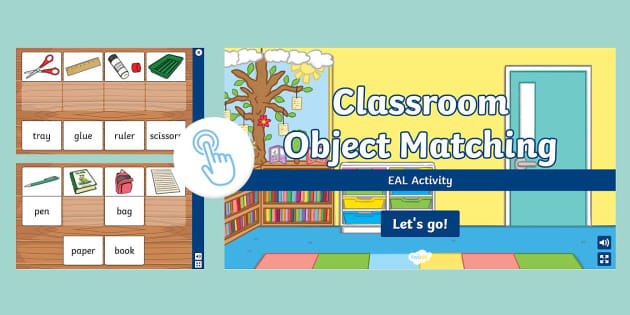
Key Takeaways
- Cognitive and Skill Development: 2D games foster problem-solving, memory enhancement, and spatial reasoning.
- Engagement and Motivation: The interactive and playful environment of 2D games increases interest and sustains attention.
- Social, Emotional, and Technical Growth: These games nurture social interactions, emotional regulation, and even introduce basic coding concepts.
Introduction
Early childhood is a time marked by rapid cognitive, social, and motor development. Educators and researchers have increasingly turned to digital platforms to augment traditional learning methods, with 2D games emerging as a valuable tool in early educational settings. These games are designed to blend fun with learning, making education engaging while supporting children’s development holistically. In this discussion, we explore multiple facets of how 2D games enhance early childhood learning, spanning cognitive development, motor skills, social-emotional growth, and technical skills.
Cognitive Development through 2D Games
Enhancing Problem-Solving and Critical Thinking
One of the most significant advantages of incorporating 2D games into early childhood education is the facilitation of cognitive skills, particularly problem-solving and critical thinking. Many 2D games are built on mechanisms that challenge children to strategize, plan, and adjust their approach based on the game’s dynamic scenarios. Each level or puzzle becomes a controlled environment where children can experiment with different strategies, analyze outcomes, and learn from mistakes.
These problem-solving tasks stimulate the brain’s capacity for analytical reasoning. For example, a child who must navigate a character through obstacles or solve a sequence of puzzles is continuously engaging with tasks that require mental flexibility. This active engagement is key in areas like cognitive flexibility, working memory, and even computational logic. The immediate feedback provided by the game helps children understand cause and effect, leading to enhanced decision-making skills.
Improving Attention and Memory Functions
Research indicates that 2D games contribute to improvements in attention management and memory enhancement. The interactive nature of these games ensures that children remain actively involved, which increases their concentration levels. Puzzles, matching games, and memory-based challenges are common in 2D platforms. These games require children to remember sequences, locations of hidden objects, or the order of actions to proceed, thereby training their short-term and working memory.
In this digital framework, games utilize visual and auditory stimuli that reinforce learning pathways. This multisensory stimulation not only enhances recognition and recall but also introduces a playful context to memory retention—making learning a more dynamic and enjoyable process.
Spatial Reasoning and Computational Skills
While some might assume that 3D games are the domain of spatial reasoning, many 2D games are designed to enhance spatial awareness and planning skills. Navigation across a 2D plane, understanding sequential movements, and comprehending the spatial layout of a game environment all contribute towards honing these skills. Children learn the basics of geometry and spatial relationships as they maneuver characters, solve puzzles, and interact with game elements.
Moreover, certain 2D games introduce elements of computational thinking, often by incorporating puzzles that mimic the logic of coding. This early exposure to basic programming concepts—such as sequencing instructions or solving puzzles using logical structures—can serve as a foundation for learning more complex computational skills later in life.
Engagement through Interactive Learning
Creating an Immersive Learning Environment
Engagement is at the core of effective learning, and 2D games have an innate capacity to capture and maintain the attention of young children. By blending vibrant graphics, appealing narratives, and interactive challenges, these games create an immersive learning environment. When children are actively engaged, they are more motivated to participate and persist in challenging tasks.
This immersive nature of 2D games enables a form of learning that goes beyond traditional book-based instruction. The games serve as interactive learning media where lessons can be woven into the narrative and gameplay, making otherwise abstract concepts tangible. For instance, a game might incorporate math problems into its storyline or use a sequence of events to build literacy skills, thereby reinforcing educational content in an enjoyable manner.
Immediate Feedback and Adaptive Learning
Another critical element of 2D games is the provision of immediate feedback. Unlike traditional learning environments where results may come after an extended period, games deliver instant consequence outputs—whether in response to a correct move or a mistake. This immediate feedback allows children to adjust their strategies and learn more effectively from iterative practice.
The adaptability of these games means that they can cater to different learning paces and styles. As children navigate hurdles within the game design, they engage in self-assessment and corrective measures that are instrumental in fostering a mindset geared toward continuous improvement. This builds not only academic skills but also perseverance and resilience.
Enhancing Motor Skills and Hand-Eye Coordination
Developing Fine Motor Skills
2D games are not solely about cognitive puzzles and narratives; they also play a vital role in refining physical coordination skills. Many 2D games require precise clicking, tapping, or drag-and-drop motions. These actions are critical in developing fine motor skills, especially in early childhood when dexterity is still forming.
Activities that require a child to interact with graphical elements—whether on a touchscreen or with a mouse—train their hand-eye coordination. Repeated interactions with game mechanics that demand specific and accurate movements help solidify the neural pathways associated with precision motor actions. This enhancement in fine motor skills has broader applications, including improved handwriting and higher proficiency in tasks requiring manual dexterity.
Promoting Spatial Awareness
Navigating in a two-dimensional space reinforces the understanding of spatial relationships. Whether guiding a character from one point to another or organizing game elements within a virtual space, children learn about positioning, relative distance, and movement on a flat plane. This type of spatial awareness is crucial for academic subjects like mathematics and even in planning day-to-day activities.
By consistently interacting with 2D environments, children develop an intuitive understanding of space and scale—foundations that support further learning and problem-solving capabilities in more complex scenarios.
Social and Emotional Learning
Building Social Skills through Interactive Play
Beyond cognitive and motor skill development, 2D games offer valuable opportunities for social and emotional learning. Many modern games are designed to involve cooperative play or multiplayer interactions, even in simple forms, which can foster teamwork, communication, and collaborative problem-solving. Through playing with peers or family members, children learn vital social norms such as taking turns, sharing, conflict resolution, and empathy.
In controlled gaming environments, children can practice negotiating roles and responding to both victory and setback. This shared experience not only deepens relationships but also contributes to building emotional intelligence. As they encounter various in-game challenges, children learn to manage frustration, celebrate successes, and rebound from failures with grace—all of which are essential components of emotional regulation.
Fostering Creativity and Confidence
Many 2D games allow for levels of creative expression. Whether through character customization, level building, or interactive storytelling, children can explore their creative instincts. This creative outlet is instrumental in boosting self-esteem and encouraging innovative thinking.
Engaging with the game’s storyline or even creating game content offers a safe space for children to experiment with new ideas and express themselves. As they see their creative efforts rewarded within the game’s framework, their confidence in their own abilities grows, which has positive ripple effects in other areas of learning and personal development.
Technical and Computational Skills
Introducing Basic Coding Concepts and Digital Literacy
In our increasingly digital world, early exposure to technology is critical. 2D games serve as an excellent platform to introduce basic coding and computational thinking to young children. Through experiencing game mechanics and interactive decisions, children become familiar with principles that underpin software programming, such as sequencing, logic, and algorithmic thinking.
Some educational 2D games incorporate elements that allow children to modify or customize game features using simple coding languages like JavaScript, HTML, or CSS. This not only makes learning fun but also builds a foundation for future technical skills by easing children into the world of digital literacy.
Encouraging Exploration of the Digital World
Familiarity with digital interfaces and interactive screens can be both fun and educational. Navigating digital environments safely and effectively is a crucial skill in the modern era. By interacting with 2D games, children are introduced to the structured logic of digital media, which helps them become more comfortable and adept with technology. This experience serves as a stepping stone towards more complex digital competencies and fosters an early interest in fields such as computer science and multimedia design.
Integrative Overview: How 2D Games Contribute Holistically
Synthesis of Educational Benefits
When analyzing the broad spectrum of benefits provided by 2D games in early childhood, it is clear that these interactive platforms do far more than simply entertain. They act as a multifaceted educational tool that touches on several core areas of development:
| Aspect of Development | Key Benefits |
|---|---|
| Cognitive Skills |
|
| Motor Skills |
|
| Social & Emotional Learning |
|
| Technical Skills |
|
Real-World Application and Transfer of Skills
One of the remarkable aspects of 2D games is their ability to promote the transfer of learning. The skills and knowledge gained in the digital realm often find practical bases in the physical world. For example, children who engage in problem-solving within a game environment tend to exhibit better academic performance in subjects that require logical and analytical thinking. Similarly, the fine motor skills acquired through careful game interactions help in activities such as writing or crafting.
Moreover, the interactive, feedback-rich nature of 2D games often translates into a deeper understanding of educational content. This transfer of learning is enabled by the contextual reinforcement that these games provide, as children apply learned concepts in varying scenarios—be it navigating a maze, solving sequential problems, or even understanding simple cause and effect. The result is a well-rounded development that bridges digital and real-world learning, fostering not just academic aptitude but practical life skills.
Conclusion
2D games have firmly established themselves as effective educational tools for young children. By integrating engaging visuals with interactive challenges, these games contribute significantly to cognitive and skill development, motor skill refinement, social and emotional growth, and even early technological aptitude. The fusion of play and learning not only makes education fun and accessible but also equips children with a set of versatile, transferable skills that support both academic success and everyday problem-solving. As educators continue to embrace digital learning, the role of 2D games in early childhood education is set to become even more profound, paving the way for an innovative and holistic educational experience.
References
- The Effect of 2D and 3D Action Video Game Interventions on Cognitive Functions: Flexibility, Inhibition, and Continuous Attention - Sage Journals
- How do we integrate 'learning' into our 2D platformer game? - Quora
- Game Development for Kids - Code Young
- The Benefits of Play-Based Learning in Early Education - Magrid Education
- A Guide to Game-Based Learning in Early Childhood Education - Brightwheel
- The Use of 2D Video Games for Children with ADHD and Improving Teachers' Intercultural Competence - ResearchGate
- The Importance of Digital Play in a Child's Development - People of Play
- How 2D Games Help Your Child to Learn Better - Still Bon Articles
- Benefits of Game-Based Learning - New Path Learning
- 11 Benefits of Playing Games in the Classroom - Teach Starter
More
Last updated February 19, 2025