
Unleash Your Strength: A Comprehensive 3-Day Program Without Squats
Achieve powerful and well-rounded lower body development through effective alternatives to traditional squats.
Key Program Highlights
- Tailored for Accessibility: This program prioritizes lower body strength and muscle development for individuals who prefer or need to avoid squats, whether due to injury, discomfort, or personal preference.
- Holistic Muscle Engagement: By incorporating a diverse range of exercises such as Romanian deadlifts, lunges, and various leg presses, the program ensures comprehensive targeting of the quadriceps, hamstrings, and glutes.
- Optimized for Progress: The 3-day split allows for sufficient rest and recovery, promoting consistent strength gains and muscle hypertrophy across all major muscle groups, while preventing overtraining.
Many consider squats to be the "king of all exercises" for lower body development, and for good reason—they effectively engage a multitude of muscles, from the glutes and hamstrings to the quadriceps and core. However, for a variety of reasons, including past injuries, knee discomfort, or simply a personal dislike, some individuals may choose to or need to avoid traditional barbell squats. The good news is that it is entirely possible to build strong, muscular, and functional legs without ever performing a squat. This comprehensive 3-day strength training program is meticulously designed to provide effective alternatives, ensuring you can still achieve significant lower body strength and hypertrophy while accommodating your specific needs.
A 3-day workout split is an excellent choice for many, offering a balance between training frequency and recovery. It allows for each major muscle group to be hit multiple times a week, which is beneficial for both strength and hypertrophy gains, while also providing ample rest days to prevent burnout. This approach is particularly effective for beginners establishing a consistent routine and for intermediate lifters looking to maximize their progress. This program will guide you through a structured approach to building a robust physique, emphasizing exercises that target the lower body effectively without relying on squats, and integrating a full-body approach across the three training days.
The Philosophy Behind a No-Squat Leg Development
Understanding effective alternatives for comprehensive lower body engagement.
While squats are indeed a cornerstone exercise, their absence does not create an insurmountable void in leg training. The key lies in understanding the muscle groups targeted by squats—primarily the quadriceps, hamstrings, and glutes—and then selecting alternative exercises that effectively isolate and train these same muscles, often with even greater specificity. Many exercises can simulate the benefits of squats or even surpass them in certain aspects of muscle activation and development, especially for those with specific anatomical limitations or injuries.
Why Opt for a No-Squat Program?
There are several compelling reasons why an individual might seek a strength training program that excludes squats:
- Injury Prevention or Management: Squats, particularly with heavy loads or improper form, can put significant stress on the knees, lower back, and ankles. Individuals with pre-existing injuries or chronic pain in these areas often find squats exacerbating their conditions. Alternatives can offer similar muscle stimulus without the same joint stress.
- Discomfort or Pain: Even without a diagnosable injury, some people experience discomfort during squats due to individual biomechanics, mobility limitations (e.g., in hips or ankles), or simply an aversion to the movement pattern. A no-squat approach allows them to train pain-free.
- Equipment Limitations: Not all gyms or home setups have squat racks, barbells, or sufficient weight for heavy barbell squats. This program provides effective exercises that can be performed with dumbbells, kettlebells, resistance bands, or machines, making it more accessible.
- Targeted Muscle Development: While squats are compound, some individuals find that they don't adequately feel certain muscle groups working or want to emphasize specific areas more. Alternative exercises can offer more isolation and a stronger mind-muscle connection for particular leg muscles. For instance, leg extensions can better isolate the quads, and hamstring curls can specifically target the hamstrings.
The philosophy is not to dismiss the benefits of squats, but rather to recognize that effective strength training is adaptable and can be achieved through diverse means. Focusing on heavy compound movements, high-rep drop sets, and unilateral exercises can still lead to significant lower body size and strength.
Building a Powerful Lower Body: Effective Squat Alternatives
Exploring exercises that develop strength and mass in the legs.
To compensate for the absence of squats, this program incorporates a variety of exercises that collectively target all major lower body muscle groups: quadriceps, hamstrings, and glutes. These movements range from compound lifts to isolation exercises, ensuring comprehensive development.
Key Exercises for Leg Strength and Hypertrophy
Here are some of the most effective squat alternatives that form the backbone of this program:
- Leg Press: A staple for quadriceps development, the leg press allows for heavy loading with reduced spinal compression compared to squats. It also provides stability, enabling focused muscle engagement.
- Romanian Deadlifts (RDLs): Excellent for targeting the hamstrings and glutes, RDLs emphasize the hip hinge movement, promoting hamstring lengthening and contraction. This is a crucial compound movement for posterior chain strength.
- Bulgarian Split Squats (BSS): A powerful unilateral (single-leg) exercise that builds balance, stability, and significant strength in the quads, glutes, and hamstrings of each leg independently. They are particularly effective for addressing muscular imbalances and can be performed with dumbbells, kettlebells, or even a barbell.
- Leg Curls: Primarily an isolation exercise for the hamstrings, leg curls (seated or lying) help maximize hamstring contraction and hypertrophy.
- Leg Extensions: An isolation exercise focusing on the quadriceps, leg extensions are excellent for building the "teardrop" look and can be used for high-rep sets to enhance muscle pump and hypertrophy.
- Glute Bridges/Hip Thrusts: These exercises are unparalleled for directly targeting the glutes, promoting hip extension strength and glute activation.
- Lateral Sled Drags: This exercise targets the frontal plane, engaging glutes and inner thighs, improving lateral movement, and building strength in side-to-side motion that often gets missed with traditional linear movements.
- Pistol Squats (or progressions): A challenging bodyweight unilateral squat variation that builds incredible single-leg strength and balance. Progressions can start with single-leg box squats, gradually decreasing the box height.
- Hack Squats (machine or barbell variation): Similar to leg presses, hack squats, especially machine versions, guide the weight and can provide a deep stretch and strong contraction in the quads without the stability demands of a barbell back squat.
The strategic inclusion of these movements ensures that all lower body muscles are adequately stimulated for growth and strength development. The emphasis will be on proper form, progressive overload, and sufficient volume to elicit adaptation.
This radar chart illustrates the estimated muscle activation and functional benefits of various squat alternatives compared to traditional squats, highlighting how a combination of these exercises can effectively cover all bases for lower body development.
The 3-Day No-Squat Strength Training Program
A detailed weekly schedule for muscle building and strength.
This program is designed as a full-body split over three non-consecutive days, allowing for adequate recovery between sessions. The exercises selected maximize muscle engagement without relying on traditional squats, focusing on compound movements that work multiple muscle groups simultaneously, along with key isolation exercises for specific development.
This video provides a practical example of a 20-minute full-body dumbbell workout that specifically excludes squats and lunges, offering a great visual complement to the principles outlined in this program for knee-friendly training.
Program Structure and Principles
- Frequency: 3 days per week (e.g., Monday, Wednesday, Friday) with rest days in between.
- Focus: Full-body strength and hypertrophy, with specific emphasis on comprehensive lower body development without squats.
- Progressive Overload: Aim to gradually increase the weight, reps, or sets over time. When you can comfortably complete the target reps and sets for an exercise, increase the weight slightly.
- Rest: 60-90 seconds between sets for hypertrophy, 2-3 minutes for strength-focused movements.
- Warm-up: 5-10 minutes of light cardio and dynamic stretching before each workout.
- Cool-down: 5-10 minutes of static stretching after each workout.
Workout Schedule and Exercises
| Day | Muscle Group Focus | Exercise | Sets | Reps | Notes |
|---|---|---|---|---|---|
| Day 1: Full Body (Strength Emphasis) | Lower Body (Quads, Hamstrings, Glutes) | Leg Press | 3-4 | 8-12 | Focus on controlled movement, full range of motion. |
| Romanian Deadlifts (RDLs) | 3-4 | 8-12 | Maintain a slight bend in knees, hinge at hips, keep back straight. | ||
| Bulgarian Split Squats (Dumbbell) | 3 | 8-12 per leg | Elevate rear foot on a bench, focus on balance and single-leg strength. | ||
| Upper Body (Chest) | Dumbbell Bench Press | 3 | 8-12 | ||
| Upper Body (Back) | Bent-Over Dumbbell Rows | 3 | 8-12 | ||
| Shoulders | Seated Dumbbell Shoulder Press | 3 | 10-15 | ||
| Core | Plank | 3 | 30-60 seconds | Engage core, keep body in a straight line. | |
| Day 2: Rest & Recovery | Active Recovery (Optional) | Light walk, stretching, foam rolling. | |||
| Nutrition & Sleep Focus | Crucial for muscle repair and growth. | ||||
| Day 3: Full Body (Hypertrophy Emphasis) | Lower Body (Quads, Hamstrings, Glutes) | Leg Extensions | 3 | 12-15 | Focus on peak contraction at the top. |
| Hamstring Curls | 3 | 12-15 | Slow and controlled movement. | ||
| Glute Bridges / Hip Thrusts | 3-4 | 10-15 | Squeeze glutes at the top, control the negative. | ||
| Upper Body (Chest/Triceps) | Dumbbell Incline Press | 3 | 10-15 | ||
| Upper Body (Back/Biceps) | Lat Pulldowns (or Pull-ups if applicable) | 3 | 10-15 | ||
| Shoulders | Lateral Raises | 3 | 12-20 | Focus on isolation for side deltoids. | |
| Core | Hanging Leg Raises (or Knee Raises) | 3 | 10-15 | ||
| Day 4: Rest & Recovery | Active Recovery (Optional) | Light walk, stretching, foam rolling. | |||
| Nutrition & Sleep Focus | Crucial for muscle repair and growth. | ||||
| Day 5: Full Body (Compound Focus) | Lower Body (Full Integration) | Weighted Step-ups | 3 | 10-12 per leg | Use a sturdy box or bench, drive through the heel. |
| Single-Leg Romanian Deadlifts (Dumbbell) | 3 | 8-12 per leg | Challenges balance and targets posterior chain unilaterally. | ||
| Machine Hack Squat (or Dumbbell Goblet Squat with focus on form) | 3-4 | 10-15 | If no machine, focus on deep range of motion with goblet squat. | ||
| Upper Body (Push) | Push-ups (or Machine Chest Press) | 3 | Max reps (or 10-15) | ||
| Upper Body (Pull) | Seated Cable Rows | 3 | 10-15 | ||
| Shoulders/Triceps | Overhead Triceps Extensions (Dumbbell) | 3 | 10-15 | ||
| Core | Russian Twists | 3 | 15-20 per side | With or without weight. | |
| Day 6 & 7: Rest & Recovery | Full rest, active recovery, or light cardio. | Prioritize sleep and nutrient intake. | |||
This program emphasizes hitting each muscle group effectively throughout the week, utilizing a variety of exercises to ensure balanced development and consistent progress without relying on traditional squats. Remember to listen to your body and adjust weights or reps as needed.
Optimizing Your Training: Beyond the Exercises
Nutrition, recovery, and consistency are key to success.
A well-structured workout program is only one part of the equation for achieving your strength and muscle-building goals. To maximize results, it's crucial to pay attention to your overall lifestyle, including nutrition, recovery, and consistency.
Nutrition for Growth and Recovery
Your diet plays a monumental role in muscle repair and growth. Ensure you are consuming enough calories to support your activity level and muscle synthesis. Key nutritional considerations include:
- Protein Intake: Aim for approximately \(1.6-2.2 \text{ grams of protein per kilogram of body weight}\) to support muscle repair and growth. Protein sources include lean meats, poultry, fish, eggs, dairy, legumes, and protein supplements.
- Carbohydrates: Carbohydrates are your primary energy source for workouts and aid in glycogen replenishment, which is crucial for recovery. Include complex carbohydrates like whole grains, fruits, and vegetables.
- Healthy Fats: Essential for hormone production and overall health. Incorporate sources like avocados, nuts, seeds, and olive oil.
- Hydration: Drink plenty of water throughout the day, especially before, during, and after workouts, to maintain performance and aid in recovery.
The Importance of Rest and Recovery
Muscle growth doesn't happen in the gym; it happens during recovery. Adequate rest allows your muscles to repair and adapt to the stress of training, becoming stronger and larger.
- Sleep: Aim for 7-9 hours of quality sleep per night. This is when your body releases growth hormones and performs most of its repair processes.
- Active Recovery: On rest days, consider light activities like walking, gentle stretching, or foam rolling. This can improve blood flow, reduce muscle soreness, and promote flexibility without adding significant stress.
- Managing Stress: Chronic stress can negatively impact recovery and hormone balance. Incorporate stress-reducing activities into your routine.
Consistency and Adaptation
The most effective workout program is one you can stick to consistently. Adherence to the 3-day split, coupled with progressive overload, will yield the best results.
- Listen to Your Body: If you experience persistent pain or excessive fatigue, it's okay to adjust your workout, take an extra rest day, or seek professional advice.
- Track Progress: Keep a log of your workouts, including the exercises, sets, reps, and weights used. This allows you to monitor progress, identify areas for improvement, and ensure progressive overload.
- Periodization (Advanced): For more advanced trainees, consider incorporating periods of higher intensity/lower volume and lower intensity/higher volume to prevent plateaus and continuously challenge your body.
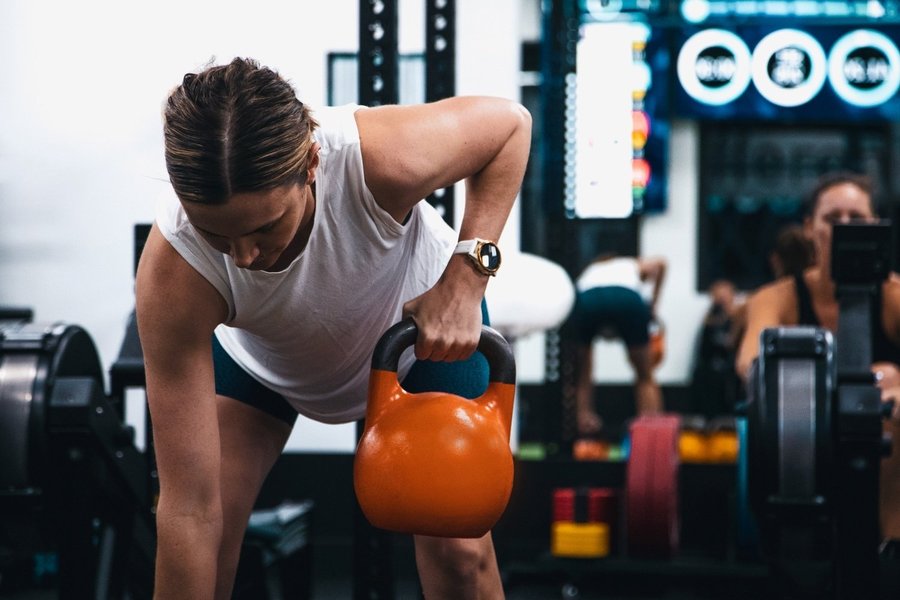
Individuals in a gym setting performing various strength training exercises, showcasing the dedication required for effective muscle building.
Frequently Asked Questions (FAQ)
Can I really build significant leg muscle and strength without squats?
How important is progressive overload in a no-squat program?
What should I do if I experience knee pain during any of the exercises?
Is this program suitable for beginners?
Conclusion
Building a powerful and muscular lower body is entirely achievable even without incorporating traditional squats into your routine. By strategically selecting and executing a diverse range of exercises such as leg presses, Romanian deadlifts, Bulgarian split squats, and various isolation movements, you can effectively target all major leg muscles: quadriceps, hamstrings, and glutes. This 3-day strength training program provides a comprehensive framework, emphasizing compound movements, progressive overload, and adequate recovery to stimulate significant strength gains and hypertrophy. Remember that consistency, proper nutrition, and sufficient rest are just as vital as the exercises themselves. Embrace the versatility of strength training, listen to your body, and commit to the process, and you will undoubtedly achieve your fitness goals.
Recommended Further Exploration
- Explore more effective unilateral leg exercises for balanced strength development.
- Discover optimal warm-up routines to prepare your lower body for intense training.
- Learn about advanced nutritional strategies to maximize muscle recovery and growth.
- Delve into advanced progressive overload techniques to break through plateaus.