
Unlocking Bio-Based Futures: The Vast Scope of 3-HP Fermentation with Engineered Yeast
A deep dive into how metabolic engineering transforms yeast into a powerhouse for sustainable chemical production.
Key Insights into 3-HP Fermentation with Engineered Yeast
- Sustainable Chemical Production: Engineered yeast fermentation of 3-hydroxypropionic acid (3-HP) offers a greener, bio-based alternative to petrochemical processes, reducing environmental impact and reliance on fossil fuels.
- High-Value Platform Chemical: 3-HP serves as a critical precursor for various industrial compounds like acrylic acid, bioplastics, and 1,3-propanediol, driving demand for efficient bio-production.
- Advanced Metabolic Engineering: Significant progress in tailoring yeast metabolism, particularly through pathways like Malonyl-CoA Reductase (MCR) and β-Alanine, has led to record-high yields and titers, showcasing industrial viability.
The Emergence of 3-Hydroxypropionic Acid (3-HP) in the Bioeconomy
3-Hydroxypropionic acid (3-HP) is rapidly gaining prominence as a versatile platform chemical in the burgeoning bioeconomy. Its molecular structure makes it an ideal building block for a wide array of commercially valuable compounds, including acrylic acid, acrylamide, 1,3-propanediol, and various biodegradable polymers. The traditional synthesis of these chemicals heavily relies on petroleum-based processes, which are resource-intensive and contribute significantly to greenhouse gas emissions. In contrast, the biological production of 3-HP through fermentation of engineered yeast offers a compelling, sustainable, and environmentally friendly alternative. This shift aligns with global initiatives to develop circular economies and reduce carbon footprints, positioning yeast-based 3-HP production as a cornerstone of future sustainable manufacturing.
Why Yeast? The Advantages of an Engineered Microbial Host
Yeast, particularly species like Saccharomyces cerevisiae and Pichia pastoris (also known as Komagataella phaffii), stands out as a highly advantageous microbial host for 3-HP fermentation. Their inherent characteristics make them exceptionally suitable for industrial-scale bioprocesses:
Intrinsic Acid Tolerance and Robustness
One of the most significant advantages of yeast is its natural tolerance to low pH environments. 3-HP itself is an acid, and its accumulation during fermentation can inhibit the growth of less tolerant microorganisms, necessitating costly pH neutralization. Yeast's ability to thrive in acidic conditions minimizes the need for neutralizing agents, thereby simplifying downstream processing and significantly reducing overall fermentation costs. Furthermore, yeast exhibits remarkable robustness, tolerating challenging industrial fermentation conditions, including high osmotic pressure and inhibitory compounds often present in biomass hydrolysates.
Genetic Tractability and Established Engineering Tools
Yeast species are highly amenable to genetic manipulation, boasting a comprehensive suite of well-established metabolic engineering tools. This genetic tractability allows for precise modifications to their metabolic pathways, enabling the introduction of novel synthetic routes and the optimization of existing ones for enhanced 3-HP production. Researchers can readily integrate desired genes into the yeast genome, ensuring stable gene expression and high-level enzyme activity over prolonged fermentation periods.
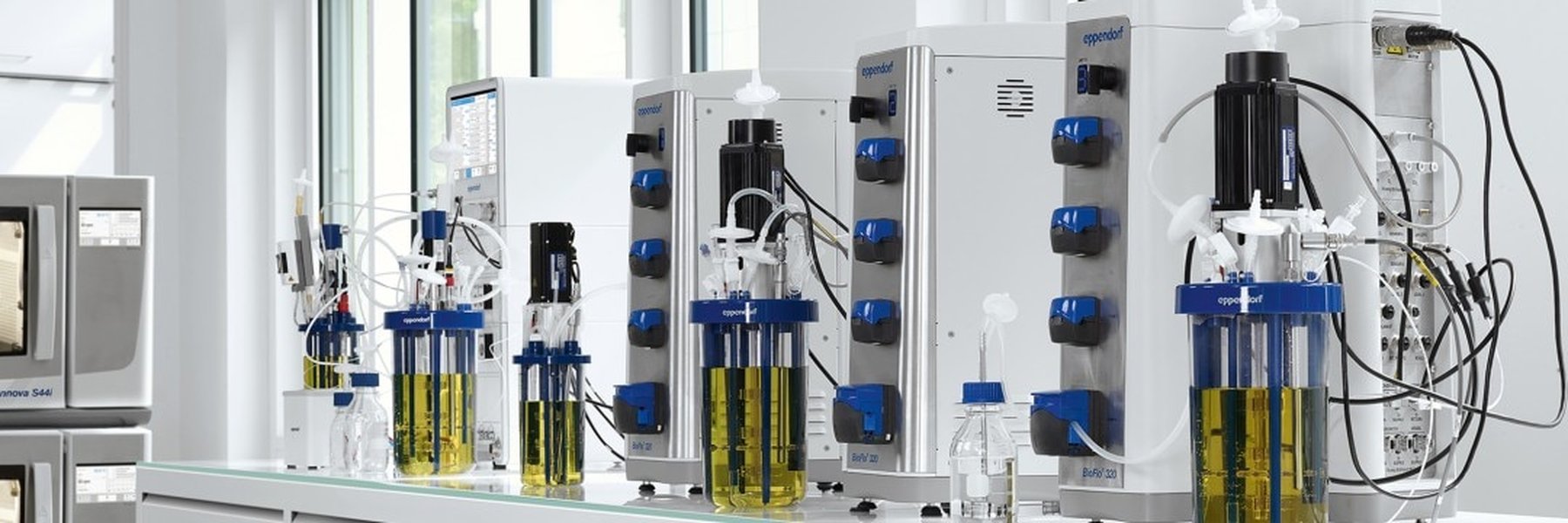
An illustration depicting the process of yeast fermentation in a bioreactor environment.
Versatile Carbon Source Utilization
Engineered yeast strains demonstrate remarkable flexibility in utilizing diverse carbon sources for 3-HP production. While glucose remains a primary feedstock, advancements have enabled the efficient conversion of glycerol and even methanol (particularly with Pichia pastoris). This versatility supports integration with various biorefinery feedstocks, reducing dependence on specific agricultural products and avoiding competition with food crops. The exploration of CO2 fixation strategies also holds promise for further enhancing carbon efficiency and cost-competitiveness.
Revolutionary Metabolic Engineering Pathways for 3-HP Biosynthesis
The core of successful 3-HP fermentation in engineered yeast lies in the intelligent design and implementation of synthetic metabolic pathways. Researchers have primarily focused on two major routes, alongside exploring novel avenues and optimizing existing ones:
The Malonyl-CoA Reductase (MCR) Pathway
The MCR pathway is widely regarded as a highly efficient route for 3-HP production. It involves the conversion of malonyl-CoA, a central metabolic intermediate, directly to 3-HP using the malonyl-CoA reductase enzyme. Key engineering strategies for this pathway include:
Enhancing Precursor and Cofactor Supply:
Overexpression of genes like acetyl-CoA carboxylase (ACC1) and other enzymes involved in acetyl-CoA biosynthesis ensures a robust supply of malonyl-CoA. Simultaneously, engineering cofactor regeneration pathways, particularly for NADPH, is crucial, as MCR is an NADPH-dependent enzyme. Strategies include optimizing glyceraldehyde-3-phosphate dehydrogenase (GAPDH) for NADPH specificity.Promoter Engineering and Biosensors:
Dynamic regulation of gene expression using specific promoters (e.g., HXT1) and the integration of malonyl-CoA biosensors allow for real-time optimization of MCR expression based on intracellular malonyl-CoA concentrations. This fine-tuning prevents metabolic bottlenecks and improves overall pathway efficiency.Genome Integration and High Yields:
Integrating multiple copies of MCR and related genes into the yeast genome ensures genetic stability and high-level enzyme expression. These strategies have resulted in remarkable 3-HP titers, with reported yields as high as 56.5 g/L in fed-batch fermentation using glucose, representing a record-high for engineered microbes.
The β-Alanine Pathway
The β-alanine pathway represents a de novo route for 3-HP synthesis. This pathway involves the conversion of aspartate to β-alanine, which is then transformed into 3-HP. Significant progress in this pathway includes:
Enzymatic Discoveries:
The identification and utilization of novel enzymes, such as β-alanine-pyruvate aminotransferase from Bacillus cereus, have been pivotal in establishing this pathway in yeast.Gene Overexpression:
Overexpression of genes like AAT2, BcBAPAT, EcHPDH, PYC1/2, and aspartate-1-decarboxylase (TcPAND) efficiently channels metabolic flux from pyruvate to aspartate, leading to high 3-HP titers. Reported achievements include 12.2 g/L by deep fermentation and 13.7 g/L by controlled fed-batch fermentation with glucose.
Novel Pathways and Feedstocks
Beyond the established routes, innovative pathways and alternative feedstocks are continuously being explored:
Oxaloacetate Pathway:
A novel oxaloacetate pathway has been successfully established in Saccharomyces cerevisiae, achieving 18.1 g/L of 3-HP. This involved optimizing the expression of pyruvate carboxylase, benzoylformate decarboxylase, and 3-hydroxyisobutyrate dehydrogenase, along with manipulating cytoplasmic energy metabolism.Methanol as Carbon Source:
Pichia pastoris has been engineered to efficiently produce 3-HP from methanol, offering an attractive feedstock that reduces dependence on sugars and avoids competition for agricultural land.CO2 Fixation:
Integrating CO2 fixation mechanisms, such as capturing bicarbonate via acetyl-CoA carboxylation catalyzed by acetyl-CoA carboxylase (Acc1), enhances carbon yield and improves cost-competitiveness. This strategy can significantly boost overall production efficiency.
Mapping the Metabolic Engineering Landscape
The following mindmap illustrates the intricate network of metabolic engineering strategies employed to enhance 3-HP production in engineered yeast. It highlights the key pathways, precursor and cofactor optimizations, and advanced techniques used to achieve high yields and titers.
from Engineered Yeast"] id1["Yeast Advantages"] id2["Acid Tolerance"] id3["Robustness"] id4["Genetic Tractability"] id5["Versatile Carbon Sources"] id6["Glucose"] id7["Glycerol"] id8["Methanol"] id9["CO2 Fixation"] id10["Key Metabolic Pathways"] id11["Malonyl-CoA Reductase (MCR) Pathway"] id12["Precursor Supply (Acetyl-CoA, Malonyl-CoA)"] id13["Cofactor Supply (NADPH)"] id14["Promoter Engineering"] id15["Malonyl-CoA Biosensors"] id16["Beta-Alanine Pathway"] id17["Aspartate Conversion"] id18["Novel Enzymes (BcBAPAT)"] id19["Novel Pathways"] id20["Oxaloacetate Pathway"] id21["Methanol Assimilation Pathway"] id22["Engineering Strategies"] id23["Gene Overexpression"] id24["Pathway Deletion"] id25["Genome Integration"] id26["CRISPR-based Editing"] id27["Mitochondrial Engineering"] id28["Super Yeast Chassis"] id29["Process Optimization"] id30["Fed-Batch Fermentation"] id31["pH Control"] id32["Temperature Regulation"] id33["Aeration"] id34["Commercial & Sustainability Impact"] id35["Reduced Costs (No Neutralization)"] id36["Sustainable Production (Renewable Feedstocks)"] id37["Reduced GHG Emissions"] id38["Scalability to Industrial Volumes"] id39["High Titer/Yields"] id40["Challenges & Future Directions"] id41["Strain Stability"] id42["Intermediate Toxicity"] id43["Lignocellulosic Feedstocks"] id44["Pathway Refinement"] id45["Continuous Fermentation"]
Optimizing Fermentation Conditions and Addressing Challenges
Achieving maximum 3-HP production requires meticulous optimization of fermentation conditions and proactive solutions to common challenges. These factors significantly influence the overall yield and economic viability of the process.
Fermentation Parameters and Control
Optimal fermentation conditions are critical for maximizing 3-HP productivity. These include maintaining specific temperature ranges (e.g., 30 °C), controlling pH (e.g., pH 5.0, often maintained by ammonia addition), and ensuring adequate agitation and aeration. Fed-batch cultivation has proven particularly effective in achieving high titers by precisely controlling substrate concentration and preventing undesirable metabolic overflow. This controlled feeding strategy ensures that yeast cells efficiently convert the carbon source into 3-HP, minimizing byproduct formation.
Addressing Strain Stability and Toxicity
Despite significant progress, challenges such as the instability of engineered yeast strains (e.g., plasmid loss) and the potential toxicity of intermediate compounds like malonate semialdehyde or even 3-HP itself remain areas of active research. Genome integration of relevant genes is a common strategy to ensure stable gene expression over long fermentation runs. Furthermore, developing acid-tolerant yeast strains that can withstand higher concentrations of 3-HP without compromising cell viability is crucial for reducing purification costs and simplifying downstream processing.
The "Super Yeast Chassis" Concept
A promising direction involves developing a "super yeast chassis" by extensively rewiring cellular metabolism. This concept aims to create a highly optimized host organism that provides a sufficient and balanced supply of crucial precursors (like malonyl-CoA) and cofactors (such as NADPH). Such a chassis acts as a robust platform, significantly enhancing the efficiency of 3-HP biosynthesis and pushing yields closer to theoretical maximums.
Performance Benchmarks and Economic Viability
The advancements in engineered yeast for 3-HP fermentation are translating into impressive performance benchmarks, underscoring its growing economic competitiveness against petrochemical routes. The table below summarizes key performance indicators and their impact on commercial feasibility.
| Aspect | Description | Impact on Commercial Viability |
|---|---|---|
| Yield | Up to 0.31 g 3-HP per g glucose (MCR pathway), approaching theoretical maximums. | Higher yields directly reduce feedstock costs and increase overall process efficiency, making bio-production more competitive. |
| Titer | Record-highs of 56.5 g/L in fed-batch fermentation (S. cerevisiae); 18.1 g/L (Oxaloacetate pathway); 11.25 g/L from glucose (general engineering). | High titers simplify downstream processing and reduce capital expenditure for bioreactors, leading to lower production costs. |
| Productivity | Enhanced by optimized pathways, cofactor balancing, and controlled fermentation conditions. | Higher productivity means more product per unit time and volume, improving economic returns and scalability. |
| Acid Tolerance | Yeast's ability to tolerate low pH environments (e.g., pH 5.0). | Minimizes the need for costly neutralization agents during fermentation, simplifies downstream separation, and reduces overall processing costs. |
| Feedstock Flexibility | Ability to utilize glucose, glycerol, methanol, and potential for lignocellulosic biomass and CO2. | Diversifies raw material sources, reduces price volatility, and leverages sustainable, non-food competing resources. |
| Environmental Impact | Reduced CO2 emissions, lower energy consumption, and utilization of renewable resources. | Aligns with global sustainability goals, enhances brand reputation, and can potentially benefit from green incentives. |
The minimum selling price of 3-HP can significantly decrease with increased yield and titer, making it an economically viable bio-based chemical. This competitive edge, combined with the environmental benefits, positions yeast-based 3-HP production as a strong contender in the industrial biochemical landscape.
Deep Dive: The Industrial Application of Yeast
Yeast's robust nature and amenability to genetic engineering make it an ideal candidate for industrial bioproduction. The video below, titled "Industrial applications of the yeast Saccharomyces cerevisiae," provides an excellent overview of how this versatile microorganism is engineered to produce various valuable compounds, including those relevant to the 3-HP discussion. It highlights yeast's capacity for producing enzymes in large quantities, its role in bioplastics, and its contribution to renewable chemical synthesis. This context is crucial for understanding the broader implications of engineering yeast for 3-HP, as it showcases the organism's established industrial utility and the scalability of yeast-based fermentation processes for diverse applications beyond just 3-HP.
A video exploring the diverse industrial applications of Saccharomyces cerevisiae, emphasizing its role in producing various biochemicals and enzymes.
Evaluating the Potential of Engineered Yeast for 3-HP Production
To further illustrate the advancements and future potential of engineered yeast in 3-HP fermentation, the radar chart below visualizes the performance and capabilities across several key metrics. Each axis represents a critical aspect, with higher values indicating greater potential or achievement.
This radar chart illustrates the strong current performance of engineered yeast in 3-HP production, particularly in terms of acid tolerance, process scalability, and sustainability impact. While areas like genetic stability and cost competitiveness are continually improving, the "Future Potential" dataset highlights the ambitious targets and expected advancements, demonstrating the vast scope for further optimization and industrial adoption. The chart underscores that continuous research and development are pushing the boundaries of what is achievable, making 3-HP fermentation an increasingly attractive and viable bio-manufacturing route.
Frequently Asked Questions About 3-HP Fermentation
What is 3-HP used for?
Why is yeast preferred for 3-HP fermentation over bacteria?
What are the main metabolic pathways engineered in yeast for 3-HP production?
What are the economic and environmental benefits of bio-based 3-HP production?
Conclusion
The scope of 3-hydroxypropionic acid (3-HP) fermentation from engineered yeast is expansive and critically important for the transition towards a sustainable bioeconomy. Through continuous advancements in metabolic engineering, process optimization, and strain development, yeast has emerged as a powerful, robust, and cost-effective microbial host. Its inherent acid tolerance, combined with the ability to utilize diverse renewable feedstocks, positions yeast-based 3-HP production as a leading sustainable alternative to traditional petrochemical routes. The increasing titers and yields, coupled with improved genetic stability and enhanced carbon efficiency through strategies like CO2 fixation, underscore the significant commercial viability and environmental benefits of this biotechnological approach. As research continues to refine these processes and overcome remaining challenges, engineered yeast fermentation of 3-HP is poised to play a pivotal role in shaping a greener and more sustainable future for industrial chemical production.
Recommended Further Exploration
- How are advanced metabolic engineering techniques transforming industrial yeast strains?
- What is the specific role of 3-HP as a building block for sustainable bioplastic production?
- What are the primary challenges and innovative solutions in scaling up yeast fermentation processes for industrial chemicals?
- How does the integration of CO2 fixation pathways enhance the carbon efficiency and yields of bio-based chemical production?