
5G and Cancer: What Does The Science Say?
Clarifying Myths and Presenting Research-Based Evidence
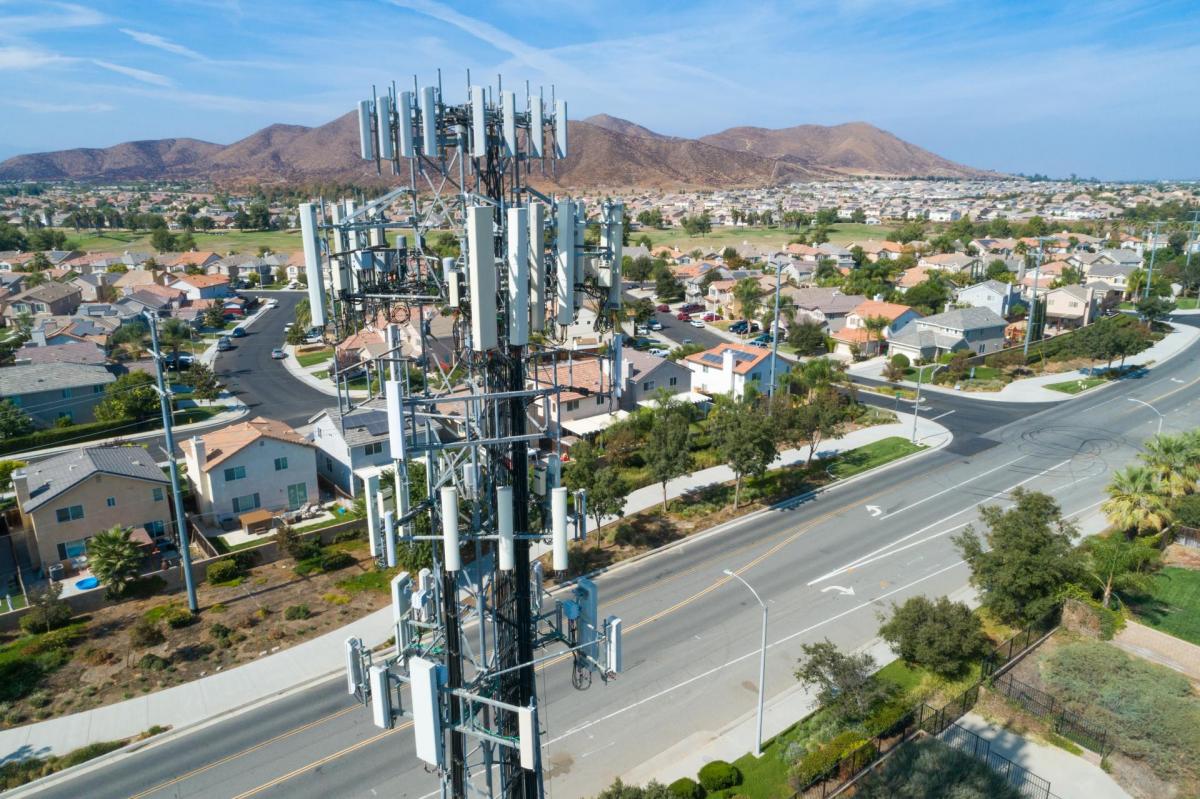
Key Highlights
- Non-Ionizing Radiation: 5G utilizes non-ionizing radiofrequency waves that lack the energy to cause DNA damage.
- Safety Guidelines: Regulatory bodies globally certify that 5G operates well within strict safety limits to protect public health.
- Scientific Consensus: Extensive research consistently finds no conclusive evidence linking 5G exposure to cancer.
Understanding 5G Technology
Fifth-generation (5G) wireless technology represents a significant advancement over previous mobile networks (2G, 3G, 4G). It is designed to improve data transmission rates, network capacity, and the overall quality of wireless communication. The technology achieves this through the use of a broader range of radio frequencies, including frequencies in the sub-6 GHz range as well as higher frequencies in the millimeter wave spectrum.
Unlike ionizing radiation (such as X-rays and ultraviolet light), which carries enough energy to disrupt atomic structures and damage DNA, 5G relies on non-ionizing radiofrequency (RF) energy. This type of energy does not have sufficient power to alter cellular structures directly, making it fundamentally different from harmful radiation types.
Scientific Evidence and Research Findings
1. Radiation Type and Its Biological Impact
One of the most important aspects when discussing 5G’s health implications is understanding the type of radiation it emits. The energy transmitted by 5G devices is non-ionizing, meaning it is not energetic enough to cause ionization—a process that can break chemical bonds in DNA molecules. In contrast, ionizing radiation, such as that from X-rays or nuclear radiation, has been shown to cause genetic mutations which can initiate cancer development.
Extensive scientific research has demonstrated that the RF energy used by 5G technology is similar in nature to that used in previous cellular networks and even common household devices. Epidemiological studies consistently indicate that exposure to non-ionizing radiation, when kept within the exposure limits set by regulatory agencies, does not cause DNA damage or increase the risk of cancer.
2. Regulatory Guidelines and Safety Standards
Bodies such as the International Commission on Non-Ionizing Radiation Protection (ICNIRP) and other national safety agencies have established comprehensive guidelines that dictate safe exposure levels for RF electromagnetic fields. These guidelines are regularly updated in light of ongoing research and technical advances.
5G technology is engineered to operate well within these internationally recognized safety limits. The design and deployment of 5G infrastructure consider both long-term and short-term exposure, ensuring that the RF levels emitted are far below thresholds that could result in adverse health effects.
Regulatory authorities, including the World Health Organization (WHO) and national agencies such as the Federal Communications Commission (FCC), affirm that there is no credible evidence linking RF exposure from 5G networks to any form of cancer when exposure is within the recommended limits.
3. Epidemiological Studies and Health Outcomes
Numerous epidemiological studies have been undertaken to explore any potential associations between mobile phone use and cancer. A variety of large-scale studies dating back over several decades have focused on radiofrequency radiation exposure from mobile networks. Across these studies, the overwhelming consensus is that there is no significant correlation between the use of mobile phones—which employ RF signals similar to 5G—and an increased incidence of cancer.
For example, research conducted in Australia assessed cancer rates in relation to mobile phone usage and found no evidence of a rise in brain cancer incidence. These findings are supported by further investigations, including comprehensive reviews performed by international health organizations, which consistently indicate that increased usage of radiofrequency devices has not led to an observable surge in cancer cases.
4. Theoretical Concerns and Ongoing Research
While the dominant scientific consensus supports the safety of 5G with regard to cancer risk, there are some theoretical discussions in the research literature exploring different mechanisms by which RF energy might influence biological tissues. One such area of discussion involves the possibility that high-frequency RF fields might generate free radicals in skin cells—a process that could, under certain conditions, lead to cellular damage.
However, these hypotheses remain largely speculative and have not been substantiated by robust clinical evidence. Critics point out that natural cellular repair mechanisms and the low energy levels associated with non-ionizing radiation offer critical protection, preventing these theoretical risks from manifesting as tangible health concerns. Research in this area remains ongoing, particularly focusing on long-term exposure scenarios and potential impacts on populations with extensive RF exposure, such as heavy mobile device users.
5. Comparison with Other Electromagnetic Exposures
It is also instructive to compare 5G technology with other common sources of non-ionizing RF radiation. Everyday devices such as microwave ovens, Wi-Fi routers, and Bluetooth-enabled gadgets also operate at non-ionizing frequencies. Despite their ubiquitous presence, there is no conclusive evidence to suggest these devices either contribute to cancer or pose significant long-term health risks.
The degree of exposure that an individual experiences from these household devices is carefully considered by health and safety organizations, ensuring that the emissions are within well-established limits. Consequently, the body of evidence suggests that if such devices are safe under current usage conditions, then 5G, which operates on similar principles, is also safe.
Exploring the Data: A Technical and Comparative Breakdown
Technical Specifications and Frequency Ranges
One common point of misunderstanding stems from the assumption that all types of radiation are inherently dangerous. It is important to differentiate between ionizing and non-ionizing radiation. The table below provides an overview of key differences:
| Radiation Type | Energy Levels | Potential for DNA Damage | Examples |
|---|---|---|---|
| Ionizing Radiation | High | Yes | X-rays, Gamma Rays, Ultraviolet Light |
| Non-Ionizing Radiation | Low to Moderate | No | Radiofrequency (RF), Microwaves, Visible Light |
The frequencies used by 5G, even when operating at higher bands such as millimeter wave frequencies, remain within the non-ionizing portion of the electromagnetic spectrum. This is crucial because only ionizing radiation has sufficient energy to break chemical bonds and potentially lead to carcinogenesis.
Safety Guidelines and Scientific Oversight
One of the primary mechanisms by which public health is safeguarded is through the implementation of strict safety guidelines. Agencies responsible for public health worldwide have set exposure limits that are based on decades of research and experimental data. For instance, the guidelines set out by international organizations ensure that even cumulative exposure to non-ionizing RF radiation from devices like 5G remains at levels that present only minimal risk.
Additionally, these guidelines are continually revised to incorporate new data as it becomes available, ensuring that safety standards remain robust and up to date. This ongoing surveillance and evaluation further cement the consensus that 5G, when used in accordance with established international standards, does not pose a cancer risk.
Research Studies, Reviews, and Scientific Consensus
A voluminous body of research has examined the health effects of RF radiation. Systematic reviews and meta-analyses have consistently looked at epidemiological data, animal studies, and experimental research. The vast majority of these investigations reach similar conclusions: there is no causal link between exposure to RF radiation—whether from 5G or previous mobile technologies—and the development of cancer.
For example, several national and international research projects have explored the long-term effects of RF exposure on human health. Despite the rapid proliferation of mobile technology, there has been no corresponding spike in cancer rates attributable to RF exposure. This observation is particularly significant given the dramatic increase in mobile and wireless technology usage over recent decades, which provides a strong empirical basis for the safety of these devices.
Addressing Public Concerns and Misinformation
The advent of 5G has not only brought technological advancements but has also spurred misinformation and public anxiety. Claims that 5G may cause cancer have circulated widely, often without a foundation in scientific evidence. Addressing these concerns is critical for public understanding.
Public health organizations and independent scientific bodies have actively worked to debunk myths and clarify that many of these fears are based on misunderstandings of the type and intensity of radiation emitted. They emphasize that while robust research is ongoing, the prevailing scientific consensus is that the operational conditions and exposure levels associated with 5G pose no discernible health risk.
Extended Analysis: Research Gaps and Future Considerations
Emerging Research Areas
Although current studies provide overwhelming support for the safety of 5G with respect to cancer risk, scientists continue to explore potential biological effects with growing technological advancements. A particular area of focus is the potential impact of cumulative exposure over extended periods, particularly in young populations who are likely to have prolonged exposure over a lifetime.
Researchers are investigating the hypothetical mechanisms by which any form of RF energy could interact with biological tissues beyond the established non-ionizing effects. These studies are designed to either reinforce the current safety standards or identify if any subtle effects exist that might require adjustments to exposure guidelines.
Comparative Risk Analysis
In public health, it is common practice to compare risks to contextualize potential hazards. When the risks of 5G-induced cancer are compared with those from other everyday exposures—such as cooking smoke, environmental pollutants, or even lifestyle factors like diet and exercise—it becomes apparent that the relative risk posed by 5G is negligible.
Below is a table that compares the general risk factors for cancer:
| Risk Factor | Impact Level | Common Sources |
|---|---|---|
| Ionizing Radiation | High | X-rays, Nuclear Materials |
| Non-Ionizing RF Radiation (5G) | Negligible (within guidelines) | 5G Networks, Mobile Phones |
| Chemical Carcinogens | Variable | Cigarette Smoke, Industrial Pollutants |
| Lifestyle Factors | Moderate to High | Diet, Physical Inactivity |
This comparison underscores that among various factors, the non-ionizing radiation from 5G does not rank as a significant risk, especially when compared with more established carcinogenic exposures.
Policy Implications and Future Regulation
The ongoing use and expansion of 5G technology have important policy implications. Governments and regulatory bodies continuously monitor scientific research to update exposure guidelines if necessary. This dynamic process ensures that public health measures are aligned with the most current scientific data.
Future regulations may incorporate even more refined exposure standards as new technologies emerge and as additional research elucidates the nuances of RF exposure. However, based on current evidence, the risks associated with 5G remain well within established safe limits.
Conclusion
In summary, the assertion that "5G causes cancer" is not supported by robust scientific evidence. 5G operates using non-ionizing radiation, which, by its nature, lacks the energy required to induce the DNA damage that can lead to cancer. Numerous scientific studies, comprehensive epidemiological research, and the consensus among international health agencies all affirm that the exposure levels encountered under normal usage conditions are far below harmful thresholds.
Additionally, the stringent safety guidelines enforced by regulatory bodies such as the ICNIRP, WHO, and FCC serve as a robust safeguard, ensuring that 5G technologies are safe for public use. While there have been theoretical discussions about potential biological interactions, these remain unsubstantiated within the current framework of research and are outweighed by the extensive evidence verifying the safety of non-ionizing RF radiation.
It is also important to address the widespread misinformation circulating online. While the rapid rollout of 5G has coincided with various unfounded claims linking it to cancer and other health risks, the overwhelming majority of credible research indicates that such claims are not based on scientific truths. Public health agencies continue to monitor emerging research, ensuring that any future risks are promptly addressed, but as of now, the consensus is clear: 5G technology, when deployed and operated within the established safety parameters, does not cause cancer.
In the landscape of evolving technology and communication, it is critical to rely on rigorous scientific inquiry and evidence-based guidelines when assessing potential risks. The case of 5G demonstrates the importance of separating myths from facts, ensuring that accurate information guides both public opinion and policy decisions.
References
- I Heard That the New 5G Technology Can Cause Cancer? - Cancer Council Australia
- Cell Phones and Cancer Risk Fact Sheet - National Cancer Institute
- 5G & Health - 5G Americas
- Do Cell Phone Towers Cause Cancer? - American Cancer Society
-
Scientific Evidence on 5G and Cancer - PMC
- 5G Mobile Networks and Health: A Scientific Review - Nature
Recommended Queries for Further Exploration
Last updated February 26, 2025