
Comprehensive Lesson Plan: Adverbs of Frequency in Present Simple for A1 ESL Adults
Empowering Everyday Conversations through Engaging Speaking Activities
Key Takeaways
- Master Adverbs of Frequency: Students will confidently use adverbs like always, usually, often, sometimes, rarely, and never in their daily conversations.
- Enhance Speaking Fluency: Through structured speaking activities, students will improve their ability to discuss daily routines and personal habits.
- Grammar Integration: Proper placement of adverbs in present simple sentences will be emphasized, ensuring grammatical accuracy.
Lesson Overview
Level: A1 (Beginner)
Topic: Adverbs of Frequency in Present Simple
Focus: Speaking (90%)
Duration: 60 minutes
Materials: Whiteboard, markers, flashcards with daily activities, realia (e.g., clock, toothbrush), handouts with adverbs of frequency, and printed daily routine images.
Learning Objectives
- Understand and correctly use adverbs of frequency in present simple sentences.
- Describe personal daily routines and habits using appropriate adverbs of frequency.
- Engage in interactive speaking activities to reinforce the use of adverbs of frequency.
- Improve grammatical accuracy in sentence construction involving adverbs of frequency.
Materials Needed
- Whiteboard and markers
- Flashcards depicting daily activities (e.g., waking up, brushing teeth, eating breakfast)
- Realia such as a clock and toothbrush
- Handouts listing adverbs of frequency with definitions and example sentences
- Printed images representing various daily routines
Lesson Procedure
1. Warm-Up (10 minutes)
Begin the lesson with a friendly greeting to set a comfortable atmosphere. Engage students with simple questions about their daily routines to activate prior knowledge.
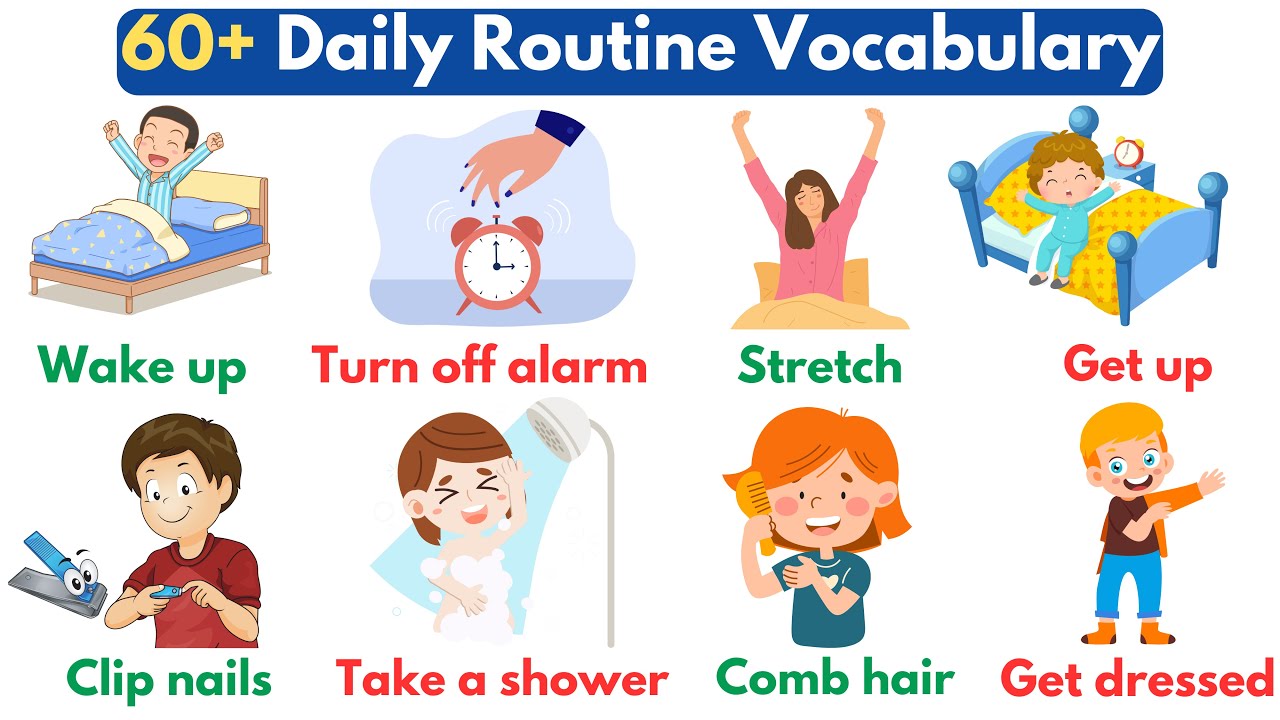
- Activity: Show pictures of different daily activities and ask students to name them.
- Example Questions:
- "What do you do every morning?"
- "Do you always have breakfast?"
- Purpose: To elicit vocabulary related to daily routines and introduce the concept of discussing frequency.
2. Introduction to Adverbs of Frequency (15 minutes)
Introduce the adverbs of frequency by placing them on a frequency scale. Use gestures and examples to demonstrate their meanings.
- Activity: Draw a frequency line on the whiteboard ranging from "Always (100%)" to "Never (0%)".
- Adverbs to Introduce: Always, Usually, Often, Sometimes, Rarely, Never.
- Example Sentences:
- "I always drink coffee in the morning."
- "She never eats pizza for breakfast."
- Gestures: Use consistent gestures (e.g., a wide arm movement for "always" and a closed fist for "never") to reinforce understanding.
3. Grammar Explanation (10 minutes)
Focus on the placement of adverbs of frequency in present simple sentences. Provide clear examples to illustrate their correct positioning.
- Placement Rules:
- Adverbs of frequency are placed before the main verb: "I usually wake up at 7 AM."
- After the verb "to be": "She is always on time."
- In negative sentences, adverbs follow "don't/doesn't": "He doesn't often watch TV."
- Interactive Practice: Write example sentences on the board and ask students to identify the adverbs and their positions.
4. Controlled Practice (15 minutes)
Engage students in structured activities to practice using adverbs of frequency in sentences.
- Activity: Sentence Completion Game
- Instructions:
- Provide incomplete sentences and ask students to fill in the blanks with appropriate adverbs of frequency.
- Examples:
- "I ________ (always) brush my teeth before bed."
- "They ________ (sometimes) go to the gym."
- Peer Correction: Encourage students to work in pairs to complete the sentences and check each other's work.
- Feedback: Provide positive reinforcement and correct any mistakes gently.
5. Personalized Practice (20 minutes)
Allow students to apply what they've learned by discussing their personal daily routines using adverbs of frequency.
- Activity 1: Describe Your Routine
- Instructions:
- Ask students to talk about their daily schedules using the target adverbs.
- Provide prompts such as:
- "What do you always do in the morning?"
- "How often do you exercise?"
- Activity 2: Interview Style
- Instructions:
- Pair students and have them ask each other "How often...?" questions about their routines.
- Example Questions:
- "Do you usually have lunch at home?"
- "How rarely do you travel?"
- Encourage them to respond and ask follow-up questions to promote conversation.
- Monitoring: Circulate the room to listen, provide assistance, and ensure correct usage of adverbs.
6. Interactive Speaking Activities (10 minutes)
Incorporate fun and engaging activities to reinforce the lesson's objectives.
- Activity: "Find Someone Who..." Game
- Instructions:
- Prepare a list of statements using different adverbs of frequency, such as:
- "Find someone who always eats breakfast."
- "Find someone who rarely watches TV."
- Students move around the room asking classmates to find individuals who match the statements.
- This promotes interaction and practical usage of adverbs.
- Prepare a list of statements using different adverbs of frequency, such as:
- Purpose: To encourage students to speak with multiple partners and practice their speaking skills in a dynamic setting.
7. Wrap-Up and Recap (10 minutes)
Conclude the lesson by reviewing key points and ensuring students have grasped the material.
- Activity: Quick Quiz
- Instructions:
- Ask students questions to review adverbs of frequency and their placement in sentences.
- Example Questions:
-
"Where do we place adverbs of frequency in a sentence?"
-
"Can you give an example of a sentence using 'sometimes'?"
-
- Homework Assignment: Write five sentences about your daily routine using different adverbs of frequency.
- Final Thoughts: Encourage students to use adverbs of frequency in their daily conversations to reinforce learning.
Supplementary Materials
Adverbs of Frequency Table
| Adverb | Frequency | Example Sentence |
|---|---|---|
| Always | 100% | I always wake up at 6 AM. |
| Usually | 75% | She usually has tea in the afternoon. |
| Often | 50% | They often go to the gym after work. |
| Sometimes | 25% | We sometimes watch movies on weekends. |
| Rarely | 5% | He rarely eats fast food. |
| Never | 0% | I never skip breakfast. |
Conclusion
This lesson plan is meticulously designed to enhance the speaking skills of A1 level ESL adult students by focusing on the correct usage of adverbs of frequency within the present simple tense. By integrating engaging activities such as the "Find Someone Who..." game and personalized speaking exercises, students are encouraged to actively participate and apply their knowledge in real-life contexts. The structured approach ensures that grammatical accuracy is maintained while fostering a comfortable environment for learners to express their daily routines and habits confidently.
References
Last updated January 27, 2025