
Navigating the Digital Tides: The Foremost Challenge for Academic Libraries in Electronic Resource Access
Unpacking the critical financial, technological, and ethical dilemmas facing academic libraries and how librarians are poised to conquer them.
Key Insights into the Future of Electronic Resources
- Escalating Costs and Shifting Models: The primary challenge is the rapid increase in subscription costs for electronic resources, coupled with a transition from perpetual ownership to less stable subscription-based access, straining library budgets and long-term collection sustainability.
- Digital Transformation and User Expectations: Libraries face immense pressure to continuously invest in robust digital infrastructure and platforms to meet user demands for seamless, intuitive, and 24/7 access, mirroring commercial online experiences.
- Strategic Preparedness for Librarians: Electronic resource librarians must develop advanced skills in negotiation, data analytics, technology management, and advocacy for open access, while actively promoting information literacy and addressing digital equity.
As of today, June 2, 2025, the most pressing issue concerning the future of accessing electronic resources in academic libraries is the **overwhelming financial burden imposed by escalating costs and the widespread shift from perpetual ownership to subscription-based access models.** This fundamental change in licensing profoundly impacts libraries' ability to maintain comprehensive, reliable, and sustainable collections, forcing difficult choices and posing significant long-term challenges for intellectual access and preservation.
This challenge is not isolated but rather deeply interwoven with the broader landscape of digital transformation, evolving user expectations, and complex technological demands. Libraries are grappling with tighter budgets while the demand for and cost of digital scholarly materials—including journals, databases, and e-books—continue to soar. This often necessitates strategic responses, such as aggressive negotiations with publishers and a reevaluation of expensive "big deals," potentially leading to a greater reliance on resource-sharing agreements.
The Core Challenges of Electronic Resource Access
The transition to subscription-based models, often favored by publishers to maximize revenue, creates instability. Libraries face the risk of losing access to vital content if budgets falter or agreements expire. This affects not only current students and researchers but also the long-term preservation of scholarly records and the institutional control over resources.
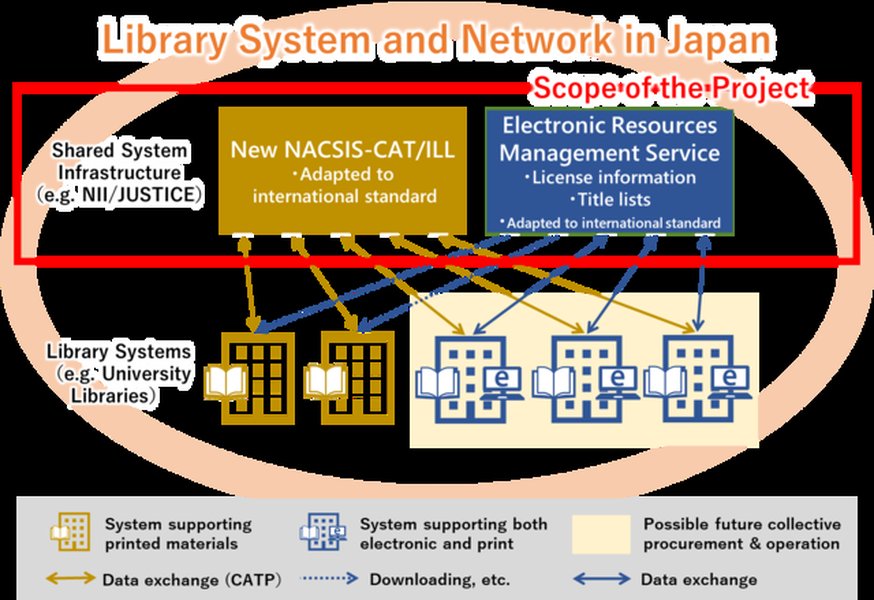
A modern academic library's digital interface, illustrating the ongoing digital transformation in resource access.
Financial Pressures and Licensing Complexities
The continuous rise in subscription fees for digital content directly impacts library budgets. This necessitates librarians to become adept negotiators, seeking more favorable terms and exploring alternative purchasing models. The shift away from perpetual licenses for e-books further complicates collection development, turning what was once a one-time purchase into a recurring expenditure with no long-term ownership guarantee.
Digital Transformation and Infrastructure Demands
While an opportunity, the digital revolution requires substantial and ongoing investment in digital infrastructure. Libraries must ensure robust platforms, sufficient bandwidth for remote access, and sophisticated discovery systems to meet the growing demand for digital resources. This includes everything from proxy server maintenance to the seamless integration of various digital tools.
Evolving User Expectations and Accessibility
Today's users anticipate instant, intuitive, and mobile-friendly access to digital content, comparable to commercial online services. Academic libraries must continuously enhance user experience, ensuring resources are easily discoverable and accessible to all, including individuals with disabilities. This calls for adherence to accessibility regulations and the implementation of user-friendly interfaces and support services.
Copyright and Preservation Dilemmas
Copyright laws, while protective of creators, can impose restrictions on academic use, especially as more courses move online. Librarians are challenged to educate users on fair use and advocate for more flexible copyright frameworks. Furthermore, the preservation of digital materials presents unique complexities, requiring specialized strategies and systems to ensure long-term availability, regardless of licensing changes or technological obsolescence.
Vendor Consolidation and Limited Options
A trend of consolidation within the library technology sector has led to fewer competitors and product options, particularly for library management systems. This can limit libraries' leverage in negotiations and their ability to customize solutions that perfectly fit their unique needs.
The Electronic Resource Librarian: A Pivotal Role in the Digital Future
Electronic Resource Librarians (ERLs) are at the forefront of addressing these challenges. Their multifaceted role encompasses managing and troubleshooting online resources, negotiating licensing agreements, acquiring materials, establishing public access, assisting patrons, and analyzing usage statistics. To effectively navigate the future, ERLs must cultivate a diverse skill set.
Core Competencies for the Modern ERL
This mindmap illustrates the critical areas of expertise and action for Electronic Resource Librarians preparing for the future.
Developing Strong Negotiation and Budget Management Skills
Given the pervasive financial constraints, ERLs must be adept at negotiating licensing agreements to secure the best possible terms and optimize resource allocation. This involves exploring diverse access models and advocating for fair pricing structures.
Embracing Open Access (OA) and Open Educational Resources (OERs)
Actively promoting and integrating open access scholarly works and OERs can significantly alleviate rising subscription costs and foster equitable information access. ERLs should stay informed about OA policies and advocacy efforts.
Mastering Electronic Resource Management (ERM) Systems and Best Practices
A deep understanding of integrated library systems (ILS) is crucial for managing the entire lifecycle of electronic resources, from acquisition and collection development to access setup and maintenance. Proficiency in discovery layers and A-Z database lists also enhances user experience.
Enhancing Technical Proficiency and Troubleshooting Skills
ERLs are responsible for the daily operation of electronic resources, which includes OpenURL management, proxy server maintenance, and resolving access issues. Strong computer skills and the ability to leverage technical support are indispensable.
Becoming Proficient in Data Analysis
Analyzing usage statistics (e.g., COUNTER reports, turnaways) is vital for understanding patron needs, evaluating resource effectiveness, and making informed collection development decisions. This data-driven approach helps anticipate future trends and justify expenditures.
Advocating for Information Literacy and Copyright Education
ERLs should proactively educate faculty and students on information literacy, ethical information use, and copyright/fair use principles, especially in the context of expanding online learning environments.
Collaborating and Sharing Expertise
Engaging with professional communities, such as the ALA's Electronic Resources Librarians community, facilitates the sharing of best practices, discussions on emerging trends, and collaborative problem-solving.
Exploring and Implementing Emerging Technologies
Staying abreast of new technologies, including artificial intelligence (AI) and smart lockers, is essential. While AI introduces ethical and legal considerations, it also offers potential for enhancing search, recommendation, and metadata extraction. Smart lockers can support laptop loan services, addressing accessibility and digital equity.
Focusing on User Experience and Accessibility
Libraries must ensure electronic resources are easily discoverable and accessible to all users, including those with disabilities. This involves creating user-friendly interfaces, providing various support channels, and adhering to accessibility regulations.
This radar chart visually compares the current readiness of Electronic Resource Librarians with the imperative skills needed for the future, highlighting areas requiring further development.
Strategic Preparedness: A Holistic Approach
To effectively prepare for the evolving landscape of electronic resource access, academic libraries, led by their electronic resource librarians, must adopt a comprehensive and proactive approach. This involves not only reactive problem-solving but also foresight and strategic planning.
Robust Policies and Workflows
Developing detailed policies for the acquisition, evaluation, renewal, and cancellation of electronic resources is crucial. This includes using checklists and best practices to assess vendor agreements for long-term viability and flexibility, particularly regarding automatic renewals or restrictive access terms. Standardizing processes through synthesized policy statements helps avoid disruptions caused by fluctuating subscription models.
Digital Asset Management and Preservation
To counter the risk of losing access to subscribed resources, libraries must prioritize strategies for preserving digital materials. This involves adopting tools for archiving and migrating content, as well as fostering partnerships with digital repositories. Integrating emerging technologies like AI can help manage and preserve resources more efficiently, ensuring continuous access even if subscriptions lapse.
This video, "E-Resources Librarianship for Beginners," provides a foundational overview of the complex and continuous e-resources lifecycle. It highlights the challenges new e-resources librarians face in managing this dynamic environment and underscores the importance of systematic approaches to ensure consistent access and usability. The video is relevant because it frames the core responsibilities of an ERL, which are directly impacted by the primary issue of escalating costs and shifting access models, requiring robust management strategies.
Promoting Equity and Accessibility
Efforts to close the digital divide are paramount, ensuring that electronic resources are accessible to all users, including those with disabilities or from underrepresented groups. This means implementing user-focused roadmaps, such as developing secure reader applications or improving discovery systems, to make resources more inclusive. Advocating for affordable pricing models and exploring open-access options can further mitigate financial strain and support equitable access.
Monitoring and Adapting to Emerging Trends
Librarians must stay informed about new trends and technologies, such as AI integration and the growth of digital collections. Regularly reviewing library systems reports and attending professional events can help benchmark practices and adapt workflows accordingly. Tracking new contracts and installations of library management systems guides decisions on adopting tools that enhance access reliability.
Advocacy for Institutional and Policy Changes
Electronic resource librarians should actively engage in advocacy at the institutional level, pushing for stable funding and strategic responses to vendor practices. This includes working with university administrations to negotiate better terms and supporting initiatives for open-access publishing. Such actions are crucial for securing the necessary resources and policy frameworks to address evolving e-resource challenges.
Summary of Challenges and Solutions
The following table summarizes the key challenges faced by academic libraries in accessing electronic resources and the corresponding preparation strategies for electronic resource librarians:
| Challenge | Description | Preparation Strategies for ERLs |
|---|---|---|
| Escalating Costs & Shifting Models | Increased subscription fees and transition from perpetual ownership to less stable subscription-based access, straining budgets and long-term sustainability. | Develop strong negotiation and budget management skills; advocate for fair pricing and explore alternative access models. |
| Digital Transformation & Infrastructure | Continuous investment needed in robust digital infrastructure, platforms, and services to meet growing demand for digital resources. | Master ERM systems and best practices; enhance technical proficiency and troubleshooting skills; explore automation tools. |
| Evolving User Expectations | Demand for seamless, intuitive, 24/7 access to digital content, comparable to commercial online services. | Focus on user experience and accessibility; provide clear guidance and support on accessing e-resources. |
| Copyright & Preservation | Restrictive copyright laws for educational use and complex challenges in preserving digital records. | Advocate for information literacy and copyright education; focus on digital asset management and preservation strategies. |
| Vendor Consolidation | Fewer competitors and product options in the library technology sector, limiting negotiation leverage and customization. | Collaborate and share expertise within professional communities; participate in strategic planning. |
| Digital Divide & Accessibility | Ensuring equitable access to resources for all users, including those with disabilities or limited technology access. | Address equity and accessibility through universal design principles; support device lending programs. |
| Complexity of ERM | The intricate lifecycle of selection, acquisition, description, discovery, and renewal of electronic resources. | Develop advanced skills in license negotiation and data analytics; stay current with DRM and open access policies. |
Frequently Asked Questions (FAQ)
What is the "digital divide" in academic libraries?
What is "Open Access" and why is it important for academic libraries?
How does Artificial Intelligence (AI) impact electronic resource access in libraries?
What are "big deals" in the context of library subscriptions?
Conclusion
The future of electronic resource access in academic libraries hinges on addressing the twin challenges of escalating costs and the widespread adoption of subscription-based models. This financial pressure, combined with the demands of continuous digital transformation and evolving user expectations, creates a complex environment. Electronic resource librarians are indispensable in navigating these challenges. By developing advanced negotiation skills, embracing open access, mastering ERM systems, leveraging data analytics, and advocating for user-centered and equitable access, ERLs can ensure that academic libraries remain vital, accessible, and sustainable hubs for knowledge and research in the digital age. Their proactive engagement and strategic planning are critical for maintaining the relevance and effectiveness of library services.
Recommended Searches
- Impact of open access on library budgets
- Strategies for negotiating electronic resource licenses
- Future of academic library technology infrastructure
- Role of AI in electronic resource management