
Understanding Key Aspects of Academic Performance and Student Experience
A comprehensive synthesis of factors defining academic success and student involvement
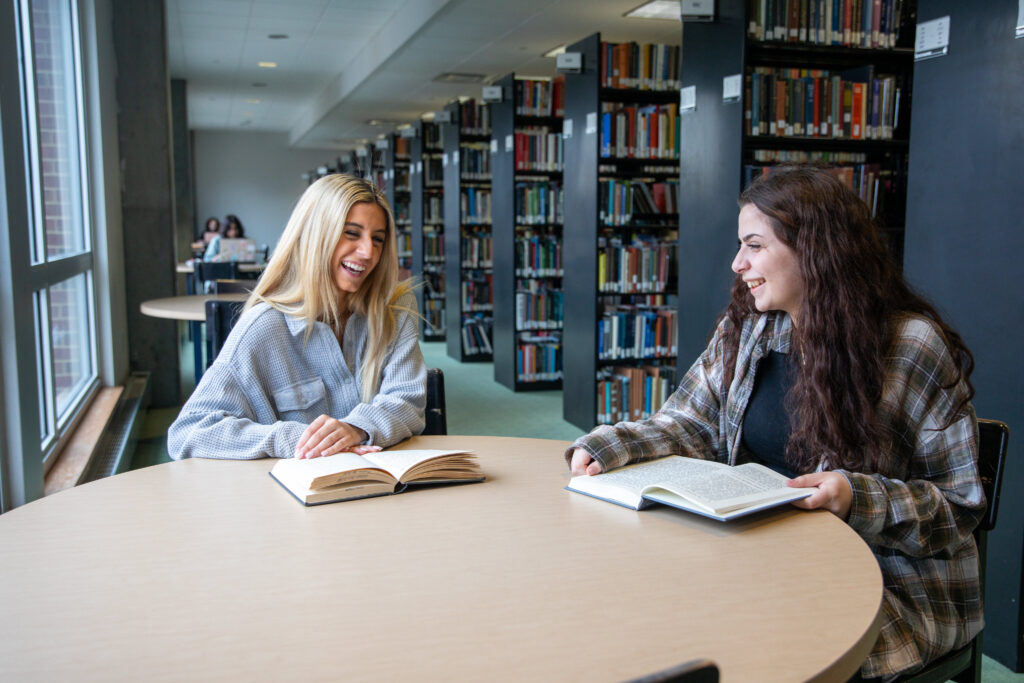
Highlights
- Holistic Personal Development: Emphasizes the role of personal factors such as self-management, motivation, mental health, and lifestyle choices in academic outcomes.
- Engagement and Learning Environment: Illustrates how supportive environments along with active engagement and access to resources foster both academic excellence and enriching student experiences.
- Balanced Integration: Combines the benefits of effective study habits and extracurricular activities, showing their synergy in promoting well-rounded student success.
Overview
Defining the key aspects related to academic performance and student experience involves understanding the multifaceted nature of learning. The landscape of academic success extends beyond simply achieving high grades or passing examinations. It intertwines effective study techniques, personal growth, supportive learning environments, and extracurricular engagements, all of which contribute to a student’s overall development. This comprehensive synthesis explores essential factors, including academic performance, student engagement, self-efficacy, personal factors, learning environments, extracurricular activities, and psychological aspects, to provide a detailed explanation of how these elements interact.
Detailed Factors Defining Academic Performance
Academic Performance Metrics
Academic performance is generally measured using various metrics such as grades, GPA, standardized test scores, and qualitative assessments. These indicators, however, only capture part of a student’s achievements. A deeper look reveals that academic performance is also influenced by the individual’s approach to learning, their persistence in overcoming challenges, and the support systems available to them.
Key Terms and Definitions
1. Self-Management and Self-Efficacy
Self-management involves a student’s ability to organize their time, set priorities, and maintain discipline in their studies. Self-efficacy, on the other hand, is the belief a student has in their capability to succeed academically. Together, these traits support resilience and the motivation to pursue challenging goals. Studies have consistently shown that high self-efficacy boosts a student’s persistence and overall performance. These qualities are essential not only for academic tasks but also for lifelong learning and personal development.
2. Study Habits and Time Management
Effective study habits contribute significantly to academic success. Establishing a structured routine can ensure that a student dedicates ample time for learning, revision, and understanding new concepts. These habits, when combined with time management strategies, enable students to balance academic responsibilities with other life activities, reducing stress and enhancing performance.
3. Motivation and Engagement
Motivation is the internal drive that leads students to invest energy into their studies. It is the fuel behind persistence when confronting obstacles. Engagement extends this idea by encompassing a student’s involvement in class activities, interaction with peers, and participation in discussions. When students are truly engaged, academic concepts are internalized more effectively, and learning becomes an active process rather than a passive reception of information.
4. Prior Knowledge and Skills
A student's background, including previously acquired knowledge and skills, plays a crucial role in how they assimilate new information. Prior education and prior exposure to critical thinking concepts can streamline the learning process, making it easier to grasp complex subjects. In academic research, this element has been linked to better retention of new content and a more robust understanding of advanced material.
5. Psychological and Lifestyle Factors
The psychological components of academic performance include mental health, self-esteem, coping mechanisms, and overall emotional stability. Balanced routines that include adequate sleep, proper nutrition, exercise, and stress management practices contribute significantly to cognitive performance. When students manage their mental well-being alongside academic demands, they are better equipped to face challenges and remain productive.
6. Socioeconomic and Environmental Variables
Socioeconomic background can greatly affect academic performance. Students from supportive communities with access to quality education tend to perform better academically. Environmental factors such as class size, the availability of academic resources, and even the physical layout of learning spaces influence the effectiveness of teaching and learning processes. A conducive educational atmosphere fosters concentration and a positive attitude towards learning.
Student Experience and Broader Educational Factors
Foundations of a Positive Student Experience
Beyond the metrics of academic performance, the overall student experience encapsulates a range of factors that contribute to the holistic development of an individual. The student experience is enriched by a nurturing environment, opportunities for interactive learning, and the presence of supportive relationships among peers and educators.
1. Supportive Environment and Community
A supportive environment can significantly influence both academic achievement and personal growth. This encompasses not only physical resources such as libraries and study centers, but also emotional and intellectual support from teachers, mentors, and peers. A vibrant community encourages collaboration and fosters a culture of shared success, deepening engagement and reducing feelings of isolation.
2. Accessibility to Academic Resources
Access to reliable academic resources is paramount to effective learning. This includes availability of textbooks, online materials, tutoring programs, and technology-based learning tools. When students have the necessary resources at their fingertips, they can better understand and assimilate complex course material, paving the way for improved academic outcomes.
3. Extracurricular Activities and Social Interactions
Participation in extracurricular activities such as sports, clubs, and student organizations enhances the student experience by building social skills, encouraging teamwork, and providing avenues for practical application of theoretical knowledge. These activities also cultivate a sense of balance and help alleviate academic stress, contributing to overall well-being.
4. Feedback and Continuous Improvement
Regular feedback is essential for both academic performance and personal growth. Establishing channels for student feedback through surveys, course evaluations, and one-on-one interactions empowers institutions to continuously refine teaching methods and resources. This iterative process helps create a learning environment that adapts to the evolving needs of students.
5. Career Readiness and Real-World Connections
Integrating real-world applications into academic curricula can greatly enhance a student’s learning experience. When course material is linked to practical examples, internships, or industry projects, students perceive a clear relevance between theory and practice. This connection not only motivates students to excel but also equips them with the skills needed in their future careers.
Organized Overview Through a Comprehensive Table
| Aspect | Description | Impact on Student Performance |
|---|---|---|
| Self-Management and Self-Efficacy | Ability to organize study time and belief in one’s capability. | Enhances persistence, focus, and adaptability in academic tasks. |
| Study Habits and Time Management | Development of routines, planning, and prioritizing learning activities. | Improves retention and understanding of course material, reduces stress. |
| Motivation & Engagement | Internal drive to learn and active participation in class activities. | Directly correlates with increased learning, creativity, and academic success. |
| Prior Knowledge and Skills | Existing familiarity with subject matter and related competencies. | Speeds up the learning process; aids in grasping complex topics. |
| Psychological and Lifestyle Factors | Mental health, proper nutrition, exercise, and sleep habits. | Improves concentration, reduces anxiety, enhances classroom performance. |
| Socioeconomic & Environmental Factors | Family background, community support, and quality of educational resources. | Creates opportunities and ensures equitable access to learning, which supports overall achievement. |
| Supportive Environment & Community | Peer relationships, teacher support, and inclusive campus culture. | Builds confidence, fosters collaboration, and reduces academic isolation. |
| Extracurricular Activities | Participation in sports, clubs, arts, and community service. | Provides practical applications for academic theories and improves social integration. |
| Feedback Mechanisms | Surveys, course evaluations, and mentoring programs. | Encourages responsive teaching and continuous course improvement. |
| Career Readiness | Integration of real-world applications, internships, and industry projects. | Bridges the gap between academic theory and practical skills necessary for professional success. |
Integrative Insights
The factors outlined above reveal an interdependence in achieving academic excellence. Self-management and effective study habits foster a high-performing academic mind, while the engagement in extracurricular activities provides an outlet for creativity and resilience. A crucial realization is that a supportive and resource-rich environment amplifies these individual efforts by removing barriers to access and facilitating continuous feedback. For example, students who manage their time efficiently and maintain strong self-efficacy are typically more engaged in class discussions and proactive when it comes to seeking additional resources. This positive cycle is further enhanced when the learning environment actively supports mental health and promotes interactive learning strategies.
Importantly, an emphasis on career readiness ensures that academic pursuits are not isolated experiences but are connected to real-world applications. By aligning curricula with industry demands and promoting internships, universities can help students visualize a direct correlation between their academic efforts and future career opportunities. This alignment not only elevates the learning process but also bolsters students' motivation by reinforcing the purpose behind their academic endeavors.
The synthesis of these diverse yet interlinked elements underscores the necessity of a holistic approach in evaluating academic performance and the student experience. Institutions that recognize and support the interrelationship among personal habits, institutional support, and societal factors tend to produce graduates who are not only academically successful but also well-prepared to navigate the complexities of modern careers.
References
- Key Factors Influencing Students' Academic Performance - SpringerOpen
- Review on Factors Affecting Academic Performance - ResearchGate
-
Unraveling Factors Shaping Academic Success - PMC
- Student-Centered Services and Engagement - Frontiers in Education
- Student Engagement in Higher Education - Watermark Insights
Recommended Queries for Deeper Insights
Last updated March 22, 2025