
Effects of Academic Stress on Criminology Students’ Academic Performance
Key insights into challenges and coping strategies at Dr. Gloria D. Lacson Foundation Colleges INC
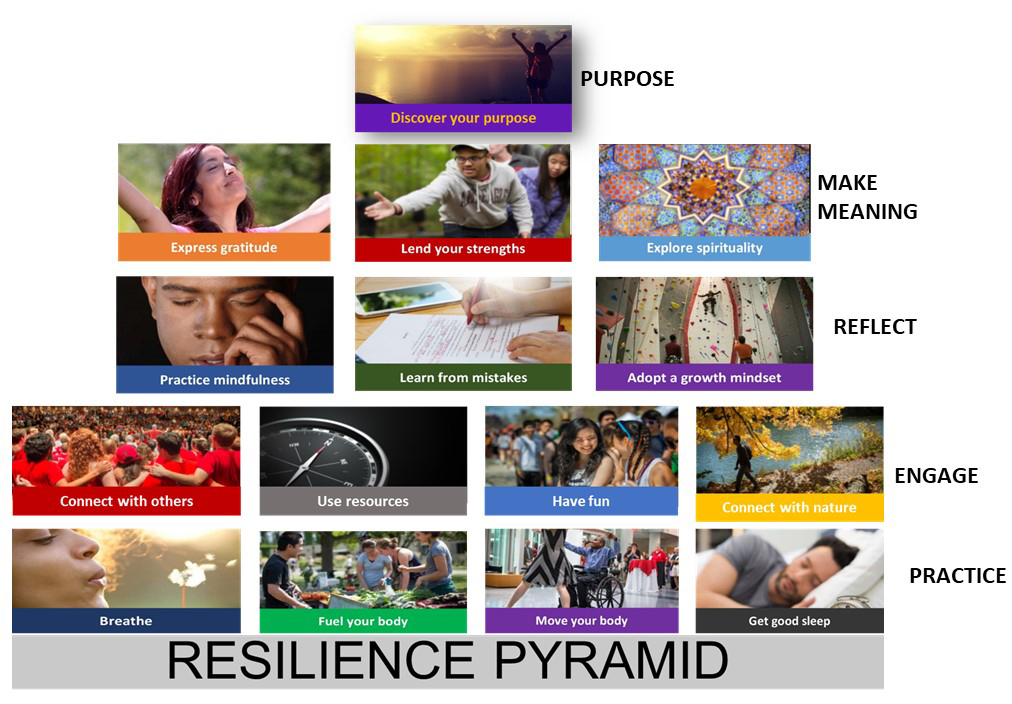
Key Takeaways
- High academic pressures disrupt cognitive functions, reducing concentration and memory retention.
- Psychological stressors such as anxiety and depression further decrease academic performance.
- Effective coping strategies and institutional support are crucial in mitigating negative outcomes.
Introduction
Enrolled in a field that often involves the critical study of crime, justice, legal theories, and human behavior, criminology students face a unique set of challenges. The academic environment at Dr. Gloria D. Lacson Foundation Colleges INC in San Leonardo, Nueva Ecija, presents these students with rigorous coursework, intricate case studies, and exposure to emotionally charged content. Such factors contribute significantly to the overall stress experienced by students. In this comprehensive analysis, we explore the multifaceted effects of academic stress on the academic performance of criminology students, drawing insights on stress sources, cognitive and psychological impacts, coping mechanisms, and the importance of institutional support.
Sources and Nature of Academic Stress
Academic Workload and Performance Pressure
One of the foremost sources of academic stress for criminology students is the demanding workload. Students often encounter an intensified combination of extensive assignments, frequent examinations, and high expectations imposed by faculty and their own internal desire to excel. In the context of criminology, the coursework not only demands a deep understanding of theoretical frameworks but also incorporates case analyses, forensic studies, and real-life applications that require effective critical thinking and decision-making skills. The heightened pressure to meet deadlines, maintain high grade point averages, and demonstrate competency in a competitive environment frequently leads to significant mental strain.
Such an academic environment often results in diminished attention span, memory lapses, and impaired problem-solving abilities. The requirement to assimilate and critically analyze copious amounts of information may predispose students to stress-induced cognitive overload, thereby compromising their academic performance.
Exposure to Distressing and Complex Content
Unlike other academic disciplines, criminology involves the study of often distressing and sensitive subject matter. Topics such as criminal behavior, forensic evidence analysis, legal procedures, and victimology are inherently emotionally taxing. Repeated exposure to such challenging scenarios can lead to emotional desensitization or, conversely, induce anxiety and depression. This emotional burden exacerbates stress levels, thereby hampering the students’ ability to focus on learning and retain critical information.
The curriculum’s inherent focus on real-life crime and justice issues requires students to confront difficult subjects that may trigger personal distress. Consequently, the interplay between academic demands and emotional resilience becomes a crucial determinant of their academic outcomes.
Interpersonal and Intrapersonal Stressors
In addition to academic and content-specific stressors, criminology students must navigate complex interpersonal relationships. High expectations from family, mentors, and peers often add a social dimension to stress. Disagreements, conflicts, or feelings of isolation can impact their overall emotional well-being. Moreover, intrapersonal stressors, including financial difficulties, work-life balance issues, and self-imposed pressures, add another layer of complexity. These multifaceted stressors compound, making it challenging for students to allocate sufficient mental capacity to their studies.
Interpersonal conflicts, such as disagreements with peers or strained relationships with family members who harbor strong expectations, can lead to an increase in anxiety. Similarly, intrapersonal issues such as financial burdens force some students to juggle part-time work alongside their studies, reducing available time for academic pursuits and effective relaxation.
Impact on Academic Performance
Cognitive and Academic Consequences
Academic stress exerts significant influence on cognitive functions, which directly in turn affect academic performance. When stress levels are high, there emerges a notable decline in students’ concentration, information processing, and memory retention capabilities. As the cognitive load increases due to continuous pressure, the ability to comprehend complex concepts diminishes. Thus, students may find themselves struggling with recalling information during tests, understanding intricate case studies, or even maintaining consistent academic engagement.
This cognitive disruption is largely attributable to the release of stress hormones, such as adrenaline and cortisol, which when elevated, interfere with the function of the hippocampus – the brain region critical for memory consolidation.
Emotional and Psychological Implications
Beyond the cognitive realm, high levels of academic stress negatively affect students’ emotional and psychological well-being. Increased stress is strongly correlated with symptoms of depression, anxiety, and even burnout. When students are persistently overwhelmed, feelings of inadequacy and negative self-worth can take root, leading them to doubt their ability to succeed academically. The perpetual state of emotional distress diminishes motivation, reduces class participation, and may lead to absenteeism.
In extreme cases, sustained high levels of stress can precipitate more serious mental health disorders. For criminology students, who already contend with the complex emotional nature of their subject matter, this risk is significantly magnified. Mental health challenges not only affect day-to-day academic performance but also hamper long-term professional preparedness and career advancement.
Physical Health Effects
The toll of academic stress is not confined to cognitive and emotional dimensions. Physical manifestations of stress in students can include sleep disturbances, headaches, fatigue, and a compromised immune system. The body’s physiological response to chronic stress may disrupt normal sleep patterns, further impairing cognitive performance and leading to a cycle of fatigue and reduced academic engagement.
Persistent stress also increases susceptibility to illnesses and chronic health issues, thereby adversely affecting overall academic performance by increasing absenteeism and reducing students’ energy levels.
Coping Strategies and Institutional Interventions
Positive Coping Mechanisms
It is imperative that both students and educational institutions employ effective strategies to manage academic stress. Positive coping mechanisms, which have been found to have a buffer effect on stress, play a crucial role in sustaining academic achievement. These strategies include:
Time Management and Organizational Skills
Effective time management strategies allow students to prioritize academic tasks, thereby reducing feelings of overwhelm. Techniques such as planning study schedules, breaking large tasks into manageable segments, and setting realistic goals empower students to tackle their workload in a structured manner.
Relaxation Techniques and Physical Activity
Activities such as regular exercise, mindfulness practices, deep breathing techniques, and adequate sleep have been proven to lower stress levels. These methods not only help in releasing built-up tension but also enhance overall mental clarity and well-being.
Emotional Support and Counseling
Engaging in support networks – either with friends, family, or professional counselors – can provide essential emotional relief. Structured counseling sessions and peer support groups allow students to discuss their challenges in a supportive environment, facilitating better coping and problem-solving.
Positive personal coping methods also include engaging in hobbies, religious practices such as prayer, and other rituals that promote a sense of calm and clarity.
Negative Coping Mechanisms
In contrast to positive practices, certain maladaptive coping strategies can exacerbate stress. Negative coping mechanisms, such as substance abuse, excessive use of social media, procrastination, or avoidance behaviors, offer temporary relief but ultimately lead to further academic decline and emotional instability.
Relying on such strategies prevents students from addressing the root cause of the stress and often results in an intensified cycle of stress and poor academic performance.
The Role of Institutional Support
While individual coping strategies are essential, institutional support is equally important in mitigating the impact of academic stress. As academic institutions, particularly those offering specialized courses such as criminology, have a responsibility toward student well-being, targeted programs can make a significant difference.
Institutions like Dr. Gloria D. Lacson Foundation Colleges INC can implement a variety of initiatives to help students manage academic stress effectively:
Academic Advising and Mentorship Programs
Establishing robust academic advising services allows students to receive guidance tailored to their individual needs. Mentorship programs wherein senior or experienced professionals advise students on study habits, time management, and career planning can alleviate the perceived intensity of academic pressure.
Counseling and Mental Health Services
Providing on-campus counseling services ensures that students have ready access to mental health professionals. Regular stress management workshops, group therapy sessions, and individual counseling can help in recognizing stress symptoms early and developing effective coping strategies.
Wellness and Recreational Initiatives
Offering extracurricular activities that focus on wellness—such as sports clinics, mindfulness sessions, and creative art programs—can foster a balance between academic and personal life. These initiatives help in breaking the cycle of continuous work and provide students with opportunities to relax and rejuvenate.
A Comprehensive Overview: Stress Sources and Their Consequences
Summary Table of Academic Stress Factors and Effects
The table below provides an organized summary of the primary academic stressors faced by criminology students and the resulting impacts on their academic performance:
| Stress Source | Description | Impact on Academic Performance |
|---|---|---|
| Academic Workload | Extensive assignments, rigorous examinations, and complex course material. | Memory lapses, reduced concentration, lower grades, and increased burnout. |
| Performance Pressure | High expectations from faculty, family, and self-imposed standards of excellence. | Increased anxiety, reduced motivation, and potential for academic probation or dropout. |
| Exposure to Distressing Content | Study of sensitive criminal cases, forensic evidence, and real-life crime scenarios. | Emotional distress leading to impaired focus, depression, and absenteeism. |
| Interpersonal & Intrapersonal Stressors | Conflicts in relationships, financial difficulties, and challenges in balancing work and study. | Heightened stress levels, cognitive overload, and diminished academic engagement. |
This table encapsulates the core stress sources and illustrates the cascading effects on academic performance among criminology students. It serves as a visual summary to understand the intricate interplay between various stressors and their multifactorial impact on learning outcomes.
Implications and Recommendations
Implications for Academic Success and Future Careers
The implications of unchecked academic stress extend far beyond immediate academic challenges. For criminology students, poor academic performance can result in diminished opportunities for future career advancement in the criminal justice system. Beyond grades, the ability to maintain cognitive clarity and emotional resilience is critically linked with professional skills such as analytical reasoning, ethical decision-making, and crisis management.
As these students transition from academic environments to professional settings, unmanaged stress can hinder their performance on critical tasks, thereby affecting their readiness to address real-world challenges confidently. Therefore, establishing effective stress management early on is essential not only for academic success but also for building a foundation for long-term career sustainability.
Recommendations for Students
Based on the comprehensive examination of stress sources and their adverse outcomes, several key recommendations emerge for students aiming to mitigate the effects of academic stress:
- Develop structured study schedules that integrate regular breaks and relaxation periods.
- Engage in physical activity and mindfulness practices to reduce physiological stress responses.
- Seek support through counseling and peer groups to share experiences and learn effective coping strategies.
- Avoid negative coping mechanisms such as substance abuse which may provide short-term relief but long-term detriments.
- Practice self-compassion and manage expectations by setting realistic academic goals.
Recommendations for Institutional Intervention
Educational institutions have a pivotal role in ensuring that students remain healthy and academically engaged. For Dr. Gloria D. Lacson Foundation Colleges INC, tailored initiatives that address unique stressors in criminology courses can bring about significant improvements:
- Implement regular stress management workshops: Organize seminars that educate students on coping techniques, time management, and relaxation exercises.
- Enhance counseling services: Provide easily accessible mental health support and create safe spaces for students to discuss issues without stigma.
- Develop academic advising sessions: Initiate mentorship programs that offer guidance on navigating coursework, career planning, and work-life balance.
- Promote extracurricular wellness activities: Incorporate physical fitness programs, creative arts, and mindfulness sessions into the academic calendar to help offset academic demands.
- Engage parents and academic staff: Foster collaborative partnerships between faculty, counselors, and family members to ensure a holistic support system.
Conclusion
In conclusion, academic stress in criminology students, particularly at institutions such as Dr. Gloria D. Lacson Foundation Colleges INC in San Leonardo, Nueva Ecija, is a complex and multifaceted challenge that affects cognitive functions, psychological well-being, and overall academic performance. The unique academic demands of criminology—characterized by intense coursework, emotionally charged subject matter, and high performance expectations—can lead to significant negative outcomes such as diminished concentration, memory deficits, and heightened levels of anxiety and depression.
However, both individual and institutional strategies exist to combat these challenges. Positive coping mechanisms, including effective time management, regular physical activity, mindfulness practices, and the ability to seek and receive emotional support, play a critical role in mitigating the detrimental effects of stress. Moreover, institutions can further aid by implementing robust support structures—ranging from academic advising to mental health counseling and wellness programs—to foster an environment wherein students can thrive despite academic pressures.
Ultimately, a collective effort involving students, educators, counselors, and parents is required to address academic stress comprehensively. These collaborations not only enhance academic performance but also build lasting resilience that prepares students for their future careers in the demanding field of criminology. The ongoing effectiveness of targeted interventions and support programs underscores the importance of early and continuous involvement in stress management initiatives, ensuring that students maintain both academic excellence and emotional well-being.
References
- STRESS AND COPING MECHANISM AMONG CRIMINOLOGY STUDENTS - ResearchGate
- Effects of Academic Stress on Criminology Students - IJISRT
- Discussion on Academic Pressure in Criminology - Taylor & Francis Online
-
Impacts of Academic Stress on Mental Health - PMC
More
Last updated February 19, 2025