
Task Management Strategies in Academic Performance
Effective techniques for Grade 9 Mabini students in English, Science, and Math during the third and fourth quarters
Key Highlights
- Prioritization and Scheduling: Learning to identify key tasks and structure your calendar for maximum efficiency.
- Goal-setting and Time Management Techniques: Utilizing approaches like the Pomodoro Technique and SMART goals to stay organized and motivated.
- Adaptability and Continuous Review: Flexibly adjusting strategies, seeking help when necessary, and routinely reviewing progress.
Introduction to Task Management in Academic Settings
Effective task management is central to academic success, especially during critical periods such as the third and fourth quarters for Grade 9 Mabini students studying English, Science, and Math. In these periods, students often face a convergence of assignments, projects, examinations, and extracurricular activities. By integrating practical strategies and established techniques, students can better navigate their academic responsibilities while maintaining a balanced approach toward study and personal activities.
Fundamental Strategies for Task Management
Prioritization of Tasks
For many students, the ability to rank tasks based on urgency and importance makes a significant difference in academic performance. Here are key aspects necessary for effective prioritization:
Identifying Critical Tasks
Start by creating a list or matrix that highlights tasks due within the quarter. Identify assignments that carry the most weight in terms of grades, those that require detailed preparation (such as lab reports in Science or long essay projects in English), or tasks that contribute considerably to understanding fundamental concepts in mathematics.
This approach ensures that stressful deadlines do not accumulate, helping students focus on one task at a time. Setting clear priorities enables students to allocate their time not just on immediate tasks but also on long-term projects that demand sustained effort.
Breaking Down Complex Tasks
It is common for larger projects or assignments, such as science research projects or comprehensive essays, to feel overwhelming when viewed as a whole. To counteract this, break these tasks into smaller, manageable parts. Segmenting assignments into phases—idea generation, research, drafting, and final editing—helps keep progress steady. With each completed step, students gain a sense of accomplishment, which in turn motivates further progress.
Effective Scheduling and Planning
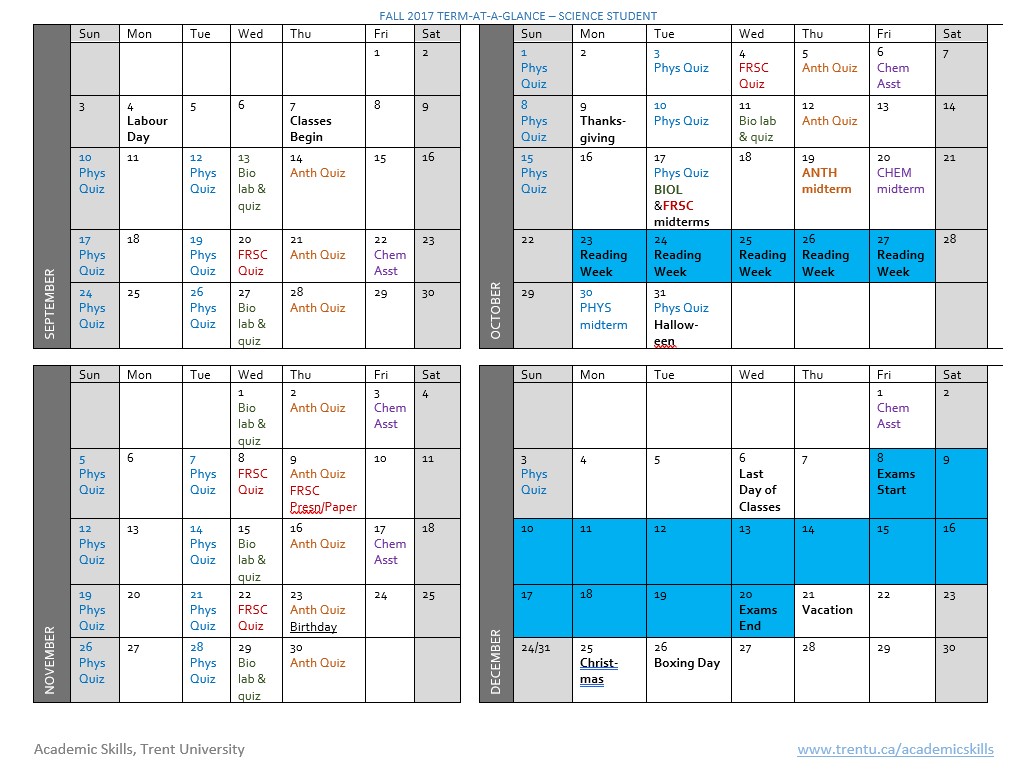
A well-planned schedule is critical for achieving academic success. Developing a personal calendar that includes time slots for classes, homework, study sessions, and even leisure activities is recommended. Visual learners may benefit from physical planners or whiteboards, while digital calendars offer flexibility with reminders and alarms.
Developing a Weekly Schedule
Students should design a weekly plan that outlines all academic commitments. For example, dedicating specific hours for math practice daily and blocking time for science projects and English essay writing can immensely improve time management. It is beneficial to mark key dates such as assignment deadlines, test dates, and project milestones to avoid last-minute rushes.
Utilizing Digital and Physical Tools
A combination of both digital and physical tools can streamline the scheduling process. Digital calendars like Google Calendar or apps such as Trello, Todoist, or Microsoft To-Do can provide notifications and allow adjustments on the go. Complement these with physical journals or planners to appeal to those who prefer writing tasks down, making the process both interactive and structured.
Goal-setting and Time Management Techniques
Establishing clear goals and using proven time management techniques fosters a more disciplined approach to studies. Techniques such as setting SMART goals and applying methodologies like the Pomodoro Technique play vital roles in academic planning.
SMART Goals in Academic Planning
SMART stands for Specific, Measurable, Achievable, Relevant, and Time-bound. For instance, a student might set a goal such as, “Complete all math assignments for the week with at least 90% accuracy.” This goal is specific, has clear metrics, is achievable with consistent practice, is relevant to academic progress, and is bound by a weekly timeline.
The Pomodoro Technique
The Pomodoro Technique is a simple yet effective study method that involves working for a fixed interval, typically 25 minutes, followed by a 5-minute break. These intervals help maintain concentration while reducing mental fatigue. For example, a student might work on an English essay for 25 minutes, take a short break, and then resume to ensure sustained effort without burnout.
Time Blocking
Time blocking is an innovative strategy where the day is divided into blocks of time, and each block is dedicated to one activity or subject. This method not only helps in clear task allocation but also aids students in switching off from work during leisure periods, thereby ensuring a balanced daily routine.
Applying Strategies to Specific Academic Subjects
English
English subjects often involve a mix of reading, writing, vocabulary enhancement, and comprehension activities. A targeted plan for English would focus on the following:
Reading and Writing Focus
Allocate dedicated time blocks to work on reading assignments and writing tasks. To improve both reading comprehension and writing skills, students could alternate between reading literature and writing critical analyses or creative compositions. Utilizing strategies such as summarization and note-taking while reading helps in better retention and understanding of materials.
Vocabulary Building
Regular vocabulary exercises are essential for enhancing command over language. Students can create flashcards, use vocabulary apps, or maintain a personal word journal that can be reviewed periodically. This consistent practice aids in developing both written and spoken language proficiency.
Science
Science subjects typically demand not only theoretical understanding but also practical application through experiments, lab reports, and projects. Effective task management in Science involves:
Lab Reports and Research Projects
Science projects and lab reports require thorough planning and execution. Begin by breaking the task into several stages: research, experiment setup, data collection, analysis, and report writing. Using checklists for each stage helps in tracking progress and ensuring that no aspect is overlooked.
Concept Reinforcement
Given the cumulative nature of scientific knowledge, it is vital to frequently review key concepts. Setting aside time for regular revision sessions, using summary notes, and engaging with interactive science apps can bolster understanding and prepare students for exams.
Math
Mathematics demands a consistent problem-solving approach and conceptual clarity. Task management in Math can be optimized by:
Daily Practice and Problem Sets
Mathematics requires regular practice. Students should incorporate daily sessions focusing on exercises and problem sets. This not only helps in reinforcing learned techniques but also in identifying weak areas that need additional practice.
Understanding Concepts and Theories
Instead of rushing through problems, it is beneficial to ensure that the underlying concepts are well understood. Using a combination of textbook exercises, online tutorials, and discussion groups can provide a multi-faceted approach to learning mathematics.
Tools and Resources for Task Management
In today’s digital age, a variety of tools are available that can significantly aid students in managing and tracking their academic tasks. These resources offer both digital and non-digital solutions to enhance productivity and organization.
Digital Tools
Calendar and Scheduling Apps
Tools such as Google Calendar offer robust features to schedule and receive reminders for necessary tasks. These apps allow synchronizing multiple devices, ensuring that students have access to their schedules at all times.
Task Management Applications
Applications like Trello, Todoist, and Microsoft To-Do provide interfaces to organize tasks, set deadlines, and track progress using board systems or lists. Students can personalize these tools to match their workflow, thereby reducing stress during peak academic periods.
Physical Planning Tools
For those who find writing things down helps in committing tasks to long-term memory, physical planners, notebooks, and white boards remain an excellent choice. These tools, though traditional, provide a tactile engagement that can sometimes supplement digital applications effectively.
Integrative Overview Table
Below is a comprehensive table summarizing the strategies, tools, and subject-specific approaches discussed:
| Strategy / Tool | Description | Application (Subject) |
|---|---|---|
| Prioritization | Identify and rank tasks based on urgency and importance. | All Subjects |
| Scheduling & Time Blocking | Create detailed weekly schedules with allocated time slots. | All Subjects |
| SMART Goals | Establish specific, measurable and time-bound objectives. | All Subjects |
| Pomodoro Technique | Work in 25-minute intervals followed by short breaks. | All Subjects |
| Breaking Down Tasks | Divide large projects into manageable tasks. | Science, English |
| Digital Tools | Apps like Trello, Google Calendar help in scheduling and tracking. | All Subjects |
| Physical Tools | Planners, notebooks, and whiteboards for tangible planning. | All Subjects |
| Self-evaluation | Conduct regular reviews of your progress and adjust strategies. | All Subjects |
Additional Strategies and Considerations
Beyond the fundamental techniques and subject-specific tips outlined above, further strategies can amplify task management effectiveness during the critical final quarters:
Minimizing Distractions
In a digital era laden with potential distractions, it is essential to create a study environment that minimizes interruptions. Turning off non-essential notifications, designating a quiet space for study, and using website blockers during focused work sessions can immensely improve concentration.
Forming Study Groups
Collaborative learning is proven to enhance understanding of complex subjects. Study groups provide not only moral support but also offer fresh perspectives on challenging topics. Through group discussions, students can clarify doubts and share techniques for subject-specific problem-solving, particularly beneficial in subjects like Math and Science.
Seeking Guidance and Feedback
Regular interaction with teachers and tutors can offer clarity on difficult topics and nuanced strategies to approach assignments. Participating in teacher-led reviews or one-on-one sessions is highly recommended. Feedback from these sessions can guide further refinement of task management strategies.
Periodic Self-Assessment
Incorporate self-assessment into your weekly routine. Reflect on completed tasks, identify areas needing improvement, and adjust your schedule or techniques accordingly. This ongoing process enables a growth mindset and ensures continuous improvement over both the third and fourth quarters.
Implementation and Adaptation Strategies
Effective task management is not a one-size-fits-all solution. Instead, students should experiment with the strategies described here, adapting them to their personal learning styles and the distinct requirements of their subjects. A flexible approach—where changes are made based on feedback and self-assessment—ensures that each student's method remains optimally effective.
Monitoring Progress
Keep a dedicated journal or digital log that tracks daily or weekly progress. Not only does this illuminate patterns in productivity, but it also helps identify areas for improvement. This reflective practice can assist students in understanding which strategies yield the best results and how adjustments might be made in future planning.
Balancing Work and Leisure
Academic success is most sustainable when balance is maintained. Ensure that the rigorous practice of task management is paired with adequate leisure, relaxation, and extracurricular activities. Striking this balance prevents burnout and fosters overall well-being.
References
- Time Management Strategies - Studocu
-
Teachers' Time Management Tips - We Are Teachers
- Time Hackz for Students - Timehackz
- Strategies for Academic Success - Demme Learning
- Collaborated Performance Grade 9 - Scribd
Recommended Searches for Further Insights
Last updated March 17, 2025