
Resolving Access Easement Issues for Residential Plots
Comprehensive guidance on resolutions and preventative strategies for easement challenges
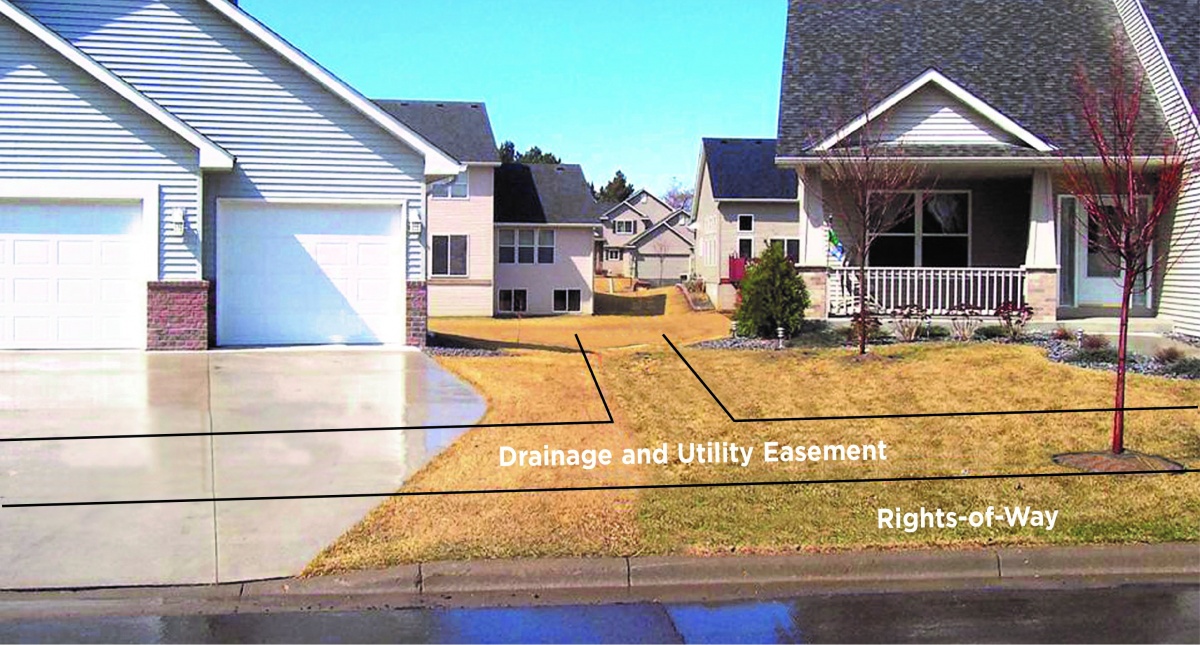
Key Insights
- Review and Documentation: Examine land records, property deeds, and existing easement agreements to clarify rights and responsibilities.
- Negotiation and Mediation: Engage neighbors and professionals to negotiate clear agreements and, if necessary, use mediation or judicial processes.
- Proactive Planning: Implement preventative measures such as due diligence, clear documentation, and community engagement to minimize future disputes.
Understanding the Challenges
Residential properties often rely on clear and legally defined access easements to maintain marketability and usability. When these easements are uncertain or undocumented, property access can be impeded, leading to potential legal disputes and reduced property values. The lack of a clear easement can arise from ambiguities or oversights during property transactions or from evolving land use needs that were not anticipated. This comprehensive guide details resolutions and preventative strategies to address this issue, ensuring property owners can mitigate risks and protect their investments.
Resolutions for Existing Easement Issues
Resolving access issues due to unclear easement agreements involves several steps ranging from reviewing official documents to engaging legal processes. Here are detailed resolutions:
Thorough Review of Land Records
The first step in resolving any easement dispute is a comprehensive review of property records. Owners should carefully analyze land deeds, survey maps, and previously recorded easement agreements from local government offices. This review helps determine the rights already granted and those potentially ambiguous in nature. By understanding what has been legally recorded, property owners and stakeholders can identify discrepancies and gaps that may require attention.
Negotiation with Neighbors and Stakeholders
In many instances, disputes regarding easement clarity arise from miscommunications between neighborhood stakeholders. Direct negotiations can prove highly effective by establishing a cooperative tone and clarifying expectations. Property owners should hold discussions highlighting the mutual benefits of clear access rights. Such discussions might include topics like:
- Clarifying the exact usage rights and maintenance responsibilities.
- Defining the physical boundaries of the easement.
- Agreeing on measures to preserve the area involved.
In cases where informal negotiations are not successful, professional mediation can serve as a neutral forum to facilitate dialogue and propose mutually acceptable solutions.
Legal Actions and Judicial Intervention
If negotiations and mediation efforts fail, formal legal action may be necessary. Property owners can seek judicial intervention to enforce or clarify existing easement rights. Courts typically review:
- The historical usage of the easement.
- The language and documentation in property deeds and easement contracts.
- The necessity and fairness of the access rights in disputes.
In extreme cases, if a property is effectively landlocked due to unclear easement agreements, a court may grant a right-of-way by necessity. This judicial remedy ensures that even without a pre-existing clear agreement, property owners can secure access.
Easement Modification and New Agreements
In some scenarios, the resolution might involve revising the scope of the existing easement. Modifying the easement allows all parties to update the terms and conditions in line with current access needs. In contrast, if no formal easement exists, newly drafted agreements that explicitly outline the access rights, limitations, and responsibilities may be developed. Such agreements should:
- Clearly define the geographical path of the easement.
- Specify who is liable for maintenance and repair.
- Include dispute resolution mechanisms to avoid future conflicts.
Preventative Strategies for Future Disputes
Proactivity is key to avoiding the complications associated with unclear access easements. Implementing preventative measures during property acquisition and development can significantly reduce the likelihood of future disputes. The following strategies are essential:
Complete and Transparent Title Searches
Prior to completing a property transaction, a thorough title search is critical. This process involves examining the historical records of the property, which may reveal existing but possibly ambiguous easements. Legal professionals often assist in this process to ensure that all relevant documentation is identified, and any potential issues are flagged early. Comprehensive due diligence may include:
- Examining recorded documents at local government offices.
- Reviewing survey maps and historical land usage records.
- Identifying any informal arrangements that could lead to disputes.
Drafting Clear and Detailed Easement Agreements
When drafting new easement agreements or revising existing ones, clarity is paramount. Agreements should be:
- Legally binding and compliant with local laws to ensure they are enforceable in court.
- Explicitly specify the exact dimensions and boundaries of the easement.
- Detail the responsibilities regarding maintenance, cost-sharing, and repairs.
- Include provisions for the future modification or termination of the easement agreement.
Such comprehensive documentation not only prevents confusion but also provides a robust framework for resolving any future discrepancies.
Regular Review and Updating of Property Documents
Even after establishing a legally sound easement, property circumstances can evolve. Regular review of the property records and easement terms is crucial to ensuring continued clarity and relevance. Any changes in the surrounding area, such as neighborhood developments or infrastructure projects, might necessitate updated agreements. Setting periodic reviews—ideally every few years—can help:
- Resolve emerging issues before they escalate into disputes.
- Adapt to changes in property usage or local regulations.
- Ensure that all parties are aware of their rights and responsibilities as conditions evolve.
Involving Real Estate and Legal Professionals
Navigating the complexities of easement law is best done with the assistance of specialized professionals. Real estate attorneys and property law experts provide invaluable insights into local regulations and can assist with:
- Drafting or reviewing easement agreements to ensure legal soundness.
- Conducting comprehensive title searches and clarifying ambiguous terms.
- Representing property owners in negotiations, mediation, or legal proceedings.
Involving professionals early in the process increases the likelihood of both resolving current disputes and preventing future ones.
Community Engagement and Transparency
Building strong relationships with neighboring property owners is an effective way to forestall potential access disputes. A transparent approach in which all parties are:
- Informed about the details of problematic easements.
- Provided opportunities to contribute to the formulation of agreements.
- Encouraged to maintain open and ongoing communication.
This collaborative approach not only reduces misunderstandings but also fosters community relations that can mitigate the escalation of conflicts.
Summarizing Resolutions and Preventative Strategies
The integration of effective resolutions with proactive preventative strategies creates a robust framework for managing and averting access easement issues. The following table summarizes the key components:
| Area | Strategy | Description |
|---|---|---|
| Resolutions | Review Land Records | Examine property deeds, recorded easement agreements, and survey maps to identify rights and limitations. |
| Negotiation | Initiate discussions with neighboring property owners to clarify and set mutual agreements on easement usage. | |
| Mediation | Employ neutral mediators when discussions fail to reach consensus, ensuring an impartial resolution process. | |
| Legal Action | Pursue judicial review to enforce or reinterpret easement rights when informal methods are ineffective. | |
| Easement Modification | Revise or create new clear easement agreements reflecting current needs and resolving ambiguities. | |
| Preventative Strategies | Due Diligence | Conduct thorough title searches and property surveys prior to purchase to reveal existing easements. |
| Clear Documentation | Draft detailed easement agreements that specify boundaries, maintenance, and legal responsibilities. | |
| Regular Reviews | Periodically assess and update property documents and easement agreements to accommodate evolving conditions. | |
| Professional Involvement | Engage real estate attorneys, surveyors, and property law experts to advise and guide the process. | |
| Community Engagement | Foster transparent and open communications with neighbors to prevent conflicts and promote cooperative solutions. |
Additional Considerations
Property Marketability and Legal Implications
A property with ambiguous easement rights may struggle to secure buyers or investors due to the potential legal risks involved. During real estate transactions, full disclosure of any easement issues is typically required. Failure to disclose or misrepresenting the existence of easements can lead to litigation or loss of buyer confidence. Sellers are advised to:
- Clearly document all easements and provide copies of relevant documents to potential buyers.
- Obtain title insurance to mitigate risks associated with undisclosed easement issues.
- Consult with legal professionals to ensure all documentation is legally compliant and up-to-date.
Impact on Development and Land Use Planning
Developers or property owners planning new constructions on their land must consider the implications of existing easements on future development. The easement might restrict construction in certain areas or require special permits for modifications. Strategic planning should include:
- Assessing whether current easement limitations align with the intended use of the property.
- Engaging in community or local authority discussions to understand any zoning or land use restrictions related to the easement.
- Exploring options such as easement modifications or alternative access solutions if the current easement is found to be overly restrictive.
Utilizing Mediation and Arbitration Effectively
Alternative dispute resolution mechanisms, such as mediation and arbitration, provide an avenue to settle easement disputes without resorting to lengthy court procedures. In mediation, an unbiased third party facilitates discussions to find a common ground, which is particularly useful when parties share longstanding neighborhood relations. Arbitration involves a more formal process where an arbitrator makes a decision that is binding on both parties. These methods often save time and reduce legal expenses, making them attractive resolutions for conflicts over property access.
References
- Neighbor Easement Problems: How to Resolve Common Disputes - LegalClarity
- Resolving Easement Disputes That Affect Land Use - Kisco Law Firm
- Drafting Effective Easement for Property Owners - Daughtrey Law
- Resolving Disputes Over Property Access - Attorney Aaron Hall
- Understanding Utility Easements: Property Owner Rights Explained - LegalClarity
Recommended Queries for Further Exploration
Last updated March 14, 2025