
Beyond Compliance: Unpacking a Decade of Expertise in Accessibility QA
Meet the seasoned professional ensuring digital experiences are truly inclusive and barrier-free for everyone.
An Accessibility Expert in Quality Assurance (QA) with a decade of dedicated experience represents a pinnacle of commitment to digital inclusivity. This professional isn't just a tester; they are a strategist, advocate, and technical authority deeply invested in making websites, applications, and digital services usable by people of all abilities, including those with visual, auditory, motor, or cognitive impairments. Their 10-year journey signifies a profound understanding of accessibility standards, assistive technologies, user needs, and the evolving landscape of digital compliance.
Key Insights at a Glance
- Deep Standards Mastery: Possesses expert-level knowledge of WCAG 2.1 (A, AA, AAA), Section 508, ADA, and other relevant accessibility laws and guidelines, ensuring robust compliance.
- Holistic Testing Approach: Combines meticulous manual testing using assistive technologies (like screen readers) with efficient automated testing tools for comprehensive barrier identification.
- Strategic Influence & Leadership: Guides development teams, shapes organizational accessibility strategy, provides code-level solutions, and champions a culture of inclusive design from the ground up.
Foundational Expertise: The Bedrock of a Decade
Mastery of Standards and Guidelines
Ten years in the field equates to an intimate familiarity with the nuances of critical accessibility standards. This expert possesses an in-depth understanding of:
- Web Content Accessibility Guidelines (WCAG): Comprehensive knowledge of WCAG 2.0, 2.1 (Levels A, AA, and AAA), and awareness of emerging standards like WCAG 3.0. They understand the intent behind each guideline and success criterion, applying them effectively across diverse digital platforms.
- Legal Frameworks: Thorough understanding of legal requirements such as the Americans with Disabilities Act (ADA) in the U.S., Section 508 of the Rehabilitation Act (particularly for government contractors), and other international accessibility laws. This knowledge is crucial for mitigating legal risks associated with non-compliance.
- Best Practices: Goes beyond mere compliance, incorporating established best practices for usability and inclusivity that enhance the experience for all users, not just those using assistive technology.
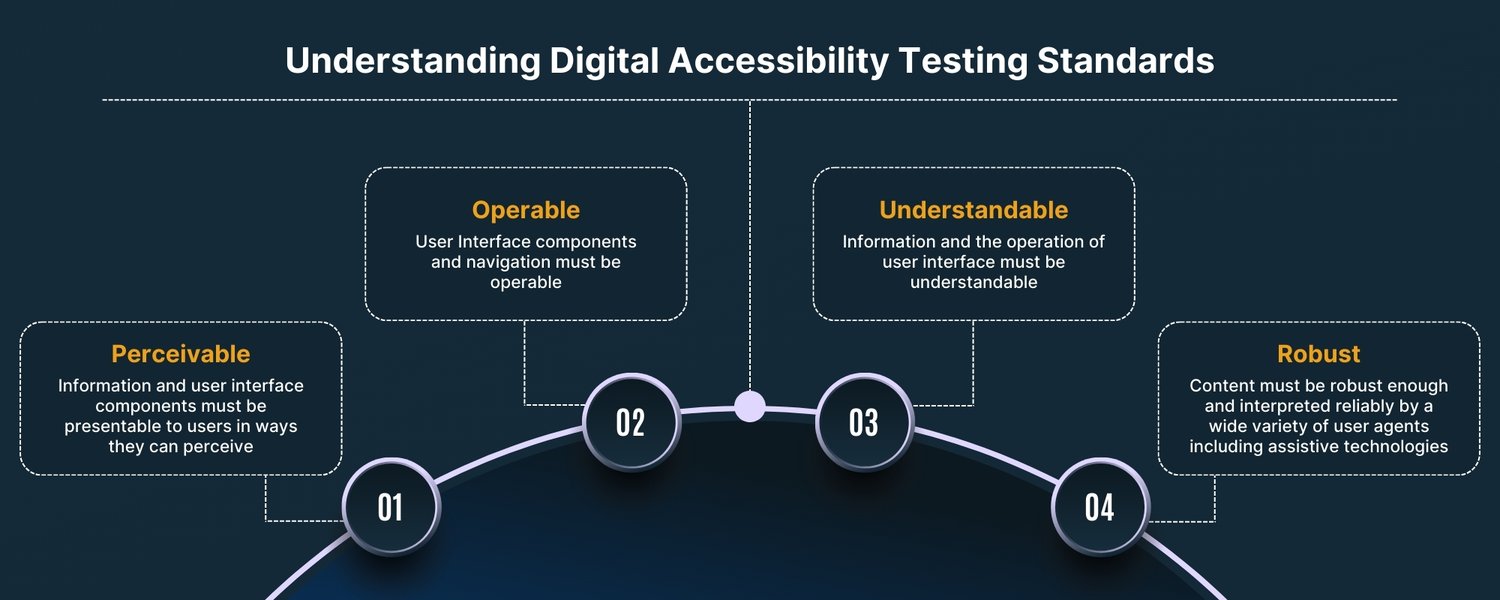
The four core principles of WCAG form the foundation of web accessibility, ensuring content is perceivable, operable, understandable, and robust.
Proficiency in Assistive Technologies and Tools
A seasoned expert is adept at using the same technologies their end-users rely on. This includes hands-on proficiency with:
- Screen Readers: Expertise in using popular screen readers like JAWS, NVDA, and VoiceOver across different browsers and operating systems to simulate the experience of visually impaired users.
- Magnification Software: Understanding how users with low vision utilize screen magnification tools.
- Voice Recognition Software: Familiarity with tools like Dragon NaturallySpeaking for users with motor impairments.
- Keyboard-Only Navigation: Rigorous testing to ensure all functionality is accessible via keyboard alone.
- Automated Testing Tools: Skillful use of tools like axe, Lighthouse, WAVE, and other automated scanners to quickly identify common accessibility issues, while understanding their limitations and the necessity of manual checks.
- Manual Inspection Techniques: Advanced skills in code inspection (HTML, CSS, JavaScript, ARIA), color contrast analysis, and evaluating interaction patterns.
Core Responsibilities: Driving Accessibility Forward
With a decade of experience, the Accessibility QA Expert takes on significant responsibilities that often extend beyond basic testing.
Comprehensive Testing and Auditing
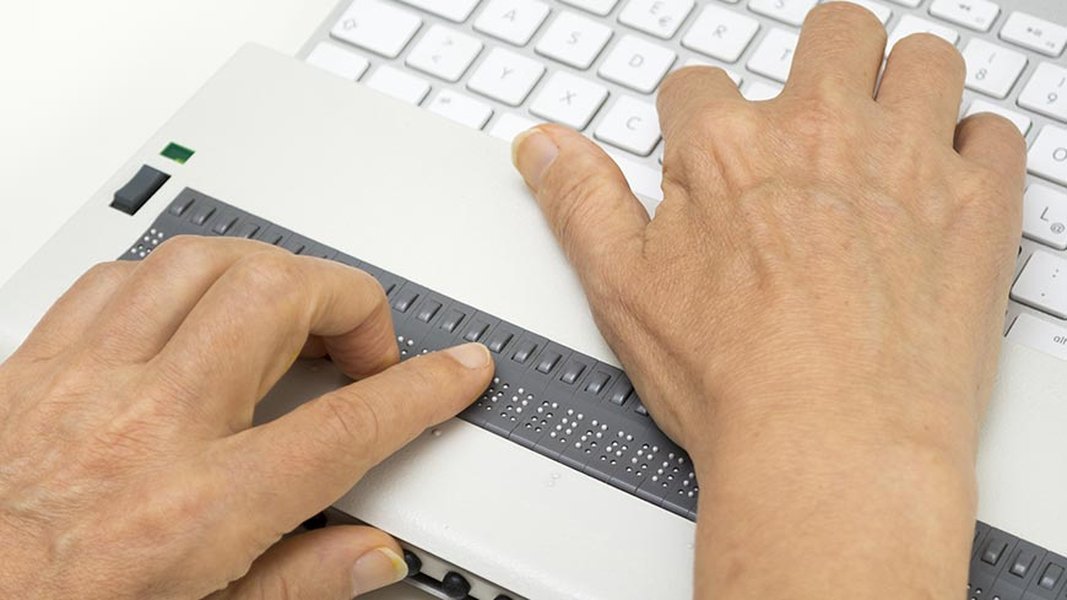
A variety of tools are employed for comprehensive accessibility testing.
Manual and Automated Evaluation
They design, coordinate, and execute thorough accessibility audits. This involves a blended approach: leveraging automated tools for broad scans and performing meticulous manual testing with various assistive technologies to uncover complex and nuanced barriers that automated tools often miss. They are skilled in testing across web browsers, mobile applications (iOS and Android), and other digital platforms.
Test Planning and Documentation
This expert creates detailed, comprehensive test plans, test cases, and test strategies specifically focused on accessibility criteria. They document findings meticulously, often using defect tracking systems like JIRA or Bugzilla, providing clear, reproducible steps and severity assessments for each issue.
Remediation Guidance and Collaboration
Code-Level Solutions
A key differentiator for a 10-year expert is their ability to not just identify problems but also suggest practical, code-level solutions. They can often pinpoint issues in HTML structure, CSS styling, JavaScript interactions, or ARIA implementation and provide actionable recommendations to development teams.
Cross-Functional Partnership
They work closely with developers, UX/UI designers, product managers, and content creators throughout the software development lifecycle (SDLC). This collaboration ensures accessibility is considered from the initial design phase ("shift-left" approach) rather than being an afterthought, promoting efficiency and preventing costly rework.
Strategic Planning and Advocacy
Developing Accessibility Roadmaps
Leveraging their experience, they contribute to or lead the development of organizational accessibility policies, guidelines, and strategic roadmaps. This involves aligning accessibility goals with business objectives and legal requirements.
Training and Mentorship
They often serve as internal consultants or subject matter experts (SMEs), conducting training sessions, workshops, and providing mentorship to junior QA testers, developers, and designers to build accessibility capacity within the organization. They advocate passionately for inclusive design principles, fostering a culture where accessibility is a shared responsibility.
Visualizing the Expert's Skillset
The multifaceted nature of an Accessibility QA Expert's role requires a diverse range of skills honed over years of practice. The following chart provides a comparative view of key competency areas typically expected after a decade in the field.
This chart illustrates the high level of proficiency expected across technical knowledge, practical testing skills, strategic thinking, and communication abilities for an expert with ten years of experience in Accessibility QA.
Mapping the Role: Key Facets of Accessibility QA Expertise
The role of a seasoned Accessibility QA Expert encompasses several interconnected domains. This mind map provides a visual overview of the core components defining their expertise and contribution.
(10 Years Experience)"] id1["Core Expertise"] id1_1["WCAG & Standards
(2.1 A/AA/AAA, 508, ADA)"] id1_2["Assistive Technologies
(Screen Readers, Magnifiers, etc.)"] id1_3["Testing Tools
(Automated & Manual)"] id1_4["Web Technologies
(HTML, CSS, JS, ARIA)"] id2["Key Responsibilities"] id2_1["Accessibility Audits"] id2_2["Test Plan Development"] id2_3["Manual & Automated Testing"] id2_4["Remediation Guidance"] id2_5["Collaboration
(Dev, Design, PM)"] id2_6["Reporting & Defect Tracking"] id2_7["Training & Advocacy"] id2_8["Strategic Planning"] id3["Essential Skills"] id3_1["Analytical & Problem Solving"] id3_2["Communication (Verbal & Written)"] id3_3["Attention to Detail"] id3_4["Technical Debugging"] id3_5["Leadership & Mentoring"] id3_6["User-Centered Mindset"] id4["Organizational Impact"] id4_1["Compliance & Risk Mitigation"] id4_2["Enhanced User Experience"] id4_3["Broader Market Reach"] id4_4["Inclusive Culture Promotion"] id4_5["Improved Product Quality"]
This mind map highlights the interconnectedness of deep technical knowledge, diverse responsibilities, crucial soft skills, and the significant positive impact an expert in this role brings to an organization.
Essential Tools and Technologies
A decade of experience equips the expert with proficiency in a wide array of tools crucial for effective accessibility QA. Below is a summary of common technologies and software they utilize.
| Category | Examples | Purpose |
|---|---|---|
| Assistive Technologies | JAWS, NVDA, VoiceOver, TalkBack, ZoomText, Dragon NaturallySpeaking | Simulating user experiences, manual testing for compatibility and usability. |
| Automated Testing Tools | axe DevTools, Lighthouse, WAVE, Siteimprove, Deque Attest | Rapidly scanning for common WCAG violations, integrating into CI/CD pipelines. |
| Browser Developer Tools | Chrome DevTools, Firefox Developer Tools | Inspecting DOM, checking ARIA attributes, analyzing CSS, debugging scripts. |
| Color Contrast Analyzers | Colour Contrast Analyser (CCA), WebAIM Contrast Checker | Ensuring sufficient contrast between text and background elements. |
| Code Editors & IDEs | VS Code, Sublime Text, etc. | Reviewing code, suggesting specific fixes for HTML, CSS, JavaScript. |
| Defect Tracking Systems | JIRA, Bugzilla, Azure DevOps | Logging, tracking, managing, and reporting accessibility issues. |
| Web Technologies | HTML5, CSS3, JavaScript, ARIA (Accessible Rich Internet Applications) | Understanding the underlying structure and behavior of web content for accurate assessment and remediation guidance. |
Proficiency across these categories allows the expert to conduct thorough evaluations and provide precise, actionable feedback.
The Value Proposition: Impact on the Organization
Accessibility testing ensures digital products cater to a diverse user base.
An Accessibility QA Expert with 10 years of experience brings substantial value:
- Risk Mitigation: Significantly reduces the risk of costly accessibility lawsuits (e.g., under the ADA) by ensuring compliance with legal standards.
- Enhanced User Experience (UX): Improves usability not only for users with disabilities but often for all users, leading to higher satisfaction and engagement.
- Expanded Market Reach: Makes digital products accessible to the millions of potential customers with disabilities, opening up new market segments.
- Improved Brand Reputation: Demonstrates a commitment to social responsibility and inclusion, enhancing the organization's public image.
- Increased Innovation: Often leads to more robust and innovative design solutions as teams consider diverse user needs.
- Efficiency Gains: Integrating accessibility early ("shift-left") guided by an expert is more cost-effective than retrofitting accessibility fixes later in the development cycle.
Deep Dive into Accessibility Testing Concepts
Understanding the 'why' and 'how' of accessibility testing is fundamental. The following video provides valuable insights into the field, covering core concepts and the importance of this specialized QA discipline.
This video delves into what accessibility testing entails, why it's crucial, and methods for performing it. For an expert with a decade of experience, these concepts are second nature, but the resource provides a good overview of the domain they master, highlighting aspects like different types of disabilities, testing methodologies, and the role of QA in ensuring digital equity.
Frequently Asked Questions (FAQ)
What distinguishes an expert with 10 years of experience from a junior tester? ▶
Beyond deep technical knowledge and tool proficiency, a 10-year expert typically demonstrates strong strategic thinking, leadership capabilities, the ability to provide code-level remediation advice, influence organizational culture, mentor others, and handle complex, edge-case accessibility challenges across various platforms and technologies. They understand the 'why' behind standards, not just the 'what'.
Are certifications like CPACC or WAS necessary for this role? ▶
While not always mandatory, certifications from the International Association of Accessibility Professionals (IAAP) like CPACC (Certified Professional in Accessibility Core Competencies) and WAS (Web Accessibility Specialist) are highly valued. They validate expertise and demonstrate a commitment to the field. With 10 years of experience, many experts hold these or equivalent credentials, which can enhance career opportunities and credibility.
What's the balance between manual and automated testing for an expert? ▶
An experienced expert understands that automated tools can typically catch only 20-40% of accessibility issues. While they leverage automation for efficiency (especially for checks like color contrast or basic code structure), the majority of comprehensive testing relies on manual methods, particularly using assistive technologies like screen readers and keyboard navigation, to assess usability and complex interactions accurately.
How does this role contribute beyond finding bugs? ▶
A seasoned Accessibility QA Expert is a proactive advocate for inclusive design. They contribute strategically by helping define accessibility policies, training teams, integrating accessibility into the development lifecycle ("shift-left"), consulting on designs, and ultimately helping the organization build more usable, equitable, and compliant products, fostering a culture of accessibility.
References
- Accessibility Testing Lead Resume Example - Hire IT People
- Accessibility Engineer QA Job Posting - A11yJobs
- Accessibility QA Expert Job Details - Salary.com
- Senior QA Testing Analyst Accessibility Jobs - Indeed
- Senior Accessibility QA Engineer Job Posting - LinkedIn
- QA Tester Resume Examples & Guide - MaxResumes
- Web Accessibility Tester Jobs - SimplyHired
Recommended Reading
Last updated April 15, 2025