
Essential Accident Investigation Steps Unveiled
Key structured actions to ensure safety and effective analysis
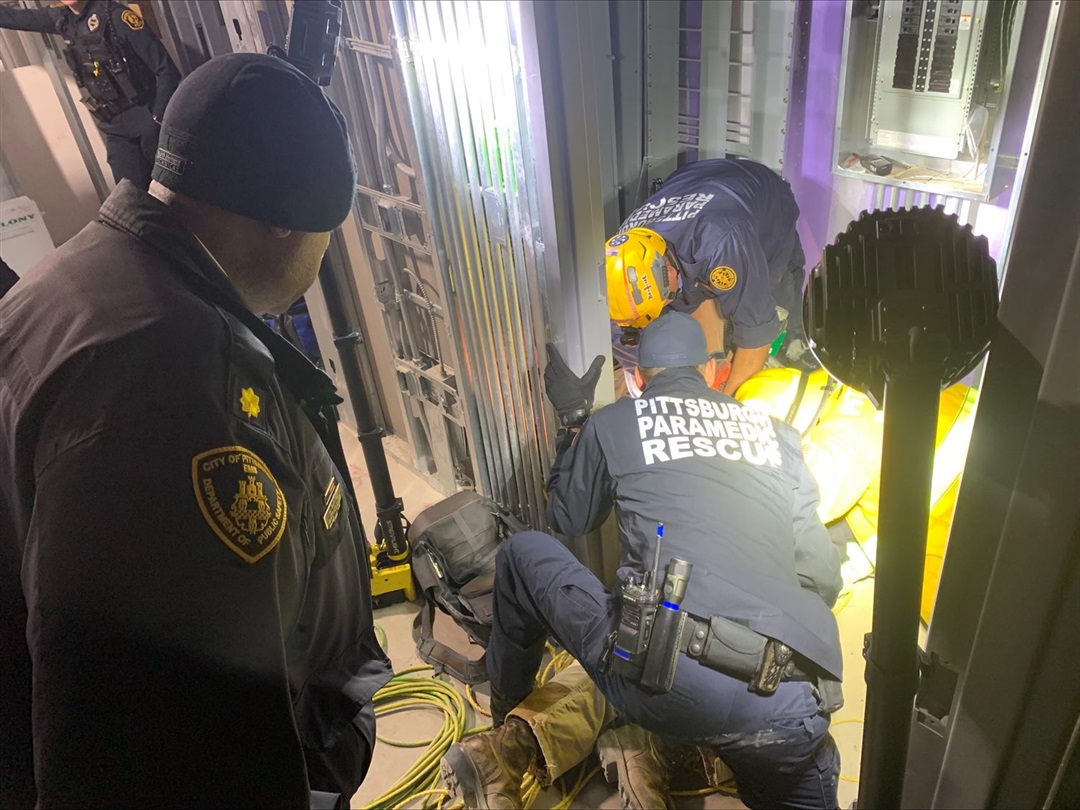
Highlights
- Ensure Immediate Medical Care – Prioritize the well-being of injured individuals.
- Secure and Document the Incident Scene – Maintain evidence integrity by preserving the scene.
- Timely Reporting – Inform relevant authorities and management to coordinate follow-up actions.
Overview of the Accident Investigation Procedure
Accident investigation is a critical process designed to assess an incident comprehensively, understand its causes, and implement corrective measures to prevent future occurrences. The procedure, especially in environments where safety is paramount, follows a structured method. Here, we examine the first three steps in the accident investigation process: ensuring the injured are cared for, preserving the scene of the accident, and reporting the incident. Each step plays an essential role and must be conducted with precision and care.
Detailed Analysis of Each Step
1. Make Sure the Injured Person is Looked After
The initial priority following an accident is to ensure that any individual who may have been injured receives immediate and appropriate medical attention. This involves:
- Assessment of injury severity by trained personnel, ensuring that the most critical cases are addressed without delay.
- Initiation of first aid or emergency medical care depending on the nature and extent of the injuries.
- Coordination with local emergency medical services or onsite medical teams to provide continuous care.
- Documenting the victim’s condition accurately for subsequent review by health and safety professionals.
Providing prompt medical attention not only minimizes potential complications but also sets the foundation for a comprehensive accident investigation. Immediate care ensures that the victims' conditions are stabilized, which is crucial for any further incident analysis. The steps taken at this stage also impact the reliability of witness accounts and the overall understanding of the accident dynamics.
2. Preserve the Scene of the Incident
Once the injured have been taken care of, the next step is to secure and preserve the scene of the accident. The integrity of the accident scene is vital for correctly identifying contributing factors and causes. Key aspects of this step include:
- Securing the area using physical barriers such as cones or tape to prevent unauthorized access. This helps to avoid any accidental or deliberate contamination of the scene.
- Documenting the area meticulously through photographs, videos, and sketches. This visual evidence forms a critical part of the investigation record.
- Ensuring that any physical evidence, such as damaged equipment or substances that might have contributed to the accident, is not disturbed. Detailed logs and inventories of evidence are usually created for further evaluation.
- Involving professionals such as investigators who have the expertise to recognize and collect pertinent evidence without altering the original conditions.
Preserving the accident scene is a multifaceted process, incorporating safety measures, meticulous documentation, and the timely capture of all relevant evidence. All these efforts help to reconstruct the event accurately and can be crucial if legal or regulatory reviews are necessary. Ensuring that the location remains unaltered until a full investigation can be conducted is paramount.
3. Report the Accident
The final step in the initial phase of an accident investigation is to report the incident. Reporting is equally important as the other stages because it ensures transparency and accountability at multiple levels. This process involves:
- Informing relevant internal parties such as management, safety officers, and health and safety committees to initiate internal investigations.
- Notifying external regulatory bodies, such as OSHA or other relevant authorities, depending on local guidelines and the severity of the incident. Some jurisdictions have legal mandates or reporting thresholds that must be adhered to.
- Documenting the date, time, and details of the incident in an official accident report, which includes statements from witnesses and involved personnel.
- Implementing any immediate safeguards recommended by regulatory agencies or safety departments to mitigate further risk.
The reporting phase is critical because it formalizes the incident, ensuring that all stakeholders are aware and that systematic follow-up actions are initiated. The process of reporting is not only procedural; it is also preventive. By ensuring that accurate and detailed information is communicated promptly, organizations can take proactive steps to enhance future safety protocols.
Comparison of the Steps with Additional Factors
To provide a clearer understanding of how these steps interact and support a rigorous accident investigation process, consider the following table that summarizes the key needs and responsibilities associated with each step.
| Step | Key Actions | Purpose |
|---|---|---|
| 1. Look After Injured Person |
|
Ensure the safety and well-being of individuals, reduce the risk of complications, and gather crucial initial information. |
| 2. Preserve the Scene |
|
Maintain the original state of the accident scene to facilitate thorough investigation and accurate evidence analysis. |
| 3. Report the Accident |
|
Formalize the incident to ensure accountability, guide further investigation, and prevent similar future events. |
Additional Considerations and Best Practices
While the primary steps have been clearly outlined, several additional considerations can further enhance the effectiveness of an accident investigation:
- Training and Preparedness: Ensure that all personnel are appropriately trained in first aid as well as in basic investigative techniques. This minimizes delays in documenting the scene accurately.
- Consistency in Documentation: Utilize a standardized accident report form that captures all necessary details, including photographic evidence, eyewitness accounts, and preliminary analysis. Documentation should be clear and comprehensive to support any subsequent investigation or legal proceedings.
- Communication Protocols: Establish clear communication channels both internally and with external entities so that upon occurrence of an accident, the signalled report reaches all key decision-makers promptly.
- Review and Follow-up: After the initial investigation, a review process should be initiated to examine causes and implement corrective actions. This might include revising safety protocols, updating emergency response procedures, or offering additional training.
- Safety Culture Enhancement: Ensure that the organization fosters an environment where safety is prioritized. In such a culture, employees feel comfortable reporting incidents and near-misses which are opportunities for learning and improvement.
Incorporating these best practices during and after the initial accident investigation steps not only increases the quality of the investigation but ultimately contributes to a safer, more resilient workplace.
Integrating the Three Steps into a Coherent Procedure
The three critical steps discussed – ensuring the well-being of those injured, preserving the accident scene, and reporting the incident – are interlinked components of a broader, comprehensive incident investigation procedure. It is essential that each step be conducted sequentially to maximize the accuracy and reliability of the investigation:
- The immediate medical intervention can drastically reduce both the physical and psychological impacts on victims, allowing the rest of the investigative team to focus on understanding the technical details of the incident.
- Preserving the scene without delays is key. Evidence can be time-sensitive; any disturbance may compromise the investigation’s findings and infer potential liability issues.
- Precise and detailed reporting ensures that all facts are formally acknowledged, which is necessary for procedural accountability and for driving subsequent improvements in safety practices.
Case Study Example
Consider an industrial accident involving heavy machinery. The first responder’s priority is to render medical assistance by administering first aid and calling for backup medical services. Once the injured worker is stabilized, the incident commander secures the immediate area, cordoning off sections of the facility and capturing high-resolution images and video footage of the machinery's condition, the positioning of workers, and any notable environmental factors that contributed to the accident. Following this, an official report is compiled, detailing all collected evidence and immediate care actions taken. The formal report is then relayed both internally to corporate safety committees and to external regulatory agencies. This structured approach not only mitigates further injury or damage but also furnishes critical data that can lead to enhanced safety protocols and prevent future occurrences.
Resources and References
For further reading and more comprehensive guidelines on accident investigation procedures, the following resources offer detailed information and best practices:
- Accident Investigation Process - Insure Compliance
- How to Conduct Accident Investigations - SHRM
- Seven Steps of a Thorough Accident Investigation - Safety Management Group
- Best Practices for Securing and Documenting an Accident Scene - HSE Blog
- Incident Investigation Process – Safety Resources
Recommended Further Inquiries
Last updated March 25, 2025