
Comprehensive Guide to Implementing an Accident Tracking System in Guimaras
Enhancing Road Safety and Emergency Response Through Advanced Technology
Key Takeaways
- Integration of GPS and GSM technologies can significantly improve real-time accident detection and response.
- Data analysis from tracking systems helps in identifying accident hotspots and implementing preventive measures.
- Collaborative efforts among local government, emergency services, and the community are essential for successful system implementation.
Introduction to Accident Tracking Systems
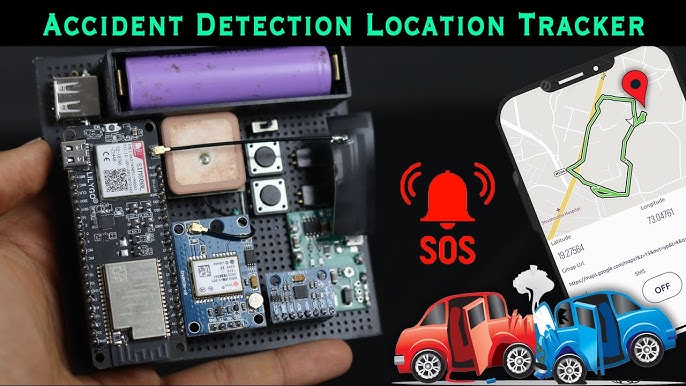
An Accident Tracking System (ATS) is a technological framework designed to monitor, detect, and respond to vehicular accidents in real-time. By utilizing various technologies such as GPS, GSM, and MEMS sensors, these systems can provide immediate notifications to emergency services and relevant authorities, thereby reducing response times and potentially saving lives. Implementing such a system in Guimaras can address the province's significant number of traffic accidents and enhance overall road safety.
Components of an Accident Tracking System
1. Data Collection
Incident Reporting
Effective data collection begins with robust incident reporting mechanisms. Local authorities, hospitals, and emergency services must have streamlined processes to report accidents. This can include automated alerts from vehicles equipped with tracking devices or manual reports from first responders.
Geotagging and GPS Integration
Geotagging involves using GPS technology to pinpoint the exact location of an accident. This information is crucial for dispatching emergency services swiftly. Integrating GPS into vehicles can automate this process, ensuring that accurate location data is available in real-time.
2. Data Analysis
Statistical Analysis
Collecting data is only the first step; analyzing this data is equally important. Statistical analysis can reveal patterns in accident occurrences, such as frequent accident hotspots or common causes. This information can guide policymakers in implementing targeted safety measures.
Predictive Modeling
Using historical data, predictive models can forecast potential accident zones and times. This proactive approach allows for preventative measures, such as increased patrols or improved road signage in predicted high-risk areas.
3. Response and Prevention
Emergency Response
Rapid response is critical in minimizing the impact of accidents. An ATS ensures that emergency services are notified instantly, allowing for quicker dispatch and timely medical attention. This can significantly reduce the severity of injuries and fatalities.
Preventive Measures
Data-driven insights enable the implementation of preventive measures. For instance, if data indicates that a particular intersection is prone to accidents, authorities can enhance lighting, improve road markings, or install traffic signals to mitigate risks.
Relevance to Guimaras
Guimaras has witnessed a considerable number of traffic accidents, underscoring the need for an effective ATS. Beyond road safety, the province has also faced significant environmental incidents, such as oil spills, which highlight the importance of a comprehensive tracking and response system.
Road Safety Improvements
With 279 traffic accidents reported by the Guimaras Provincial Police Office (GPPO) in 2023 alone, implementing an ATS can help in:
- Identifying high-risk areas and times for accidents.
- Enhancing the efficiency of emergency response teams.
- Reducing the overall number of accidents through informed safety measures.
Environmental Incident Management
The 2006 oil spill incident in Guimaras demonstrated the province's vulnerability to environmental disasters. An integrated ATS can also monitor and respond to such events by:
- Providing real-time data on environmental incidents.
- Coordinating response efforts among various agencies.
- Facilitating quicker mitigation to minimize environmental damage.
Implementation of the Accident Tracking System in Guimaras
1. Stakeholder Engagement
Successful implementation of an ATS requires the involvement of multiple stakeholders, including:
- Local Government Units (LGUs): Play a crucial role in policy-making and providing necessary funding.
- Emergency Services: Ensure timely response through efficient communication channels.
- Community Leaders: Foster public awareness and encourage community participation.
- Technology Providers: Supply and maintain the necessary technological infrastructure.
2. Technology Infrastructure
Establishing a robust IT infrastructure is essential for the seamless operation of the ATS. This includes:
- Servers and Databases: Securely store and manage accident data.
- Software Platforms: Facilitate data collection, analysis, and reporting.
- Communication Networks: Ensure reliable connectivity for real-time data transmission.
3. Training and Capacity Building
Personnel involved in the ATS must be adequately trained to operate and maintain the system. This includes:
- Technical Training: Equip staff with the skills to handle technological components.
- Operational Training: Understand protocols for data reporting and emergency response.
- Continuous Education: Keep personnel updated with the latest advancements and best practices.
4. Public Awareness and Participation
Engaging the community is vital for the success of the ATS. Public awareness campaigns can:
- Educate citizens about the benefits of the ATS.
- Encourage the use of reporting tools for accidents.
- Promote a culture of safety and accountability on the roads.
5. Integration with Existing Systems
Integrating the ATS with existing systems, such as the Community-Based Monitoring System (CBMS), can enhance its effectiveness by:
- Providing a comprehensive view of community needs and challenges.
- Streamlining data management and reducing redundancy.
- Enabling multi-faceted analysis for better decision-making.
Technological Considerations
GPS and GSM Integration
The integration of GPS and GSM technologies is fundamental to the functionality of an ATS. GPS provides precise location data, while GSM facilitates communication by transmitting data to emergency services and authorized contacts.
Use of MEMS Sensors
Micro-Electro-Mechanical Systems (MEMS) sensors can detect sudden changes in motion, such as those experienced during a vehicular accident. These sensors can automatically trigger alerts, ensuring that accidents are reported even if the driver is incapacitated.
Web-Based Platforms
A web-based platform allows for real-time monitoring and management of accident data. Features may include:
- Real-time vehicle tracking dashboards.
- Automated SMS alerts to designated contacts.
- Historical data repositories for analysis and reporting.
Emergency Notification Systems
Emergency notification systems ensure that alerts are sent immediately to relevant parties. This can include automated calls to emergency services, SMS alerts to local authorities, and notifications to registered contacts of the vehicle owner.
GIS Mapping Integration
Geographic Information Systems (GIS) mapping integration allows for the visualization of accident data on maps. This aids in identifying patterns, such as accident-prone areas, and facilitates informed decision-making for infrastructure improvements.
Benefits of Implementing an ATS in Guimaras
Enhanced Emergency Response
By providing real-time location data and immediate alerts, an ATS ensures that emergency services can reach accident sites promptly. This can significantly reduce response times, which is critical in saving lives and minimizing injuries.
Data-Driven Decision Making
The accumulation and analysis of accident data enable authorities to make informed decisions regarding road safety and infrastructure improvements. Identifying high-risk areas allows for targeted interventions, such as adding traffic signals or improving road conditions.
Increased Road Safety Awareness
Public awareness initiatives associated with the ATS promote a culture of safety among drivers. Encouraging responsible driving behaviors and educating the public about the ATS can lead to a reduction in traffic accidents.
Environmental Protection
An integrated ATS can also monitor and respond to environmental incidents, such as oil spills or chemical leaks. Prompt response to such incidents can prevent long-term environmental damage, preserving Guimaras' natural beauty and resources.
Efficient Resource Allocation
With accurate data on accident locations and occurrences, authorities can allocate resources more efficiently. This includes deploying emergency services to areas with higher accident rates and scheduling maintenance or enhancements in identified hotspots.
Challenges and Solutions
Funding and Budget Constraints
Implementing an ATS requires significant financial investment in technology and infrastructure. To address budget constraints, Guimaras can explore:
- Government grants and funding from national agencies.
- Public-private partnerships to share costs and resources.
- Phased implementation to spread out expenses over time.
Technical Expertise
Maintaining and operating an ATS requires specialized technical skills. Solutions include:
- Providing comprehensive training programs for local personnel.
- Collaborating with technology firms for ongoing support.
- Implementing user-friendly interfaces to reduce the complexity of the system.
Data Privacy and Security
Ensuring the privacy and security of collected data is paramount. Measures to safeguard data include:
- Implementing robust encryption protocols for data transmission and storage.
- Establishing strict access controls and authentication mechanisms.
- Regularly auditing the system to detect and address vulnerabilities.
Public Acceptance and Participation
Gaining public trust and participation is essential for the success of the ATS. Strategies to enhance acceptance include:
- Conducting awareness campaigns to educate the public about the benefits of the system.
- Engaging community leaders to advocate for the system.
- Ensuring transparency in data usage and system operations.
Case Studies and Success Stories
Successful Implementation in Similar Regions
Several regions have effectively implemented ATS, offering valuable lessons for Guimaras:
Case Study 1: Metro Manila
Metro Manila introduced a comprehensive vehicle tracking and accident monitoring system that reduced traffic fatalities by 15% within two years. Key factors in their success included strong stakeholder collaboration, extensive public awareness campaigns, and the integration of GIS mapping for data analysis.
Case Study 2: Cebu Province
Cebu's ATS implementation focused on real-time data collection and response. By partnering with local technology firms, they developed a user-friendly platform that seamlessly integrated with existing emergency services, leading to improved response times and better resource allocation.
Lessons Learned
These case studies highlight the importance of:
- Collaborative efforts among government, private sector, and the community.
- Investment in reliable and scalable technology infrastructure.
- Ongoing training and capacity building for system operators.
Future Prospects and Innovations
Integration with Smart City Initiatives
As Guimaras explores smart city initiatives, the ATS can be integrated into a broader framework of intelligent transportation systems. This includes:
- Smart traffic signals that adjust based on real-time traffic conditions.
- Connected vehicles that communicate with infrastructure to enhance safety.
- Data analytics platforms that provide comprehensive insights for urban planning.
Adoption of Artificial Intelligence
Incorporating artificial intelligence (AI) can enhance the capabilities of the ATS by:
-
Predicting accident-prone areas using machine learning algorithms.
-
Automating data analysis to provide quicker insights and recommendations.
-
Enhancing the accuracy of accident detection and response coordination.
Expansion to Other Types of Incidents
While the primary focus is on vehicular accidents, the ATS can be expanded to monitor and respond to other types of incidents, such as natural disasters or public safety emergencies. This holistic approach ensures comprehensive coverage of all potential incidents impacting the community.
Conclusion
Implementing an Accident Tracking System in Guimaras presents a significant opportunity to enhance road safety, improve emergency response times, and prevent environmental incidents. By leveraging advanced technologies such as GPS, GSM, and MEMS sensors, and fostering collaboration among various stakeholders, Guimaras can establish a robust framework for accident monitoring and management. The integration of data analysis and predictive modeling will enable informed decision-making, leading to targeted safety interventions and resource optimization. As Guimaras moves towards smart city initiatives, the ATS can play a pivotal role in creating a safer and more resilient community.
References
Last updated February 13, 2025