
Acetylcarnitine Dynamics in Chronic Kidney Disease
Understanding the Role and Fluctuations of Acetylcarnitine in CKD Progression
Key Takeaways
- Consensus on Acetylcarnitine Levels: Most studies indicate an increase in acetylcarnitine levels as CKD progresses.
- Metabolic Implications: Elevated acetylcarnitine is associated with mitochondrial dysfunction and insulin resistance in CKD patients.
- Potential Therapeutic Targets: Understanding acetylcarnitine dynamics opens avenues for interventions aimed at improving metabolic health in CKD.
Introduction to Acetylcarnitine and Chronic Kidney Disease
Chronic Kidney Disease (CKD) is a progressive condition characterized by the gradual loss of kidney function. Among the various metabolic alterations observed in CKD patients, changes in acetylcarnitine levels have garnered significant attention due to their potential implications in disease progression and patient health.
Acetylcarnitine: A Metabolic Overview
Role in Fatty Acid Transport and Energy Production
Acetylcarnitine, an ester of carnitine, plays a pivotal role in the transport of fatty acids into the mitochondria for β-oxidation, a critical process for energy production. By facilitating the movement of fatty acids, acetylcarnitine ensures efficient energy metabolism, which is essential for the normal functioning of various tissues, including the kidneys.
Metabolic Buffering
Acetylcarnitine acts as a buffer for acetyl-CoA, helping to maintain the acetyl-CoA to CoA ratio within the mitochondria. This buffering capacity is crucial for sustaining metabolic flux and preventing the accumulation of excess acetyl-CoA, which can be detrimental to cellular function.
Acetylcarnitine Levels in Chronic Kidney Disease
General Trends Observed in CKD
The majority of existing literature indicates that acetylcarnitine levels are elevated in patients with CKD. This elevation correlates with the decline in renal function, suggesting that impaired kidney function leads to the accumulation of acetylcarnitine due to reduced excretion.
Conflicting Evidence on Decrease of Acetylcarnitine
While the consensus points towards an increase in acetylcarnitine levels in CKD, some studies have reported a decrease in these levels. This discrepancy could be attributed to variations in study populations, stages of CKD examined, and methodologies employed. It's essential to critically evaluate these findings within the broader context of CKD-related metabolic disturbances.
Metabolic Consequences of Altered Acetylcarnitine Levels
Mitochondrial Dysfunction
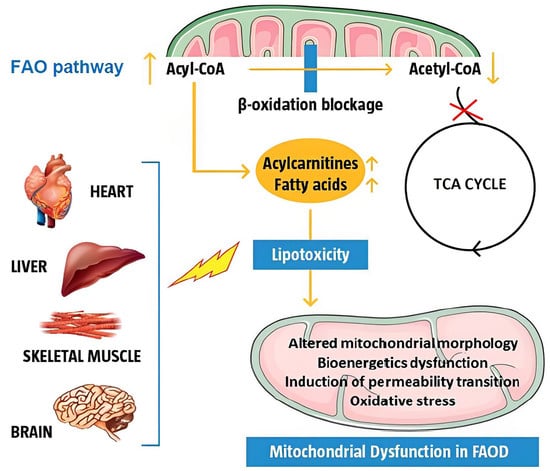
Elevated acetylcarnitine levels can disrupt mitochondrial function by altering the acetyl-CoA to CoA ratio. This imbalance may lead to the depletion of CoA, a vital coenzyme in numerous metabolic pathways, thereby hampering energy production and contributing to overall metabolic inefficiency.
Insulin Resistance
The accumulation of acetylcarnitine has been linked to insulin resistance, particularly in skeletal muscle tissues. Insulin resistance is a significant concern in CKD patients, as it exacerbates metabolic complications and heightens the risk of cardiovascular diseases.
Energy Metabolism Impairment
Acetylcarnitine serves as a crucial intermediary in energy metabolism. Its dysregulation can signify impaired fatty acid oxidation, leading to a shift away from efficient energy production. This impairment not only affects renal tissues but also has systemic repercussions, impacting various organs reliant on mitochondrial energy production.
Clinical Implications and Potential Therapeutic Interventions
Biomarker Potential
The consistent elevation of acetylcarnitine in CKD patients positions it as a potential biomarker for disease progression. Monitoring acetylcarnitine levels could aid in early detection and in assessing the efficacy of therapeutic interventions aimed at mitigating metabolic disturbances.
Therapeutic Targets
Addressing the metabolic imbalance caused by elevated acetylcarnitine could involve strategies aimed at enhancing mitochondrial function or facilitating the clearance of excess acetylcarnitine. Potential interventions may include carnitine supplementation or the use of agents that modulate mitochondrial metabolism.
Comparative Analysis of Acetylcarnitine Levels Across CKD Stages
Stage-wise Acetylcarnitine Concentration
The following table delineates the observed trends in acetylcarnitine levels across different stages of CKD, highlighting the correlation between disease progression and metabolite accumulation.
Table 1: Acetylcarnitine Levels Across CKD Stages
| CKD Stage | Estimated GFR (ml/min/1.73 m²) | Acetylcarnitine Level (µmol/L) |
|---|---|---|
| 1 | >90 | Normal to Slightly Elevated |
| 2 | 60-89 | Moderately Elevated |
| 3 | 30-59 | Significantly Elevated |
| 4 | 15-29 | High Elevation |
| 5 | <15 | Markedly Elevated |
Interpreting the Table
As CKD advances from stage 1 to stage 5, the estimated glomerular filtration rate (eGFR) declines, and concomitantly, acetylcarnitine levels show a progressive increase. This trend underscores the role of impaired renal function in the accumulation of acetylcarnitine.
Mechanisms Underlying Acetylcarnitine Accumulation in CKD
Impaired Renal Excretion
The kidneys are responsible for the excretion of various metabolites, including acetylcarnitine. In CKD, the reduced glomerular filtration rate impairs the kidneys' ability to clear acetylcarnitine effectively, leading to its accumulation in the serum.
Altered Carnitine Metabolism
CKD affects carnitine metabolism, potentially disrupting the synthesis and degradation pathways of acetylcarnitine. This disruption can result in either decreased synthesis or altered distribution, further contributing to the elevated levels observed in CKD patients.
Systemic Inflammation and Oxidative Stress
Chronic inflammation, a hallmark of CKD, can induce mitochondrial dysfunction. This dysfunction affects energy metabolism, leading to altered acetylcarnitine levels. Additionally, oxidative stress can exacerbate metabolic imbalances, compounding the effects of increased acetylcarnitine.
Recent Research Insights
Recent studies have provided deeper insights into the role of acetylcarnitine in CKD. Notably, research has demonstrated that elevated acetylcarnitine levels are closely associated with insulin resistance and mitochondrial dysfunction, two critical factors influencing the health and prognosis of CKD patients.
Insulin Resistance and Metabolic Health
The accumulation of acetylcarnitine in CKD patients has been implicated in the development of insulin resistance, particularly within skeletal muscle tissues. This resistance not only affects glucose metabolism but also increases the risk of cardiovascular complications, which are prevalent in the CKD population.
Mitochondrial Dysfunction
Elevated acetylcarnitine disrupts mitochondrial function by altering the balance between acetyl-CoA and CoA. This imbalance impairs the mitochondria's ability to produce energy efficiently, leading to broader metabolic inefficiencies that can affect multiple organ systems.
Future Directions and Therapeutic Avenues
Potential for Carnitine Supplementation
Given the role of acetylcarnitine in fatty acid metabolism, carnitine supplementation has been proposed as a therapeutic strategy to mitigate the adverse effects of its accumulation. However, the interplay between supplementation and the altered metabolic pathways in CKD necessitates further research to optimize treatment protocols.
Enhancing Mitochondrial Function
Therapeutic interventions aimed at improving mitochondrial function could help address the metabolic disruptions caused by elevated acetylcarnitine levels. Strategies may include the use of mitochondrial-targeted antioxidants or agents that enhance mitochondrial biogenesis.
Biomarker Development
The consistent elevation of acetylcarnitine presents an opportunity to develop it as a biomarker for CKD progression. Integrating acetylcarnitine measurements into routine clinical assessments could enhance the early detection of CKD and allow for more timely and targeted interventions.
Conclusion
Acetylcarnitine plays a multifaceted role in the metabolic landscape of Chronic Kidney Disease. While the prevailing consensus underscores an increase in its levels as CKD progresses, the implications of this accumulation are profound, affecting mitochondrial function and insulin sensitivity. Understanding these metabolic alterations not only enhances our comprehension of CKD pathophysiology but also opens avenues for potential therapeutic interventions aimed at improving patient outcomes.
References
JStage Article on Acetylcarnitine in CKD
Nature Communications Study on Acetylcarnitine
PMC Article on Acetylcarnitine Levels in CKD
PMC Study on Metabolomics in CKD
Last updated February 17, 2025