
ACLS Course Essentials: Teaching Rhythms and Drugs
A Comprehensive Guide to Key Areas in ACLS Curricula
Highlights
- Integrated Learning: Emphasizing the combined approach of rhythm recognition and drug administration to optimize patient outcomes.
- Hands-On Application: Learning through simulations, case studies, and algorithm-based flows to build practical skills.
- Comprehensive Coverage: Detailed examination of both the theoretical and practical aspects of ACLS, including ECG interpretation, rhythm management, and pharmacology.
Introduction
Advanced Cardiac Life Support (ACLS) courses are designed to equip healthcare professionals with the necessary skills and knowledge to effectively manage cardiac emergencies. A pivotal component of ACLS training is the in-depth understanding of cardiac rhythms combined with the correct usage of pharmacological interventions. This comprehensive guide will delve into the fundamental areas that need to be covered when teaching rhythms and drugs in an ACLS course. By integrating theoretical background, practical exercises, and algorithm-driven decision processes, the curriculum ensures that learners are well-prepared to respond to a range of cardiac emergencies in real-world scenarios.
Core Topics in Rhythm Recognition
Cardiac Rhythm Identification
The cornerstone of ACLS training lies in the ability to recognize and classify various cardiac rhythms accurately using an electrocardiogram (ECG). Understanding the electrical activity of the heart enables practitioners to quickly diagnose life-threatening arrhythmias and implement the appropriate interventions.
Common Cardiac Rhythms
The course curriculum should cover a range of cardiac rhythms including:
- Sinus Rhythms: Normal sinus rhythm, as well as variations like sinus bradycardia and sinus tachycardia.
- Atrial Rhythms: Atrial fibrillation, atrial flutter, and other atrial arrhythmias which may necessitate rate control or rhythm conversion.
- Ventricular Rhythms: Ventricular fibrillation (VF) and pulseless ventricular tachycardia (VT) that require immediate defibrillation.
- Heart Blocks: Various degrees of atrioventricular (AV) block, including first-degree, second-degree (Mobitz I and II), and complete heart block, each with its specific management strategies.
- Other Critical Rhythms: Asystole and pulseless electrical activity (PEA), both of which require distinct resuscitation protocols due to the absence of overt electrical activity.
ECG/EKG Interpretation Skills
Mastery of ECG interpretation is essential for the effective diagnosis and management of dysrhythmias in ACLS. Instructors should provide detailed training on:
- Understanding the heart's conduction system and its representation on an ECG.
- Analyzing the QRS complex, P wave, PR interval, and ST segment.
- Identifying specific ECG patterns that correlate with different cardiac dysrhythmias.
- Utilizing rhythm strips for rapid assessments in emergency situations.
Rhythm-Based Management Approaches
Recognizing a rhythm is only the first step; applying the correct management algorithm is equally important. Instructors should integrate the following aspects into their teaching:
- Defibrillation Techniques: Emphasize the importance of early defibrillation in shockable rhythms such as VF and pulseless VT. Detail the timing and energy levels required for successful defibrillation or cardioversion.
- Non-Shockable Rhythms: For rhythms such as asystole and PEA, focus on high-quality cardiopulmonary resuscitation (CPR) coupled with appropriate pharmacological support.
- Case-Based Learning: Integrate simulated scenarios where students can apply their rhythm interpretation skills in real-time, mimicking the dynamic environment of a cardiac emergency.
Core Topics in ACLS Pharmacology
Foundational Pharmacological Knowledge
ACLS courses place a strong emphasis on pharmacology alongside rhythm interpretation. A thorough understanding of ACLS medications, including their indications, mechanism of action, correct dosages, and potential side effects, is crucial for patient safety and effective management.
Key ACLS Medications
The pharmacological curriculum in an ACLS course should focus on the following drugs:
- Epinephrine: Vital in cardiac arrest for its vasopressor effects, which help restore spontaneous circulation. It is also utilized in symptomatic bradycardia after atropine administration. Instructors should cover its dosages, administration intervals, and possible side effects such as hypertension and tachycardia.
- Amiodarone: An antiarrhythmic primarily used in cases of ventricular tachycardia and ventricular fibrillation. Instruction should include its use as a first-line agent following defibrillation in certain scenarios.
- Adenosine: Indicated for supraventricular tachycardia (SVT), adenosine can help restore normal cardiac rhythm by temporarily slowing conduction through the atrioventricular node. Detailed dosing and administration are critical.
- Atropine: Used to manage bradycardia, atropine works by blocking vagal influences on the heart, thereby increasing heart rate. It is essential that students learn both its indications and contraindications.
- Lidocaine: Often used in cases where amiodarone is unavailable, particularly in ventricular arrhythmias. Teaching should cover its mode of action and proper dosing protocols.
- Vasopressin: Although less commonly used, vasopressin can serve as an alternative or adjunct to epinephrine, particularly in cardiac arrest management within ACLS protocols.
Administration Techniques and Considerations
A critical part of ACLS pharmacology is understanding the practical aspects of drug administration:
- Routes of Administration: Training should cover intravenous (IV) and intraosseous (IO) routes, as well as endotracheal (ET) administration in specific circumstances, with an emphasis on rapid drug absorption.
- Dosing Calculations: Accurate dispensing is essential, and instructors must ensure that students are proficient in calculating the correct dosages based on patient parameters including age, weight, and clinical condition.
- Monitoring Patient Response: Continuous monitoring of vital signs and ECG is necessary after drug administration in order to adjust therapies rapidly.
- Potential Side Effects and Contraindications: Understanding the adverse effects—for example, the tremor and anxiety associated with epinephrine or the hypotension possible with vasopressin—and measures to mitigate these risks is crucial.
Integration into ACLS Algorithms
The effective teaching of ACLS drugs goes beyond memorization of dosages and indications—it requires an understanding of how these medications are integrated into broader treatment algorithms:
- Sequence of Intervention: The curriculum should emphasize the proper sequence of interventions, such as when to deploy medication following defibrillation or after initial CPR has been administered.
- Algorithmic Approach: Utilizing flow charts and visual aids can simplify the understanding of complex algorithms, showing how medications complement hands-on interventions and are adjusted based on patient response.
- Scenario-Based Applications: Detailed case studies and simulations where students administer drugs in real-time foster critical problem-solving abilities and highlight the real-life applicability of these algorithms.
Teaching Methodologies and Strategies
Didactic Sessions and Interactive Learning
An effective ACLS course balances lecture-based information delivery with interactive and hands-on sessions. The didactic segment should cover the theoretical basis for rhythm recognition and drug pharmacology, providing comprehensive overviews and contextual background. This foundation is then reinforced using:
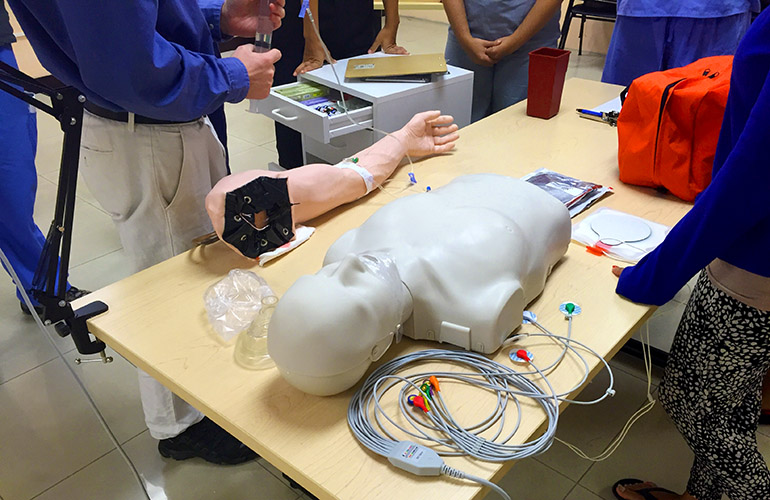
- Simulation Training: High-fidelity patient simulators and scenario-based exercises offer learners realistic experiences in managing cardiac emergencies, allowing them to apply rhythm recognition and pharmacological intervention skills simultaneously.
- Case Studies: Reviewing detailed case studies helps contextualize theoretical knowledge. Students analyze real-life scenarios, determine the course of action, and discuss the rationale behind selecting specific treatment algorithms and drug therapies.
- Group Learning and Role-Play: Team-based exercises encourage collaboration and emphasize the importance of communication and leadership in high-stress environments like resuscitation teams. By rotating roles, participants understand the challenges and responsibilities of each team member during an emergency.
Utilizing Visual Aids and Digital Tools
Enhancing the learning experience with visual aids is a highly effective strategy in ACLS education. Instructors can use various tools to illustrate concepts:
- Flowcharts and Diagrams: Graphical representations of ACLS algorithms help students grasp the sequence of interventions and the integration of drugs within these protocols.
- Interactive ECG Displays: Digital ECG simulators allow learners to practice and refine their interpretation skills, moving beyond static images to dynamic, real-time scenarios.
- Multimedia Presentations: Videos and animations explaining the mechanisms of action of ACLS medications provide engaging content that can simplify complex processes.
Structured Evaluation and Feedback
Consistent evaluation is vital to ensure that course objectives are met. Key strategies include:
- Frequent Assessments: Quizzes, practical assessments, and simulation performance evaluations help gauge learners’ comprehension and readiness for clinical application.
- Feedback Mechanisms: Immediate, constructive feedback during simulations and practical sessions enhances skill acquisition and builds confidence in managing emergent scenarios.
- Peer Review: Collaborative critique sessions where participants share insights promote an environment of collective learning and critical analysis.
Integrative Module: Combining Rhythms and Drugs
Scenario-Based Integration
One of the most effective components of an ACLS course is the ability to integrate rhythm recognition and pharmacological treatment in a seamless manner. This integration is best achieved through scenario-based modules where:
- Real-Time Decision Making: Learners are presented with clinical scenarios that require rapid diagnosis and treatment planning, integrating ECG interpretation with the timely administration of drugs based on patient presentation.
- Algorithm Adherence: Participants must follow established ACLS algorithms, demonstrating how drug choices are dictated by the type of cardiac rhythm encountered. For example, recognizing VF leads directly to immediate defibrillation followed by potential administration of epinephrine and antiarrhythmic agents like amiodarone.
- Simulated Critical Events: Incorporate events such as a transition from a shockable rhythm to asystole, where students must quickly adjust their management plan — shifting from electrical therapies to rely on medications and high-quality CPR, thereby underscoring the dynamic nature of ACLS interventions.
Practical Workshop on Drug Administration
Dedicated sessions on drug administration are equally crucial. During these workshops:
- Hands-On Skill Stations: Instructors set up multiple stations where students can practice IV and IO access, simulate the drawing and administration of medications, and calculate dosages accurately under stress.
- Table of Drug Protocols: Providing a clear, ready-reference drug table enhances learning. This table can include the drug name, indication, recommended dosage, route of administration, and common side effects, which students use as a quick guide during simulations and examinations.
- Interactive Discussion: Sessions that delve into the pharmacokinetics and pharmacodynamics of ACLS medications offer depth, ensuring that participants appreciate both the science and the clinical rationale behind each intervention.
Drug Protocol Reference Table
| Medication | Indication | Dose | Route | Key Side Effects |
|---|---|---|---|---|
| Epinephrine | Cardiac Arrest, Bradycardia | \(1\) mg every 3-5 mins | IV/IO | Tachycardia, Hypertension, Anxiety |
| Amiodarone | VF/VT | 300 mg initial dose | IV | Hypotension, Bradycardia |
| Adenosine | SVT | 6-12 mg rapid bolus | IV | Transient heart block, Flushing |
| Atropine | Bradycardia | 0.5-1 mg | IV | Dry mouth, Blurred vision |
| Lidocaine | Ventricular Arrhythmias | 1-1.5 mg/kg | IV | CNS toxicity, Hypotension |
Advanced Integrative Strategies
High-Performance Team Dynamics
Effective management of cardiac emergencies extends beyond individual competence. It involves orchestrating team efforts where each member’s role is clearly defined. ACLS courses should include modules on:
- Communication Skills: Teaching methods that foster clear, concise communication during high-stress scenarios. For instance, using closed-loop communication ensures that orders are heard, confirmed, and executed without error.
- Role Assignment and Leadership: Demonstrating the importance of assigning specific roles—such as team leader, airway manager, and medication administrator—helps optimize the resuscitation efforts and minimizes confusion during resuscitation.
- Simulated Team Resuscitations: Running full-team simulations allows participants to practice these dynamics. Observing and debriefing team performance reinforces the protocols and highlights areas for improvement both in clinical skills and team coordination.
Continuous Skill Refinement
The dynamic nature of cardiac emergencies necessitates that healthcare professionals refine their skills continuously. Periodic retraining and refresher courses ensure that practitioners remain up-to-date with the latest guidelines and advancements in ACLS protocols. Key aspects include:
- Regular Simulation Drills: Frequent practice sessions using current simulators help maintain proficiency in both rhythm recognition and pharmacologic interventions.
- Feedback-Driven Improvement: Structured debriefings following simulations allow learners to reflect on their performance, discuss challenges, and receive targeted recommendations for improvement.
- Updated Protocol Training: Given that ACLS guidelines are periodically updated by professional bodies, integrating current protocol changes into teaching materials ensures that learners are practicing the most evidence-based methods.
Conclusion
In summary, an ACLS course that thoroughly covers rhythms and drugs must strike a delicate balance between theoretical instruction, interactive learning, and hands-on practice. The curriculum should encompass the recognition and interpretation of both common and complex ECG rhythms, as well as the comprehensive knowledge of ACLS medications and their correct use in various clinical scenarios. By integrating algorithm-based decision making, simulation-based training, and clear visual aids, instructors can empower healthcare professionals to respond confidently and effectively in cardiac emergencies. Continuous evaluation and high-performance team dynamics further enhance the learning process, ensuring not only individual competence but also a cohesive and effective response in real-life resuscitation scenarios.
This detailed approach facilitates a deep understanding of both the theoretical and practical aspects of ACLS, ultimately aiming to improve patient outcomes through rapid recognition, precise execution of life-saving protocols, and seamless coordination of care during emergencies.
References
- Common ACLS Cardiac Rhythms - CPR Training Austin
- ACLS EKG Rhythms and Interpretation - ACLS Algorithms
- ACLS Drugs - World of Medical Saviours
- Commonly Used Medications in ACLS - ACLS Medical Training
- ACLS Drugs & Medications - ACLS Now
- ACLS Medications to Study - eMedCert
Recommended Further Queries
 czyspaces.sfo2.cdn.digitaloceanspaces.com
Last updated February 22, 2025