
Locating the Transmission Fluid Pressure Switch A on a 2011 Acura MDX
A thorough guide to understanding and accessing the switch's location
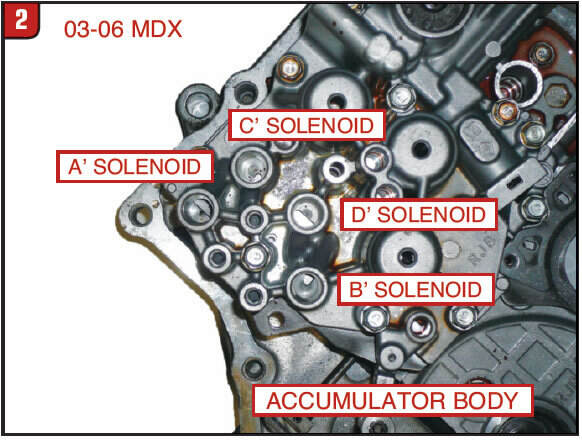
Highlights
- Transmission Mounted: The switch is primarily located on the transmission body.
- Multiple Reference Points: Generally found under the intake air duct, top left region, or near the air cleaner housing.
- Technical Variations: Details may vary slightly by model and 6-speed transmission configuration.
Overview and Importance
The Transmission Fluid Pressure Switch A (second clutch) in the 2011 Acura MDX plays a critical role in monitoring hydraulic pressure within the transmission assembly. This sensor is essential to ensure that hydraulic pressure remains optimal for proper gear shifting, clutch operation, and overall transmission performance. When working on this sensor, the accurate identification of its location is paramount for effective maintenance and troubleshooting, particularly when diagnosing issues related to gear shifts or related error codes such as a P0842 code, which may signal a short or malfunction within the transmission's circuitry.
Detailed Location Description
Primary Location
The switch is primarily mounted on the transmission body rather than being part of an external component. In several configurations of the MDX’s 6-speed transmission, you will notice that multiple pressure switches are present. For the second clutch fluid pressure switch (referred to as Switch A), the most consistent descriptions suggest that it can be found in one or more of the following locations:
Under the Intake Air Duct and Air Cleaner Housing
Many discussions point to the system’s proximity to the intake air duct and air cleaner housing. This location is significant because various components in the engine bay, including the intake system, overlay or partially obscure the transmission assembly. Accessing the switch often means that portions of the air duct or filter housing might need to be carefully disassembled or repositioned to gain clear visual and physical access.
Top Left Side of the Transmission
Another common description places the switch on the top left corner of the transmission. This top-mounted position makes certain that the sensor is easily reachable once the air intake assembly is removed. It is generally visible on the transmission body itself, and many service manuals will illustrate this positioning to help technicians locate it without ambiguity.
Alternate Considerations and Multiple Pressure Switches
It is important to note that depending on the build and service history of your vehicle, the 2011 MDX may contain several pressure switches on the transmission. Some MDX models have as many as six sensors built into the transmission system, each designated for a specific clutch or pressure monitoring function. While our focus here is on the second clutch sensor (denoted as Transmission Fluid Pressure Switch A), awareness of the other sensors’ locations—including those on the bottom and rear of the transmission—can be useful for broader diagnostic work.
Common Diagnostic and Service Procedures
For those planning to replace the switch, certain preparatory steps and safety measures will be beneficial. Typically, you'll need to:
- Ensure the engine is cool and the vehicle is safely elevated or on a level work area.
- Disconnect the battery to prevent any accidental short circuits during the procedure.
- Remove surrounding components such as parts of the air duct and air cleaner housing if necessary. This extra disassembly aids in better access to the sensor.
- Be prepared for the possibility of ATF (Automatic Transmission Fluid) leakage. Having a drip pan or towels can help manage any spills.
Adhering to the vehicle’s service manual instructions will improve both safety and efficiency when repairing or replacing the sensor.
Practical Steps to Locate the Sensor
Preparation and Disassembly
Before diving under the hood, it’s important to gather the necessary tools and review the vehicle’s service manual. While individual experiences might indicate minor variations, a standardized approach is very effective:
- Safety First: Park on a level surface, engage the parking brake, and disconnect the battery.
- Remove the Air Intake Assembly: Remove screws and clips securing the intake air duct and air cleaner housing to gain clearer access to the transmission compartment.
- Identify the Transmission Body: Once the surrounding components are removed, visually trace the transmission, focusing on the top left area where sensors are typically mounted.
- Locate the Sensor: Look for wiring connectors attached to small sensor units that are positioned on the transmission body. The sensor in question will often have a distinctive connector that distinguishes it from other adjacent sensors.
Handling the Sensor
After you have identified the location, the next steps involve dealing with the sensor carefully:
- Disconnect the electrical connector attached to the sensor. It is advisable to label or note its location to ensure the proper reconnection later.
- Follow the specific instructions for removing the sensor, which may include unscrewing it using the correct tool or gently prying it off if it’s mounted in a recessed area.
- If replacing the sensor, compare the new part with the old one to ensure correct fitment and compatibility with your vehicle’s transmission model.
Always adhere to manufacturer recommended procedures regarding torque specifications and connector reinstallation techniques to avoid future sensor malfunctions.
Visual Representation and Comparative Analysis
Conceptual Diagram of Sensor Placement
Below is a table summarizing the various potential sensor placements found in the transmission assembly of the 2011 Acura MDX:
| Location Area | Description | Access Considerations |
|---|---|---|
| Under Intake Air Duct/Air Cleaner Housing | Sensor is behind or partially masked by the intake system components. | May require partial disassembly of the air duct housing. |
| Top Left of Transmission | Sensor mounted on the transmission body, usually visible once the intake is removed. | Easier access once intake components are relocated. |
| Bottom or Rear of Transmission | Other pressure switches on the transmission often lined along different orientations. | May require lifting the vehicle or removing splash guards for access. |
Alternative Considerations in Various Models
While the typical descriptions above match most 2011 Acura MDX models equipped with the 6-speed transmission, there are nuances that can arise due to service history, modifications, or even differences in production runs. Some vehicles have been noted to have sensor placements that are slightly different from the typical configuration. However, the consensus across various automotive discussions is that the sensor is intentionally positioned on the transmission body to directly monitor the fluid pressure associated with the second clutch mechanism.
Comparative Note on Sensor Locations
Many technicians have noted the following points when comparing sensor locations in the MDX:
- The switch's proximity to the air intake system is an important clue, as it is typically masked by nearby assemblies.
- Accessing the top left sensor is generally less complex once the air duct and filter housing are addressed.
- In some cases, users have reported that replacing that sensor along with the others can help maintain transmission performance over time, as multiple sensors tend to deteriorate concurrently.
Diagnostic and Maintenance Considerations
Implications of Sensor Failure
The malfunction of the Transmission Fluid Pressure Switch A can lead to a range of issues. A faulty sensor may trigger error codes (for instance, a P0842 code), cause improper clutch operation, or result in suboptimal hydraulic pressure management within the transmission. Therefore, routine checks, especially at mileage intervals around 70,000 to 75,000 miles, are advisable to preemptively address potential failures. If the sensor begins signaling erratic readings or shows signs of corrosion and wear, it might be time to replace it.
Step-by-Step Diagnostic Procedure
When diagnosing transmission issues that might stem from a malfunctioning pressure sensor, consider the following procedure:
- Scan for error codes using an OBD-II scanner to confirm the transmission-related fault, particularly codes corresponding to pressure discrepancies.
- Perform a visual inspection of the sensor area, noting any signs of physical damage, fluid residue, or corrosion.
- Test the sensor’s electrical connector and wiring using a multimeter to ensure that the sensor is receiving proper voltage and sending appropriate signals.
- If needed, remove the sensor from the transmission and test its functionality off the vehicle using bench testing methods or consult experts who specialize in transmission diagnostics.
Following such diagnostic steps not only confirms the source of the malfunction but also provides insight into whether a complete sensor replacement or a more extensive transmission service is warranted.
Recommended Maintenance Tips
Ongoing maintenance practices can help minimize the likelihood of transmission sensor issues. It is advisable to:
- Include a regular transmission fluid and filter change in your vehicle’s maintenance schedule.
- Have periodic inspections of the sensor and its surrounding components during routine service visits.
- Look out for erratic shifting behavior or unusual engine codes and address them promptly to avoid cascading failures.
- Consult service manuals or trusted automotive forums to gather insights on best practices specific to the Acura MDX.
Additional Technical Insights
Understanding the Role of Multiple Sensors
In many modern transmission systems, several sensors work in tandem to relay critical information about hydraulic pressures at various points. Besides the second clutch pressure switch (Switch A), other sensors may be responsible for monitoring fluid pressure around other clutches and components. This comprehensive network is designed to enhance precision in gear shifting and ensure that all operational parameters are within the manufacturer’s specifications.
Integration With Vehicle Diagnostics
The Acura MDX’s onboard diagnostics system closely monitors readings from the pressure switch. Anomalies in sensor data can influence the vehicle’s transmission control module, resulting in adaptive changes such as modified shift timing or torque management. Consequently, a failing sensor not only triggers a diagnostic trouble code but can indirectly affect driving performance. Understanding this integration is essential for interpreting service information and planning repairs effectively.
Challenges in Sensor Replacement
Replacing the Transmission Fluid Pressure Switch A can be challenging due to its location and the delicacy of the sensor assembly. This cumulative challenge is addressed by:
- Ensuring all surrounding components are safely removed to prevent accidental damage.
- Handling the sensor with care, as it is susceptible to damage from excessive torque or force during extraction.
- Double-checking for proper alignment of connectors after installation to prevent future malfunctions.
- Taking preventive measures against possible ATF leaks by having appropriate tools and protective covering on hand.
This process often encourages vehicle owners to consider a general refresh of all related sensors, which can mitigate future costs and avoid fragmented repairs.
Conclusion and Final Thoughts
In conclusion, the Transmission Fluid Pressure Switch A in the 2011 Acura MDX is primarily located on the transmission body, typically found under the intake air duct and air cleaner housing or on the top left side of the transmission. Its exact placement may vary slightly based on the specific 6-speed transmission model, but the consensus remains consistent among technicians and enthusiasts: it is meant to monitor the fluid pressure associated specifically with the second clutch. The sensor’s role is integral to maintaining correct shifting parameters and overall transmission performance.
Understanding its precise location and the associated service procedures is essential for any major transmission work or diagnostic effort regarding transmission performance issues. Whether you are clearing diagnostic trouble codes, replacing worn sensors, or conducting regular maintenance, ensuring the proper handling and placement of the sensor will help sustain the integrity of the transmission. Additionally, thorough diagnostic procedures and safety measures are crucial in delivering a long-term solution and preventing further complications. If uncertainty persists, consulting with a professional mechanic or confirming details with trusted service literature is highly advisable.
References
-
Can anyone help locate the Transmission Fluid Pressure Switch A (2nd Clutch) in an Acura MDX 2011 - MDXers
- Acura MDX: How to Replace Transmission Pressure Sensors - AcuraZine
- 2011 MDX 6spd Transmission Pressure Switches - AcuraZine Forums
Recommended Related Queries
Last updated February 27, 2025