
Subtle Points of English Grammar Even Well-Educated Individuals Struggle With
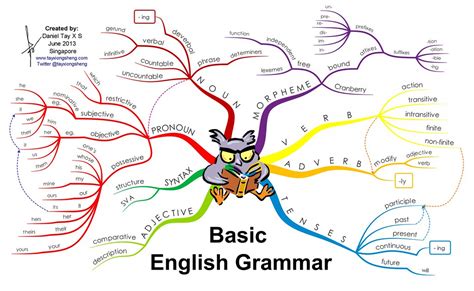
English grammar is rich and complex, encompassing a myriad of rules and exceptions that can baffle even the most well-educated speakers. Mastering these subtleties is essential for clear and effective communication. This comprehensive guide delves into the nuanced aspects of English grammar that frequently challenge individuals, providing detailed explanations and examples to enhance understanding and usage.
1. Subject-Verb Agreement
a. Collective Nouns
Collective nouns such as "team," "family," or "government" refer to a group of individuals acting as a single entity or as separate members. The choice between singular and plural verbs depends on the context:
- Singular Verb: When the group acts as a single unit. "The team is winning."
- Plural Verb: When individuals within the group are acting separately. "The team are arguing among themselves."
b. Indefinite Pronouns
Indefinite pronouns such as "everyone," "someone," "anyone," and "nobody" are singular in form, even though they may imply multiple people. Ensuring verb agreement is crucial:
- "Everyone has completed their assignment."
- "Nobody wants to be left out."
2. Pronoun Usage and Reference
a. Pronoun Agreement
Pronouns must agree with their antecedents in number and gender. Mismatches can lead to confusion:
- Incorrect: "Every boy must sign in when they arrive."
- Correct: "Every boy must sign in when he arrives."
b. Pronoun Case
Understanding the difference between subjective and objective pronouns is essential. Misusage can alter the intended meaning:
- "Between you and me." (Correct)
- "Between you and I." (Incorrect)
c. Ambiguous Pronoun Reference
Pronouns should clearly refer to a specific noun to avoid ambiguity:
- "John told Tom he was wrong." (Unclear who "he" refers to)
- "John told Tom that Tom was wrong." (Clear)
d. Who vs. Whom
The distinction between "who" and "whom" often confuses even proficient speakers:
- Who: Used as a subject. "Who is coming to the party?"
- Whom: Used as an object. "To whom should I send this email?"
3. Verb Forms and Usage
a. Split Infinitives
A split infinitive occurs when an adverb is placed between "to" and the verb, which was traditionally discouraged but is widely accepted for clarity:
- Acceptable: "She decided to quickly run."
- Traditional: "She decided quickly to run."
b. Lay vs. Lie
The verbs "lay" and "lie" are often confused due to their similar meanings and irregular forms:
- Lay: Requires a direct object. "I lay the book on the table."
- Lie: Does not require a direct object. "I lie down to rest."
4. Tense Consistency and Usage
a. Mixed Tenses
Shifting between past, present, and future tenses within a single narrative can confuse readers. Maintaining consistent tense usage is crucial unless a shift in time frame is necessary:
- Incorrect: "She went to the market and buys some fruits."
- Correct: "She went to the market and bought some fruits."
b. Perfect Tenses
The perfect tenses (present perfect, past perfect, future perfect) express different time relationships and can be challenging to master:
- Present Perfect: "I have finished my work."
- Past Perfect: "I had finished my work before you called."
- Future Perfect: "I will have finished my work by noon."
5. Modifiers
a. Misplaced Modifiers
Misplaced modifiers can lead to ambiguity by being positioned too far from the word they modify:
- "She almost drove her kids to school every day." (Implies she nearly did it but didn't)
- "She drove her kids to school almost every day." (Indicates frequency)
b. Dangling Participles
A dangling participle occurs when a participial phrase isn't clearly linked to the noun it's supposed to modify:
- Incorrect: "Walking in the park, the trees were beautiful."
- Correct: "Walking in the park, I noticed the beautiful trees."
6. Pronoun-Antecedent Relationship
a. Singular vs. Plural Agreement
Pronouns must agree with their antecedents in number:
- "Each of the students must bring his or her own lunch."
- "All of the students must bring their own lunch." (Accepted in modern usage for gender neutrality)
b. Gender-Neutral Pronouns
The use of "they" as a singular, gender-neutral pronoun is increasingly accepted, though traditionally pronouns agreed in number and gender:
- "Someone left their umbrella."
- Check the style guide of your publication for preferred usage.
7. Punctuation Nuances
a. Comma Splices
A comma splice occurs when two independent clauses are joined solely by a comma, which is incorrect:
- Incorrect: "I went to the store, I bought some milk."
- Correct: "I went to the store, and I bought some milk."
b. Dashes vs. Hyphens
Understanding the difference between dashes and hyphens enhances clarity:
- Hyphens (-): Connect words or split syllables. "Well-known author."
- Em Dashes (—): Indicate a break in thought or add emphasis. "I wasn't sure what to do—it was all so sudden."
c. Apostrophes
Apostrophes indicate possession or form contractions, and misuse can change meanings:
- Possession: "The cat's whiskers."
- Plural Possession: "The teachers' lounge."
- Contractions: "It's a beautiful day."
d. Comma Usage with Compound Sentences
When joining two independent clauses, a comma should be followed by a coordinating conjunction:
- "I wanted to go for a walk, but it started raining."
e. Oxford Comma
The Oxford comma, or serial comma, is the final comma in a list of items. Its usage can prevent ambiguity:
- With Oxford Comma: "I love my parents, Oprah Winfrey, and God."
- Without Oxford Comma: "I love my parents, Oprah Winfrey and God." (Could imply that Oprah and God are the parents)
8. Adjectives and Adverbs
Confusing adjectives and adverbs can alter the meaning of a sentence:
- Incorrect: "He almost walked for the entire day."
- Correct: "He walked for almost the entire day."
Adjectives modify nouns, while adverbs modify verbs, adjectives, or other adverbs.
9. Comparative Structures
a. Incomplete Comparisons
Comparative sentences should clearly state the basis of comparison to avoid ambiguity:
- Incorrect: "It was much hotter today."
- Correct: "It was much hotter today than yesterday."
10. Usage of Prepositions
a. Sentences Ending with a Preposition
While traditionally advised against, ending a sentence with a preposition is acceptable in natural speech and informal writing:
- Acceptable: "There is nothing to be afraid of."
- Formal: "Nothing should be feared."
b. Different To vs. Different From
The correct preposition to use with "different" is typically "from," not "to":
- "Apples differ from oranges."
- "Apples differ to oranges." (Incorrect)
11. Fewer vs. Less
The distinction between "fewer" and "less" is based on countability:
- Fewer: Used with countable nouns. "Fewer apples."
- Less: Used with uncountable nouns. "Less water."
12. Sentence Starters
a. Starting with a Conjunction
Beginning sentences with conjunctions like "and" or "but" is often discouraged in formal writing, though widely accepted in informal contexts:
- Formal: "However, we must consider the consequences."
- Informal: "But we must consider the consequences."
13. Subjunctive Mood
The subjunctive mood expresses wishes, hypotheticals, or conditions contrary to fact:
- "If I were you, I would reconsider."
- "I wish he were here."
Using "was" instead of "were" in such contexts is grammatically incorrect.
14. Misuse of Adjectives and Adverbs
Misplacing adjectives and adverbs can lead to confusion. Adjectives modify nouns, while adverbs modify verbs, adjectives, or other adverbs:
- "He drives very fast." (Adverb modifying an adverb)
- "She is a quick dancer." (Adjective modifying a noun)
Incorrect placement can alter the intended meaning of a sentence.
15. Commonly Confused Words
a. Who vs. Whom
As previously discussed, "who" is subjective, and "whom" is objective. Another strategy is to answer the question with "he" or "him":
- "Who is coming?" → "He is coming."
- "To whom should I address the letter?" → "I should address the letter to him."
b. Lay vs. Lie
Reiterating for emphasis, remember:
- Lay: Requires a direct object. "Please lay the book on the table."
- Lie: Does not take a direct object. "I need to lie down."
c. Fewer vs. Less
Ensuring the correct usage based on countability prevents grammatical errors:
- "There are fewer cars on the road today."
- "There is less traffic today."
16. Misplaced and Dangling Modifiers
Modifiers should be placed next to the word they modify to maintain clarity:
- Misplaced: "She served cake to the children on paper plates." (Ambiguous)
- Correct: "She served the children cake on paper plates."
Dangling modifiers, where the subject is missing or unclear, should be avoided:
- "Running quickly, the finish line was crossed." (Who is running?)
- "Running quickly, I crossed the finish line." (Clear)
17. Oxford Comma Usage
The Oxford comma, while stylistic, can prevent misunderstanding in lists:
- "I dedicate this book to my parents, Ayn Rand, and God." (Clearly three entities)
- "I dedicate this book to my parents, Ayn Rand and God." (May imply Ayn Rand and God are the parents)
Consistency in using the Oxford comma is key, especially in formal writing.
18. Adjective vs. Adverb Placement
Proper placement ensures the sentence conveys the correct meaning:
-
"He almost drove his kids to school every day." (He nearly did it)
-
"He drove his kids to school almost every day." (Frequency)
Correct placement of adverbs modifies the intended part of the sentence.
19. Subjunctive Mood
The subjunctive mood is used in formal contexts to express wishes or hypothetical situations. Its correct usage enhances the sophistication of one's language:
- "I suggest that he be present."
- "If I were you, I would reconsider."
Misusing the subjunctive can lead to informality or grammatical errors.
Conclusion
Mastering the subtle points of English grammar requires attention to detail and practice. By understanding and applying the rules outlined above, individuals can enhance their writing and speaking clarity. Continuous learning and consultation of reputable grammar resources, such as GrammarBook.com, Quick and Dirty Tips, and Grammarly, can further aid in refining grammatical proficiency.
Remember, even native speakers encounter these challenges. Persistence and mindful application are key to overcoming them.
Last updated January 7, 2025