
Advanced Guide to Contemporary Musical Arrangement and Composition
Elevate your compositions with sophisticated techniques and innovative approaches
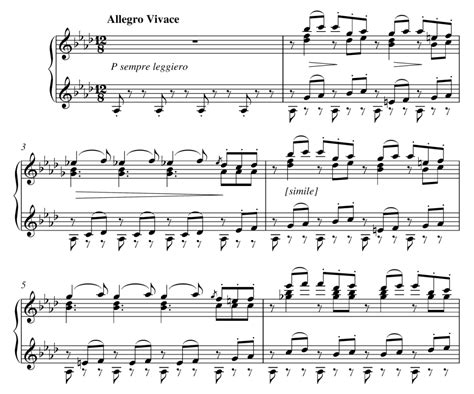
Key Takeaways
- Extended Harmonies: Mastering extended chords and voicings enhances the emotional depth and complexity of your music.
- Rhythmic Complexity: Incorporating polyrhythms and asymmetric time signatures adds intrigue and uniqueness to your compositions.
- Innovative Techniques: Exploring polytonality, serialism, and microtonality expands your creative palette and pushes the boundaries of contemporary music.
1. Extended Chords and Voicings
1.1 Study Extended Chords (9ths, 11ths, 13ths) and Their Uses
Extended chords, which include 9ths, 11ths, and 13ths, add lushness and sophistication to your harmonic language. These chords build upon the basic triads by stacking additional thirds, creating richer and more complex soundscapes.
Applications
- Use 9th chords to introduce tension that resolves smoothly into the tonic.
- Incorporate 11th and 13th chords to add layers of richness and depth, especially in genres like jazz and neo-soul.
1.2 Experiment with Open and Closed Voicings for Chords
Voicing refers to the arrangement of the individual notes within a chord. Open voicings spread the chord tones across a wider range, creating an airy and spacious feel, while closed voicings cluster the notes closely, resulting in a denser and more intimate sound.
Practical Steps
- Rearrange traditional chords into open positions to add brightness and openness to solo piano or string quartet arrangements.
- Utilize closed voicings to emphasize tension or intimacy within a piece, adapting the voicing to the emotional context.
2. Polytonality and Contemporary Harmony
2.1 Learn About Polytonality and Its Applications
Polytonality involves the simultaneous use of two or more different keys or tonal centers. This technique, popularized by composers like Igor Stravinsky, can create complex and layered harmonic textures, evoking feelings of conflict, intrigue, or sophisticated juxtaposition.
Exercises
- Compose a melody in one key while harmonizing it with chords from another key to explore bitonality.
- Systematically modulate between different polytonal sets to develop a cohesive yet multifaceted harmonic structure.
2.2 Study Contemporary Harmonic Techniques, Such as Tone Clusters
Tone clusters are groups of adjacent semitones played simultaneously, producing dissonant and dense textures. This technique is effective in creating dramatic tension or adding avant-garde elements to your compositions.
Applications
- Incorporate tone clusters in piano or string sections to enhance cinematic tension in film scores or experimental pieces.
- Experiment with different articulations, such as struck or sustained clusters, to vary the emotional impact.
2.3 Explore Non-Functional Harmony in Your Compositions
Non-functional harmony breaks away from traditional tonal progressions, focusing instead on texture and mood. This approach prioritizes the placement and movement of chords based on voice leading and color rather than resolution.
Exercises
- Create harmonic frameworks that emphasize smooth voice leading without relying on standard dominant-to-tonic resolutions.
- Utilize ambiguous chords and chromatic mediant relationships to introduce unexpected harmonic shifts.
3. Serialism and Twelve-Tone Techniques
3.1 Study Serialism and Twelve-Tone Techniques
Serialism organizes music around a predetermined series of pitches, ensuring each tone is treated with equal importance. The twelve-tone technique, developed by Arnold Schoenberg, uses a specific ordering of all twelve chromatic notes without repetition, preventing any single pitch from dominating.
Steps
- Create a tone row that includes all twelve chromatic pitches without repetition.
- Explore transformations of the tone row, such as inversion and retrograde, to develop thematic material.
- Compose a short piece using the row as the foundation for your melodic and harmonic content.
3.2 Compose a Short Twelve-Tone Piece
Applying twelve-tone techniques in composition involves strict adherence to the tone row while allowing for creativity within its constraints. This method fosters innovative melodic and harmonic ideas, pushing the boundaries of traditional composition.
Guidelines
- Ensure that each pitch in the row is used before any is repeated.
- Experiment with different rhythmic patterns and articulations to add variety to the tone row.
- Incorporate dynamic contrasts to highlight structural elements within the piece.
4. Rhythmic Complexity
4.1 Experiment with Polyrhythms in Your Compositions
Polyrhythms involve the simultaneous use of contrasting rhythmic patterns, such as 3 against 2 or 5 against 4. This technique creates intricate rhythmic textures and adds a layer of complexity to your music.
Techniques
- Start with simple polyrhythms like 3:2 to establish a foundational understanding.
- Progress to more complex ratios, such as 7:5 or 5:3, to enhance rhythmic sophistication.
- Incorporate polyrhythms into melodies and accompaniments to create interlocking patterns.
4.2 Explore Asymmetric Time Signatures
Asymmetric time signatures, such as 5/4 or 7/8, deviate from the traditional 4/4 meter, providing a unique rhythmic foundation that challenges listener expectations and adds dynamic movement to compositions.
Ideas
- Modify common meters by adding or subtracting beats to form asymmetric signatures.
- Compose around a groove that maintains a sense of forward motion without becoming overly mechanical.
- Blend asymmetric and symmetric meters within a single piece to enhance rhythmic diversity.
4.3 Write a Piece Incorporating Silence as a Structural Element
Silence and space in music, inspired by composers like Morton Feldman, serve as powerful tools to direct focus, create suspense, and allow listeners to process musical ideas. Strategic use of silence can enhance the emotional and structural elements of a composition.
Application
- Integrate rests and pauses to emphasize dynamic changes or transitions between sections.
- Use silence to create tension and anticipation, guiding the listener's emotional journey.
- Develop minimalist pieces that rely on sparse textures and intentional silence to convey depth.
5. Spectral Music and Timbral Exploration
5.1 Learn About Spectral Music and Its Focus on Timbre and Overtones
Spectral music emphasizes the analysis and manipulation of sound spectra, focusing on the overtones and timbral qualities of instruments. This approach prioritizes the sonic texture over traditional harmonic progression, resulting in richly textured and evocative compositions.
Steps
- Use acoustic analysis software like Spear or Sonic Visualizer to study the overtone structures of various instruments.
- Translate spectral data into musical notation, focusing on the relationships between frequencies and their harmonic implications.
- Compose using the temporal evolution of sounds, allowing timbre to guide the harmonic and melodic development.
5.2 Compose a Piece Focused on Timbral Exploration
Creating compositions that highlight timbre involves experimenting with the unique sounds of different instruments and extended techniques. This focus can lead to innovative textures and a deeper emotional resonance in your music.
Guidelines
- Incorporate a variety of instrumental colors to explore the full spectrum of timbral possibilities.
- Use extended instrumental techniques, such as sul ponticello or prepared piano, to alter traditional sounds.
- Layer and blend different timbres to create complex and evolving sonic landscapes.
6. Extended Techniques and Microtonality
6.1 Study Techniques for Extended Instrumental Techniques
Extended techniques involve unconventional methods of playing traditional instruments, resulting in unique sounds and textures. Techniques like pizzicato for strings or prepared piano can add a distinctive character to your compositions.
Application
- Incorporate string techniques such as sul ponticello or col legno to vary the timbre and articulation.
- Use prepared piano techniques to create percussive or altered sound effects within your compositions.
- Combine traditional and extended techniques to enhance the expressive range of your ensemble.
6.2 Compose a Piece Using Microtonal Intervals
Microtonality involves using intervals smaller than the traditional semitone, such as quarter-tones. This approach broadens your harmonic palette and allows for the creation of exotic and nuanced musical expressions.
Exercises
-
Compose passages that utilize quarter-tone intervals to explore new tonal relationships.
-
Experiment with mixed microtonal systems to create a diverse and rich harmonic language.
-
Utilize instruments capable of microtonal execution, like the theremin or specially retuned pianos, to perform your compositions.
Conclusion
Advancing in contemporary musical arrangement and composition requires a deep understanding and application of complex harmonic, rhythmic, and timbral techniques. By mastering extended chords, exploring polytonality, embracing serialism, and delving into rhythmic complexity and spectral music, composers can create sophisticated and compelling works. Incorporating extended techniques and microtonality further expands the creative possibilities, allowing for unique and innovative musical expressions. Embrace these advanced strategies to elevate your compositions and push the boundaries of contemporary music.
References
Last updated January 19, 2025