
Advancing Recurrence Quantification Analysis in Human Movement Research
Pioneering the Future of Movement Dynamics through Innovative Analytical Techniques
Key Takeaways
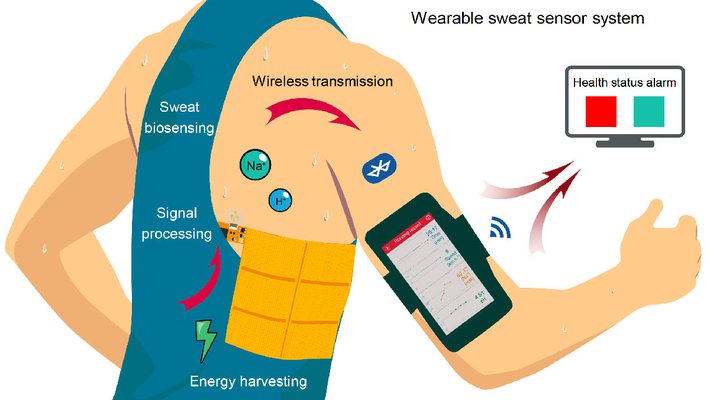
- Integration with Cutting-Edge Technologies: Leveraging wearable devices and real-time data processing to enhance movement analysis.
- Multidimensional and Cross-System Analysis: Combining RQA with machine learning and multimodal data for comprehensive insights.
- Clinical and Personalized Applications: Utilizing RQA for diagnostics, rehabilitation, and personalized treatment strategies.
1. Integration with Advanced Wearable Technology and Real-Time Analysis
Enhancing Data Acquisition and Immediate Feedback
Recurrence Quantification Analysis (RQA) has significantly benefited from advancements in wearable technology. Modern inertial measurement units (IMUs) and other wearable sensors have enabled the continuous and accurate capture of complex human movement data. The next big step lies in integrating RQA with these advanced wearables to facilitate real-time monitoring and feedback. This integration can revolutionize various applications, including personalized rehabilitation programs, early detection of movement disorders, and dynamic performance adjustments in sports.
Real-time RQA processing allows for immediate analysis of movement patterns, providing instant feedback to users. This capability is particularly valuable in clinical settings, where therapists can adjust rehabilitation protocols on-the-fly based on a patient’s progress. In sports, athletes can receive instant biomechanical feedback to optimize their movements, enhancing performance and reducing the risk of injuries.
2. Multidimensional and Cross-Recurrence Quantification Analysis
Expanding Analytical Depth through Complex Data Integration
Traditional RQA has primarily focused on single-dimensional time series data, which limits the understanding of intricate human movement dynamics. The next frontier involves expanding RQA to multidimensional and cross-recurrence quantification analysis (CRQA). This expansion allows for the simultaneous analysis of multiple movement dimensions, such as different body segments or physiological signals, providing a more holistic view of human motion.
By employing multidimensional RQA, researchers can explore the interactions between various body parts, revealing coordination and coupling mechanisms that were previously inaccessible. For instance, analyzing the coordination between ankle movements and muscle activation can offer deeper insights into gait stability and motor control. Additionally, CRQA can assess the synchronization between different physiological systems, such as the neuromuscular and cognitive systems, enhancing our understanding of the interplay between brain activity and physical movement.
3. Integration with Machine Learning for Personalized Diagnostics
Leveraging AI to Enhance Diagnostic and Predictive Capabilities
The integration of RQA with machine learning (ML) represents a transformative advancement in the field. By combining RQA-derived features with ML algorithms, researchers can develop models that accurately classify and predict movement patterns associated with various conditions. This synergy is particularly promising for personalized diagnostics, where AI-driven models can tailor assessments and interventions based on individual movement dynamics.
Machine learning algorithms can process large volumes of RQA data to identify subtle patterns and anomalies indicative of specific movement disorders, such as Parkinson’s disease or multiple sclerosis. These AI-enhanced RQA models enable early detection, continuous monitoring, and personalized treatment planning, thereby improving clinical outcomes. Furthermore, ML integration facilitates the automation of movement classification, reducing the reliance on manual analysis and increasing the efficiency of diagnostic processes.
4. Clinical Applications in Neurological and Pathological Conditions
Advancing Diagnostics and Therapeutic Strategies
RQA has shown immense potential in analyzing gait and postural control in individuals with neurological disorders. The next phase of research aims to establish RQA as a standard diagnostic and prognostic tool in clinical settings. This involves developing standardized RQA protocols and identifying key metrics that correlate with disease progression and recovery.
Clinical applications of RQA extend beyond diagnostics. In rehabilitation, RQA can monitor a patient’s progress in real-time, allowing for dynamic adjustments to therapy regimes. This personalized approach ensures that interventions are tailored to the individual’s evolving movement patterns, enhancing the effectiveness of rehabilitation programs. Additionally, RQA can aid in predicting the risk of falls in elderly populations by analyzing postural stability, thereby informing preventive measures.
5. Multimodal Data Integration for Comprehensive Movement Analysis
Combining Diverse Data Streams for Enhanced Insights
Human movement is influenced by a multitude of physiological and environmental factors. To fully capture the complexity of these dynamics, the next big step involves integrating RQA with multimodal data systems. This integration includes combining movement data with neural signals (EEG), muscle activity (EMG), and other physiological measurements like center of pressure (CoP).
By merging these diverse data streams, researchers can gain a comprehensive understanding of the underlying mechanisms governing movement. For example, analyzing the relationship between brain activity and muscle coordination during complex tasks or rehabilitation exercises can reveal how cognitive processes influence motor control. This holistic approach facilitates the identification of intricate feedback loops and interactions between different physiological systems, paving the way for more effective interventions and therapies.
6. Real-Time RQA for Adaptive Control and Biofeedback
Implementing Dynamic Feedback Systems for Enhanced Performance
Real-time RQA processing opens up new possibilities for adaptive control and biofeedback systems. By continuously analyzing movement data, real-time RQA can provide instantaneous feedback to users, enabling dynamic adjustments to their actions. This capability is particularly beneficial in athletic training and rehabilitation, where immediate feedback can significantly enhance performance and recovery outcomes.
In sports science, real-time RQA can be used to monitor an athlete’s movements, providing data-driven insights to optimize techniques and prevent injuries. Similarly, in neurorehabilitation, real-time RQA can adjust therapeutic interventions based on a patient’s current movement patterns, ensuring that treatments are responsive to their immediate needs. The development of faster computational algorithms and more efficient wearable sensors is critical to realizing the full potential of real-time RQA applications.
7. Standardization of RQA Metrics and Protocols
Ensuring Consistency and Reproducibility in Research
As the application of RQA in human movement research expands, the need for standardization becomes imperative. Currently, variability in RQA methodologies across different studies hampers the comparability and reproducibility of results. The next major advancement involves establishing standardized RQA metrics, parameters, and protocols tailored to various types of movement data.
Standardization efforts should focus on defining optimal embedding dimensions, time delays, and threshold settings to ensure consistency across studies. This uniform approach will facilitate the aggregation and comparison of findings, promoting the development of universal guidelines for RQA applications in movement analysis. Enhanced standardization will also support the integration of RQA into clinical and sports settings, where reliability and accuracy are paramount.
8. Longitudinal and Multiscale Analysis for Aging and Neurological Health
Tracking Movement Health Over Time
Understanding how movement dynamics change over time is crucial for addressing aging-related mobility issues and managing neurological health. The integration of longitudinal data with RQA allows researchers to track and analyze movement patterns over extended periods, identifying early markers of decline and progression in neurological conditions.
Multiscale analysis, which examines movement dynamics at various temporal and spatial scales, provides deeper insights into the adaptability and resilience of motor systems. This approach can uncover subtle alterations in movement patterns that precede clinical symptoms, enabling proactive interventions. Longitudinal RQA studies can also evaluate the long-term effectiveness of rehabilitation programs and therapeutic strategies, ensuring sustained health improvements.
9. Dynamic Interpersonal Interaction and Cross-Recurrence Analysis
Analyzing Synchronization in Social and Collaborative Movements
Human movement often occurs in social and collaborative contexts, where synchronization and coordination are essential. Cross-Recurrence Quantification Analysis (CRQA) extends RQA to analyze the synchronization of movements between individuals, providing insights into interpersonal dynamics and collective behaviors.
Applications of CRQA include assessing the effectiveness of team-based therapies in rehabilitation, understanding synchrony in athletic teams, and exploring coordination in human-robot interactions. By analyzing how movements synchronize between partners, CRQA can inform strategies to enhance cooperative tasks, improve communication in team settings, and optimize the design of assistive robotic systems.
10. Expanding Experimental Paradigms to Complex, Naturalistic Contexts
Moving Beyond Controlled Environments
Most RQA research to date has been conducted in controlled laboratory settings, focusing on simple gait or postural tasks. The next significant advancement involves applying RQA to complex, naturalistic contexts that mimic real-world scenarios. This shift will provide a more accurate representation of human movement dynamics as they occur in everyday life.
Naturalistic RQA studies could explore movement during obstacle avoidance, multitasking, or dynamic athletic performance. These environments introduce a variety of unpredictable factors that challenge the motor system, revealing how individuals adapt their movements in response to real-world demands. Advancements in mobile sensor technologies and edge computing will facilitate the collection and analysis of data in these complex settings, expanding the applicability and relevance of RQA findings.
Conclusion
The future of Recurrence Quantification Analysis in human movement research is poised for significant advancements through the integration of advanced technologies, multidimensional analysis, and machine learning. By embracing real-time processing, multimodal data integration, and standardized protocols, RQA can provide deeper and more accurate insights into the complexities of human movement. These developments not only enhance our understanding of motor dynamics but also pave the way for innovative clinical applications, personalized diagnostics, and optimized performance strategies in sports and rehabilitation. As the field progresses, the collaborative efforts of researchers, clinicians, and technologists will be crucial in harnessing the full potential of RQA to improve human health and performance.
References
Last updated January 22, 2025