
Advantages and Disadvantages of Seed Coating Agents
Enhancing Agricultural Efficiency and Navigating Challenges
Key Takeaways
- Enhanced Seed Performance: Seed coatings significantly improve germination rates, seedling vigor, and early plant growth, leading to higher crop yields.
- Targeted Protection: Coatings provide effective protection against pests, diseases, and environmental stresses through the incorporation of biocontrol agents and protective chemicals.
- Environmental and Economic Considerations: While beneficial, seed coatings can pose environmental risks and increase production costs, necessitating careful management and sustainable practices.
Advantages of Seed Coating Agents
1. Enhanced Seed Germination and Performance
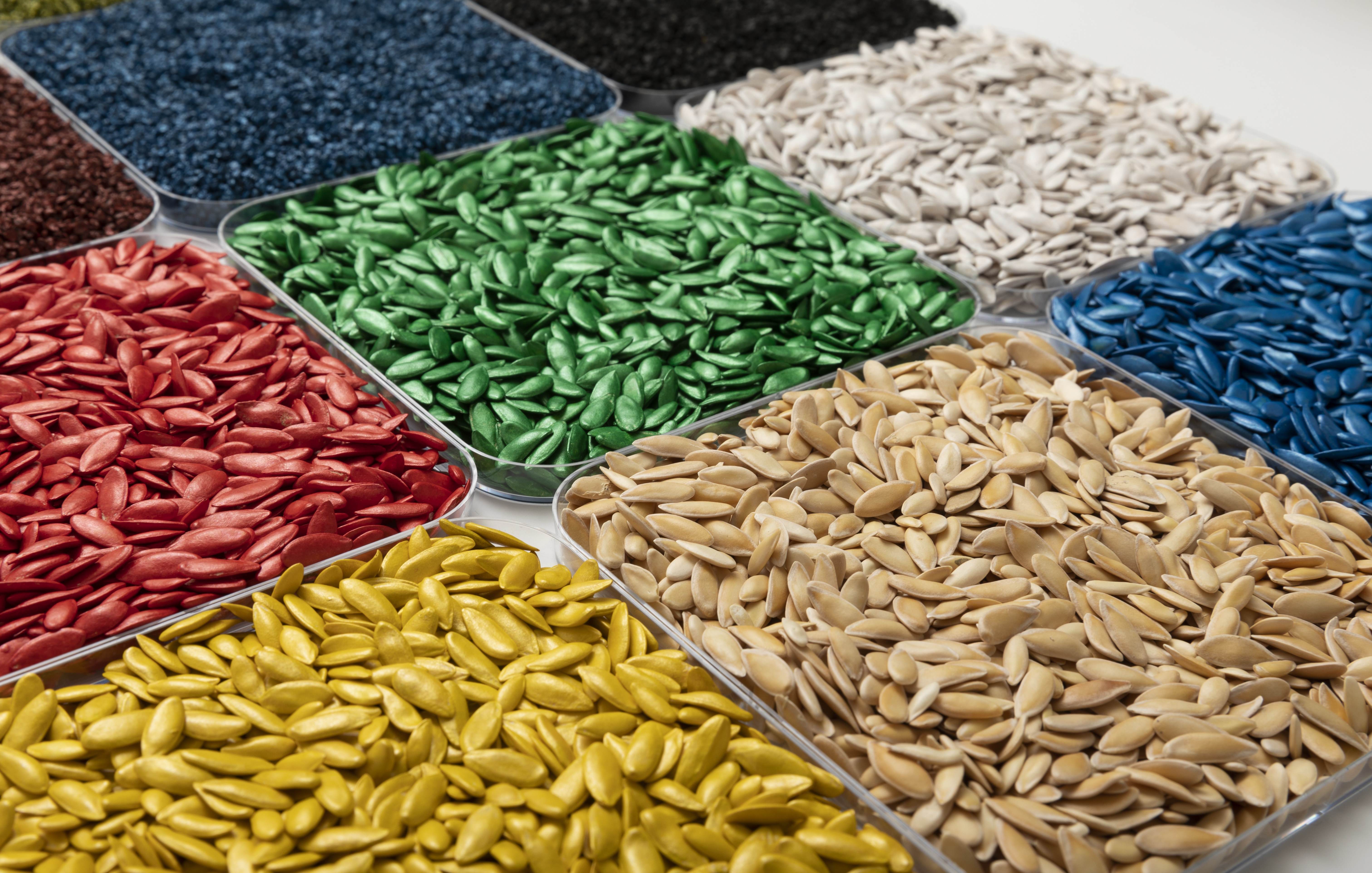
Seed coating agents play a crucial role in improving the overall quality and performance of seeds. By incorporating biopolymers, colorants, and beneficial microbes directly onto the seed surface, coatings enhance seed viability and vigor. This leads to improved germination rates and more uniform seedling establishment, which are essential for maximizing crop yields. The presence of growth regulators and nutrients within the coating formulation supports robust early plant growth, enabling crops to better compete for resources in the critical initial stages of development.
2. Protection Against Pests and Diseases
A significant advantage of seed coating agents is their ability to provide targeted protection against a wide array of pests and pathogens. By integrating fungicides, insecticides, and biological control agents into the coating, seeds are safeguarded from soil-borne diseases and insect infestations from the moment of planting. This localized delivery system minimizes the need for widespread pesticide applications, thereby reducing the risk of pest resistance and decreasing the overall chemical load in the environment. Additionally, the protective barrier formed by the coating can prevent seed-borne diseases from compromising seedling health.
3. Improved Planting Efficiency and Handling
Seed coatings modify the physical characteristics of seeds, such as size, shape, and weight, which facilitates easier handling and planting, especially when using mechanized equipment. Uniform seed size and surface properties ensure consistent sowing depth and spacing, which are critical for optimal plant development. Enhanced visibility of coated seeds also aids in accurate planting, reducing seed wastage and improving planting precision. These factors collectively contribute to increased planting efficiency and reduce the labor and time required for large-scale agricultural operations.
4. Nutrient Delivery
One of the standout benefits of seed coatings is the ability to deliver essential nutrients directly to the seedling. By incorporating micronutrients such as iron, zinc, and magnesium into the coating, plants receive a tailored nutrient boost right at the onset of germination. This targeted nutrient delivery system ensures that seedlings have immediate access to the nutrients required for healthy growth, enhancing overall crop nutrition and reducing the dependency on additional fertilizer applications. Consequently, this can lead to more sustainable farming practices by optimizing nutrient use efficiency.
5. Stress Tolerance
Seed coating agents bolster the ability of seeds to withstand various environmental stresses. By incorporating protective agents that enhance hydration and moisture retention, coatings help seeds endure drought conditions and extreme temperatures. This increased stress tolerance is particularly beneficial in regions prone to adverse weather, ensuring that seeds remain viable and capable of successful germination despite challenging conditions. Furthermore, coatings can enhance plant resilience, allowing crops to better adapt to both biotic and abiotic stresses, thereby supporting sustained agricultural productivity.
6. Precision Agriculture Alignment
Seed coatings are inherently compatible with precision agriculture practices, which aim to optimize resource use and enhance crop management through technology. The targeted application of biocontrol agents and nutrients aligns with precision agriculture’s goals of maximizing efficiency and minimizing waste. By enabling precise delivery of active ingredients, seed coatings support more accurate and effective crop management strategies, contributing to higher productivity and sustainability in modern farming systems.
Disadvantages of Seed Coating Agents
1. Higher Production Costs
The integration of seed coatings into agricultural practices introduces additional costs in the seed production process. The development and application of coatings require specialized materials and equipment, which can drive up the overall cost of seeds. This financial burden may be particularly challenging for small-scale or resource-poor farmers, potentially limiting the accessibility and adoption of coated seeds in certain regions. Moreover, the increased costs must be justified by the yield gains and other benefits, making economic feasibility a critical consideration for farmers and agricultural stakeholders.
2. Environmental Concerns
While seed coatings offer protection against pests and diseases, certain formulations can pose significant environmental risks. Non-biodegradable polymers used in some coatings contribute to microplastic pollution, which can have detrimental effects on soil health and aquatic ecosystems. Additionally, the use of systemic pesticides such as neonicotinoids in seed coatings has been linked to the decline of beneficial insect populations, including pollinators like bees. Runoff from treated seeds can contaminate waterways, leading to broader ecological impacts. These environmental concerns necessitate the careful selection of coating materials and the development of more sustainable alternatives.
3. Potential Chemical Concerns
The incorporation of chemical agents in seed coatings introduces risks related to phytotoxicity and non-target organism toxicity. High concentrations of fungicides or insecticides can be phytotoxic, adversely affecting seed germination and seedling development. Furthermore, the runoff or drift of these chemicals can harm non-target species, disrupting ecosystems and reducing biodiversity. Overreliance on chemical coatings may also contribute to the development of pesticide-resistant pests, diminishing the long-term effectiveness of these treatments. Therefore, balancing chemical efficacy with environmental safety is a critical challenge in the use of seed coatings.
4. Application Challenges
Achieving uniform coating application is essential for the effectiveness of seed treatments, yet it presents significant challenges. Variability in seed size, moisture content, and inherent seed characteristics can lead to inconsistent coating thickness and distribution. Uneven application may result in some seeds receiving insufficient protection, while others may be over-coated, leading to reduced seed viability or increased susceptibility to phytotoxic effects. Moreover, maintaining the stability and uniformity of microbial inoculants within the coating formulation adds another layer of complexity, requiring precise control over the coating process.
5. Storage and Shelf-life Issues
Seed coatings can influence the storage stability and shelf-life of seeds. Certain coating components may interact with moisture or other environmental factors, leading to premature germination or fungal growth during storage. Additionally, the viability of beneficial microbes incorporated into the coatings can diminish over time, reducing the effectiveness of the treatment. Proper storage conditions, such as controlled humidity and temperature, are often necessary to preserve both seed viability and coating integrity, which can increase storage costs and logistical complexities for farmers and seed distributors.
6. Risk of Overuse and Resistance
There is a growing concern about the potential overuse of seed coatings, particularly those containing insecticides and fungicides. Continuous and widespread use of these chemical treatments can lead to the development of resistance in pest populations, rendering the coatings less effective over time. This not only undermines the benefits of seed coatings but also complicates pest management strategies, necessitating the development of new treatments or the integration of alternative pest control methods. Responsible usage and integrated pest management practices are essential to mitigate this risk.
Comparative Overview of Seed Coating Advantages and Disadvantages
| Advantages | Disadvantages |
|---|---|
| Enhanced Seed Germination and Performance: Improved viability and vigor leading to better crop yields. | Higher Production Costs: Increased seed production expenses may limit accessibility for some farmers. |
| Protection Against Pests and Diseases: Targeted delivery of fungicides and insecticides reducing seedling mortality. | Environmental Concerns: Potential for microplastic pollution and harm to non-target species. |
| Improved Planting Efficiency: Uniform seed size and modified physical properties enhance sowing accuracy. | Chemical Concerns: Risks of phytotoxicity and pesticide resistance compromising plant health. |
| Nutrient Delivery: Direct incorporation of essential micronutrients supports robust early plant growth. | Application Challenges: Difficulty in achieving uniform coating distribution affecting treatment efficacy. |
| Stress Tolerance: Enhanced ability of seeds and seedlings to withstand environmental stresses. | Storage and Shelf-life Issues: Potential for premature germination and reduced coating effectiveness over time. |
| Alignment with Precision Agriculture: Facilitates targeted and efficient resource use through advanced farming technologies. | Risk of Overuse and Resistance: Continuous use of chemical coatings may lead to pest resistance and reduced efficacy. |
Strategies to Mitigate Disadvantages
1. Development of Environmentally-Friendly Coatings
Advancements in seed coating technologies focus on the use of biodegradable and non-toxic materials to minimize environmental impact. Biopolymers derived from renewable sources can replace traditional synthetic polymers, reducing the risk of microplastic pollution. Additionally, the integration of natural biocontrol agents, such as beneficial microbes, provides pest and disease protection without relying heavily on chemical pesticides. These environmentally-friendly alternatives support sustainable agricultural practices while maintaining the protective benefits of seed coatings.
2. Cost-Effective Production Methods
To address the high production costs associated with seed coatings, researchers and manufacturers are exploring more cost-effective materials and application techniques. Innovations in coating formulations that utilize less expensive or more readily available ingredients can help reduce expenses. Additionally, improvements in application machinery and processes can enhance efficiency, lowering the overall cost of producing coated seeds. These measures make seed coatings more accessible to a broader range of farmers, including those in resource-limited settings.
3. Enhanced Application Techniques for Uniform Coating
Achieving uniform coating distribution is critical for the effectiveness of seed treatments. Precision agriculture technologies, such as automated coating systems and advanced sensing equipment, can ensure consistent application across all seeds. Calibration of coating machinery to account for variations in seed size and moisture content can further enhance uniformity. By minimizing application variability, the protective benefits of seed coatings are maximized, and the risks of phytotoxicity and reduced seed viability are mitigated.
4. Implementation of Integrated Pest Management (IPM)
Integrating seed coatings into broader Integrated Pest Management (IPM) systems can help prevent the development of pest resistance and reduce reliance on chemical treatments. IPM strategies combine biological control, crop rotation, and the judicious use of pesticides to manage pest populations sustainably. By diversifying pest control methods, the effectiveness of seed coatings is preserved, and the environmental and ecological risks associated with their overuse are diminished.
5. Regulatory Oversight and Best Practices
Establishing stringent regulatory standards for seed coating compositions and application processes ensures that environmental and health risks are minimized. Regulatory bodies can enforce guidelines on the types and concentrations of chemicals used in coatings, promoting the use of safer alternatives. Additionally, educating farmers on the best practices for seed coating application and management fosters responsible usage, enhancing the benefits while mitigating potential drawbacks.
6. Ongoing Research and Development
Continued investment in research and development is essential for advancing seed coating technologies. Studies focused on understanding the long-term impacts of seed coatings on ecosystems and crop health inform the development of more effective and sustainable formulations. Research into novel materials, such as nanotechnology-based coatings, holds promise for enhancing protective qualities while reducing environmental footprints. Collaborative efforts between scientists, industry stakeholders, and policymakers drive innovation and ensure the continuous improvement of seed coating practices.
Conclusion
Seed coating agents represent a significant advancement in agricultural technology, offering numerous benefits that enhance seed performance, protect against pests and diseases, and improve planting efficiency. These advantages contribute to increased crop yields and more resilient plant growth, which are vital for meeting the growing global food demand. However, the utilization of seed coatings is not without challenges. The increased production costs, environmental impacts, and potential chemical risks necessitate careful consideration and management. By adopting environmentally-friendly materials, improving application techniques, and integrating seed coatings into comprehensive pest management strategies, the agricultural sector can maximize the benefits while mitigating the associated drawbacks. Ongoing research and regulatory oversight are crucial for developing sustainable seed coating solutions that support both agricultural productivity and environmental health.
References
Last updated February 13, 2025