
The Role of African Participation in the Atlantic Slave Trade
Exploring the historical interdependencies and consequences of African involvement
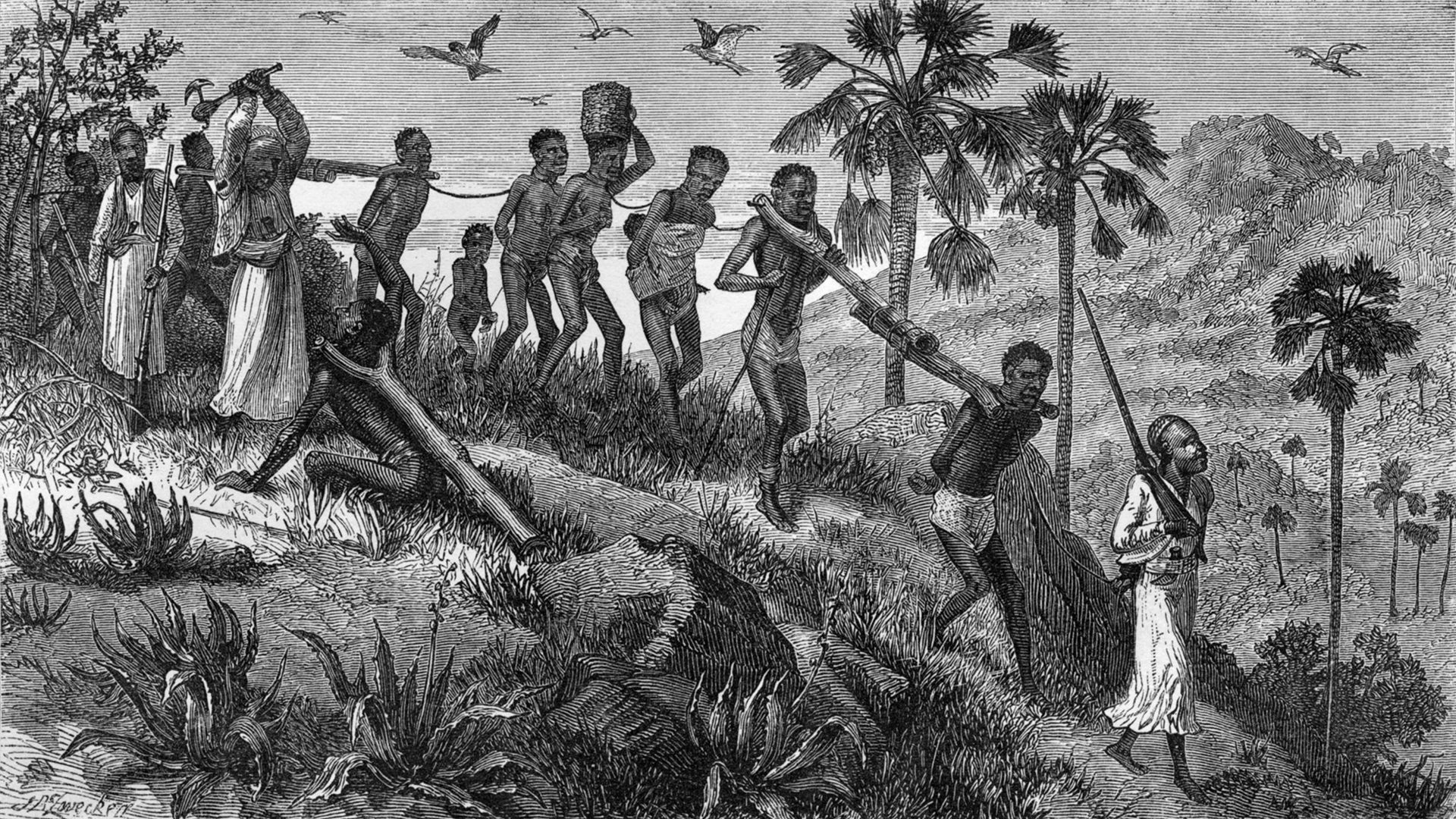
Key Highlights
- Economic and Political Interdependence: African leaders and traders played a crucial role, driven by economic incentives and political alliances.
- European Operational Limitations: Europe's challenges in traversing the African interior made local intermediaries indispensable.
- Impact on Scale and Structure: Without African participation, the scale and logistics of the transatlantic slave trade would have been significantly altered.
Historical Background and Context
The Atlantic slave trade, which lasted for several centuries, was a complex and multifaceted system in which both European demand and African participation played key roles. Central to this historical phenomenon was the interconnectedness of political, economic, and cultural systems that existed long before European involvement. African societies had established various forms of enslavement and captive-taking as part of warfare, trade, and social hierarchies. When Europeans arrived on the West African coast with a burgeoning need for labor in the New World, they tapped into these pre-existing networks.
The transatlantic trade was not simply a unidirectional exploitation by Europeans; it was facilitated by long-standing practices of capturing and trading individuals within African societies. In many instances, African rulers, local chiefs, and merchants played the intermediary role necessary for the highly organized supply chain that fed European plantations. This collaboration, however, was not without controversy and moral implications, as the dynamics of power, coercion, and economic benefits were complex and often resulted in long-term devastation for many African communities.
Economic and Political Dimensions
African Involvement: Economic Incentives and Political Alliances
One of the pivotal elements in the functioning of the Atlantic slave trade was the active participation of Africans in the process of ensnaring and selling captives. This involvement was spurred by several factors:
Existing Slave Systems and Economic Benefits
Many African societies had established systems of slavery and servitude long before European contact. Enslavement was often a consequence of warfare, political rivalries, or even as a mechanism for social control. With the arrival of European traders offering goods that were highly desired—such as firearms, textiles, and alcohol—African leaders found significant economic incentives to participate. The exchange of European goods for enslaved individuals created a mutually reinforcing relationship that bolstered local political power and wealth accumulation. In an era marked by inter-ethnic conflicts, capturing opponents and turning them into commodities was not only a profitable activity but also a means to gain an upper hand in local power struggles.
Political alliances also played a vital role. In some cases, African rulers aligned themselves with European trading interests to solidify territorial control or to counteract the influence of rival groups. This form of collaboration enabled local leaders to use Europeans as allies, integrating the external demand for labor into internal strategies of governance. Consequently, the process was less about an isolated trade and more about a confluence of internal dynamics and external demands.
Impact of Geography and Local Knowledge
The African continent, with its vast territories and diverse cultures, presented significant challenges for Europeans attempting to establish direct control over interior regions. The harsh environmental conditions and diseases, particularly malaria, greatly limited European capacity to penetrate deep into the African interior. Local African traders and leaders, however, possessed essential knowledge of the geography, established trade routes, and the political landscape. This localized expertise was indispensable for navigating the complex and often treacherous terrain.
By acting as intermediaries, African leaders provided the necessary connections between remote regions and the coastal trading hubs where European ships were anchored. This local knowledge and network were not only a matter of survival but also formed the backbone of a trade network that ensured a steady supply of enslaved individuals. Without the assistance of these local players, European demand for labor in the New World would have faced severe logistical challenges, notably in terms of reliability and scale.
European Limitations and Operational Challenges
Challenges of Direct European Involvement
While European powers were instrumental in creating a demand for enslaved labor, their ability to operate independently in the African interior was severely constrained by several factors. One of the most significant limitations was the threat of endemic diseases in sub-Saharan Africa, which led to high mortality rates among Europeans. Historical records indicate that certain European groups struggled with life expectancy in these regions, with many succumbing to malaria and other tropical diseases.
Due to these health risks, direct European raids to capture slaves were both costly and inefficient. European traders, therefore, took a more pragmatic approach by relying on African intermediaries who could navigate the local environment with greater ease. The establishment of commercial relations with local leaders allowed Europeans to bypass the difficulties of direct involvement and take advantage of an existing system that was already in place. In essence, the European contribution was to stimulate demand and supply goods while the day-to-day procurement of enslaved individuals was managed by those with localized expertise.
The Triangular Trade System
The dynamics of the Atlantic slave trade can also be better understood within the framework of the triangular trade. This three-legged system integrated the economies of Europe, Africa, and the Americas, each segment dependent on the other for the overall profitability of the venture. European ships would carry manufactured goods to Africa in exchange for enslaved individuals. These individuals were then transported across the Atlantic under brutal conditions—a journey famously known as the Middle Passage—to work on plantations in the Americas, where they produced cash crops that were subsequently shipped back to Europe.
Within this trade model, African participation was not merely ancillary but foundational. The African role ensured not only the feasibility but the scale of the transatlantic trade. The high incidence of mortality among enslaved people during the Middle Passage, coupled with the need for a constant and replenished supply, made the reliability of African intermediaries indispensable. Their ability to organize, capture, and transport individuals to the coastal areas underpinned the entire economic structure of this system.
Hypothetical Scenarios and Alternative Models
Alternative Sources of Labor
In a hypothetical scenario where Africans did not participate in the trading of other Africans for slavery, the dynamics of the Atlantic slave trade would have been markedly different. The European demand for labor in the Americas was immense, driven by the rapid expansion of plantation economies built on crops like sugar, tobacco, and cotton. Without access to the efficient supply mechanisms established by African intermediaries, Europeans might have resorted to alternative labor sources.
One possible alternative that has been discussed by historians includes the increased use of indentured servitude. Indentured workers, often from Europe or other regions, could have theoretically filled the labor gap. However, unlike the forced labor provided by enslaved Africans, indentured labor was based on contracts that, although harsh, were temporary and carried the possibility of eventual freedom. This change could have significantly altered the economic calculations and social structures that subsequently formed in the Americas.
Another possibility is that European powers might have attempted more direct military and coercive strategies in Africa to acquire labor, notwithstanding the severe health and logistical challenges. This alternative would have likely resulted in a trade system on a much smaller scale—if viable at all—due to the high costs, increased mortality stemming from disease, and persistent resistance from local populations.
Scale, Profitability, and Logistical Concerns
The efficiency and profitability of the transatlantic slave trade, as historically observed, were deeply rooted in the ability of local African power structures to capture and trade individuals. The trade was organized on a massive scale, with extensive networks and supply chains that stretched from the interior regions of Africa to the coasts, and from the Old World to the New World. The involvement of African intermediaries ensured that the supply of enslaved individuals met the enormous European demand with relative consistency.
Without the active participation of Africans, the scale of the slave trade would likely have been drastically reduced. European operations depended on the established trade routes and the willingness of local actors to procure captives. The absence of this collaboration would have imposed significant logistical problems on European traders who, in turn, would have to invest in alternative means of securing labor. This could have translated into less profitable ventures that might have altered the economic landscape of the colonial Americas.
Sociocultural and Ethical Implications
Transformation of Societies
Beyond the immediate economic and logistical considerations, the transatlantic slave trade had profound sociocultural effects on both Africa and the Americas. The trade did not occur in a vacuum; it was intertwined with the social fabric of many societies. For African communities, the participation in the slave trade resulted in both short-term advantages and long-lasting detriments. On the one hand, traders could accumulate wealth and power, and local political structures were sometimes bolstered by alliances with European powers. On the other hand, the systemic removal of large numbers of individuals led to demographic imbalances, disrupted traditional social structures, and contributed to the escalation of local conflicts.
In the Americas, the consequences were equally dramatic. The forced migration of millions of Africans not only underpinned the economic development of colonial plantations but also laid the foundations for a deep-seated legacy of racial inequality and cultural transformation. The repercussions of this human catastrophe continue to influence social and political structures to this day.
Interplay Between Agency and Coercion
A nuanced understanding of the Atlantic slave trade requires recognition of the interplay between agency and coercion. While European traders orchestrated a system that was inherently brutal, the role of African intermediaries complicates the narrative. Many of these individuals acted within a framework of opportunities and constraints provided by longstanding practices. Although economic incentives were a significant driving force, these same systems were embedded in cultural and political histories that predated European intervention. The decision-making processes of African leaders and merchants were marked by pragmatic adaptation to external pressures, where collaboration with Europeans offered immediate benefits despite long-term consequences.
Thus, the system was not wholly imposed by external European forces but rather emerged from a complex interaction between different cultural practices and economic imperatives. Recognizing this interplay is crucial in understanding the multifaceted nature of the Atlantic slave trade and its lasting impact on the modern world.
Comparative Analysis and Modern Perspectives
Assessing the Feasibility of the Trade Without African Involvement
When considering the hypothetical scenario of the Atlantic slave trade existing without African intermediaries, it is important to assess both the practical and theoretical dimensions. European powers faced significant challenges in the absence of established local networks. The high incidence of mortality from diseases, coupled with limited knowledge about the interior regions of Africa, meant that direct European efforts would have encountered insurmountable logistical difficulties. The trade system, as it was historically realized, was a byproduct of synergistic interactions between European demand and African local practices.
Some historians argue that without African participation, the trade would have been on a much smaller scale and potentially taken a very different form. Instead of a vast, organized, and profitable enterprise, European powers might have been relegated to sporadic and unreliable methods for obtaining slave labor, ultimately impacting the development of colonial economies in the Americas.
Insights From a Broader Historical Perspective
The broader historical perspective suggests that the Atlantic slave trade was a phenomenon that was inherently dependent on cross-cultural and intercontinental relations. The trade was not solely an imposition by European powers; it was, in many respects, a reflection of existing patterns of human behavior, market dynamics, and political ambition. African intermediaries, leveraging established practices and local networks, facilitated a process that was as much about internal dynamics as it was about external exploitation.
Furthermore, the scale and profitability of the trade were contingent upon the interplay of various factors, including local inter-ethnic conflicts, regional trade practices, and the introduction of European military technologies and goods. The synthesis of these elements created an environment where, despite the inherent brutality of the transatlantic slave trade, it became a systemic and enduring component of the early modern global economy.
Data and Structural Overview of the Trade System
Breakdown of Participant Roles
To further illustrate the complexity of the Atlantic slave trade, the following table outlines the roles and contributions of different participants in the system:
| Participant | Role | Key Contributions |
|---|---|---|
| African Leaders & Intermediaries | Capture, Organize, and Sell Local Populations | Utilized pre-existing slave systems, extensive local knowledge, and political networks to supply European demand |
| European Traders | Initiate Trade and Provide Goods | Offered desirable goods such as firearms, textiles, and alcohol in exchange for captives; provided logistical and economic frameworks |
| American Plantation Systems | Utilize Labor | Created and sustained a massive demand for enslaved labor to support cash crop production, shaping economic policies |
This structural overview highlights that the success and sustainability of the Atlantic slave trade depended on a multiplicity of factors—each interdependent on the other. The synergy between African intermediaries and European economic ambitions created a system that, while morally abhorrent, was deeply rooted in the socio-political and economic contexts of its time.
Conclusion and Final Thoughts
In summary, the transatlantic slave trade as historically known would likely not have occurred on the same scale or in its well-organized form without African participation. European traders, constrained by geographical, epidemiological, and logistical challenges, heavily relied on established local networks and the active involvement of African intermediaries. These actors, driven by existing systems of enslavement, economic incentives, and political maneuvers, enabled the unprecedented scale of this trade.
Although alternative labor sources such as indentured servitude could have been explored, they would not have provided the same economic efficiency or sustained the vast demands of colonial plantation economies. The resulting trade system without African participation would have been substantially limited, likely leading to a very different pattern of colonial development and intercontinental relations.
The interplay between agency and coercion in this historical scenario reminds us that human systems—no matter how exploitative—are often the result of complex interactions rather than a single dictating force. The legacy of the transatlantic slave trade reflects these layered interactions, and understanding them is essential for grasping its profound impact on subsequent historical developments.
Ultimately, while it is a hypothetical exercise to consider the slave trade absent African involvement, historical evidence strongly indicates that without the local dynamics that facilitated the capture and sale of enslaved people, the well-documented and expansive nature of the Atlantic slave trade would have been unfeasible or substantially different. Both economic imperatives and the realities of the geographic and epidemiological landscape contributed to this outcome, demonstrating that the trade was less an invention of European ambition alone and more a confluence of interdependent systems.
References
- Confronting Africa's Role in the Slave Trade - Council on Foreign Relations
- African Participation and Resistance to the Trade - College of Charleston Library
- Atlantic Slave Trade - Wikipedia
- African Diaspora and Slavery - History.com
Recommended
Last updated February 25, 2025