
Understanding Agile Methodology
A comprehensive exploration of Agile principles, frameworks, and practices
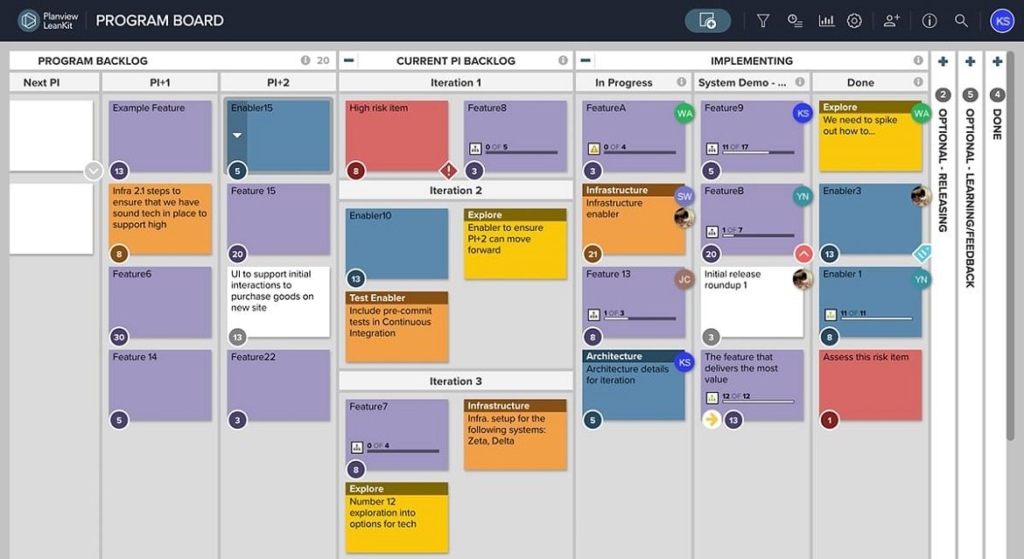
Highlights
- Flexibility and Adaptability: Agile emphasizes iterative work cycles and continuous adjustment to evolving requirements.
- Customer-Centricity and Collaboration: Regular stakeholder involvement drives meaningful project delivery.
- Rapid Delivery and Continuous Improvement: Agile approaches ensure faster time to market through short, manageable cycles.
Introduction to Agile Methodology
Agile methodology represents a paradigm shift in the realm of project management and software development. Born out of the need to overcome the limitations of traditional, plan-driven approaches such as the Waterfall methodology, Agile puts a premium on responding to changes, iterative development, and the delivery of functional products through regular, incremental improvements. Agile’s core principles pivot around flexibility, continuous feedback, and adaptive planning, making it an ideal approach in environments where project requirements may change over time or where customer input is crucial to the final product.
Originating with the publication of the Agile Manifesto in 2001 by a group of software developers, Agile has evolved to be applied across multiple industries including IT, finance, marketing, and even construction. The methodology champions values that prioritize individuals and interactions, working products, customer collaboration, and the ability to respond to change above rigid processes and comprehensive documentation.
Core Principles and Values
Agile Manifesto and Foundational Values
At the heart of Agile methodology lies the Agile Manifesto, which outlines four fundamental values that guide Agile practices:
- Individuals and Interactions over Processes and Tools: Emphasizing the importance of team collaboration, communication, and flexibility.
- Working Software over Comprehensive Documentation: While documentation is important, the primary goal is to deliver a functional, working product.
- Customer Collaboration over Contract Negotiation: Active engagement with the customer ensures that the product being developed meets their needs and can adapt to their feedback.
- Responding to Change over Following a Plan: Agile encourages teams to remain flexible and adjust plans as circumstances evolve rather than strictly adhering to an initial blueprint.
These values are complemented by a set of principles that emphasize early and continuous delivery of valuable software, fostering cross-functional teams, promoting sustainable development practices, and continually refining processes based on feedback.
Iterative Development and Continuous Improvement
One of the cornerstones of Agile methodology is its iterative approach. Projects are divided into small, manageable iterations or cycles, commonly known as sprints. Each iteration involves planning, development, testing, and review stages, ensuring that the product is continuously refined and improved.
Through this approach, teams can incorporate feedback and make necessary adjustments at the end of each cycle rather than waiting until the end of a long development period. This not only minimizes risks but also ensures that the end product aligns closely with customer expectations and emerging market trends.
Agile Frameworks and Methodologies
Popular Agile Frameworks
There are several frameworks under the Agile umbrella, each with its own methodologies and areas of focus. The most widely adopted frameworks include:
1. Scrum
Scrum is perhaps the most recognized Agile framework used in software development and project management. It structures work into fixed-length iterations known as sprints, which typically span between two to four weeks. Scrum involves clearly defined roles such as the Scrum Master, who facilitates the process; the Product Owner, responsible for the backlog and client requirements; and the development team, who collaborate to achieve the sprint goals. Regular events such as Daily Stand-ups, Sprint Reviews, and Retrospectives foster communication, transparency, and continuous improvement.
2. Kanban
Unlike Scrum, Kanban is a continuous flow-based approach that emphasizes visualizing work and limiting work in progress. Kanban boards, which display tasks in columns representing different stages of development, help teams quickly identify bottlenecks and optimize workflow efficiency. Kanban provides flexibility in terms of task scheduling and is particularly effective in environments where work is ongoing or less predictably cyclical.
3. Extreme Programming (XP)
Extreme Programming is another Agile framework that focuses on technical excellence and high-quality software through practices such as pair programming, test-driven development (TDD), continuous integration, and frequent releases. XP is especially beneficial in projects where requirements tend to change rapidly and where ensuring technical quality is paramount.
4. Lean Software Development
Derived from lean manufacturing principles, Lean Software Development emphasizes minimizing waste, maximizing value, and fostering an environment of continuous improvement. Lean methodology promotes efficient resource utilization and encourages teams to focus on work that directly contributes to customer value.
Each of these frameworks has its unique approach, yet all adhere to the core Agile principles, emphasizing iterative progress, regular feedback, and adaptability over adherence to a rigid plan.
Agile in Practice: The Development Cycle
Agile project management involves several phases that facilitate continuous progress and adaptation. The typical development cycle includes:
Concept
In the initial phase, teams identify opportunities, define the scope, and assess feasibility. The concept phase lays the groundwork for subsequent iterations by establishing a clear vision and setting preliminary goals.
Inception
During inception, teams outline requirements, build a backlog of tasks, and determine resource allocation. This stage involves significant collaboration with stakeholders to ensure that the project is aligned with business objectives and customer needs.
Iteration and Construction
The heart of Agile methodology lies in the iterative phase. Development teams work in short cycles or sprints, producing a functional version of the product by the end of each iteration. Regular sprint reviews, stand-ups, and retrospectives enable teams to gather feedback and iterate quickly.
Release and Production
Once a viable product is developed, it enters the release phase where it is deployed for production use. Agile practices ensure that products are always in a deployable state, thus shortening the time between development and market delivery.
Maintenance and Retirement
The Agile cycle also accommodates ongoing maintenance and eventual retirement of products. Continuous updates, bug fixes, and feature additions ensure that the product remains robust and relevant, even as market conditions evolve.
Advantages of Adopting Agile
Key Benefits
Agile methodologies offer numerous advantages that make them ideal in dynamic and rapidly evolving project environments. Some of the primary advantages include:
- Enhanced Flexibility: Agile allows teams to respond promptly to changes in project requirements, market conditions, or customer needs. This level of adaptability is invaluable in today’s fast-paced business environment.
- Faster Time-to-Market: By breaking projects into smaller increments and executing work in short cycles, Agile teams can deliver functional parts of the product more quickly. This approach enables early market entry and continuous value delivery.
- Improved Collaboration and Communication: Regular meetings and reviews ensure that all team members are aligned and informed. Collaboration between cross-functional team members—such as developers, designers, and testers—leads to a more cohesive and effective product development process.
- Customer-Centric Focus: Agile methodologies place a strong emphasis on involving customers throughout the development process. This ensures that the final product genuinely reflects customer needs and expectations, minimizing the risk of delivering an undesired product.
- Risk Mitigation: Frequent iterations and reviews help identify potential risks and challenges early in the development cycle. This proactive approach allows teams to address issues before they escalate, reducing costly reworks and delays.
- Continuous Improvement: Agile encourages regular reflection through retrospectives and feedback sessions. This fosters a culture of constant enhancement in processes and product quality, leading to higher performance over time.
Benefits in Various Industries
Although Agile was originally designed for software development, its principles have transcended this domain. Today, Agile is applied in numerous industries due to its adaptability and efficiency. In marketing, Agile methods allow for rapid campaign adjustments; in product development, they facilitate iterative prototyping; and even in human resources and finance, Agile practices have improved operational efficiency and responsiveness to change.
This versatility is largely attributable to Agile’s focus on clear communication, flexibility in planning, and real-time feedback, making it not only a technical framework but also a holistic approach to project management.
Challenges in Implementing Agile
Obstacles and Considerations
Despite its numerous advantages, Agile is not without its challenges. Several key issues may arise during the implementation of Agile practices:
- Cultural Shifts: Transitioning from traditional project management methodologies to Agile often necessitates a significant change in mindset. Organizations entrenched in rigid, hierarchical structures may struggle to embrace Agile’s emphasis on autonomy and continuous collaboration.
- Scaling Agile: While Agile works exceptionally well for small, dedicated teams, scaling it across large organizations can be problematic. Frameworks such as the Scaled Agile Framework (SAFe) have been developed to address scalability challenges, but integrating these can still be complex and resource-intensive.
- Consistency and Discipline: Agile’s flexibility requires a disciplined approach to ensure that teams do not drift away from established practices. Maintaining consistent quality and adherence to Agile processes demands ongoing oversight and commitment from both team members and leadership.
- Training and Expertise: Adequate training is essential for successfully adopting Agile methodologies. Without sufficient understanding of Agile principles, teams may implement practices superficially, undermining the potential benefits. Investing in training and using experienced Agile coaches can help overcome this challenge.
Recognizing these challenges early on is crucial. Organizations that invest in cultural change, provide comprehensive training, and adopt strategies to scale Agile practices are more likely to experience substantial improvements in productivity and product quality.
Agile in the Broader Context of Project Management
Comparing Agile to Traditional Methodologies
Traditional project management methodologies, such as the Waterfall model, are characterized by a linear and sequential approach where stages of development follow one another rigidly. In contrast, Agile offers a more dynamic and iterative process. This comparison reveals several key differences:
| Aspect | Traditional (Waterfall) | Agile |
|---|---|---|
| Approach | Linear and sequential | Iterative and incremental |
| Flexibility | Limited, with fixed plans | High, adapts to changes quickly |
| Feedback | Occurs at project milestones | Continuous throughout development |
| Collaboration | Often isolated silos | Cross-functional teams with frequent communication |
| Customer Involvement | Typically at start and end phases | Ongoing throughout the process |
This table encapsulates the fundamental differences between traditional and Agile methodologies. While traditional methods may work well in environments with stable, well-defined requirements, Agile’s approach is better suited to projects characterized by rapid change, uncertainty, and the need for fast feedback loops.
Adapting Agile to Your Organizational Needs
Successfully implementing Agile requires organizations to tailor its practices to their specific needs and contexts. The following considerations are essential when adopting Agile:
- Assess Organizational Culture: Understanding the existing culture and readiness for change is paramount. Agile thrives in an environment that encourages transparency, trust, and open communication.
- Customize Processes: While Agile provides a set of guidelines, it is crucial to adapt these processes to align with the unique dynamics of your team and projects. This might include customizing sprint lengths, meeting cadences, or documentation practices.
- Invest in Continuous Training: Continuous learning and development ensure that teams remain proficient in using Agile tools and techniques. Regular training sessions, workshops, and coaching can significantly enhance the effectiveness of Agile practices.
- Measure and Refine: Establish metrics to track progress, quality, and team performance. Use retrospectives and feedback loops not only to adapt the product but also to refine the Agile process itself.
Ultimately, the adoption of Agile is not a one-time event but a continuous journey towards improved collaboration, innovation, and efficiency.
Advanced Aspects of Agile Methodologies
Integrating Agile Practices in Non-Software Environments
Although Agile originated in software development, its principles have broad applicability across various sectors. In industries like manufacturing, healthcare, and finance, Agile practices have been integrated to enhance productivity and foster a culture of innovation. The flexible, iterative approach of Agile can be particularly beneficial for processes that require frequent adjustments based on real-time feedback.
Organizations outside the realm of software development have leveraged Agile to drive initiatives in product development, marketing strategies, and process optimization. This cross-industry adaptability not only underscores the versatility of Agile methodologies but also highlights their potential to revolutionize traditional work environments.
Future Trends and Evolving Agile Practices
As businesses continue to navigate complex and fast-changing environments, Agile methodologies are expected to evolve further. Emerging trends in Agile include the integration of advanced technologies like Artificial Intelligence (AI) to predict and manage workflow optimization, increasingly sophisticated tools for tracking team performance, and hybrid models that blend Agile with traditional project management approaches.
The future of Agile may also see a greater emphasis on remote collaboration and distributed teams, driven by advancements in digital communication and team management platforms. As organizations continue to digitize, Agile practices will likely become an even more integral part of managing diverse and rapidly expanding teams.
Conclusion
Agile methodology has redefined modern project management and software development practices by championing flexibility, continuous improvement, and customer-centricity. Its core principles, encapsulated in the Agile Manifesto, advocate for a fundamental shift from conventional, linear approaches to one that embraces change and fosters innovation through iterative processes. By breaking projects into manageable increments and enhancing collaboration through frequent feedback loops, Agile not only accelerates time-to-market but also intrinsically aligns development with the dynamic needs of customers and markets.
As organizations of various sizes and industries adapt to this methodology, they encounter unique challenges such as scaling Agile practices across larger teams and managing cultural shifts. Success in these areas is largely determined by investing in proper training, maintaining consistent discipline, and continuously refining processes based on real-world feedback.
Ultimately, Agile’s versatile and adaptive nature makes it a powerful tool for any organization aiming to innovate rapidly in today’s fast-paced, technology-driven environment. Embracing Agile not only enables the delivery of high-quality, customer-focused products but also fosters a work culture built on trust, collaboration, and a commitment to continuous improvement.
References
- What Is Agile Methodology? - GeeksforGeeks
- Agile Methodologies: A Beginner's Guide - Planview
- Agile methodology — everything you need to know - Miro
- Agile Methodology: Definition, Stages, Types, and Benefits - Atatus
- What is Agile methodology? (A beginner's guide) - Asana
- What is Agile Project Management? [+ How to Start] - Atlassian
- Agile Project Management - Coursera
- Agile Resources for Project Management - PMI
- Agile management - Wikipedia
- What is Agile Project Management (APM)? - TechTarget
- Agile Project Management Professional Certificate - edX
- Agile Project Management Methodology Guide - Teamwork.com
- Agile project management: Principles, benefits, tools, tips, and when ... - CIO
- Agile Overview - Atlassian
- What is Agile Project Management? - Coursera
- Agile 101 - Agile Alliance
Recommended
Last updated February 20, 2025