
Influence of Agricultural Practices on Arthropod Biodiversity in Rice Fields
Understanding Ecological Interactions through Farming Methods and Landscape Management
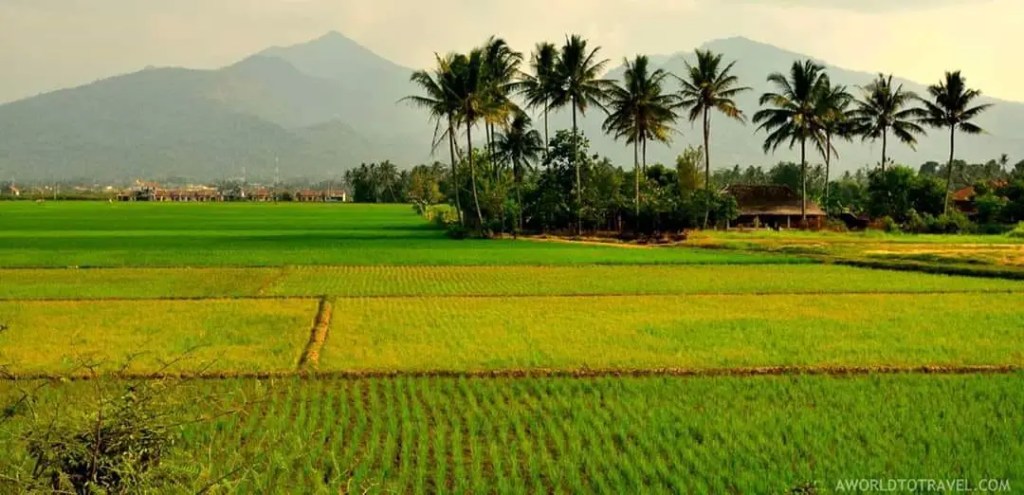
Highlights
- Impact of Farming Practices: Conventional methods including pesticide and fertilizer use often reduce beneficial arthropod populations.
- Role of Organic and Sustainable Methods: Organic farming and sustainable practices enhance above-ground diversity and ecosystem services.
- Landscape and Habitat Complexity: Incorporation of natural vegetation and diverse landscapes supports robust arthropod communities.
Introduction
Rice fields provide a unique agricultural landscape where the interplay between cultivation practices and the surrounding environment greatly influences biodiversity, particularly that of arthropods. Arthropods in rice ecosystems encompass insects, spiders, and other invertebrates that play vital roles such as pest control, pollination, and nutrient cycling. This comprehensive analysis examines how varying agricultural practices shape arthropod communities, balancing the benefits of intensive rice cultivation against the needs of maintaining ecological balance.
Agricultural Management and Its Direct Impact
Chemical Inputs and Their Effects
The use of pesticides and synthetic fertilizers in conventional rice farming has both immediate and long-term effects on arthropod biodiversity. Pesticides are primarily designed to target pest species but often have non-selective, detrimental impacts on beneficial arthropods. The reduction in natural predators and pollinators can upset the ecological balance in rice fields.
Moreover, repeated applications of these chemicals can lead to resistance among pest populations, further exacerbating the reliance on increased chemical use. Intensive chemical inputs not only decrease arthropod abundance and diversity but may also alter ecosystem dynamics by negatively affecting competing species and disrupting food webs.
Organic Farming Practices
In contrast to conventional methods, organic farming practices tend to promote greater arthropod biodiversity. Organic rice management typically reduces or eliminates the use of synthetic chemicals, relying instead on natural pest regulation, organic fertilizers, and crop rotation. Such practices create an environment in which beneficial arthropods such as predatory insects (e.g., certain Hymenoptera and Araneae) and decomposers thrive.
Numerous studies have documented that organic fields exhibit increased diversity and abundance of above-ground arthropods. While organic farming's impact might vary—sometimes showing less pronounced differences in below-ground communities—the overall community structure fosters a stronger balance of ecosystem services, from pest management to enhanced soil health.
Planting Methods and Variety Choices
The process of rice cultivation itself, including the choice of planting methods and rice varieties, directly influences habitat structure within the fields. Different seeding techniques, such as drum seeding or broadcast seeding, create varied microhabitats which can either promote or constrain arthropod populations. Crop varieties with different physical attributes, such as height and canopy density, also contribute to the availability of niches for these organisms.
Taller crops or varieties that generate denser canopies can provide shelter and breeding grounds, while simultaneously affecting micro-climatic conditions such as humidity and temperature. These varying conditions directly contribute to the life cycle success of arthropods, particularly those that serve as natural pest controllers.
Landscape-level Influences
Landscape and Habitat Diversity
Beyond on-field management, the surrounding landscape plays a crucial role in arthropod biodiversity. Complex landscapes that incorporate patches of natural vegetation, wetlands, and diverse land use structures support a high level of biodiversity. These habitats act as reservoirs for arthropods and even facilitate spillover effects, whereby beneficial species migrate into rice fields.
The presence of field margins with stubble retention or natural vegetation buffers can significantly mitigate the impact of intensive farming practices. Creating corridors or diverse mosaic patterns in the agricultural landscape provides refuge and alternative food sources for many arthropod species.
Water Management and Its Ecological Role
Water regimes in rice fields have a dual impact: while intermittent flooding is typical in rice agriculture, strategically managed water levels can benefit or hinder arthropod communities. For instance, continuous flooding may benefit aquatic organisms but can simultaneously reduce the diversity of terrestrial invertebrates by limiting habitat variability. Conversely, maintaining a balance between flooding and dry phases helps to preserve both aquatic and terrestrial arthropods, ensuring a harmonious ecosystem.
Ecosystem Services Provided by Arthropods
Role in Biological Pest Control
Arthropods provide vital ecosystem services that are critical to sustainable rice production. They serve as natural enemies to many pests; for example, parasitic wasps and predatory arthropods help keep herbivore populations under control, reducing the overall need for chemical intervention.
By naturally regulating pest dynamics, these organisms contribute to crop health and yield, thereby playing an instrumental role in Integrated Pest Management (IPM) strategies. The ecosystem service of pest control is further enhanced by landscape diversity, which allows arthropods to maintain balanced population dynamics even in changing environmental conditions.
Pollination and Decomposition
While many rice varieties are self-pollinated, the incidental role of arthropods in pollination is not to be underestimated in diversified cropping systems. Furthermore, many arthropods are crucial decomposers, breaking down crop residues and enhancing nutrient recycling.
This decomposition process improves soil quality by facilitating nutrient turnover and organic matter breakdown. In turn, healthier soils support better crop growth—a cycle that benefits both agriculture and biodiversity.
Soil Health and Arthropod Role
Soil-dwelling arthropods, including various invertebrates and smaller insects, act as bioindicators of soil health. They contribute to nutrient diffusion and soil aeration, further enhancing root development and plant growth. These organisms are typically very sensitive to soil disturbances, and their abundance can signal the quality of the soil ecosystem.
Practices such as organic fertilization, reduced tillage, and maintenance of crop residues tend to benefit these soil arthropod communities, thereby promoting overall agricultural sustainability.
Comparative Analysis of Agricultural Practices
Benefits of Sustainable Practices
Sustainable farming methods that integrate ecological principles work to mitigate the negative impact of intensive agriculture. By utilizing crop rotation, reduced chemical use, and preserving natural habitats, sustainable practices enable rice fields to maintain a better balance of arthropod diversity.
Moreover, adoption of eco-friendly practices not only enhances biodiversity but also results in improved ecosystem services. Farmers using these methods often report better natural pest regulation and soil health, reducing dependency on chemical inputs. In turn, this helps mitigate the environmental footprint of rice cultivation.
Challenges of Conventional Agriculture
Conventional rice cultivation, characterized by high inputs of fertilizers and pesticides, frequently creates an environment that favors a limited number of pest species over a diverse community. Intensified monoculture practices reduce habitat variability and undermine the ecological functions provided by arthropods.
Additionally, factors such as the loss of natural wetlands and the simplification of the landscape structure contribute to disrupted ecosystem services. Uniform crop management practices and repeated chemical use result in diminished populations of natural enemies, which ultimately lead to higher pest outbreaks and diminished resilience of the agroecosystem.
Table: Comparison of Agricultural Practices
| Practice Category | Key Characteristics | Impact on Arthropods |
|---|---|---|
| Conventional Farming | High chemical inputs, pesticide use, monoculture | Decreased beneficial populations; increased pest resistance risk |
| Organic Farming | Reduced synthetic chemicals, natural fertilizers, crop rotation | Enhanced above-ground arthropod diversity; improved natural pest control |
| Sustainable Practices | Integrated Pest Management, landscape management, habitat conservation | Balanced ecosystem services, improved soil health, conserved natural enemies |
Mechanisms Behind Biodiversity Changes
Habitat Heterogeneity
Agricultural practices influence habitat complexity within rice fields. For example, maintaining wetland patches, preserving natural vegetation along field boundaries, and allowing intermittent flooding creates diverse microhabitats. This heterogeneity is crucial for supporting a wide range of arthropod species.
Complex habitats provide various microclimates and ecological niches which allow arthropods to flourish. Species that are sensitive to environmental changes benefit from the availability of refuges and alternative feeding grounds. Therefore, practices that emphasize habitat heterogeneity are instrumental in preserving arthropod biodiversity.
Temporal Dynamics and Crop Cycles
The timing of planting and harvesting, as well as crop rotation schedules, can lead to temporal fluctuations in arthropod populations. The periods when rice fields are bare or transitioning between crops provide different conditions compared with fully grown fields. These fluctuations allow for species turnover and reduce the risk of pest buildup.
When fields are managed to include fallow phases or intercropping, longer-term benefits arise due to sustained diversity and ecological balance. These temporal dynamics are essential to allow populations of beneficial arthropods to recover after disturbances.
Influence of Crop Physical Characteristics
Variations in rice varietals and planting techniques lead to differences in canopy structure, which in turn influence arthropod diversity. For example, taller crop varieties can support more complex spatial structures, providing niches for predators and other beneficial arthropods that search for prey or shelter.
Conversely, certain pest species may also thrive in denser canopies. Therefore, agricultural decisions regarding crop selection and plant density must balance the needs for productivity with biodiversity conservation. Employing a mix of rice varieties and maintaining variable canopy structures are effective ways to promote such balance.
Integrating Multiple Strategies for Optimal Ecosystem Health
Combining Field-Level and Landscape-Level Interventions
Maximizing arthropod biodiversity in rice fields requires an integrated approach that emphasizes both field-level practices and landscape-scale planning. While adjustments in chemical use and crop management have immediate effects on arthropod populations, the broader landscape design also plays a significant role by offering additional refugia and connectivity for species dispersal.
Implementing integrated pest management (IPM) techniques, preserving natural vegetation, and avoiding excessive soil disturbance are some strategies that can work synergistically at both levels. This multifaceted approach enhances resilience against pest outbreaks and ensures the sustainability of ecosystem services.
Challenges and Future Directions
Despite evidence supporting the benefits of sustainable and organic practices, challenges persist. Intensive farming is often driven by market forces that favor short-term productivity over long-term ecological balance. Additionally, farmers may face economic and knowledge constraints when transitioning to more sustainable practices.
Future directions in rice agricultural research are likely to focus on developing innovative ways to integrate ecological principles with high-yielding farming methods. Continued research in areas such as microbial interactions, advanced water management, and landscape ecology will provide further insights into optimizing agricultural practices for enhanced arthropod biodiversity.
Conclusion
In summary, agricultural practices exert a profound influence on arthropod biodiversity in rice fields through a complex interplay of chemical inputs, farming methods, landscape structure, and water management. Conventional practices often diminish beneficial arthropod populations, compromising essential ecosystem services such as pest control and soil health. In contrast, organic and sustainable farming practices promote greater biodiversity by reducing chemical inputs and enhancing habitat heterogeneity.
The integration of diverse planting methods and the maintenance of natural vegetation both along field margins and within the broader landscape are critical for sustaining arthropod communities. By adopting a holistic approach that considers both field-level interventions and landscape-scale planning, agricultural systems can achieve a balance between productivity and ecological health.
As research continues to elucidate the intricate relationships between agricultural practices and arthropod dynamics, it becomes increasingly clear that sustainable management is key to preserving biodiversity within rice agroecosystems. This integrated approach not only benefits the in-field ecosystem but also contributes to broader environmental stability and resilience.
References
- Full Article - Frontiers in Environmental Science
- Full Article - Frontiers in Environmental Science
-
Abstract - ScienceDirect
- Article - Wiley Online Library
- Article - Nature
Recommended Queries
Last updated February 27, 2025