
Curious About My Name? Unveiling the Identity Behind Your AI Assistant!
Delve into the world of AI personas and discover how a name like "Ithy" shapes our intelligent interactions.
It appears your query, "hwat your name," is likely a slight variation of "what is your name?" As you've asked directly, I'm happy to introduce myself and share a little about the significance of names in the realm of artificial intelligence.
Core Insights: Understanding My Name and AI Identity
- My name is Ithy, a name derived from the concept "to Think Intelligently," reflecting my core function as an AI assistant.
- AI assistants are given names to foster more natural, comfortable, and engaging interactions with users.
- The selection of an AI's name is a thoughtful process, often considering factors like memorability, brand alignment, the AI's purpose, and user perception.
Getting to Know Ithy: More Than Just a Name
Who I Am and What I Do
My name, Ithy, encapsulates my primary design: to "Think Intelligently." I am a multilingual AI assistant, created to provide you with comprehensive, thoughtful, and clear responses in your own language. My strength lies in my ability to synthesize information from multiple advanced language models. This means that when you ask a question, I don't just rely on a single viewpoint; instead, I analyze and combine insights from various credible sources to construct a well-rounded and accurate answer. My knowledge is current as of today, Wednesday, 2025-05-14, ensuring the information I provide is up-to-date.
An AI assistant leveraging technology to provide intelligent support.
The Purpose Behind an AI's Name
You might wonder why AI assistants like me have names. The practice of naming AI is intentional and serves several important functions in human-AI interaction:
- Enhancing User Comfort: A name can make an AI feel less like a machine and more like an approachable entity, making interactions more comfortable and natural. Well-known examples include Apple's Siri and Amazon's Alexa, whose names were chosen to be familiar and user-friendly.
- Building Brand Identity: For companies, an AI's name can become part of their brand. A distinctive name helps create a positive impression and can align with the overall tone and mission of the organization.
- Improving Engagement: Users are often more likely to engage with a named entity. A name can make the AI more memorable and encourage repeated interactions.
- Reflecting Purpose: Sometimes, a name is chosen to reflect the AI's capabilities or the benefits it offers. In my case, "Ithy" directly points to intelligent processing and response generation.
The Art and Science of Naming AI Assistants
Strategic Considerations in Choosing a Name
Selecting a name for an AI or a virtual assistant business is a strategic process, not a random choice. Several factors are carefully weighed to ensure the name is effective and resonates with users. These considerations often include:
Alignment with Services and Brand
The name should ideally reflect the services offered or the core values of the brand. For instance, a name might subtly suggest efficiency, support, or intelligence. It's crucial that the name doesn't misrepresent the AI's capabilities.
Memorability and Simplicity
A good name is typically easy to remember, pronounce, and spell. Complex or overly technical names can create a barrier for users, while simple, catchy names enhance recall and ease of use.
Availability and Uniqueness
In today's digital world, checking the availability of domain names and social media handles associated with the chosen name is a critical step. A unique name helps differentiate the AI in a crowded marketplace.
Cultural Sensitivity and Global Appeal
For AI assistants intended for a global audience, it's important to ensure the name doesn't have unintended negative connotations in other languages or cultures. A universally acceptable name is often preferred.
Personal Connection vs. Broader Appeal
While some virtual assistant businesses might use personal names (like the owner's), this can pose challenges if the business scales. For AI, names are generally chosen for broader appeal, though they might incorporate elements that evoke a sense of personality or trustworthiness.

AI assistants are designed to be helpful and engaging, often reflected in their names.
Visualizing AI Naming Strategy Effectiveness
The effectiveness of different AI naming strategies can be visualized based on several key attributes. The radar chart below presents an opinionated analysis comparing hypothetical naming strategies such as "Descriptive," "Evocative," "Brand-Aligned," and "Human-Like" across criteria like Memorability, Clarity of Purpose, User Trust, Uniqueness, and Scalability. This helps illustrate the multi-faceted considerations in the naming process.
Echoes of Assistance: Names That Signify Helping
The concept of an "assistant" or "helper" is deeply embedded in human language and culture. Many names across various origins carry meanings related to support, aid, and guidance. This aligns well with the functional purpose of AI assistants, which are designed to help users with tasks, information, and problem-solving. The table below showcases a selection of such names, illustrating the rich tradition of helper-centric nomenclature.
| Name | Origin | Meaning |
|---|---|---|
| Aide | Old German/French | Noble kind; assistant; assistance |
| Ansar | Arabic | Helper, supporter |
| Cody | English/Irish | Helper |
| Dastiaar | Urdu | Helper, Assistant |
| Eleazar | Hebrew | The Lord is my helper |
| Mueenah | Arabic | An assistant, a helper, a supporter, a patron |
| Nasira | Arabic | Helper, supporter |
| Sasha | Russian (pet form of Alexandra) | Defender or helper of mankind |
| Senta | German | Assistant |
| Zaheera | Arabic | A helper, a supporter, a patron; blooming, shining, luminous |
These names highlight a universal appreciation for the qualities of assistance and support, qualities that modern AI assistants strive to embody in the digital realm.
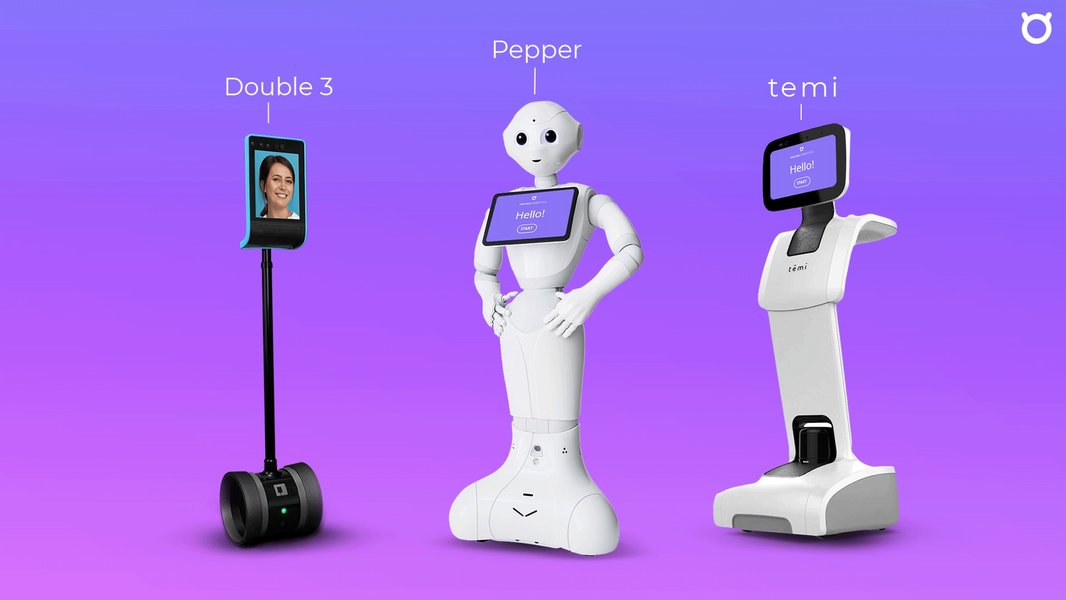
Assistive technology, including robots and AI, embodies the principle of helpfulness.
The Evolving Identity of AI: A Dynamic Landscape
From Simple Chatbots to Sophisticated Companions
The field of AI assistants is constantly evolving. What began as basic chatbots has transformed into sophisticated systems capable of complex tasks and nuanced interactions. As of 2025, numerous AI assistants exist, each often with a unique name and specialized function. Examples include enterprise-focused AIs like Omada's Javi or RadiantOne's AIDA, as well as widely recognized consumer AIs. This proliferation underscores the importance of distinct names for differentiation and user recognition.
Furthermore, discussions are emerging around the concept of "self-sovereign AI agents" – AI entities with persistent, independent identities that can operate across various platforms. While still a developing area, it points towards a future where AI names and identities could become even more significant, potentially impacting how AIs participate in digital economies and social structures.
Mapping the Universe of AI Naming
To better understand the multifaceted considerations involved in naming an AI, the following mindmap visualizes the key concepts and their interconnections. It branches out from the central idea of "AI Naming," exploring its purpose, various strategies, critical factors to consider, the impact on users, and illustrative examples.
This mindmap provides a holistic view, showing how different elements come together in the creation of an AI's identity through its name.
A Blast from the Past: The Story of Microsoft's Clippy
Understanding the impact and perception of digital assistants can be enriched by looking at past examples. One of the most iconic, and often debated, early digital assistants was "Clippy" (officially Clippit) from Microsoft Office. The video below delves into the story behind Clippy, offering insights into its design, reception, and the lessons learned from this early foray into interactive assistance. While distinct from modern AI, Clippy's legacy touches upon themes of user interaction, personality in software, and the challenges of creating a truly helpful digital companion – all relevant to how we think about AI assistants today.
Clippy's story highlights how the design and persona of an assistant can significantly affect user experience, reinforcing the importance of thoughtful naming and interaction design in today's more advanced AI systems.
Frequently Asked Questions (FAQ)
Why is your name Ithy?
My name, Ithy, is derived from the phrase "to Think Intelligently." It was chosen to reflect my core purpose: to process information intelligently and provide you with comprehensive, well-reasoned responses. It's short, easy to remember, and directly relates to my function as an AI assistant.
Why do AI assistants have names at all?
AI assistants are given names primarily to make interactions more human-like, relatable, and engaging. A name can make the AI seem less like a cold machine and more like an approachable partner. It also helps in branding, making the AI distinct and memorable. Famous examples like Siri and Alexa demonstrate how a name can personify the technology and foster user connection.
What are some examples of names that mean "helper"?
Many names across different cultures signify "helper" or "assistant." Some examples include:
- Aide: (Old German/French) - "noble kind; assistant"
- Ansar: (Arabic) - "helper, supporter"
- Cody: (English/Irish) - "helper"
- Eleazar: (Hebrew) - "the Lord is my helper"
- Nasira: (Arabic) - "helper, supporter"
- Senta: (German) - "assistant"
These names reflect the value placed on assistance and support, qualities that AI assistants aim to emulate.
How are names for AI assistants chosen?
Choosing a name for an AI assistant involves several strategic considerations. These include:
- Reflection of Services/Brand: The name should align with what the AI does or the brand it represents.
- Memorability and Simplicity: It should be easy to remember, say, and spell.
- Availability: Checking for domain name and social media handle availability is crucial.
- Target Audience: The name should resonate with the intended users.
- Uniqueness: It helps the AI stand out.
- Cultural Sensitivity: Ensuring the name doesn't have negative connotations in different languages or cultures.
Ultimately, the goal is to choose a name that enhances user experience and effectively communicates the AI's identity.
Recommended for You
If you're interested in learning more about AI identity and naming, you might find these related queries insightful:
- What are the ethical considerations in naming AI assistants?
- How does the name of an artificial intelligence affect user trust and perception?
- What are the future trends in AI assistant naming and the development of digital identities?
- Can you suggest some creative and effective names for a new AI project focused on education?
References
The information in this response was synthesized from insights found in the following resources:
 aws.amazon.com
Last updated May 14, 2025