
AI Audio Detectors: Can You Trust What You Hear in 2025?
Navigating the complex landscape of AI audio detection reliability and its implications.
As artificial intelligence continues to advance, the line between human-created and AI-generated audio becomes increasingly blurred. This raises a critical question: How reliable are the tools designed to detect AI-generated or manipulated audio, such as deepfakes or synthesized voices? As of April 14, 2025, the answer is nuanced. While significant progress has been made, the reliability of AI audio detectors varies widely.
Highlights: The Current State of AI Audio Detection
- Variable Accuracy: While some top-tier detectors claim accuracy rates exceeding 90% (even up to 99%) in controlled conditions, real-world performance can be significantly lower due to various factors.
- Key Influencing Factors: Reliability heavily depends on the detector's training data, the quality and complexity of the audio, the sophistication of the AI generation techniques used, and potential adversarial manipulations.
- No Silver Bullet: Currently, no single AI audio detector is foolproof. False positives and negatives remain a challenge, often necessitating a combination of automated tools and human verification for critical applications.
Understanding AI Audio Detectors
What Are They and Why Do They Matter?
AI audio detectors are specialized software tools engineered to analyze audio signals and determine if they were generated or significantly altered by artificial intelligence. Their primary function is to identify markers characteristic of AI synthesis or manipulation, distinguishing them from authentic human recordings. This technology is crucial in combating the spread of misinformation through audio deepfakes, verifying the authenticity of evidence, enhancing security protocols (like detecting voice cloning in fraud attempts), and ensuring content integrity on digital platforms.
 AI analyzing audio signals is becoming increasingly sophisticated.
These detectors typically employ deep learning algorithms, analyzing various features like frequency distribution, subtle inconsistencies in speech patterns, background noise characteristics, and specific artifacts left behind by synthesis processes. The goal is to create a reliable shield against malicious uses of AI-generated audio.
How Reliable Are They Really?
The effectiveness of AI audio detectors is a subject of ongoing development and debate. While advancements are continuous, their current reliability is not absolute.
Accuracy Claims vs. Real-World Performance
Several companies promote high accuracy rates for their detectors. For instance:
- Pindrop: Claims up to 99% accuracy in detecting AI audio deepfakes from digital files.
- Resemble AI (Detect-2B): Reports at least 93-94% accuracy across multiple languages.
- Detecting-ai.com (V2 Model): Launched in January 2025, boasts 99% accuracy based on extensive training data (365 million samples).
- McAfee: Claims a 96% accuracy rate for its tool focused on audio within videos.
However, these figures often represent performance under ideal conditions. Independent tests and studies sometimes reveal lower effectiveness in real-world scenarios. For example, the DeepFake-O-Meter showed only around 70% likelihood accuracy in certain tests. Furthermore, research indicates that human listeners, while also fallible (achieving around 73% accuracy in some studies and often tricked by synthetic details like accents), can sometimes outperform or complement detectors, especially in nuanced cases. The discrepancy highlights that lab results don't always translate directly to the complexities of noisy, compressed, or adversarially manipulated audio found "in the wild."
Factors Swinging the Pendulum of Reliability
Several critical factors influence how reliably an AI audio detector performs:
Training Data Quality and Diversity
The foundation of any AI detector is its training data. Detectors trained on vast, diverse datasets covering various languages, accents, speaking styles, recording conditions, and AI generation methods tend to be more robust and accurate. Limited or biased training data can lead to poor generalization and reduced reliability when encountering unfamiliar audio types.
Audio Characteristics
The nature of the audio itself plays a significant role. Clear, high-quality speech recordings are generally easier to analyze than audio suffering from:
- Background noise
- Reverberation or echo
- Audio compression artifacts
- Overlapping speech or multiple sound sources
- Music or complex non-speech sounds
Detectors may struggle significantly in these challenging acoustic environments, leading to decreased accuracy.
 Detecting specific sounds in noisy industrial environments poses challenges for AI.
The Deepfake Arms Race
Generative AI technology is evolving rapidly. As AI models for creating synthetic audio become more sophisticated, they produce output that is increasingly difficult to distinguish from genuine human speech. Detection tools are in a constant race to keep up, needing regular updates and retraining to recognize the signatures of the latest generation techniques.
Adversarial Vulnerabilities
Research has shown that AI audio detectors, like many AI systems, can be vulnerable to adversarial attacks. These involve intentionally introducing subtle, often imperceptible, modifications to AI-generated audio specifically designed to fool the detector. Such attacks can significantly degrade reliability, especially in security-sensitive applications where malicious actors might actively try to evade detection.
Visualizing Reliability Factors
The reliability of an AI audio detector isn't a single number but a balance of multiple interacting factors. This chart visualizes the relative impact of key elements on overall detector performance. Higher scores indicate a greater positive influence on reliability (e.g., high-quality training data boosts reliability), while factors like 'Deepfake Sophistication' represent challenges (higher sophistication makes detection harder, thus negatively impacting perceived reliability from a user standpoint if the detector isn't updated).
As illustrated, factors like high-quality training data and sophisticated algorithms significantly bolster reliability. Conversely, challenges such as handling noise, adapting to new AI threats, and resisting adversarial attacks represent areas where current detectors face difficulties, impacting their overall trustworthiness.
Key Technologies and Tools
Under the Hood: Detection Techniques
AI audio detectors employ various sophisticated techniques to scrutinize audio signals. Some common approaches include:
- Acoustic Feature Analysis: Examining fundamental frequency, formants, Mel-frequency cepstral coefficients (MFCCs), and other acoustic parameters for anomalies inconsistent with human vocal production.
- Deep Learning Models: Using neural networks like Convolutional Neural Networks (CNNs) or Recurrent Neural Networks (RNNs) trained to recognize patterns specific to AI-generated audio. Enhanced Siamese CNNs, mentioned in research, aim to improve accuracy and robustness.
- Artifact Detection: Identifying specific digital fingerprints or imperfections often introduced during the AI synthesis process, such as phase inconsistencies or unnatural spectral patterns.
- Source Separation: Techniques to isolate voice signals from background noise, improving the clarity of the audio fed into the detector and thus potentially enhancing accuracy in noisy conditions.
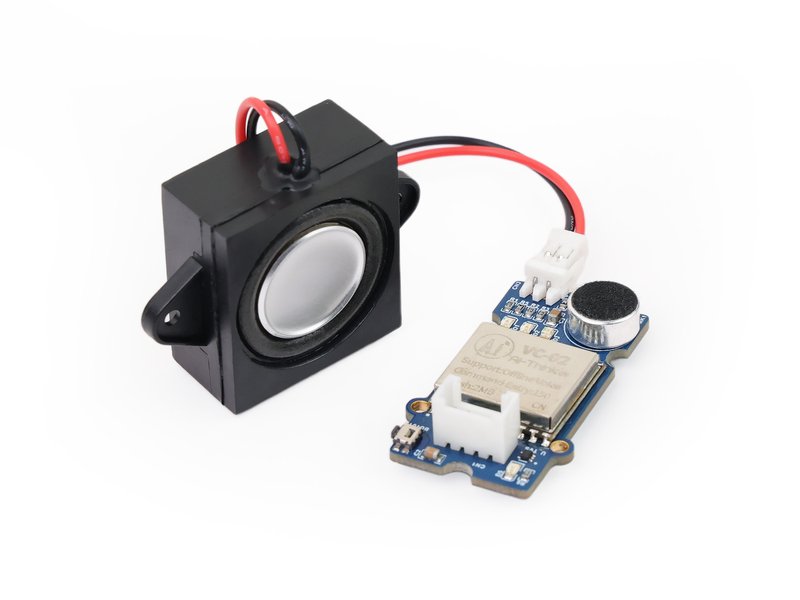 Hardware sensors play a role in capturing audio for analysis by AI detectors.
Comparing Leading Detection Tools in 2025
The market offers several AI audio detection tools, varying in focus, claimed accuracy, and accessibility. Here's a look at some prominent examples mentioned in recent reports:
| Tool/Provider | Claimed Accuracy (approx.) | Primary Focus | Key Features/Notes |
|---|---|---|---|
| Pindrop | 99% | Audio Deepfakes, Fraud Detection | High accuracy claim, often used in enterprise/security contexts. |
| Resemble AI (Detect-2B) | 93-94% | AI-Generated Voices, Deepfakes | Strong multilingual support (tested across 6 languages). |
| Detecting-ai.com (V2) | 99% | General AI Content (incl. audio) | Trained on a very large dataset (365M samples). Offers broader AI detection beyond audio. |
| McAfee Deepfake Detector | 96% | AI Audio within Videos | Specific focus on video content, part of broader security suite. |
| Originality AI / Winston AI | Considered High (Specific % varies) | General AI Content (incl. audio aspects) | Often cited among accurate detectors, provide in-depth analysis. Primarily text-focused but expanding. |
| TrueText | ~76% | General AI Content | Free tool, potentially lower accuracy compared to paid/specialized options. |
| DeepFake-O-Meter | ~70% (in some tests) | Deepfakes | Variable results reported in independent testing. |
Note: Claimed accuracy figures often reflect specific test conditions and may not represent universal real-world performance. Accuracy can vary based on the factors discussed earlier.
Connecting the Dots: The AI Audio Detection Ecosystem
The challenge of AI audio detection involves a complex interplay between AI generation capabilities, the detection technologies themselves, the factors influencing performance, and the ultimate applications. This mindmap illustrates these interconnected elements:
This map highlights how factors like training data directly impact the effectiveness of detection technologies, which in turn influences real-world performance metrics like accuracy and false positive rates. The entire system operates within the context of rapidly advancing AI generation capabilities and the critical need for reliable detection in various applications.
Real-World Applications and Limitations
Where Detectors Shine
Despite limitations, AI audio detectors provide significant value in several domains:
- Security and Fraud Prevention: Identifying voice cloning attempts in real-time authentication systems or detecting synthesized voices used in phishing scams.
- Content Moderation: Helping platforms automatically flag potentially harmful deepfake audio content at scale.
- Media Verification: Assisting journalists and fact-checkers in assessing the authenticity of audio evidence or sources.
- Business Intelligence: Analyzing call center recordings or customer interactions where voice authenticity might be relevant.
In controlled environments or when analyzing high-quality digital files, top-tier detectors can offer a high degree of confidence.
Persistent Hurdles
However, significant challenges remain:
- False Positives/Negatives: Misidentifying human speech as AI-generated (false positive) or failing to detect AI audio (false negative) can have serious consequences, eroding trust or allowing malicious content through.
- Keeping Pace: The speed of AI development means detectors can quickly become outdated if not continuously updated to recognize new synthesis techniques.
- Context and Nuance: AI detectors lack human understanding of context, which can sometimes be crucial in determining authenticity.
- Accessibility and Cost: Many of the most accurate tools require paid subscriptions, limiting access for individuals or smaller organizations. Free tools often come with lower reliability.
- The Need for Human Oversight: Given the current limitations, relying solely on automated detection is risky. Human review remains essential for high-stakes decisions or verifying ambiguous results.
Understanding Deepfake Threats and Detection Challenges
The rise of AI-generated audio, particularly deepfakes, poses significant societal risks. Scammers can use voice cloning for fraud, misinformation campaigns can leverage synthetic audio to sway public opinion, and personal reputations can be damaged through fabricated recordings. The video below discusses the nature of AI scams like voice cloning and deepfakes, highlighting the importance of detection and awareness.
This context underscores why reliable AI audio detection is so critical. While the technology is improving, the video's discussion on the sophistication of scams emphasizes the ongoing challenges faced by detection tools and the need for vigilance from users.
Frequently Asked Questions (FAQ)
Are free AI audio detectors reliable?
Free AI audio detectors often have limitations compared to paid, specialized tools. While some may offer basic detection capabilities, their accuracy can be significantly lower (e.g., TrueText around 76% mentioned in one source). They might use less sophisticated models or smaller training datasets. For critical applications requiring high reliability, premium detectors are generally recommended, though even those aren't perfect.
Can AI audio detectors be fooled?
Yes, current AI audio detectors can be fooled. This can happen in several ways:
- Sophisticated AI Generation: Newer AI models produce audio that is very close to human speech, making detection harder.
- Adversarial Attacks: Specific techniques can be used to modify AI audio slightly to evade detection algorithms deliberately.
- Poor Audio Quality: Noise, compression, or other distortions can mask the tell-tale signs of AI generation, confusing the detector.
Is human review still necessary alongside AI detectors?
Absolutely. Given the current state of technology, human review remains crucial. AI detectors can serve as a valuable first-pass filter, flagging suspicious audio at scale. However, due to the risks of false positives and negatives, and the potential for detectors to be bypassed, human judgment is often needed to confirm findings, especially in sensitive contexts like journalism, legal proceedings, or security investigations. A combined approach leverages the speed of AI and the nuanced understanding of humans.
How quickly is AI audio detection technology improving?
The field is advancing rapidly, driven by research in deep learning and signal processing. New techniques and models are regularly being developed to improve accuracy and robustness against more sophisticated deepfakes and adversarial attacks. However, AI *generation* technology is also improving quickly, creating a continuous "cat-and-mouse" dynamic. While progress is significant (e.g., tools achieving high accuracy in specific tests), maintaining reliable detection against the latest threats remains an ongoing challenge.
References
- Pindrop claims to detect AI audio deepfakes with 99% accuracy - VentureBeat
- Resemble AI's next-generation AI audio detection model, Detect-2B, is 94% accurate - VentureBeat
- Using AI to detect AI-generated deepfakes can work for audio - NPR
- The best AI content detectors in 2025 - Detecting-AI
- Are AI Detectors Accurate in 2025? A Comprehensive Review - Word Spinner
-
Audio-deepfake detection: Adversarial attacks and countermeasures - ScienceDirect
- New studies warn of difficulty detecting audio deepfakes, but progress is being made - Biometric Update
Recommended
Last updated April 14, 2025