
Mastering AI Tools for Budgeting and Financial Planning
Harness AI to streamline your finances and achieve your goals efficiently
Key Insights
- Personalized Recommendations: AI tools analyze spending patterns to create tailored budgeting and financial plans.
- Real-Time Tracking and Predictive Analytics: By integrating with financial accounts, they provide up-to-date tracking and forecasting.
- Automation and Integration: Automate routine financial tasks and seamlessly integrate data from multiple sources.
Understanding AI’s Role in Modern Budgeting and Financial Planning
In today’s fast-paced financial environment, AI-powered tools are revolutionizing the processes of budgeting and financial planning. They offer sophisticated techniques that go far beyond traditional manual methods, incorporating automation, real-time tracking, and advanced predictive analytics. By leveraging AI, both individuals and businesses can enjoy a level of precision and personalization previously unattainable with spreadsheets or manual calculations.
The Transformation in Financial Management
Traditional budgeting strategies often relied on rudimentary methods that required manual data input, which was both time-consuming and prone to errors. On the other hand, AI tools utilize machine learning algorithms to automatically track expenses, analyze historical data, and forecast future financial scenarios. This transformation is empowering users to not only visualize and understand their financial habits but also to predict and plan for future expenses and savings goals.
Real-Time Expense Monitoring
One of the key capabilities of AI tools is real-time analysis of financial transactions. When integrated with bank accounts, credit cards, and other financial platforms, these tools continuously monitor spending behavior. This real-time tracking is crucial for staying on top of one’s financial situation and immediately addressing any deviations from the planned budget.
Automated Categorization and Analysis
AI algorithms can automatically categorize individual transactions into groups such as essentials, discretionary spending, and savings. This level of categorization not only saves time but also provides clear insights into where money is being spent. Automation reduces the possibility of errors and ensures that every detail is accounted for accurately, thus facilitating more informed decisions.
Essential Features of AI Budgeting Tools
Modern AI budgeting and financial planning tools are built to offer a range of comprehensive features that address both immediate and long-term financial needs. Below, we break down the core functionalities that define these innovative tools:
Automated Expense Tracking
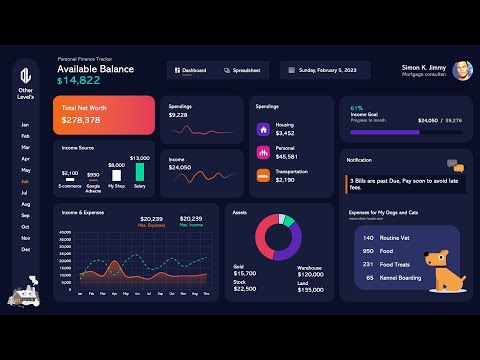
AI can automatically extract data from various financial sources, categorizing transactions into detailed visual representations such as graphs and charts. This automated expense tracking makes it extremely simple to monitor your spending habits without the need for manual entry.
Predictive Financial Analytics
By analyzing historical financial data, AI tools predict future spending patterns and forecast potential financial challenges. This predictive capability allows users to take proactive measures, such as adjusting budgets or setting aside emergency funds to prepare for unforeseen expenses.
Personalized Budget Creation and Goal Setting
AI tools excel at creating customized budgets based on your specific income, spending patterns, and financial objectives. From short-term savings for a vacation to long-term retirement planning, these tools generate actionable insights that help shape effective financial strategies.
Advanced Recommendations for Savings and Investments
In addition to budgeting, AI assists in smart decision-making for savings, investments, and debt management. The tools analyze risk factors, consider market conditions, and offer personalized recommendations that align with your financial goals, ensuring that every financial decision is data-backed and well-informed.
How to Choose and Use AI Budgeting Tools
Selecting the right AI budgeting tool is a crucial step in transforming your financial management. Several considerations should guide this process:
Selection Criteria
When choosing an AI budgeting tool, review the following factors:
- Ease of Use: Interfaces should be intuitive, ensuring that a broad user base, including individuals with minimal tech experience, can benefit.
- Features and Customization: Look for tools that provide a robust set of functions such as automated tracking, predictive analytics, and personalized recommendations. Customizable features allow the tool to adapt to your unique financial circumstances.
- Integration Capabilities: Ensure the tool integrates seamlessly with your existing financial systems such as bank accounts, credit cards, and investment platforms. This integration is key for real-time monitoring and comprehensive data analysis.
- Security and Privacy: Given the sensitive nature of financial information, it's imperative that the AI tool adheres to strict security protocols, including data encryption and multi-factor authentication.
Data Integration and Setup
Once you’ve selected a tool, the next step involves linking various financial accounts to offer a unified view of your finances. This setup ensures that the tool has the requisite data to analyze and categorize transactions accurately. Many platforms facilitate this process by allowing secure connections to multiple financial sources.
Goal Setting and Scenario Planning
With your financial data integrated into the system, setting clear and actionable financial goals is essential. Whether your objective is reducing debt, building an emergency fund, or planning for retirement, AI tools can help map out the necessary steps to attain these goals. Additionally, scenario planning features enable you to run simulations, giving you insight into how various changes in income or expenses could impact your overall financial stability.
Popular AI Budgeting and Financial Planning Tools
A wide array of AI-powered tools cater to both personal and business financial planning. These platforms differentiate themselves based on target audience, pricing models, and unique features. Below is an overview of several notable tools:
Overview of Leading Platforms
| Tool Name | Main Features | Target Audience | Pricing (Approx.) |
|---|---|---|---|
| YNAB | Zero-based budgeting, real-time insights | Individuals | $14.99/month |
| Rocket Money | Comprehensive expense tracking, bill reminders | Individuals | Free basic; Premium up to $12/month |
| Planful | Scenario planning, predictive forecasting, enterprise-level capabilities | Businesses | Starting at $300/month |
| Mint | Expense categorization, personalized budgeting | Individuals | Free with ads |
| Cleo | Chatbot interface, budgeting assistance | Individuals | Free; Premium features available |
Practical Implementation Steps
Effective use of AI tools for budgeting involves a cyclical process that starts with the integration of financial data and ends with continuous monitoring and periodic adjustments. Here’s a structured guide to maximizing the benefits of these solutions:
Step 1: Initial Data Integration
Begin by securely linking all your financial resources. This includes bank accounts, credit cards, investment accounts, and any other relevant sources of financial data.
Step 2: Setting Clear Financial Goals
Define your short-term and long-term financial objectives. These goals serve as the foundation upon which AI tools can build personalized budgeting recommendations. Whether it's saving for a new home, managing debt, or planning an investment strategy, clarity in your objectives is key.
Step 3: Automated Expense Tracking and Categorization
Once your accounts are integrated, allow the AI tool to automatically track and categorize expenses. This process not only provides you with real-time spending insights but also helps in identifying any unexpected patterns or potential areas for savings.
Step 4: Utilizing Predictive Analytics
With historical data at its disposal, the AI system can forecast future spending and alert you to potential challenges. Use these insights to adjust your budget preemptively, ensuring that you are never caught off guard by unforeseen expenses.
Step 5: Regular Reviews and Adjustments
Financial situations evolve due to changing income levels, life events, or market conditions. It is critical to regularly review reports generated by your AI budgeting platform. Adapt your spending plan based on new insights to stay on track with your financial goals.
Step 6: Embracing Continuous Improvement
AI tools are continually updated with new algorithms and features that improve their accuracy and efficiency. Stay engaged with the tool, provide feedback, and explore advanced features such as scenario analysis or portfolio optimization for deeper financial insights.
Best Practices and Emerging Trends
The world of AI in financial planning is dynamic, with new best practices and features emerging constantly:
Data Security and Privacy
In an era where data breaches are a concern, choose tools that prioritize robust security measures. Encrypted data transfer and secure account integration are crucial elements that protect your financial information.
Customization and Flexibility
The best tools allow for personalized settings. They adapt suggestions based on your unique financial situation, ensuring that your budgeting plans remain realistic and tailored to your lifestyle.
Comprehensive Financial Ecosystems
Future trends indicate a move toward richer integration where budgeting tools connect seamlessly with broader financial ecosystems, including investment platforms and portfolio management systems. This integration further enhances the decision-making process and operational efficiency.
Enhanced Predictive Capabilities
As algorithms improve, anticipate more refined forecasting that takes into account not just your past spending habits but also external economic indicators. Such predictive analytics offer early warnings that empower users to make timely financial adjustments.
Incorporating AI into Financial Literacy
Beyond merely tracking numbers and forecasting expenses, many AI tools provide educational resources designed to enhance your financial literacy. Through interactive tutorials, articles, and community forums, users can expand their understanding of sound financial practices. The synergy of education and advanced technology creates a more informed approach to planning and managing finances.
Combining Personal Oversight with AI Efficiency
While AI tools significantly automate and enhance the budgeting process, it remains essential to apply personal oversight. Regular engagement with the tool’s comprehensive dashboards allows you to verify critical financial decisions. Combining the deep insights provided by AI with everyday human judgment leads to robust financial planning – a balance that ensures reliability and responsiveness.
References
- Top 10 AI Budgeting Tools for 2025 - EasyBuget
- AI Budgeting Tools - Smart Wealth Wizard
- AI in Finance: Budgeting - Mosaic
- How to Use AI to Budget - SavingK
- The Future of Finance: AI Budgeting Tools - Tid Mavi
-
AI Budgeting Tools Guide - TopApps
- Financial Growth in 2025 - Forbes
- AI Budgeting Tools Explained - SoFi
-
Comprehensive AI Budgeting - TopApps Blog
- How to Grow Your Money in 2025 - Forbes
Recommended Explorations
Last updated February 28, 2025