
Operational Definitions of AI Chatbot Terms
A comprehensive guide to key concepts in AI chatbot operations
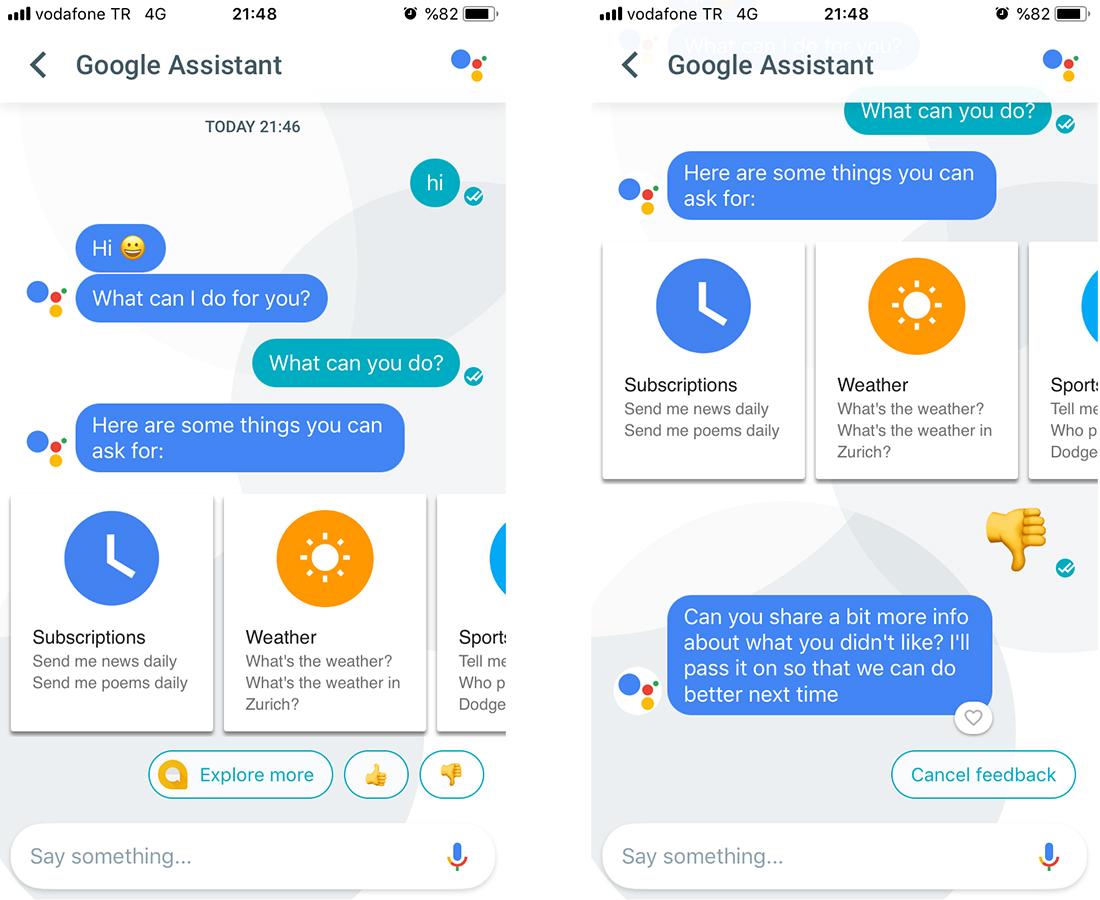
Highlights
- AI Chatbots and Their Core Technologies: Understand how artificial intelligence, machine learning, and natural language processing power modern chatbots.
- Key Operational Terms: Definitions cover intent detection, entity recognition, semantic search, sentiment analysis, and decision trees.
- Integration and Scalability: APIs, channels, and conversational context form the backbone of scalable and dynamic chatbot operations.
Introduction
An AI chatbot is an advanced software application that simulates human-like conversations through the integration of several artificial intelligence technologies. These applications leverage machine learning, natural language processing (NLP), as well as deep neural networks to interact with users in a manner that feels both natural and insightful. Understanding the operational terminology behind AI chatbots is crucial for developers, managers, and business stakeholders who aim to integrate these advanced systems into various operational environments. In this guide, we explore the key concepts and definitions that underpin the functioning of AI chatbots.
Core Components of AI Chatbots
1. Artificial Intelligence (AI) in Chatbots
AI in chatbots refers to the simulation of human intelligence by computer systems. This involves capabilities such as learning, reasoning, problem-solving, and self-improvement. Through AI, chatbots tackle complex interactions and provide users with relevant and contextually aware responses.
2. Natural Language Processing (NLP)
NLP is a core technology in AI used to interpret, process, and generate human language. It allows chatbots to analyze user inputs, extract meaningful data, and formulate responses that are grammatically coherent and contextually relevant. By using techniques such as tokenization and sentiment analysis, chatbots can break down complex sentences to identify the intent, emotions, and key entities.
3. Machine Learning (ML)
Machine learning is a subset of AI wherein systems learn from historical data and previous interactions. In the context of chatbots, ML models improve responses over time by analyzing user inputs, refining patterns, and adapting to new conversational data. This continuous learning process enhances the chatbot's performance and accuracy in interpreting various queries.
Key Operational Terms and Their Definitions
Intent Recognition
Intent recognition is the method by which chatbots determine what the user wants to achieve with a given query. By analyzing phrases and context, the system deduces whether a user is asking for information, requesting a service, or performing a transactional task. This definition is critical as it forms the basis for the chatbot's ability to deliver specific and actionable responses.
Entity Recognition
Entity recognition involves identifying key pieces of information, such as names, dates, locations, and product identifiers, within the user’s input. Once entities are recognized, the chatbot can apply additional processing, such as linking to database records or performing further validation, to supply a tailored response.
Conversational Context
Conversational context refers to the background information or history of interactions that a chatbot uses to provide coherent and timely responses. Maintaining context is essential for personalized conversations; it allows the system to remember previous user queries and responses, leading to a more dynamic and engaging experience.
Conversational AI
This term encapsulates the overall approach towards building chatbots capable of carrying human-like conversations. Conversational AI integrates multiple AI technologies including NLP, ML, intent recognition, and even speech recognition to produce seamless interactions. It emphasizes natural, fluid dialogue rather than rigid, scripted exchanges.
Semantic Search
Semantic search goes beyond keyword matching by interpreting the meaning and context behind users' words. This facilitates more accurate search results and responses from the chatbot, as it can understand synonyms, context, and user intent. With semantic search, a chatbot delivers results that align better with what the user is actually asking.
Sentiment Analysis
Sentiment analysis involves detecting the emotional tone behind a user’s message. By identifying whether a message is positive, negative, or neutral, chatbots can adjust their responses to better meet the user's emotional state. This analytical process enhances the empathy and appropriateness of chatbot interactions, often leading to improved customer satisfaction.
Decision Trees
Decision trees are flowchart-like algorithms used to guide conversations based on user inputs. Each branch represents a possible path the conversation might take based on certain decisions made by either the user or the chatbot. Although traditional rule-based systems heavily relied on decision trees, modern AI chatbots often use more flexible neural network architectures that adapt dynamically.
APIs in Chatbots
Application Programming Interfaces (APIs) allow the chatbot to interact with external systems and databases. The integration of APIs enables chatbots to expand their capabilities, such as accessing customer data, processing transactions, or providing dynamic information (like weather or news updates). This interoperability is a cornerstone for scalable, real-world applications.
Channels
Channels refer to the platforms where chatbots operate. These include live chat, social media platforms, SMS, and voice assistants. A chatbot’s definition extends to its ability to adapt its conversational style and functionalities in different channels to meet user expectations and platform-specific requirements.
Large Language Models (LLMs)
Large Language Models are advanced pre-trained models capable of understanding and generating human-like text. Models like GPT (Generative Pre-trained Transformer) exemplify LLMs by leveraging extensive datasets to produce coherent and contextually aware replies. Their use in chatbots can elevate the interaction quality by enabling responses that are highly adaptive and nuanced.
Table of Key Terms and Functionalities
| Term | Definition | Application in Chatbots |
|---|---|---|
| AI Chatbot | A software application that simulates human-like conversation using AI techniques. | Automated customer service, virtual assistants, and interactive user interfaces on various digital platforms. |
| NLP | Technology for processing and understanding human language. | Parsing user input, analyzing sentiment, recognizing intent, and generating natural responses. |
| Machine Learning (ML) | Subset of AI where algorithms learn from data to improve performance. | Adapting chatbot responses based on historical interactions to improve accuracy and relevance. |
| Intent Recognition | The process to determine user goals from the conversation. | Triggering appropriate workflows or responses based on the identified user request. |
| Entity Recognition | Identification of specific data points like names, dates, or locations in text. | Extracting critical information for providing accurate responses or triggering actions. |
| Semantic Search | Search mechanism that understands the meaning, context, and nuances in language. | Improving the accuracy of responses by analyzing the full context of user queries. |
| Sentiment Analysis | Detecting emotional tones within text | Customizing interactions based on user emotions, enhancing customer experience. |
| Decision Trees | Tree-like model used for decision-making in chat interactions. | Guiding conversation flows in pre-defined ways, albeit now often replaced by more flexible AI models. |
| APIs | Interfaces that allow communication between software components. | Connecting chatbots with databases, third-party services, and other applications. |
| Large Language Models | Advanced neural networks trained on vast text datasets to generate human-like text. | Handling complex and context-sensitive exchanges by producing adaptive and coherent responses. |
Integration and Operational Dynamics
1. Combining Technologies for Robust Performance
Modern AI chatbots are built upon the seamless integration of various core technologies. For example, NLP and ML work together: where NLP parses and understands incoming text, ML enhances learning by processing historical responses and user feedback. This symbiotic relationship allows chatbots to not only execute scripted tasks but also to manage unscripted, spontaneous user queries.
2. Scaling Across Multiple Channels
Operationally, chatbots must be robust enough to handle interactions across multiple channels, such as web browsers, mobile applications, and social networks. The versatility in handling multiple channels ensures that users receive consistent service, regardless of the communication medium. Developers employ APIs to integrate the chatbot with different systems and adapt responses based on channel-specific requirements.
3. Tracking and Analyzing Conversational Context
A critical aspect of operational efficiency in AI chatbots is the ability to keep track of conversation history. Effective context management allows the chatbot to retrieve past data, maintain session continuity, and deliver highly personalized experiences. This dynamic tracking is crucial for both understanding and predicting user needs during extended interactions.
4. Monitoring and Continuous Improvement
AI chatbots incorporate feedback loops where performance metrics, such as response accuracy and user satisfaction, are continuously tracked. By leveraging ML, these systems are self-improving. Any gaps identified during analysis can be addressed by refining algorithms, updating conversation trees, or incorporating additional training data, ensuring that the chatbot remains effective over time.
Advanced Capabilities and Contextual Nuances
Adaptive Response Generation
With the inclusion of Large Language Models, the modern paradigm of conversational AI shifts towards adaptive and contextually rich response generation. This allows chatbots to understand subtleties in language, manage idiomatic expressions, and even detect sarcasm or humor. The ability to tailor responses dynamically based on the linguistic context represents a significant advancement over earlier, rule-based systems.
Hybrid Interaction Models
Many successful AI chatbots blend rule-based decision trees with adaptive AI methods. This hybrid approach ensures that while there is a structured flow in conversations, the system can adapt dynamically when encountering unexpected queries. This balance between predictability and flexibility is fundamental for delivering pragmatic and engaging user interactions.
Emotional Intelligence
By incorporating sentiment analysis, chatbots empower themselves to exhibit emotional intelligence. Recognizing the tone and underlying feelings in user messages enables the system to adjust its tone, choose empathetic language, and even escalate conversations to human representatives when required. This dimension of adaptability enhances overall conversational quality and user experience.
Comprehensive Reference Section
- What Is an Artificial Intelligence Chatbot? - Coursera
- What is an AI Chatbot? - ServiceNow
- Chatbot Guide - Chatbot.com
- Chatbots and AI - IBM
- What Is a Chatbot? - Oracle
Recommended Queries for Further Exploration
 aws.amazon.com
Last updated March 17, 2025