
Fusion of AI and Cryptography in Cloud Security
Exploring a robust framework for safeguarding cloud environments
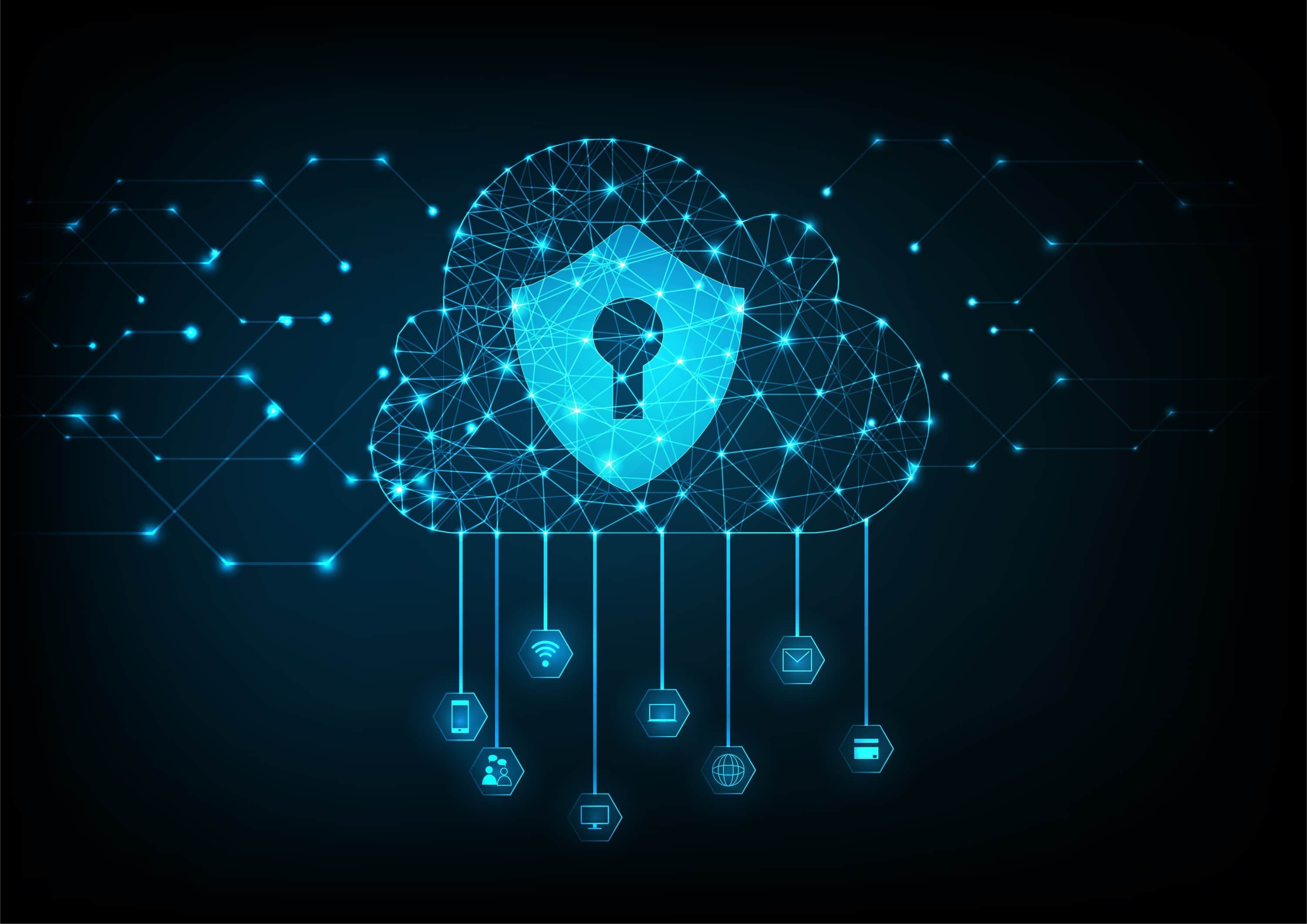
Key Highlights
- AI-Enhanced Cryptographic Methods: Utilizing AI to develop high-performance encryption, adaptive algorithms, and quantum-safe encryption for resilient data security.
- Adaptive and Automated Security: Real-time threat detection, automated key management, and policy enforcement ensure agile response to evolving cloud security risks.
- Future-Proof Framework: Integration of blockchain and quantum-resistant strategies to safeguard data sovereignty and compliance in the post-quantum era.
Introduction
The rapid evolution of cloud computing has transformed business operations across industries, making cloud infrastructures critical for enterprises globally. However, this digital transformation comes with escalating security complexities. Increasing reliance on cloud environments has led to mounting vulnerabilities, attractive attack surfaces, and sophisticated threat landscapes. In this context, a transformative fusion of Artificial Intelligence (AI) with advanced cryptographic strategies emerges as a game-changing solution for cloud security.
Integrating AI with Cryptography: The New Paradigm
AI-Optimized Encryption
One of the foundational components of this innovative approach is AI-optimized encryption. Traditional cryptographic systems, while robust, can sometimes be static in nature, making them less adaptive when confronted with rapidly evolving threats. By incorporating AI, encryption algorithms become dynamic and adaptive. AI analyzes vast amounts of data, identifying patterns and emerging threats in real-time. This continuous analysis allows AI systems to fine-tune encryption protocols, ensuring optimal strength without degrading system performance.
In particular, AI-enhanced encryption leverages machine learning models to predict potential vulnerabilities and automate key processes such as key rotation and generation. These AI-driven adaptations result in enhanced security protocols that automatically upgrade themselves in response to detected threats, significantly reducing the window of opportunity for cyber attackers.
Adaptive Algorithms and Real-Time Threat Detection
Adaptive algorithms are integral to the fusion of AI and cryptography. These algorithms are designed to adjust security measures dynamically based on real-time threat assessments. When anomalies or potential breaches are detected, the system’s response is immediate, adjusting parameters like encryption strength and access controls to mitigate risk.
Real-time threat detection powered by AI is one of the most promising advancements in cloud security. Traditional methods typically rely on static security protocols, but the current landscape demands agile and proactive measures. AI-driven systems use predictive analytics and behavioral pattern recognition to detect malicious activities nearly as soon as they occur, thereby preventing significant security breaches. This capacity is particularly vital in cloud environments where data is continuously in flux and subject to diverse threats.
Quantum-Safe Encryption
Quantum computing represents both an opportunity and a profound challenge: while it promises unprecedented computational capabilities, it also poses a significant risk to conventional encryption methods. As quantum computers evolve, they might eventually render many traditional cryptographic algorithms obsolete. The concept of quantum-safe encryption addresses this risk by developing algorithms that are resistant to quantum attacks.
AI contributes significantly to designing these quantum-resistant algorithms by modeling potential quantum threats and simulating various scenarios to ensure the resilience of encryption protocols. Organizations are urged to adopt NIST-approved quantum-resistant algorithms to protect sensitive data, preparing for a future where quantum attacks become a practical threat. This forward-thinking approach ensures that cloud security frameworks remain robust even in the face of quantum computing advancements.
AI-Driven Key Management
Key management is one of the pillars of cryptographic security. It involves generating, managing, distributing, and regularly rotating encryption keys to safeguard communications and stored data. AI-driven key management systems streamline this process by automating key generation and rotation based on real-time analysis of threat conditions. By minimizing manual intervention, these systems reduce the risk of human error, ensuring that keys remain secure and are promptly updated whenever vulnerabilities are detected.
The automation provided by AI not only enhances security but also ensures that the system scales with the increasing demands of cloud environments. This adaptive key management plays a crucial role in maintaining the integrity and confidentiality of sensitive data, laying a strong foundation for overall cloud security.
Blockchain Integration and Data Integrity
Blockchain technology, known for its immutable and transparent ledger system, complements the fusion of AI and cryptography. When integrated into cloud security frameworks, blockchain ensures that data modifications are accurately recorded and remain tamper-proof. This transparency is vital for maintaining data integrity and supporting audit trails.
The combination of blockchain with AI-enhanced cryptographic methods fortifies data sovereignty, ensuring that organizations maintain control over their data. Blockchain further enables compliance with global data privacy and governance regulations by providing a secure and auditable trail of transactions, making it significantly harder for malicious actors to alter data without detection.
Comprehensive Security Framework for Cloud Environments
Security Framework Architecture
The integration of AI and cryptographic techniques can be visualized as a multi-layered security framework for cloud computing, where each layer reinforces the overall security posture. Below is a comprehensive table summarizing the key components and their respective roles in enhancing cloud security:
| Component | Description | Key Benefits |
|---|---|---|
| AI-Optimized Encryption | Dynamic adjustment of encryption protocols using machine learning models. | Enhanced security, adaptability, real-time vulnerability mitigation. |
| Adaptive Algorithms | Automated response to changing threat landscapes through real-time analysis. | Active threat mitigation, optimized access control, system resilience. |
| Quantum-Safe Encryption | Encryption methods resistant to quantum computing attacks. | Future-proof protection, compliance with emerging security standards. |
| AI-Driven Key Management | Automation of encryption key generation, distribution, and rotation. | Minimized human error, reliable security maintenance, dynamic updates. |
| Blockchain Integration | Immutable ledger system for transparent data tracking. | Enhanced data integrity, auditability, data sovereignty. |
Policy Enforcement and Compliance
Cloud security is underpinned by not only technical capabilities but also robust security policies and compliance measures. The integration of AI and advanced cryptography empowers organizations to enforce security policies more efficiently. By automating compliance checks based on global data privacy regulations and implementing adaptive controls, organizations can ensure that their security frameworks remain aligned with operational standards and legal requirements.
This policy-driven approach minimizes risks associated with regulatory non-compliance while ensuring that security practices are uniformly applied across complex cloud infrastructures. Automated audits, facilitated by AI, continuously assess the system for vulnerabilities and ensure that the organization complies with the latest in data privacy and security regulations.
Ransomware Detection and Mitigation
Ransomware continues to be one of the most severe threats facing cloud environments. The advanced capabilities of AI allow for proactive and predictive detection of ransomware activities. By analyzing historical data and current behavioral patterns, AI systems can detect the early signs of ransomware attack vectors. This early warning system enables organizations to take swift action to contain the threat, reducing the potential impact on operational continuity.
Furthermore, integrating cryptographic strategies, such as AI-optimized encryption, ensures that even if an attack breaches the perimeter, the integrity and confidentiality of the data remain intact, providing an additional layer of defense.
Future Directions in AI-Driven Cloud Security
Anticipating the Quantum Era
The emerging quantum era presents both challenges and opportunities for cybersecurity. As quantum computing technology matures, it will necessitate a paradigm shift in how encryption is approached. AI plays a crucial role here, not only by designing quantum-resistant algorithms but also by simulating future threat scenarios where quantum computers may be leveraged to crack traditionally secure encryption methods.
Organizations must prioritize transitioning towards quantum-safe cryptographic methods. Broad collaboration among cybersecurity experts, cryptographers, and AI professionals is key to developing frameworks that are resilient to quantum attacks. With AI continuously iterating on encryption standards and key management processes, the goal is to build systems that stand the test of both current and future security challenges.
Blockchain for Data Sovereignty
As data governance becomes an increasingly critical issue, the use of blockchain technology within cloud security frameworks ensures that organizations maintain full control and transparency over data usage. By recording every transaction or modification to the data, blockchain provides a verifiable audit trail that is invaluable for compliance audits and trust-building with stakeholders. This integration further enhances the overall data governance strategy, particularly when combined with advanced cryptographic techniques enhanced by AI.
Ongoing Innovations and Challenges
Despite these advances, several challenges remain. The integration of AI with cryptography requires continuous research and development to stay ahead of increasingly sophisticated cyber threats. Current efforts are focused on refining machine learning models for threat detection, optimizing encryption algorithms, and ensuring that all components of the framework work seamlessly together. Maintaining high performance while scaling security solutions for diverse and global cloud environments is another ongoing challenge that the industry is actively addressing.
Continuous innovation is essential, and partnership between industry leaders and research institutions is playing a vital role in shaping the future of cloud security. The combined efforts of AI and cryptographic technologies are setting new standards that promise not only to protect data but also to streamline operational efficiency through automation, real-time analysis, and informed decision-making.
References
- Understanding AI-Driven Cryptography - IJFMR
- AI Cryptography: Enhancing Security - Medium
- Future Trends in AI Data Security - CyberProof
- Quantum Safe Encryption - IBM
- Cloud Security Trends with Quantum Computing - IEEE Computer Society
Recommended Queries
Last updated March 20, 2025