
AI-Driven Inventory Management Systems for Real-Time Stock Optimization
Enhancing Efficiency and Accuracy through Advanced Analytics
Key Takeaways
- Real-Time Data Integration: Seamlessly combines data from multiple sources to provide an up-to-the-minute overview of inventory levels.
- Predictive Analytics: Utilizes machine learning algorithms to forecast demand, reducing stockouts and overstock scenarios.
- Operational Efficiency: Streamlines warehouse operations and automates replenishment processes, leading to significant cost savings.
Introduction to AI-Driven Inventory Management
In today's fast-paced business environment, maintaining optimal inventory levels is crucial for operational success and customer satisfaction. AI-driven inventory management systems have emerged as transformative tools, leveraging artificial intelligence and machine learning to provide real-time stock optimization and comprehensive result analysis. These systems enhance various aspects of inventory management, including demand forecasting, warehouse optimization, and anomaly detection, ensuring businesses can respond swiftly to dynamic market demands.
Core Features of AI-Driven Inventory Management Systems
1. Real-Time Data Analysis
AI-driven systems continuously monitor inventory levels, sales trends, and supply chain conditions. By integrating data from multiple sources, such as sales platforms, supplier databases, and IoT devices, these systems provide up-to-the-minute visibility across various locations. This real-time data analysis enables proactive decision-making, allowing businesses to adjust inventory levels dynamically in response to changing demand patterns.
Benefits of Real-Time Data Integration
Real-time data integration offers several advantages:
- Immediate Visibility: Managers can instantly see stock levels, reducing the time taken to identify shortages or surpluses.
- Enhanced Responsiveness: Businesses can swiftly react to unexpected changes in demand or supply chain disruptions.
- Improved Accuracy: Minimizes errors associated with manual data entry and outdated information.
2. Demand Forecasting and Predictive Analytics
Accurate demand forecasting is vital for maintaining optimal inventory levels. AI systems employ machine learning algorithms to analyze historical sales data, customer behavior, seasonal trends, and external factors such as market conditions and economic indicators. This comprehensive analysis allows for precise predictions of future product demand, enabling businesses to align their inventory accordingly.
Components of Predictive Analytics
- Historical Data Analysis: Examines past sales trends to identify patterns and cyclic behaviors.
- Market Trend Integration: Incorporates current market dynamics and competitive landscape into forecasting models.
- External Factors Consideration: Accounts for events like holidays, promotional campaigns, and supply chain disruptions that can influence demand.
3. Warehouse Optimization
Efficient warehouse operations are essential for reducing fulfillment times and operational costs. AI-driven inventory management systems optimize warehouse layouts and item placements based on real-time data and predictive analytics. By analyzing order patterns and inventory turnover rates, these systems arrange products in locations that minimize picking and packing times, thereby enhancing overall operational efficiency.
Strategies for Warehouse Optimization
- Dynamic Layout Adjustment: Reconfigures warehouse layout based on current inventory and order trends to maximize space utilization.
- Optimal Item Placement: Groups frequently ordered items together to reduce travel time during order fulfillment.
- Automated Storage Solutions: Implements robotics and automated systems for efficient handling and retrieval of stock.
Result Analysis Images for AI-Driven Inventory Management Systems
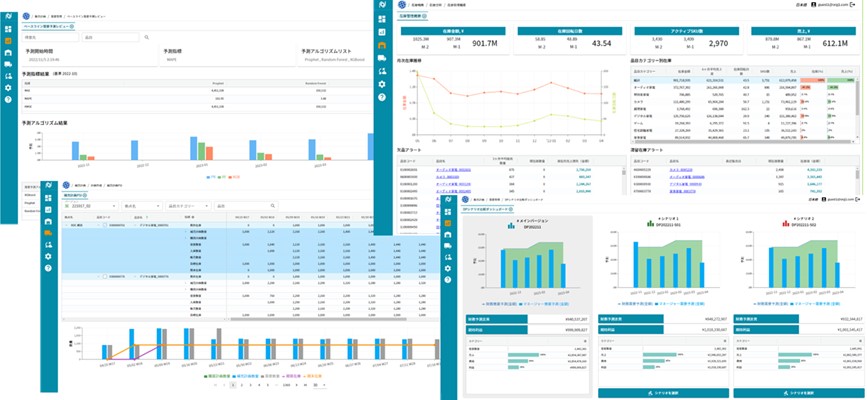
Visual representations play a crucial role in analyzing and communicating the results of AI-driven inventory management systems. These images help stakeholders understand complex data, monitor performance metrics, and make informed decisions. Below is an in-depth exploration of various image types that effectively illustrate the result analysis of real-time stock optimization.
1. Dashboard Overview
A dashboard provides a consolidated view of key performance indicators (KPIs) related to inventory management. It serves as the central hub for monitoring real-time data, enabling quick assessments of inventory health and operational efficiency.
Key Elements of a Dashboard Overview
- KPI Displays: Visual elements such as gauges, numerical counters, and bar charts showcasing metrics like stock levels, turnover rates, and reorder points.
- Real-Time Data Widgets: Dynamic displays that update automatically to reflect the latest inventory data.
- Alert Panels: Sections highlighting critical alerts, such as low stock warnings or unexpected demand surges.
- Interactive Filters: Tools allowing users to customize the view based on location, product category, or time periods.
2. Real-Time Inventory Flow Diagram
Flow diagrams depict the movement of products through the supply chain, from suppliers to end customers. By incorporating AI-driven insights, these diagrams highlight areas where inventory optimization is most effective.
Components of an Inventory Flow Diagram
- Supply Chain Stages: Visual representation of each stage, including supplier deliveries, distribution centers, retail outlets, and customer orders.
- Color-Coding: Use of colors to indicate stock status—green for healthy levels, blue for overstock, and red for potential stockouts.
- AI Intervention Points: Icons or symbols showing where AI predictions trigger actions like reordering or price adjustments.
- Real-Time Metrics: Annotations displaying current metrics and predicted trends influencing inventory decisions.
3. Predictive Analytics & Trend Analysis Chart
Charts combining historical sales data with forecasted demand provide a clear picture of inventory trends. These visualizations are essential for understanding how AI-driven predictions align with actual sales performance.
Features of Predictive Analytics Charts
- Historical Data Lines: Line charts displaying past sales performance over a specified period.
- Forecasted Demand Areas: Shaded or dotted areas representing predicted future demand based on AI algorithms.
- Restocking Markers: Indicators showing when AI systems have triggered restocking actions.
- Timeline Integration: Incorporation of significant events like seasonal trends or promotional periods that impact demand forecasts.
- Inset Charts: Smaller charts highlighting specific metrics such as stock turnover ratios or safety stock levels.
4. Operational Efficiency Before/After Comparison
Comparative visualizations illustrate the impact of implementing AI-driven inventory management systems. By juxtaposing operational metrics before and after AI integration, businesses can quantify the benefits achieved.
Elements of a Before/After Comparison Chart
- Side-by-Side Panels: Split-screen layouts contrasting manual inventory management processes with AI-enhanced approaches.
- Improvement Metrics: Bar or pie charts showing reductions in stockouts, enhancements in replenishment speed, and overall operational efficiency gains.
- Infographic Elements: Icons and percentage figures demonstrating cost savings, waste reduction, and increased customer satisfaction.
- Trend Indicators: Arrows or progression icons highlighting positive trends and long-term benefits achieved post-AI implementation.
5. Alert & Exception Management Interface
Managing anomalies and exceptions is critical for maintaining seamless inventory operations. Visual interfaces dedicated to alerts provide actionable insights and facilitate prompt responses to unexpected changes.
Components of an Alert Management Interface
-
Current Exceptions List: A detailed list of ongoing issues such as unexpected demand surges or supply delays.
-
Visual Indicators: High-contrast elements like exclamation marks or red dots to draw attention to critical alerts.
-
Configuration Panels: Options for setting rules or thresholds that determine when alerts are triggered.
-
Historical Logs: Timelines or logs documenting the frequency and resolution speed of past alerts, aiding in performance assessment.
Comprehensive Table of Result Analysis Images
| Image Type | Purpose | Visual Elements |
|---|---|---|
| Dashboard Overview | Provide a high-level view of inventory metrics and operational performance. | KPIs like stock levels, turnover rates, reorder points; real-time data widgets; alert panels; interactive filters. |
| Real-Time Inventory Flow Diagram | Illustrate the movement of products through the supply chain with AI insights. | Flowchart of supply chain stages; color-coded status indicators; AI intervention points; real-time metrics annotations. |
| Predictive Analytics & Trend Analysis Chart | Showcase the integration of historical data and AI forecasts in inventory decision-making. | Line charts for historical sales; shaded areas for forecasted demand; restocking markers; timeline with significant events; inset charts. |
| Operational Efficiency Before/After Comparison | Demonstrate the impact of AI implementation on inventory management efficiency. | Side-by-side panels; bar/pie charts for improvement metrics; infographics with cost savings and customer satisfaction; trend indicators. |
| Alert & Exception Management Interface | Highlight how AI systems manage anomalies and trigger proactive inventory actions. | Current exceptions list; visual alert indicators; configuration panels; historical logs. |
Enhanced Operational Efficiency and Business Impact
Implementing AI-driven inventory management systems contributes significantly to operational efficiency and overall business performance. By automating routine tasks, reducing manual errors, and providing precise demand forecasts, businesses can achieve cost savings and enhance customer satisfaction.
Cost Savings
Through optimized inventory levels and reduced stockouts, companies can minimize storage costs and prevent losses associated with overstocking. AI systems enable just-in-time replenishment, ensuring that inventory is maintained at optimal levels without excess.
Improved Customer Satisfaction
Accurate demand forecasting and timely stock replenishment ensure that products are available when customers need them. This reliability enhances customer trust and loyalty, leading to increased sales and repeat business.
Enhanced Decision-Making
Real-time data and comprehensive analytics provide managers with the insights needed to make informed decisions. Whether adjusting inventory levels, renegotiating supplier terms, or reallocating resources, AI-driven systems equip businesses with the information necessary to respond effectively to market dynamics.
Scalability and Adaptability
AI systems are inherently scalable, allowing businesses to grow without significant increases in inventory management complexity. Additionally, the adaptability of AI models means that inventory strategies can evolve in response to changing market conditions and business objectives.
Integration with Existing Technologies
Seamless integration with existing technologies is a hallmark of effective AI-driven inventory management systems. By connecting with IoT devices, supplier systems, and enterprise resource planning (ERP) software, these AI solutions create a cohesive and automated inventory ecosystem.
Internet of Things (IoT) Integration
IoT devices, such as sensors and RFID tags, provide real-time data on inventory levels, storage conditions, and product movement. By integrating this data, AI systems can monitor inventory more accurately and respond to changes instantaneously.
Supplier System Integration
Connecting with supplier systems allows for automated order placements and real-time tracking of delivery statuses. This integration ensures that businesses can maintain optimal stock levels without the delays and inaccuracies associated with manual order processing.
Enterprise Resource Planning (ERP) Integration
ERP integration facilitates the synchronization of inventory data with other business processes, such as finance, sales, and procurement. This holistic approach ensures that inventory decisions are aligned with overall business strategies and objectives.
Industry-Specific Applications
AI-driven inventory management systems are versatile and can be tailored to meet the specific needs of various industries. From retail and healthcare to manufacturing and construction, these systems offer customized solutions that address unique inventory challenges.
Retail
Retailers utilize AI technologies to manage seasonal demand, optimize stock levels across multiple locations, and personalize inventory based on customer preferences. AI-driven systems help retailers maintain a competitive edge by ensuring the right products are available at the right times.
Healthcare
In the healthcare sector, accurate inventory management is critical for ensuring the availability of essential medical supplies and pharmaceuticals. AI systems assist in maintaining optimal stock levels, preventing shortages of critical items, and managing expiration dates effectively.
Manufacturing
Manufacturers leverage AI to align production schedules with real-time inventory data, ensuring that raw materials and components are available when needed. This synchronization minimizes production delays and enhances overall manufacturing efficiency.
Construction
Construction projects require precise inventory management to handle materials and equipment across various project sites. AI-driven systems predict material demands based on project timelines and historical data, optimizing procurement and reducing waste.
Challenges and Opportunities
While AI-driven inventory management systems offer numerous benefits, businesses may encounter challenges during implementation. However, these challenges also present opportunities for innovation and improvement.
Data Quality and Integration
Ensuring high-quality data and seamless integration with existing systems can be complex. Businesses need to invest in data cleansing and robust integration strategies to fully capitalize on AI-driven insights.
Scalability and Flexibility
As businesses grow, their inventory management needs become more complex. AI systems must be scalable and flexible enough to adapt to increasing data volumes and evolving business requirements.
Change Management
Implementing AI-driven systems often requires changes in workflows and employee roles. Effective change management strategies are essential to ensure smooth transitions and maximize the benefits of new technologies.
Continuous Improvement
AI models require continuous training and updating to remain effective. Businesses must commit to ongoing maintenance and evaluation of their AI systems to ensure sustained performance and adaptability to market changes.
Conclusion
AI-driven inventory management systems are revolutionizing the way businesses handle their stock, offering unparalleled real-time optimization and result analysis. By leveraging advanced technologies such as machine learning and IoT integration, these systems enhance demand forecasting, warehouse operations, and overall operational efficiency. The ability to visualize complex data through specialized result analysis images further empowers businesses to make informed decisions, reduce costs, and improve customer satisfaction. As industries continue to evolve, the adoption of AI-driven inventory management systems will be a critical factor in maintaining competitiveness and achieving sustainable growth.
References
Last updated February 11, 2025