
Challenges in AI Ethics
Understanding the Multifaceted Ethical Dilemmas in Modern AI
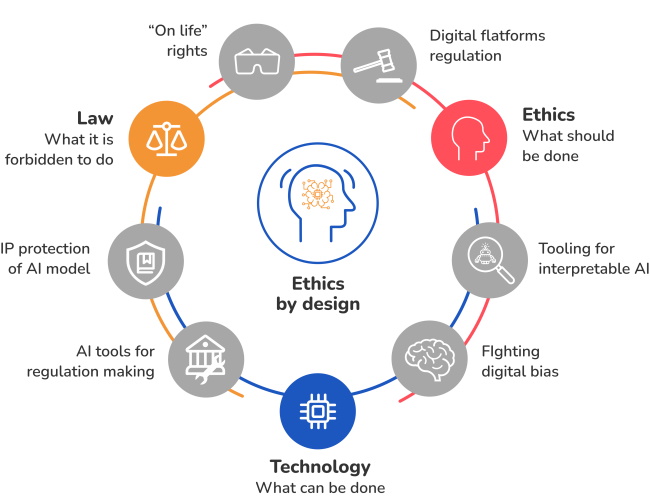
Key Takeaways
- Bias and Fairness: AI systems can perpetuate existing biases, leading to discriminatory outcomes.
- Transparency and Accountability: The "black box" nature of AI makes it difficult to understand and attribute responsibility.
- Privacy and Data Protection: AI's data processing capabilities pose significant threats to individual privacy.
Comprehensive Analysis of Challenges in AI Ethics
1. Bias and Fairness
One of the most pressing challenges in AI ethics is ensuring bias and fairness within AI systems. AI algorithms learn from vast datasets, which often contain historical biases and societal prejudices. If these biases are not adequately addressed, AI systems can inadvertently perpetuate and amplify them, leading to unfair and discriminatory outcomes in critical areas such as hiring, lending, law enforcement, and healthcare.
For instance, an AI system used for hiring might favor certain demographics over others if the training data reflects historical hiring biases. Similarly, in law enforcement, predictive policing tools may disproportionately target specific communities, exacerbating existing inequalities.
Addressing bias and ensuring fairness involves several strategies:
- Diverse and Representative Data: Ensuring that training datasets are diverse and representative of all demographic groups.
- Bias Detection and Mitigation Techniques: Implementing algorithms that can detect and mitigate biases in data and decision-making processes.
- Fairness Metrics and Standards: Establishing and adhering to fairness metrics that evaluate the impartiality of AI systems.
- Inclusive Development Practices: Involving diverse teams in the development process to identify and address potential biases from multiple perspectives.
2. Transparency and Accountability
Transparency and accountability are critical components in fostering trust in AI systems. The complexity of many AI models, particularly deep learning and neural networks, often results in "black box" systems where the decision-making process is opaque and difficult to interpret.
This lack of transparency poses several issues:
- Understanding Decisions: Users and stakeholders may struggle to understand how AI systems arrive at specific conclusions or recommendations.
- Attribution of Responsibility: Determining who is accountable when AI systems cause harm or make erroneous decisions becomes challenging in the absence of clear transparency.
- Regulatory Compliance: Without transparency, ensuring that AI systems comply with ethical guidelines and legal standards is difficult.
Solutions to enhance transparency and accountability include:
- Explainable AI (XAI): Developing AI models that provide clear and understandable explanations for their decisions.
- Auditability: Implementing mechanisms for auditing AI systems to ensure they operate as intended and adhere to ethical standards.
- Clear Governance Structures: Establishing clear lines of responsibility among developers, deployers, and users of AI systems.
- Documentation and Reporting: Maintaining comprehensive documentation of AI models, including their design, training data, and decision-making processes.
3. Privacy and Data Protection
AI's ability to process and analyze vast amounts of data raises significant concerns regarding privacy and data protection. The collection, storage, and utilization of personal data often blur the lines between security and individual privacy rights.
Key issues include:
- Data Collection Practices: The extensive data collection required for AI training can lead to unauthorized use and potential misuse of personal information.
- Data Security: Ensuring that sensitive data is protected against breaches and unauthorized access is paramount.
- Consent and Control: Individuals often have limited control over how their data is used, raising ethical concerns about consent and autonomy.
To safeguard privacy and enhance data protection, the following measures are essential:
- Privacy-by-Design: Integrating privacy considerations into the design and development processes of AI systems from the outset.
- Data Anonymization: Implementing techniques to anonymize personal data, reducing the risk of identifying individuals.
- Compliance with Privacy Laws: Adhering to regulations such as the General Data Protection Regulation (GDPR) and other regional privacy laws.
- Transparent Data Practices: Clearly communicating data collection, usage, and storage practices to users and stakeholders.
4. Job Displacement and Economic Impact
The automation capabilities of AI have profound implications for the workforce and the broader economy. While AI can drive efficiency and innovation, it also poses the threat of significant job displacement across various sectors.
Challenges include:
- Job Losses: Automation can lead to the elimination of roles that were previously performed by humans, particularly in industries like manufacturing, transportation, and customer service.
- Economic Inequality: The benefits of AI-driven productivity gains may not be evenly distributed, potentially exacerbating economic disparities.
- Workforce Transition: Employees displaced by AI may face difficulties in retraining and transitioning to new roles, leading to prolonged periods of unemployment.
Addressing these economic impacts requires a multifaceted approach:
- Education and Retraining Programs: Investing in education and skills training to prepare the workforce for roles that complement AI technologies.
- Inclusive Growth Policies: Implementing policies that ensure the benefits of AI are widely shared across society, reducing economic disparities.
- Social Safety Nets: Strengthening social safety nets to support individuals affected by job displacement.
- Promoting New Employment Opportunities: Encouraging the creation of new jobs in emerging sectors driven by AI and other advanced technologies.
5. Security and Misuse
AI technologies can be exploited for malicious purposes, raising significant security concerns. The potential misuse of AI includes the creation of deepfakes, cyberattacks, autonomous weapon systems, and the manipulation of public opinion.
Specific risks involve:
- Deepfakes: AI-generated fake videos and audio can spread misinformation and undermine trust in media.
- Autonomous Weapons: The development of AI-powered weapon systems that can make independent decisions about targeting and engagement poses ethical and security risks.
- Cyberattacks: AI can be used to automate and enhance the effectiveness of cyberattacks, making them more difficult to detect and counter.
- Misinformation Campaigns: AI-driven tools can manipulate social media and other platforms to spread false information and influence public opinion.
Mitigating these risks involves:
- Robust Security Measures: Implementing strong cybersecurity protocols to protect AI systems from adversarial attacks.
- Regulatory Frameworks: Establishing regulations that govern the development and deployment of AI technologies to prevent misuse.
- Ethical AI Development: Encouraging developers to adopt ethical guidelines that prioritize the safe and responsible use of AI.
- Detection and Prevention Tools: Developing AI systems that can detect and counteract malicious uses of AI, such as identifying deepfakes and misinformation.
6. Ethical Decision-Making in Specific Domains
AI systems are increasingly being deployed in specialized domains where they may be required to make ethical decisions. Examples include autonomous vehicles making life-and-death decisions in traffic scenarios, AI in healthcare determining patient treatment plans, and military AI systems managing weaponry.
Challenges in these contexts include:
- Autonomous Vehicles: Making split-second decisions that balance various ethical considerations, such as minimizing harm to different parties.
- Healthcare AI: Ensuring patient privacy, maintaining trust in medical professionals, and addressing potential biases in treatment recommendations.
- Military AI: Setting ethical guidelines for the use of AI in warfare, including the control and accountability of autonomous weapon systems.
Addressing these challenges requires:
- Interdisciplinary Collaboration: Bringing together technologists, ethicists, legal experts, and domain-specific stakeholders to establish ethical guidelines.
- Ethical Frameworks: Developing comprehensive ethical frameworks tailored to the specific requirements and implications of each domain.
- Continuous Monitoring and Evaluation: Regularly assessing AI systems in specialized domains to ensure they adhere to ethical standards and adapt to evolving societal norms.
- Stakeholder Engagement: Involving affected communities and stakeholders in the decision-making process to ensure that AI systems align with societal values and expectations.
7. Governance and Regulation
The rapid advancement of AI technologies often outpaces the development of regulatory frameworks, creating a gap in governance that can lead to ethical oversights and misuse. Effective governance and regulation are essential to ensure that AI technologies are developed and deployed responsibly.
Key aspects include:
- Comprehensive Regulatory Frameworks: Developing laws and guidelines that address the ethical, legal, and social implications of AI.
- International Cooperation: Fostering collaboration among nations to create unified standards and prevent regulatory fragmentation.
- Standardization: Establishing industry-wide standards for AI development, ensuring consistency and adherence to ethical principles.
- Oversight Bodies: Creating independent bodies to monitor and enforce compliance with AI regulations and ethical guidelines.
Effective governance strategies include:
- Policy Formulation: Engaging policymakers in the creation of informed and adaptive AI policies that can keep pace with technological changes.
- Ethical Audits: Conducting regular audits of AI systems to ensure compliance with ethical standards and identify areas for improvement.
- Public Engagement: Involving the public in discussions about AI governance to ensure that societal values and concerns are reflected in regulatory measures.
- Flexibility and Adaptability: Designing regulatory frameworks that can adapt to the evolving landscape of AI technologies and their applications.
8. Societal and Cultural Considerations
AI systems are deployed in diverse cultural and societal contexts, each with its own set of values, norms, and expectations. Ensuring that AI respects and incorporates these diverse perspectives is a significant ethical challenge.
Issues include:
- Cultural Sensitivity: Designing AI systems that are sensitive to and respectful of different cultural norms and practices.
- Global Ethical Standards: Balancing the need for universal ethical standards with respect for cultural diversity.
- Inclusive Design: Ensuring that AI systems are accessible and beneficial to all segments of society, including marginalized and underrepresented groups.
Strategies to address these considerations involve:
- Localizing AI Systems: Adapting AI technologies to align with local cultural and societal contexts.
- Diverse Development Teams: Involving individuals from diverse cultural backgrounds in the AI development process to incorporate a wide range of perspectives.
- Participatory Design: Engaging communities in the design and deployment of AI systems to ensure they meet the unique needs and values of different groups.
- Ethical Pluralism: Embracing a variety of ethical frameworks to accommodate the diverse moral landscapes in which AI operates.
9. Inclusiveness and Equity
AI systems have the potential to either bridge or widen existing social and economic divides. Ensuring inclusiveness and promoting equity is a fundamental ethical challenge in AI development and deployment.
Challenges include:
- Access to Technology: Disparities in access to AI technologies can exacerbate existing inequalities between different socioeconomic groups.
- Representation in Development: Lack of diversity in AI development teams can result in systems that do not consider the needs and perspectives of all user groups.
- Equitable Benefits: Ensuring that the benefits of AI advancements are distributed fairly across society.
To promote inclusiveness and equity, the following approaches are essential:
- Diverse Representation: Encouraging diversity within AI development teams to reflect a broad range of perspectives and experiences.
- Affordable Access: Implementing policies that make AI technologies accessible and affordable to underrepresented and marginalized communities.
- Inclusive Design Practices: Designing AI systems that cater to the diverse needs of all user groups, ensuring that no demographic is inadvertently excluded.
- Equity-Focused Policies: Developing policies that prioritize equity in the distribution of AI benefits and address systemic inequalities.
10. Creativity and Ownership
The rise of AI-generated content introduces complex questions about creativity, ownership, and intellectual property rights. As AI systems become capable of producing art, literature, music, and other creative works, determining ownership and credit becomes increasingly challenging.
Key issues involve:
- Intellectual Property Rights: Clarifying who owns the rights to AI-generated creations—the developer, the user, or the AI itself.
- Recognition of Creativity: Debating whether AI can be considered a creator and how to value its contributions in creative processes.
- Fair Compensation: Ensuring that human creators receive fair compensation and recognition when AI is used as a tool in the creative process.
Addressing these challenges requires:
-
Legal Frameworks: Establishing clear laws and regulations that define ownership and rights related to AI-generated content.
-
Ethical Guidelines: Developing ethical standards that recognize and respect the contributions of both human and AI creators.
-
Collaborative Approaches: Encouraging collaborative models where human creativity and AI capabilities complement each other, ensuring mutual recognition and benefit.
-
Ongoing Dialogue: Facilitating continuous discussions among stakeholders to navigate the evolving landscape of AI and creativity.
Comprehensive Overview of AI Ethical Challenges
| Challenge | Description | Potential Solutions |
|---|---|---|
| Bias and Fairness | AI systems may perpetuate or amplify existing biases, leading to discriminatory outcomes. | Use diverse datasets, implement fairness metrics, and involve diverse development teams. |
| Transparency and Accountability | The opaque nature of AI decision-making makes it difficult to understand and attribute responsibility. | Develop explainable AI models, establish clear governance structures, and conduct regular audits. |
| Privacy and Data Protection | Extensive data collection for AI poses risks to individual privacy and data security. | Implement privacy-by-design, anonymize data, and comply with privacy regulations. |
| Job Displacement and Economic Impact | Automation may lead to significant job losses and economic inequality. | Invest in education and retraining, promote inclusive growth policies, and strengthen social safety nets. |
| Security and Misuse | AI technologies can be exploited for malicious purposes, such as deepfakes and cyberattacks. | Enhance cybersecurity measures, establish regulatory frameworks, and develop detection tools. |
| Ethical Decision-Making in Specific Domains | AI systems in healthcare, military, and autonomous vehicles face unique ethical dilemmas. | Foster interdisciplinary collaboration, establish domain-specific ethical frameworks, and engage stakeholders. |
| Governance and Regulation | The fast-paced development of AI outstrips existing regulatory frameworks. | Create comprehensive and adaptable regulations, promote international cooperation, and establish oversight bodies. |
| Societal and Cultural Considerations | AI systems must respect and incorporate diverse cultural values and societal norms. | Adapt AI systems to local contexts, involve diverse teams, and embrace ethical pluralism. |
| Inclusiveness and Equity | Ensuring AI benefits all segments of society and does not exacerbate inequalities. | Promote diverse representation, ensure affordable access, and implement equity-focused policies. |
| Creativity and Ownership | AI-generated content raises questions about ownership and the nature of creativity. | Develop clear legal frameworks, establish ethical guidelines, and encourage collaborative models. |
Conclusion
The ethical challenges posed by artificial intelligence are vast and multifaceted, encompassing issues of bias, transparency, privacy, economic impact, security, and more. As AI technologies continue to evolve and integrate deeper into various aspects of society, it is imperative to address these challenges proactively to ensure that AI serves as a force for good.
Ensuring fairness and mitigating biases requires vigilant data management and inclusive development practices. Enhancing transparency and accountability is crucial for building trust and ensuring responsible AI deployment. Protecting privacy necessitates robust data protection measures and compliance with regulatory standards. Addressing job displacement involves strategic investments in education and social support systems to facilitate workforce transitions.
Moreover, safeguarding against the misuse of AI and ensuring ethical decision-making in specialized domains demand comprehensive governance frameworks and interdisciplinary collaboration. Promoting inclusiveness and equity ensures that AI benefits are universally accessible, while navigating the complexities of creativity and ownership in AI-generated content requires clear legal and ethical guidelines.
Ultimately, the responsible development and deployment of AI hinge on the collective efforts of technologists, ethicists, policymakers, and society at large. By addressing these ethical challenges head-on, we can harness the transformative potential of AI while safeguarding fundamental human values and promoting a more equitable and just society.
References
Last updated February 12, 2025