
Future Trends of AI in Creative Writing and Cookery
Exploring how AI reshapes narrative arts and the culinary world
Key Highlights
- Enhanced Collaboration and Efficiency - AI assists human creativity by streamlining brainstorming, drafting, and refining processes.
- Personalized and Data-Driven Experiences - From tailored recipes to customized storytelling, AI leverages data insights for unique outputs.
- Ethical and Authenticity Considerations - Challenges surrounding authenticity, ownership, and ethical use of AI are forefront in both fields.
Future Trends in AI-Powered Creative Writing
Overview
The infusion of Artificial Intelligence into creative writing is not only reimagining the way narratives are crafted but also redefining the roles of writers in the creative process. AI systems today are acting as both supportive co-creators and efficient productivity tools. Emerging trends indicate that AI will continue to elevate creative writing by automating mundane tasks, offering sophisticated language models, and functioning as a collaborative partner that amplifies the inherent creativity of human writers.
Collaborative Tools and Brainstorming
Modern AI platforms are engineered to interactively brainstorm ideas, generate story outlines, and refine vocabulary choices. Instead of replacing writers, these tools foster an environment of creative collaboration. Writers can input initial sparks – be it a storyline, a character sketch, or even a challenging narrative twist – and receive a multitude of suggestions that can help overcome writer's block or enrich the story. As these systems grow more contextual and intuitive, they can even suggest plot developments based on ongoing contexts and narrative themes, thereby deepening the richness of the creative work.
Enhanced Content Generation
AI-driven creative writing tools are witnessing improvements in content generation capabilities. With advancements in language models, these systems can generate long-form texts that maintain narrative coherence and stylistic consistency. The evolving technology is able to utilize prompt engineering and analyze trends across an immense corpus of texts, leading to innovative story structures. In many cases, early drafts produced by AI are then fine-tuned by human authors, which ultimately speeds up the creative process and allows writers to invest energy in refining themes and character development.
Ethical Considerations and Originality Concerns
As creative writing becomes more intertwined with AI assistance, considerable discussions around ethics have emerged. The central debate involves balancing the benefits of AI support while preserving the authenticity and unique voice of the writer. Questions concerning authorship rights, originality of AI-generated text, and potential biases embedded within language models are essential discussions taking place within both creative and academic circles. Organizations and writers alike are actively exploring frameworks and guidelines to ensure transparent use of AI tools without compromising the creative essence.
Skill Development and Adaptive Learning
Another promising facet is the use of AI for skill development. Educational platforms and creative workshops are leveraging AI to provide real-time feedback on writing styles, grammar, and narrative structure. This adaptive learning approach empowers aspiring writers and professionals alike to enhance their writing craft. By analyzing past works and suggesting improvements, AI systems serve as personal tutors, guiding writers towards mastering new techniques and stylistic nuances that might have been challenging to identify otherwise.
Personalized Storytelling
Future trends in creative writing also indicate a shift towards personalized narratives that cater to the preferences of individual readers. Advanced AI algorithms will facilitate the creation of stories with dynamic plots and character arcs that can adjust in real time based on feedback or reader interaction. This could lead to interactive books where readers' choices dynamically influence the narrative path. In such models, the role of the writer shifts from being the sole conductor of the narrative to being a curator of diverse story paths, each tailored to specific audience segments.
Future Trends in AI-Driven Cookery
Overview
The culinary world is embracing AI with open arms, integrating it into every facet of food preparation, recipe development, and customer interaction. AI innovation in cookery is not just about automation but is more focused on personalized meal planning, ingredient optimization, and enhancing overall dining pleasure. The technology is influencing both professional kitchens and home cooking, ushering in a new era where technological precision meets culinary creativity.
Automated Recipe Development
One of the most impactful trends is the application of AI in recipe development. AI systems can now analyze extensive culinary databases and trend data to create novel recipes. These tools leverage ingredient pairings, flavor profiles, and nutritional data to propose dishes that balance creativity with dietary considerations. Chefs and food developers can input available ingredients, dietary restrictions, or cuisine styles into AI algorithms, which then produce innovative recipe combinations, elevating the culinary art with scientific precision.
Personalized Nutrition and Dietary Guidance
With dietary needs varying significantly across populations, personalized nutrition is becoming more critical. AI technologies are adept at analyzing personal health data, allergy information, and nutritional requirements to provide customized meal plans. This personalization allows for dishes that cater to unique patient requirements, ensuring that each meal not only delights the palate but meets specific health goals. Whether through AI-powered apps or smart kitchen appliances, users can expect more tailored cookery experiences designed to improve overall well-being.
Automation in Kitchen Operations
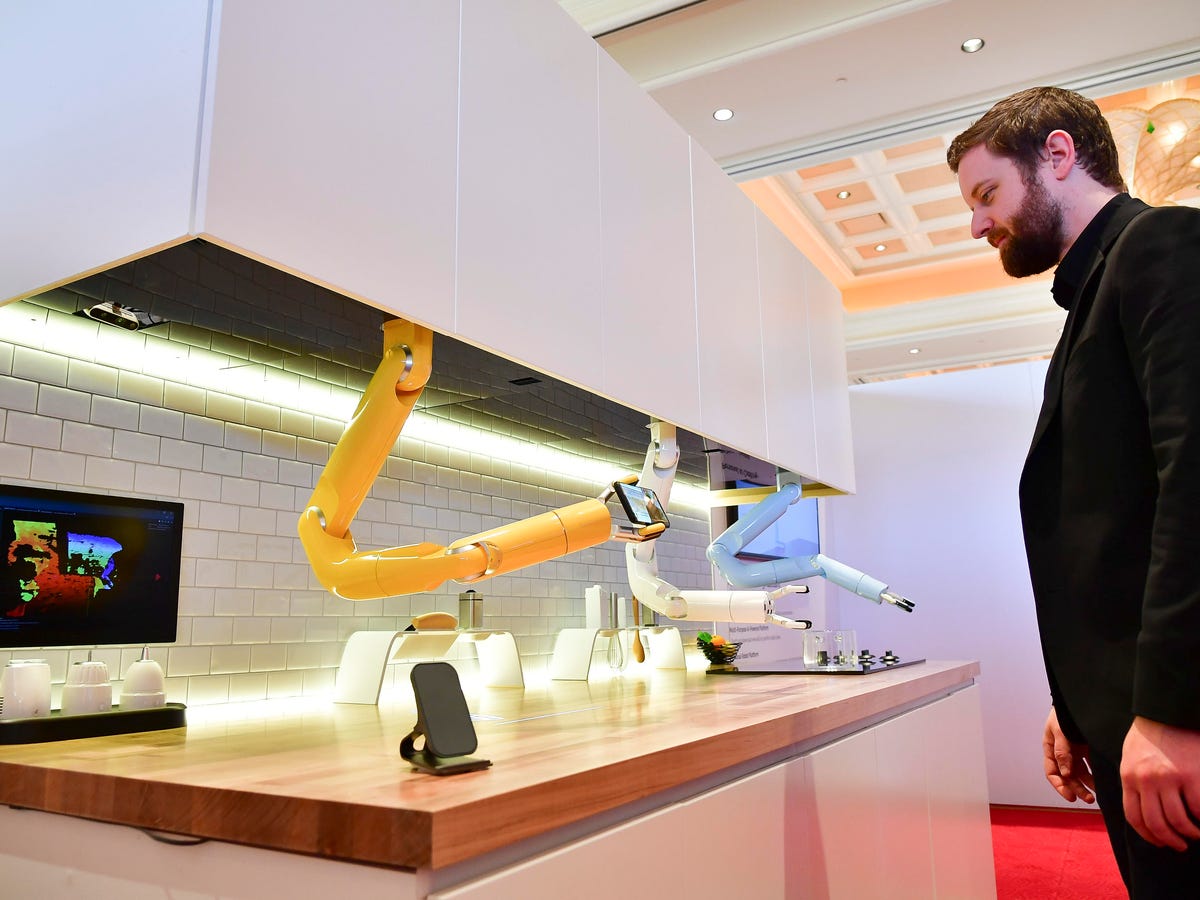
In professional kitchens, AI is revolutionizing workflow optimization and operational efficiency. Robotic cooking assistants and automated food preparation systems are gradually becoming part of the modern culinary scene. These tools help streamline processes by ensuring consistency across dishes, reducing preparation errors, and freeing chefs to focus on creative aspects of meal presentation and flavor exploration. Moreover, AI-driven inventory management and predictive ordering systems enable restaurants to minimize waste and efficiently manage resources.
Culinary Education and Interactive Cooking
AI is also making a significant mark in culinary education. Aspiring chefs and home cooks now have access to smart cooking assistants that not only provide step-by-step guidance but also offer real-time feedback based on technique and timing. Virtual cooking classes augmented by AI analytics create an interactive learning environment, allowing users to practice culinary skills in a controlled, supportive setting. This approach is instrumental in fostering innovation, as young chefs can experiment with AI-derived recipes and techniques, thereby expanding their creative repertoires.
Data-Driven Kitchen Insights
Integrating data analytics in the culinary domain has enabled chefs and restaurateurs to make informed decisions concerning their menus and kitchen operations. By aggregating data from customer feedback, social media trends, and ingredient supply chains, AI systems can recommend changes to menus, predict popular dishes, and even suggest seasonal specials. This data-driven insight enhances the overall dining experience by aligning the culinary offerings with consumer expectations and current food trends.
Comparative Analysis: Creative Writing vs. Cookery
AI’s Role in Enhancing Creativity and Personalization
While the fields of creative writing and cookery might appear distinct at first glance, the integration of AI reveals a convergence in how technology enhances creativity. Both fields benefit from the automation of routine tasks, which frees the human counterpart for higher-level decision-making and artistic expression. AI systems, designed to manage extensive datasets, allow writers and chefs to tap into a boundless reservoir of ideas and trends. This not only fosters innovation but also cultivates a deeply personalized experience—whether it's tailoring a narrative to suit individual taste or creating a recipe that aligns with unique dietary needs.
Ethical and Quality Considerations across Domains
In both creative writing and cookery, ethical considerations shape the evolution of AI. Issues such as content authenticity, potential biases, and the preservation of the creator's unique voice are central to creative writing. Comparable challenges exist in cookery, particularly in ensuring that AI-generated recipes do not compromise nutritional balance or cultural authenticity. In confronting these challenges, professionals in both fields are collaborating with technologists to establish best practices and ethical frameworks that maximize the benefits of AI while mitigating risks.
Emergence of Adaptive Learning Systems
Adaptive learning is a significant trend emerging in both domains. In creative writing, AI tutors provide nuanced feedback that helps writers improve over time. In parallel, culinary training platforms incorporate AI to guide students through complex techniques and ingredient management. This educational advancement not only improves individual performance but also contributes to the overall innovation within each field. The continuous feedback loop provided by AI systems ensures that both writers and culinary professionals are constantly refining their skills to meet modern challenges.
Integrative Data Analysis: A Comparative Table
| Aspect | Creative Writing | Cookery |
|---|---|---|
| Collaboration | AI collaborates in brainstorming, writing drafts, and integrating narrative ideas. | Smart systems and robotic assistants collaborate with chefs in recipe development and meal planning. |
| Personalization | Customized storylines and adaptive narratives tailored to reader feedback. | Tailored recipes and meal plans that consider dietary restrictions and nutritional needs. |
| Efficiency | Automation of grammar checks, content formatting, and early-stage content generation. | Streamlined kitchen workflows, automated inventory management, and predictive recipe adjustments. |
| Skill Development | Interactive writing tutors that offer real-time editing assistance and creative feedback. | Virtual cooking classes and smart assistants that offer guided instructions and technique improvements. |
| Ethics and Authenticity | Ongoing debates on authorship, rights over AI-created content, and maintaining unique writer voices. | Ensuring that AI-generated recipes respect culinary traditions and nutritional balance, avoiding cultural misappropriation. |
Future Technological Enhancements and Collaborations
Cross-Industry Collaborations
One noticeable forecast is the cross-industry application of AI technologies. For instance, innovations in natural language processing and deep learning, initially developed for creative writing applications, are being repurposed for enhancing recipe formulation in cookery. Similarly, image recognition technologies used in culinary photography are feeding back into creative storytelling by enhancing visual descriptions in writing. The cross-pollination of ideas and technology between these fields is anticipated to lead to unforeseen creative breakthroughs.
Integration with Augmented Reality (AR) and Virtual Reality (VR)
The convergence of AI with AR and VR technologies is poised to change how experiences are delivered in both creative writing and cookery. Imagine immersive storytelling where readers can step into a digitally recreated narrative environment, or interactive cooking classes where virtual assistants guide you through a simulated kitchen. These integrative technologies provide the audience with multisensory experiences that blend the digital with the physical world. In such environments, AI acts as an orchestrator, synthesizing inputs from various sensors and user interactions to deliver a highly engaging experience.
Enhanced Data Analytics and Predictive Capabilities
With improved data collection and processing power, AI systems are increasingly capable of predicting trends in both literature and culinary arts. For writers, advanced sentiment analysis and reader response modeling provide insights into narrative effectiveness, informing future content strategies. In cookery, real-time data analysis can forecast popular ingredients and flavor combinations based on current customer preferences and seasonal trends. This predictive capability not only enhances innovation but also aids in better resource management and cost efficiency, ushering in a more responsive and adaptive creative environment.
Research, Development, and the Future Landscape
Expanding the Boundaries of AI
Research and development in AI continue to flourish, driven by both academic and industry needs. Creative writing platforms are actively researching ways to maintain narrative consistency over long-form content, while culinary AI systems are experimenting with fusion cuisines, blending ingredients from disparate cultures to produce innovative dishes. Future innovations are expected to bridge gaps between scientific analysis and artistic expression even further, ensuring that AI remains a versatile tool for both sectors.
Investment in AI Start-Ups and Collaborative Projects
Investment trends signal a growing interest in start-ups that focus on AI-driven creative projects. Venture capital is flowing into companies that develop new tools for narrative generation and automated cooking assistants. Collaborative projects, often between technology companies and traditional industries, are paving the way for hybrid systems that leverage the best of both worlds. Such alliances are likely to produce highly specialized tools that can integrate advanced AI algorithms with user-friendly interfaces tailored to the unique demands of creative writing and gourmet cooking.
Toward a Future of Adaptive Creativity
By harnessing adaptive creativity, both creative writing and cookery are evolving beyond static methodologies. Adaptive systems learn continuously from user feedback and emerging trends, allowing them to adapt in real time. This ensures that the creative outputs, be they literary works or culinary delights, remain contemporary and in tune with cultural shifts. As these adaptive AI systems become more sophisticated, users are granted an unprecedented level of control over how their creative content is generated and refined.
References
- How AI Affects Creative Writing: The Future Of Writing - Swift Book Publishing
- The Future of Creative Writing: Will AI Help or Hurt - Lessonpal
- AI in Food Industry: Transforming Food with AI and Robotics - Appinventiv
- AI In The Culinary World: Revolutionizing Restaurant Ops - Forbes
- The Evolution Of Culinary Innovations With AI - Tastewise
Recommended
Last updated March 12, 2025