
Unveiling the Complexity: AI-Generated Nude Imagery Explored
Understanding the technology, artistic uses, and the critical ethical and legal considerations of AI-created nude depictions.
The ability of artificial intelligence to generate images, including depictions of naked women, has advanced significantly. This technology offers avenues for artistic expression and creative exploration but simultaneously opens a Pandora's box of ethical dilemmas, privacy violations, and legal challenges. Understanding this multifaceted domain is crucial for navigating its potential and its perils.
Highlights
- Technological Prowess & Ethical Peril: AI can produce highly realistic or stylized nude images from text prompts or by altering existing photos, but this capability is inextricably linked to profound ethical and legal challenges, especially concerning consent and misuse.
- The Specter of Non-Consensual Imagery: A primary concern is the creation and dissemination of AI-generated nude images of individuals without their explicit consent (often termed "deepfakes"), which can lead to severe psychological distress, reputational damage, and legal consequences.
- Artistic Freedom vs. Responsible Use: While many AI tools are marketed for artistic purposes, the potential for exploitation and harm necessitates a critical approach, demanding responsible user behavior, robust ethical guidelines from developers, and evolving legal frameworks to protect individuals.
Understanding AI-Generated Nude Imagery
The Technology Behind the Pixels
AI-generated nude images are created using sophisticated deep learning models, primarily Generative Adversarial Networks (GANs) and diffusion models. These AI systems are trained on vast datasets, which can include photographs, paintings, and other visual data scraped from the internet. Through this training, the AI learns patterns, textures, and anatomical features.
Users typically interact with these systems via text-to-image prompts, where they describe the desired scene, style, and subject. For example, a user might input "artistic nude portrait in the style of Rembrandt" or "photorealistic image of a woman on a beach." The AI then synthesizes a new image based on its learned data and the given prompt. Some tools also offer image-to-image capabilities, which can alter existing photographs, sometimes with the controversial ability to "undress" clothed individuals, raising significant ethical flags.
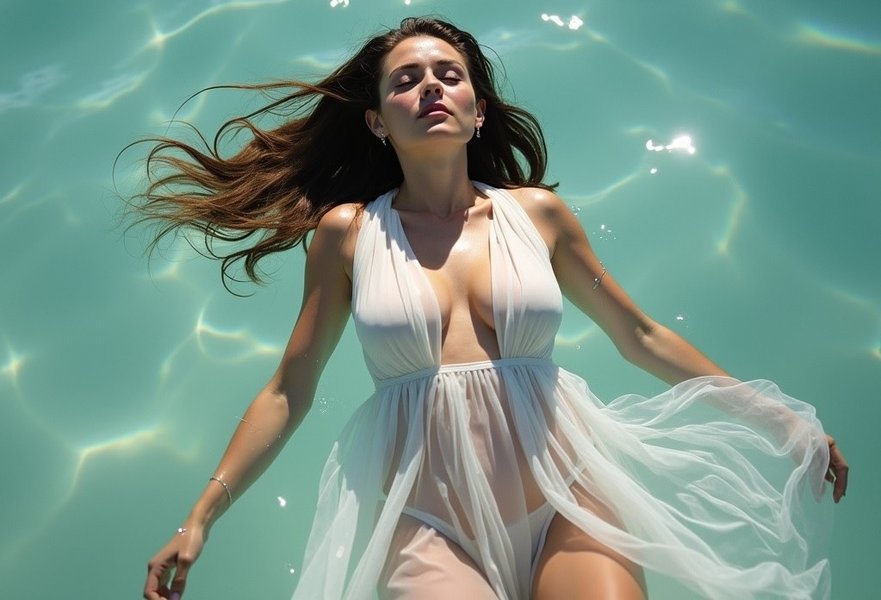
An example of AI-generated nude photography used for artistic exploration, emphasizing form and light.
The Dual Nature: Artistic Expression and Available Tools
The landscape of AI image generation includes a variety of tools and platforms, some focusing on general art creation and others more specifically on mature or nude art. While the potential for artistic exploration is vast, it's crucial to be aware of the ethical tightrope involved.
Platforms and Creative Capabilities
Several AI platforms and tools, such as those mentioned by BasedLabs.ai, Frosting AI, and others, allow users to generate nude imagery. These tools often provide features for customization, including selecting artistic styles (e.g., photorealistic, anime, classical painting), poses, and even using "negative prompts" to exclude undesired elements from the generated image. Many platforms position themselves as tools for artists, designers, or individuals seeking to explore creative concepts. For example, users can generate "tasteful nudes" for artistic projects or create fantasy characters. However, the ease with which such images can be generated also contributes to the risk of misuse.

AI-generated artistic nude portrait in a black and white photographic style, highlighting creative potential.
Navigating the Ethical Maze
The creation of AI-generated nudes, especially of women, is fraught with ethical challenges that demand careful consideration from users, developers, and society at large.
Consent: The Cornerstone of Digital Dignity
The Non-Consensual Creation Crisis
The most critical ethical issue is consent. Generating nude images of identifiable individuals without their explicit, informed consent is a severe violation of privacy and personal autonomy. This practice, often associated with "deepfake" technology, can be used for malicious purposes, including harassment, revenge pornography, and public shaming. The ease with which AI can create realistic fakes amplifies the potential for harm.
Privacy in the Age of AI
Training Data and User Anonymity
AI models are trained on massive datasets, which may contain copyrighted material or images of individuals used without their permission. This raises concerns about the privacy of those whose data contributes to the AI's learning process. Furthermore, even if an AI-generated image does not depict a specific real person, the act of generating certain types of content can have privacy implications for the user if their activities are tracked or logged without transparency.
Objectification, Exploitation, and Potential for Abuse
Reinforcing Harmful Stereotypes and Enabling Malice
The proliferation of AI-generated nude images, particularly those catering to stereotypical or hypersexualized depictions of women, can contribute to the objectification of women and reinforce harmful societal biases. Beyond objectification, these tools can be weaponized. Malicious actors can use them to create defamatory content, manipulate individuals, or engage in sophisticated forms of cyberbullying and psychological abuse.
Psychological and Societal Impact
The Human Cost of Digital Transgressions
Victims of non-consensual AI-generated nude imagery often suffer severe psychological consequences, including anxiety, depression, social stigmatization, and trauma. The widespread availability of such technology can also erode trust, blur the lines between reality and fabrication, and contribute to a culture where digital violations are normalized or dismissed.
The Shifting Legal Landscape
Legal frameworks are struggling to keep pace with the rapid advancements in AI image generation. However, there is a growing global movement to address the harms associated with this technology.
Evolving Legislation and Consent Laws
Closing Legal Loopholes
Many jurisdictions are enacting or strengthening laws to criminalize the creation and distribution of non-consensual deepfakes and other synthetic media. These laws often focus on the requirement of consent and aim to provide legal recourse for victims. However, the cross-border nature of the internet makes enforcement challenging.
Copyright and Intellectual Property Conundrums
Who Owns AI-Created Art?
The question of copyright ownership for AI-generated content is complex. Current legal interpretations, for example by the U.S. Copyright Office, suggest that works created solely by AI without significant human authorship may not be eligible for copyright protection. This has implications for artists using AI tools and for the platforms that host AI-generated content, especially if the AI was trained on copyrighted material without permission.
Addressing Harmful Content: CSAM and Deepfakes
Protecting Vulnerable Populations
There is a strong legal consensus against AI-generated Child Sexual Abuse Material (CSAM). Many countries have explicit laws criminalizing the creation, possession, and distribution of such content, regardless of whether the depicted child is real or synthetically generated. Similarly, laws targeting malicious deepfakes are becoming more common to combat misinformation and personal attacks.
Comparative Aspects of AI Nude Generation Approaches
Different AI technologies and platforms for generating nude imagery come with varying characteristics regarding realism, artistic control, ease of use, ethical risks, and accessibility. The radar chart below offers a visual comparison of these hypothetical approaches, highlighting their strengths and weaknesses. It's important to note that these are generalized assessments and individual tools may vary.
This chart visualizes how "Image-to-Image 'Nudifier' AI" and "Open-Source Configurable Models" might offer high photorealism but also carry the highest ethical misuse risk. Conversely, "Dedicated Nude Art Generators (Ethical Focus)" aim for a balance, potentially sacrificing some photorealism or power for better user-friendliness and lower ethical risk, alongside decent accessibility. "General AI Art Platforms" (if they were to permit such content more openly) would offer high artistic versatility but might have moderate risk and accessibility depending on their specific policies and pricing.
Visualizing Key Considerations
The creation and use of AI-generated nude imagery involve a complex interplay of technological capabilities, ethical responsibilities, legal frameworks, diverse applications, and broad societal impacts. The mindmap below illustrates these interconnected domains, providing a structured overview of the key facets to consider when engaging with or evaluating this technology.
(GANs, Diffusion)"] id1_2["Text-to-Image Synthesis"] id1_3["Image-to-Image Manipulation
(e.g., 'Nudification')"] id1_4["Training Data Acquisition"] id2["Ethical Concerns"] id2_1["Consent
(Non-Consensual Imagery, Deepfakes)"] id2_2["Privacy
(Training Data, User Data, Anonymity)"] id2_3["Objectification & Exploitation
(Reinforcing Stereotypes)"] id2_4["Potential for Abuse
(Harassment, Revenge Porn, Misinformation)"] id2_5["Psychological Harm to Victims"] id2_6["Bias in AI Models"] id3["Legal Framework"] id3_1["Evolving Legislation
(National & International)"] id3_2["Copyright & Intellectual Property
(Ownership of AI Art)"] id3_3["Criminalization of AI-CSAM"] id3_4["Regulation of Deepfakes & Malicious Use"] id3_5["Platform Liability & Responsibility"] id4["Applications & Tools"] id4_1["Artistic Creation & Personal Expression"] id4_2["Commercial Use (Design, Advertising - with caution)"] id4_3["Available Platforms & Software
(Specialized vs. General)"] id4_4["Customization Options & User Control"] id4_5["Terms of Service & Usage Policies"] id5["Societal Impact"] id5_1["Mental Health Consequences for Victims"] id5_2["Erosion of Trust & Authenticity"] id5_3["Influence on Beauty Standards & Representation"] id5_4["Need for Digital Literacy & Critical Evaluation"]
This mindmap highlights that any engagement with AI-generated nudes must consider the source technology, the profound ethical questions (especially consent), the current and developing legal responses, the nature of the tools and their intended use, and the wider effects on individuals and society.
AI-Generated Nude Photo Exploitation: A Growing Concern
The potential for misuse of AI image generation technology, particularly in creating non-consensual nude images, is a serious issue with real-world consequences. Law enforcement agencies and child safety advocates are increasingly concerned about the exploitation of this technology, especially against vulnerable individuals like teenagers. The following video discusses the alarming trend of AI being used to create fake nude photos of classmates, highlighting the urgent need for awareness and preventive measures.
This video underscores the dark side of AI image generation, where tools intended for creativity can be easily weaponized. It emphasizes the psychological trauma inflicted on victims and the challenges faced by parents, schools, and authorities in addressing this form of digital abuse. The ease of access to some AI tools, combined with a lack of awareness or malicious intent, creates a dangerous environment where individuals can be targeted and harmed. This reinforces the critical importance of ethical development, responsible use, and robust legal frameworks to mitigate such risks.
Key Dimensions of AI-Generated Nude Imagery
To better understand the multifaceted nature of AI-generated nude imagery, the following table breaks down key dimensions, from the underlying technology to legal and ethical considerations. This provides a structured overview of what defines this domain and the critical factors to keep in mind.
| Dimension | Description | Examples & Implications |
|---|---|---|
| Underlying Technology | The AI methods used to create these images. | Deep Learning (Generative Adversarial Networks - GANs, Diffusion Models), Text-to-Image synthesis, Image-to-Image translation. Implications: Rapidly evolving capabilities, potential for high realism or specific artistic styles, varying levels of technical expertise required. |
| Accessibility & Platforms | Where and how these images can be generated or found. | Online AI art generators (e.g., BasedLabs.ai, Frosting AI - often marketed for artistic purposes), downloadable open-source models (e.g., Stable Diffusion), specialized apps. Implications: Varying ease of use, free vs. paid options, crucial importance of reviewing Terms of Service and platform policies regarding ethical use. |
| Primary Ethical Concern: Consent | The fundamental issue of permission and autonomy. | Creation of nude images depicting identifiable individuals without their explicit, informed consent (a core component of "deepfake" abuse). Implications: Severe psychological harm, reputational damage, violation of personal privacy and dignity, potential for blackmail or harassment. |
| Broader Ethical Issues | Other moral considerations beyond direct consent for a specific image. | Privacy concerns related to training data (use of personal images without consent), objectification and perpetuation of harmful stereotypes (especially of women), potential for creating misleading or defamatory content, impact on mental health. Implications: Broader societal impact, need for responsible AI development practices, and critical media literacy among users. |
| Legal Landscape | Laws and regulations governing creation, distribution, and ownership. | Evolving laws specifically addressing non-consensual deepfakes and synthetic media, existing laws against harassment and defamation, strict prohibition of AI-generated Child Sexual Abuse Material (CSAM). Copyright for AI-generated art is often complex, typically requiring significant human authorship for protection. Implications: Legal risks for misuse (civil and criminal penalties), differing laws by jurisdiction, ongoing debate about intellectual property rights. |
| Intended vs. Actual Use | The purpose for which images are created versus how they might be employed. | Intended for artistic expression, personal exploration, design, or education. Actual use can include these but also non-consensual pornography, cyberbullying, misinformation campaigns, or other malicious activities. Implications: The dual-use nature of technology means good intentions in creation don't negate potential for harm if misused; strong ethical guidelines and safeguards are essential. |
Frequently Asked Questions (FAQ)
Recommended Further Exploration
- What are the specific laws in my region regarding AI-generated non-consensual imagery?
- How can AI developers ensure their image generation tools are used ethically?
- What support is available for victims of AI-generated image abuse?
- Explore the artistic potential of AI image generation beyond nude depictions.
References

Last updated May 10, 2025