
Impact of Artificial Intelligence on Grade 11 Academic Performance
A comprehensive analysis of AI's advantages, challenges, and educational influence
Key Highlights
- Personalized Learning: AI tools enable customized learning experiences that cater to individual student needs.
- Enhanced Engagement: Increased interaction, real-time feedback, and intelligent tutoring systems help boost academic commitment and performance.
- Risks and Challenges: Over-reliance on AI can diminish critical thinking, academic integrity may be at risk, and unequal access could widen the digital divide.
Introduction
The integration of Artificial Intelligence (AI) into educational settings has reshaped how students learn and how educators teach. With its increasing usage in Grade 11 classrooms, AI has been recognized as a transformative tool that brings various opportunities for personalized, engaging, and efficient learning experiences. However, the adoption of AI also introduces significant concerns that need to be managed carefully to ensure that educational outcomes are not compromised. In this comprehensive discussion, we will explore the multifaceted impacts of AI on the academic performance of Grade 11 students, identifying the positive influences, associated challenges, and practical strategies that educators and policymakers can adopt.
Positive Impacts of AI on Academic Performance
Personalized and Adaptive Learning
One of the key advantages of AI in education is the provision of personalized learning experiences. AI-driven systems can adapt to the individual needs and learning styles of each student. For example, intelligent tutoring systems and adaptive learning platforms analyze a student’s strengths, weaknesses, and pace of learning in real time. This data allows the system to tailor lessons, suggest additional resources, and provide immediate feedback, which is essential for reinforcing concepts and filling academic gaps.
Personalized learning also enables students to engage with challenging subjects at a comfortable pace. Instead of following a one-size-fits-all curriculum, students can navigate through content in a manner that best suits them, which is particularly beneficial for abstract subjects such as mathematics, science, or languages. The result is an overall improvement in comprehension and retention of material, ultimately leading to better academic performance.
Enhanced Engagement and Interactive Learning
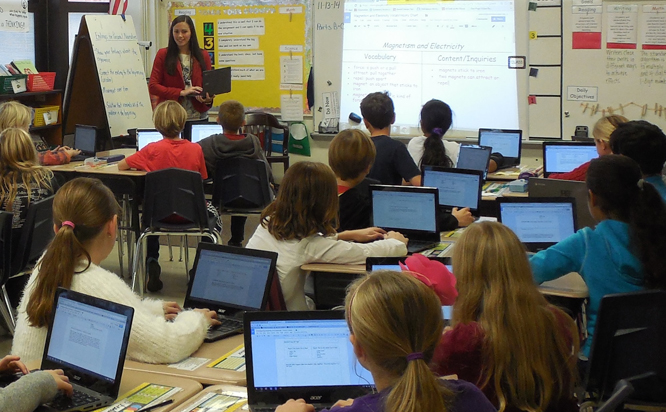
AI-driven educational tools have transformed traditional classrooms into interactive learning environments. Tools such as chatbots, virtual assistants, and simulation software create interactive experiences that increase student engagement. For instance, virtual labs and simulations allow students to experiment and visualize complex scientific phenomena, facilitating a deeper understanding of theoretical concepts.
In Grade 11, where students face rigorous coursework and multiple subjects, these interactive tools have proven to be particularly effective. Increased engagement has a direct correlation with academic performance: when students are actively involved in the learning process, they tend to absorb material more effectively, participate more in discussions, and show higher levels of motivation. Additionally, instant feedback provided by AI helps to correct misconceptions immediately, fostering an environment of continuous learning.
Efficient Time Management and Support in Problem Solving
AI aids in optimizing time management for students who face overlapping deadlines and complex assignments. Tools such as AI-powered scheduling applications and virtual study assistants help students balance their academic workload more efficiently. Furthermore, by offering quick solutions and hints, AI can guide students through problem-solving processes. The role of AI as a support tool is not to replace critical thinking but to serve as an assistant that complements traditional problem-solving techniques.
Moreover, these tools are instrumental in helping students prepare for examinations and standard assessments by emphasizing key areas that require more practice. With AI monitoring student performance through regular assessments, teachers are better equipped to intervene where necessary, thus maintaining a high standard of academic performance.
Automated Grading and Academic Advising
Automated grading systems powered by AI reduce the burden of manual scoring for teachers. This advantage allows educators more time to focus on devising innovative teaching methods and providing personalized support where necessary. In tandem with academic advising tools, AI monitors student progress, offering predictive analytics that can forecast academic outcomes. Such insights are invaluable in guiding students to adjust their study strategies and improve in areas where they may be lagging.
These systems also reduce human error and provide standardized evaluations, promoting fairness and consistency in grading. The ability to track academic progress in real-time can increase a student’s awareness about their performance, thus encouraging a proactive approach to learning.
Potential Challenges and Negative Impacts
Over-reliance on Technology
Despite its many benefits, one of the greatest concerns regarding the use of AI in education is the risk of over-reliance. When students depend too heavily on AI-driven tools, their capacity for independent thought and critical problem-solving may be diminished. This over-dependence can lead to a decline in the development of essential skills, particularly analytical reasoning and memory retention. A critical aspect of education is not just acquiring information, but also understanding how to apply that knowledge autonomously.
Reduced Human Interaction
Human interaction remains a cornerstone of educational development, particularly in the context of developing soft skills such as communication, collaboration, and emotional intelligence. Excessive use of AI-based learning tools can potentially lead to decreased face-to-face interaction among students and between students and teachers. This limitation may affect the social and emotional growth of students during the formative years of Grade 11, impacting their overall academic and personal development.
Ethical Concerns and Bias in AI Systems
AI systems are designed and trained by humans, which means they can inherently carry biases present in the training data. If not properly addressed, these biases can perpetuate inaccuracies and inequalities. In the context of academic performance, biased AI algorithms might unfairly advantage or disadvantage certain student groups, which can hinder the equitable distribution of educational opportunities.
Moreover, the risk of academic dishonesty increases if AI tools are misused. Easy access to AI-generated content may encourage plagiarism or the misuse of automated assistance in academic assignments, thereby undermining academic integrity.
Digital Divide and Unequal Access
While many schools rapidly adopt AI technologies, there remains a significant concern regarding unequal access. Not all educational institutions or students have the necessary resources to fully integrate AI into their learning experience. This digital divide can exacerbate existing disparities in academic performance. Students from under-resourced environments may lag further behind their peers who have more comprehensive access to advanced technology, creating an imbalance in educational outcomes.
Addressing such disparities requires targeted policy interventions to ensure equitable access to AI tools, thus safeguarding the academic performance of all students, regardless of their socioeconomic status.
Comparative Analysis: Pros and Cons of AI in Grade 11 Academia
Comprehensive Table of AI's Impact
| Aspect | Positive Impact | Potential Negative Impact |
|---|---|---|
| Personalized Learning | Tailors content to student needs; improves comprehension and retention; offers adaptive learning. | Risk of over-dependence reducing independent learning; may undermine deep understanding if used improperly. |
| Engagement and Interaction | Interactive simulations and real-time feedback increase engagement and motivation; fosters a dynamic learning environment. | Excessive screen time and reduced face-to-face interaction can hinder social and emotional development. |
| Time Management | AI tools assist in scheduling and prioritizing studies; optimize study routines. | Reliance on AI for time management could impair the development of personal organizational skills. |
| Grading and Feedback | Automated grading enhances feedback speed and consistency; frees teachers to focus on personalized support. | Potential inaccuracies if the AI systems are biased or not updated; may compromise nuanced evaluation in complex subjects. |
| Academic Advising | AI-powered advising tools monitor progress and suggest remedial action; fosters proactive academic planning. | Over-dependence on predictive analytics might reduce students’ ability to self-assess and adjust independently. |
Strategies for Integrating AI in Education Responsibly
Teacher Training and Professional Development
Effective integration of AI begins with equipping educators with the knowledge and skills to use these tools appropriately. Professional development programs should focus on training teachers to harness AI's potential while mitigating its risks. By understanding both the capabilities and limitations of AI, teachers can create blended learning models that combine traditional teaching with AI-driven methods.
Professional development initiatives ensure that teachers remain updated on the latest AI technologies and ethical guidelines, thus allowing them to use these tools as complementary aids rather than replacements for their instructional expertise.
Promoting Responsible Usage among Students
It is equally important to educate students about responsible AI usage. Besides leveraging AI for academic improvement, students must be instructed on how to critically evaluate AI-generated content. Emphasis should be placed on maintaining academic integrity while using AI as a support tool rather than a shortcut for assignments.
Schools can implement policies that detail acceptable usage practices for AI tools and provide workshops on digital literacy. This ensures that students recognize the importance of maintaining critical thinking and self-reliance, even in a technologically enriched learning environment.
Balancing AI Integration with Traditional Methods
A blended learning approach that incorporates both AI tools and traditional educational methods can provide a balanced academic experience. Such an approach allows students to benefit from AI-assisted personalized learning while also engaging in group discussions, hands-on activities, and face-to-face interactions that build social skills.
By integrating conventional pedagogical strategies alongside AI, educators can not only leverage advanced technology but also preserve essential human elements of teaching. This dual approach ensures that students develop a well-rounded skill set that encompasses both technical proficiency and critical interpersonal abilities.
Monitoring, Evaluation, and Policy Implementation
Continuous monitoring and evaluation are crucial components of responsible AI integration. Educational institutions should implement regular assessments to gauge the effectiveness and challenges of AI tools in enhancing academic performance. By employing data analytics derived from these assessments, schools can identify areas where the technology is beneficial and areas where it may be detrimental.
In parallel, policymakers must establish clear guidelines and standards for the use of AI in education. These policies should address issues such as data privacy, algorithmic fairness, and equitable access to resources, ensuring that AI benefits all students while minimizing potential risks.
Future Perspectives and Research Directions
Ongoing Studies and Innovations
Current research continues to explore both the positive outcomes and concerns associated with AI in education. Numerous studies focusing on Grade 11 academic performance indicate that when implemented thoughtfully, AI has the potential to significantly elevate learning outcomes. Ongoing innovations in AI technologies are expected to further refine personalized learning systems and enhance engagement techniques.
Future research is likely to delve deeper into mitigating the negative effects of over-reliance on technology while maximizing the educational benefits of AI. Areas such as ethical AI usage, algorithmic transparency, and methods to blend traditional and modern pedagogies are expected to be the focus of subsequent studies. This proactive research will pave the way for more refined educational tools that are both effective and equitable.
Collaborative Efforts and Global Best Practices
The successful integration of AI in academic settings hinges on collaborative efforts between educators, technologists, policymakers, and researchers. Establishing global best practices can create a foundation for standards that guide the ethical and effective application of AI in Grade 11 classrooms. Sharing successful case studies and techniques across borders can foster innovation and provide a blueprint for how AI can be integrated without compromising essential human elements of learning.
These collaborative efforts support a balanced approach to education, ensuring that while advanced computational tools augment learning, the role of human judgment, creativity, and ethical standards remains at the forefront.
References
- The Impact of Artificial Intelligence on Students’ Academic Development - MDPI
- What is the Impact of Artificial Intelligence on Students? - eSchool News
- Impact of AI on Academic Performance - Course Hero
- Effects of Over-reliance on AI Dialogue Systems on Students - Springer
- Exploring the Effects of Artificial Intelligence on Student Engagement - Frontiers
Recommended Searches for Deeper Insights
Last updated March 21, 2025