
Unlock Your Creative Vision: Your Guide to AI Image Generation
Explore the tools and techniques transforming text prompts into stunning visuals in 2025.
While I can't generate images directly within our conversation, I can provide you with a comprehensive guide to the fascinating world of AI image generation! As of today, Saturday, May 3, 2025, numerous powerful tools exist that allow you to transform your textual ideas into unique and compelling visuals. Let's explore how these tools work and which ones might be best suited for your creative needs.
Highlights: Key Insights into AI Image Generation
- Text-to-Image Magic: AI image generators use sophisticated deep learning models (like DALL-E, Midjourney, Stable Diffusion) to interpret your written descriptions (prompts) and create corresponding images.
- Diverse Tool Landscape: A wide array of platforms is available, ranging from highly artistic generators favoured by professionals to user-friendly, free options perfect for beginners and quick creations.
- Evolving Capabilities: These tools are constantly improving, offering greater photorealism, artistic flexibility, and even tackling challenges like accurately rendering text within images.
Understanding the Technology: How AI Creates Images
At its core, AI image generation relies on complex algorithms trained on vast datasets of images and their corresponding text descriptions. When you provide a "prompt" – a textual description of the image you envision – the AI analyzes it, identifies key elements, styles, and concepts, and then synthesizes pixels to construct an entirely new image that matches your request. Think of it as collaborating with a digital artist who interprets your words visually.
Key Models Powering Generation
Several underlying models drive today's top generators:
- Diffusion Models: Techniques like Stable Diffusion start with noise and gradually refine it step-by-step, guided by the prompt, until a coherent image emerges.
- Generative Adversarial Networks (GANs): Though less common now for top-tier text-to-image, GANs historically used two competing neural networks (a generator and a discriminator) to improve image quality.
- Transformer Models: Architectures similar to those used in large language models, like those behind DALL-E 3 and Imagen, excel at understanding the nuances and relationships within complex prompts.
Exploring the Landscape: Top AI Image Generators in 2025
The field of AI image generation is vibrant and diverse. Here's a look at some of the leading platforms available today, categorized by their typical strengths and user base:
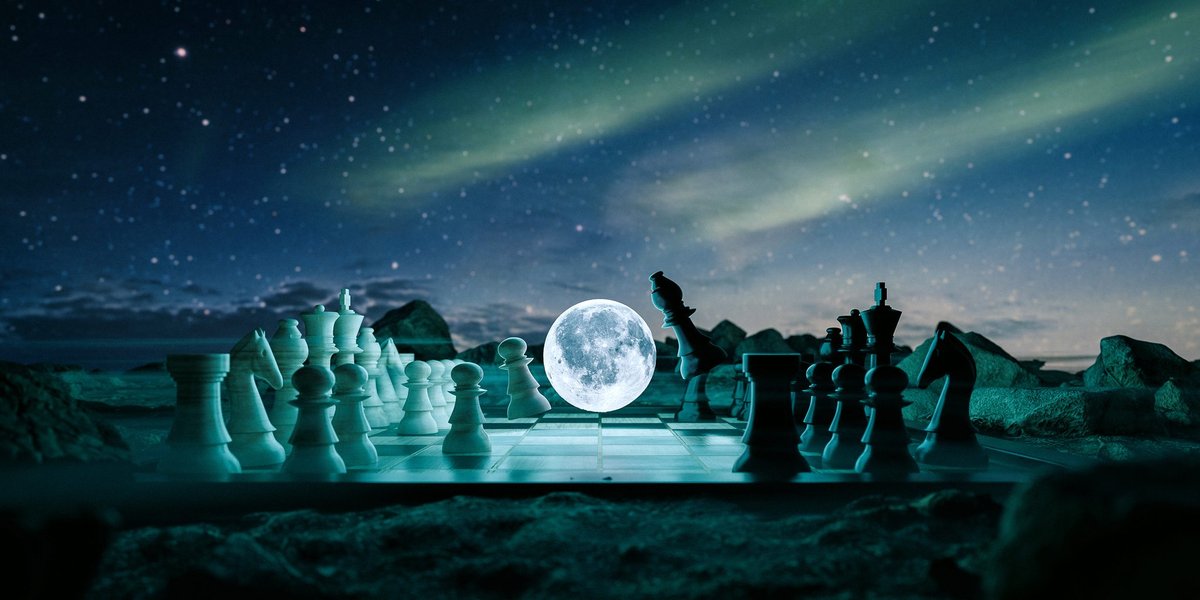
AI enables the creation of novel digital art beyond traditional methods.
Leading Platforms for Quality and Control
DALL-E 3 (OpenAI)
Known for its strong prompt adherence and detailed image generation. Integrated into ChatGPT for Plus and Enterprise users, allowing for conversational refinement of image ideas. It excels at interpreting complex scenarios and relationships described in prompts.
Midjourney
Highly regarded for producing aesthetically striking, often artistic images. It's favored by many artists and designers for its unique style, vibrant textures, and improved realism, especially in recent versions which have tackled notoriously difficult elements like hands.
Stable Diffusion (Stability AI)
An open-source powerhouse offering immense flexibility and customization. While powerful, it can have a steeper learning curve. Stability AI has also released more user-friendly interfaces like Stable Assistant and the high-performance Stable Image Ultra model.
Imagen (Google DeepMind)
Google's contender, known for exceptional image quality, photorealism, and strong language understanding. Imagen 3 is considered a leader in the field, often integrated into Google products like Canva's AI tools.
Adobe Firefly
Developed by Adobe, Firefly is designed with creative professionals in mind. It focuses on generating commercially safe images (trained on Adobe Stock and public domain content) and integrates seamlessly with Adobe's Creative Cloud suite.
Accessible and User-Friendly Options
Ideogram
Stands out for its superior ability to generate images containing accurate and coherent text (like signs, logos, or typography), a significant challenge for many other models. Its latest version (2.0/3.0) demonstrates remarkable progress in this area.
Canva AI Image Generator
Integrates text-to-image capabilities (using models like DALL-E and Imagen) directly into Canva's popular design platform. Excellent for creating social media graphics, presentations, and marketing materials quickly.
Microsoft Designer (Image Creator)
Leverages DALL-E technology within Microsoft's design ecosystem. Offers a free and straightforward way to generate images from text prompts, often integrated with tools like Microsoft Edge and Bing.
Fotor AI Image Generator
A popular free online tool that allows users to quickly convert text descriptions into images without needing an account for basic use. Offers various styles.
Craiyon (formerly DALL-E Mini)
One of the earliest widely accessible free tools. While perhaps less sophisticated than the latest models, it remains a fun and easy way to experiment with AI image generation without any cost or login.
Pixlr AI Image Generator
Part of Pixlr's suite of online photo editing tools. It combines text-to-image generation with other AI features like generative fill, making it a versatile option.
DeepImg / DeepAI
These platforms offer simple, often free interfaces for generating images from text prompts quickly, suitable for basic concept visualization.
Visual Comparison: AI Generator Strengths
Choosing the right tool depends on your specific needs. Are you aiming for photorealism, artistic flair, ease of use, or the ability to include text? This chart provides a subjective comparison of some popular generators across key dimensions. Scores are relative estimates based on general consensus and capabilities as of early 2025.
Note: This chart represents generalized capabilities. Performance can vary significantly based on the specific prompt, model version, and user skill. Free Access Tier reflects the availability and generosity of free usage, not necessarily unlimited free access.
Key Features and Considerations
When selecting an AI image generator, consider these factors:
| Feature/Consideration | Description | Example Tools Strong In This Area |
|---|---|---|
| Image Quality & Style | The realism, artistic rendering, coherence, and overall aesthetic appeal of the generated images. Some tools excel at photorealism, others at painterly or illustrative styles. | Midjourney (Artistic), DALL-E 3 (Detail), Imagen (Realism) |
| Prompt Understanding | How well the AI interprets complex prompts, including specific details, relationships between objects, and stylistic instructions. | DALL-E 3, Imagen |
| Ease of Use | The simplicity of the interface, the need for complex prompt engineering, and overall user-friendliness. | Canva, Fotor, Craiyon, Microsoft Designer |
| Text Generation | The ability to accurately render readable text within the generated image (e.g., on signs, labels, book covers). | Ideogram |
| Customization & Control | Options to fine-tune parameters like aspect ratio, negative prompts (what to exclude), style strength, seed values, or using image inputs. | Stable Diffusion, Midjourney |
| Integration | Whether the tool is standalone or integrated into a larger platform (like design software or chat interfaces). | Adobe Firefly (Creative Cloud), DALL-E 3 (ChatGPT), Canva AI |
| Access Model & Cost | Availability of free tiers, credit systems, subscription plans, or open-source options. Free tiers often have limitations (usage caps, lower resolution, watermarks). | Craiyon (Free), Fotor (Freemium), Stable Diffusion (Open Source), Midjourney (Subscription) |
| Commercial Use Rights | The licensing terms governing whether you can use generated images for commercial purposes. This varies significantly between platforms. | Adobe Firefly (Designed for commercial safety), Check terms for others. |
Mapping the AI Image Generation Ecosystem
This mindmap provides a visual overview of the core concepts, tools, and considerations involved in AI image generation:
(Diffusion, Transformers)"] id1c["Training Data
(Image-Text Pairs)"] id1d["The 'Prompt' is Key"] id2["Key Tools (Examples)"] id2a["Advanced/Pro"] id2a1["Midjourney"] id2a2["DALL-E 3"] id2a3["Stable Diffusion"] id2a4["Adobe Firefly"] id2a5["Imagen"] id2b["Accessible/Free"] id2b1["Craiyon"] id2b2["Fotor"] id2b3["Canva AI"] id2b4["Microsoft Designer"] id2b5["Pixlr AI"] id2c["Specialized"] id2c1["Ideogram (Text Focus)"] id3["Key Considerations"] id3a["Image Quality & Style"] id3b["Prompt Complexity"] id3c["Ease of Use"] id3d["Cost & Access (Free/Paid)"] id3e["Text Rendering Accuracy"] id3f["Commercial Use Rights"] id3g["Ethical Considerations"] id4["Use Cases"] id4a["Art & Design"] id4b["Marketing & Social Media"] id4c["Prototyping & Concept Art"] id4d["Education & Presentation"] id4e["Personal Entertainment"]
Video Insight: Exploring Free AI Image Generators
For a practical look at some of the free options available and how they compare, this video provides a helpful overview and tests several tools. Watching reviews like this can give you a better feel for the user experience and output quality before you dive in.
Comparing various free AI image generation tools available in 2025.
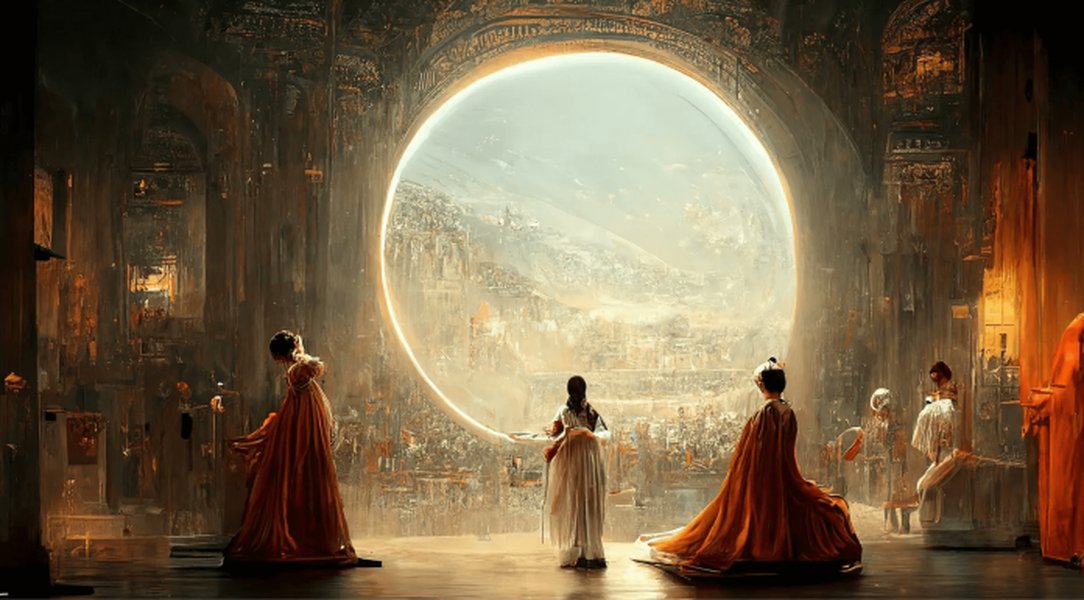
An example of award-winning art generated by AI (Midjourney), showcasing the potential of these tools.
Challenges and the Future
While incredibly powerful, AI image generators still face challenges. Accurately rendering complex details consistently, understanding very abstract concepts, and generating legible text within images remain areas of active development. However, the pace of progress is rapid, with models becoming more sophisticated, faster, and capable of producing increasingly stunning and nuanced results. We can expect continued improvements in realism, control, and integration into creative workflows.
Frequently Asked Questions (FAQ)
How exactly do these AI tools create images from text?
They use deep learning models, often based on architectures like Diffusion or Transformers. These models are trained on massive datasets containing images paired with text descriptions. When you enter a prompt, the AI analyzes the text, identifies the key concepts, objects, styles, and relationships, and then synthesizes an image pixel by pixel (or through a refinement process starting from noise) that visually represents that textual description based on its training.
Are there truly free AI image generators?
Yes, several platforms offer free access. Examples include Craiyon, Fotor (with limitations), Microsoft Designer, and free tiers on platforms like Canva or Adobe Firefly. However, free options often come with restrictions, such as daily/monthly usage limits, potentially lower resolution outputs, slower generation speeds, or watermarks on the images. Open-source models like Stable Diffusion can be run locally for free if you have the technical expertise and hardware, but online platforms using it might charge.
Can AI generate images that include specific text, like a sign or a logo?
This has traditionally been a major challenge for AI image generators, often resulting in garbled or nonsensical text. However, models are improving significantly. Ideogram is specifically known for its relatively strong performance in generating accurate text within images. DALL-E 3 and some newer models also show improved capabilities, but it can still be hit-or-miss depending on the complexity and the prompt. It often requires careful prompting or post-processing.
What kind of prompts work best?
Effective prompts are usually descriptive and specific. Include details about the subject, action, setting, style (e.g., 'photorealistic', 'oil painting', 'cartoon', 'cyberpunk'), lighting, mood, and composition. Mentioning specific artist styles (e.g., 'in the style of Van Gogh') can also guide the AI. Experimentation is key! Starting simple and adding more detail can help refine the output. Some platforms also benefit from "negative prompts" where you specify what *not* to include.
Recommended Further Exploration
- Discover techniques for crafting better prompts to improve your AI image results.
- Explore a detailed comparison between the leading advanced AI image generation platforms.
- Learn about the ethical implications surrounding AI art, copyright, and artist compensation.
- Understand the licensing and commercial use rights associated with images created by different AI tools.
References
Last updated May 3, 2025