
Effect of Artificial Intelligence on Academic Writings among Grade 11 Cookery Students
Exploring qualitative insights into AI's influence on student writing
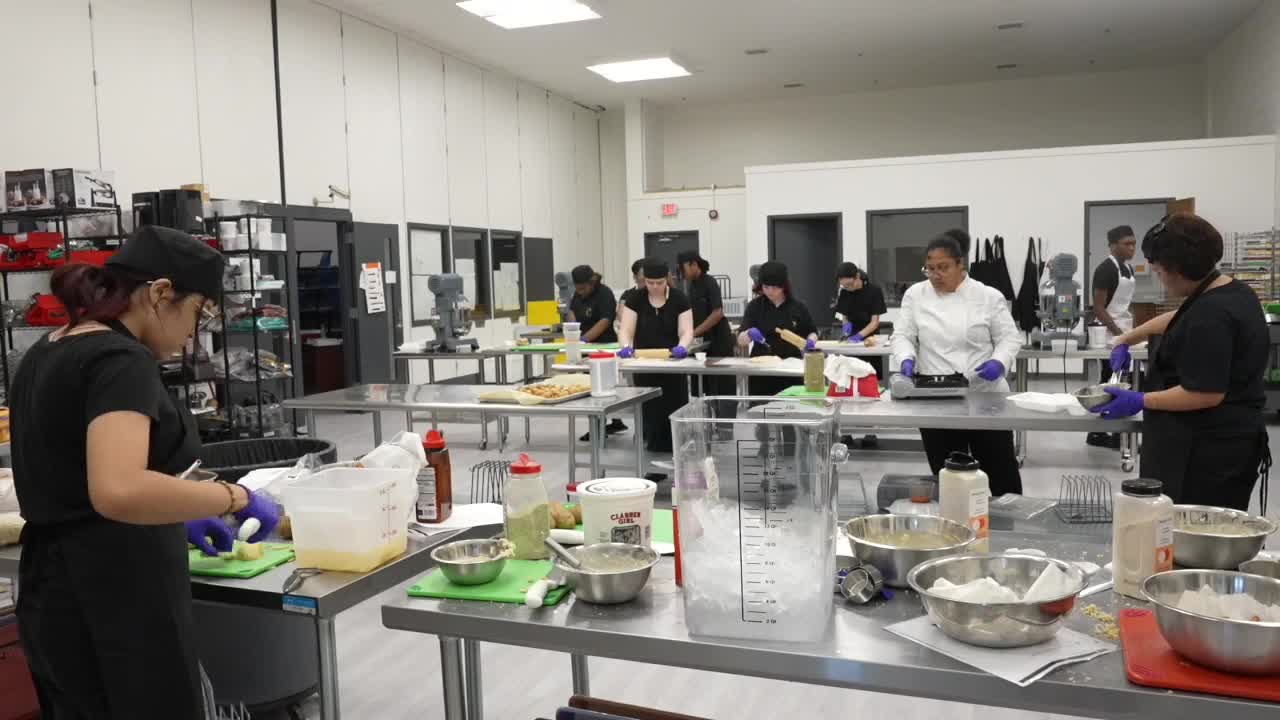
Highlights
- In-depth qualitative approach – Utilizing phenomenology and exploratory strategies to gather rich student perspectives.
- Comprehensive participant engagement – Strategically sampling Grade 11 cookery students with hands-on AI writing experiences.
- Structured data procedures – Rigorous collection and thematic analysis methods ensure accuracy and depth.
Chapter 3: Qualitative Research Design
In studying the effect of artificial intelligence on academic writings among Grade 11 cookery students, this chapter employs an extensive qualitative research design. Centered on understanding the lived experiences of the students, the study adopts a phenomenological framework, dovetailing exploratory and interpretivist methods to uncover deep insights into the influence of AI tools. The primary objective is to discern not only how AI assists in idea generation, conversion of thoughts into written outputs, and editing but also to understand the pedagogical challenges and ethical implications surrounding its use in an academic setting.
Research Design
Qualitative and Phenomenological Approach
The research employs a qualitative design that focuses on exploring the subjective experiences of Grade 11 cookery students as they interact with AI-assisted writing tools. The design is underpinned by a phenomenological approach that seeks to interpret and understand students’ lived experiences. Such an approach is preferred because it provides the nuanced context of individual perceptions, values, and the qualitative impact of AI technology on their academic writing.
In practice, this involves conducting semi-structured interviews, organizing focus group discussions, and collecting narrative accounts that offer an expansive view of how AI influences the process of crafting academic texts. The strategy not only captures the benefits—such as improved clarity, speed, and editing efficiency—but also the concerns regarding over-reliance on AI which might impede the development of essential writing skills.
Participants of the Study
Defining the Study Population
The research focuses on Grade 11 cookery students enrolled in vocational programs, a demographic that is uniquely positioned as they balance practical culinary skills with academic writing. The criteria for participation include:
- Enrollment as a Grade 11 student in a recognized cookery program.
- Active engagement and documented use of AI tools in academic writing assignments.
- Willingness to provide informed consent for participation and discussion of personal experiences.
Sampling Strategy
A purposive sampling method is implemented to select a representative group of approximately 15 to 30 students. This range is adequate to capture diverse experiences while maintaining manageability in qualitative data collection. The sampling process deliberately targets students with various degrees of reliance on AI, ensuring that the collected data represents both optimistic assessments of technological aid and critical views highlighting potential skill degradation.
Instrument of the Study
Semi-Structured Interview Guides
The core instrument for this study is a semi-structured interview guide, which comprises open-ended questions tailored to probe the students’ insights into the integration of AI in their academic writing. The structure is deliberately flexible to allow respondents to thoroughly explain their personal experiences, challenges, and benefits.
Sample questions include:
- How has AI influenced the way you generate ideas and structure your written assignments?
- Can you describe any challenges you have faced while integrating AI tools into your writing process?
- What benefits have you experienced in terms of editing and improving your written work?
- In what ways has your reliance on AI affected your overall understanding and mastery of academic writing?
Supplementary Surveys and Questionnaires
In addition to interviews, a brief survey questionnaire is distributed to gather demographic information and initial attitudes towards the use of AI. Data collated from the questionnaire helps contextualize the qualitative data and triangulates the findings, providing a comprehensive understanding of the research scenario.
Data Gathering Procedure
Recruitment and Ethical Considerations
The data gathering process begins with the recruitment of participants through their culinary arts departments. Detailed explanation sessions are held to ensure that all participants are informed of their rights and the confidential nature of the study. Informed consent is obtained in writing prior to any data collection, ensuring ethical compliance and building trust with the participants.
Protocols are in place to ensure the anonymity of students, with recorded interviews stored securely and accessible only to the research team. Emphasis is placed on creating a non-judgmental and open environment where participants feel comfortable sharing personal insights about their academic experiences with AI.
Execution of Interviews and Focus Groups
Data collection is performed predominantly through in-depth interviews conducted in quiet, private settings to avoid distractions. Each interview lasts approximately 30 to 60 minutes and is audio-recorded (subject to participant consent) to ensure accuracy. Additionally, focus group discussions are arranged to enable group reflection and consensus-building on common themes identified in individual narratives.
The gathered data is immediately transcribed and then anonymized. A secure data management system is used to store transcripts, field notes, and audio files to maintain the participants’ confidentiality.
Collecting Supplementary Data
The supplementary surveys are administered before the interview sessions to prime the students on their experiences with AI tools in writing. This initial survey also includes queries on the frequency and types of AI utilities used, providing a baseline for the analysis.
Data Analysis Procedure
Transcription and Initial Coding
Once data is collected, the first step in the analysis is the meticulous transcription of all recorded interviews. Transcripts are then scrutinized line by line to generate initial codes that encapsulate the essence of students' experiences and perceptions. These codes serve as the foundation for identifying broad themes and patterns.
Thematic Analysis
The next phase involves applying thematic analysis to systematically evaluate the qualitative data. The stages include:
- Familiarization: Researchers carefully review the transcripts multiple times to immerse themselves in the data.
- Code Generation: Key phrases and significant segments are coded, capturing the nuances of how AI impacts academic writing.
- Theme Identification: Codes are organized into coherent themes, such as enhanced creativity, challenges in dependency, and ethical implications of AI use.
- Theme Review: Themes are cross-verified against the entire dataset to ensure consistency and reliability of the findings.
- Theme Naming and Defining: Each theme is given a precise name and defined with supportive quotes from the participants.
- Reporting: The final analysis is synthesized into a comprehensive narrative supported by illustrations of recurring patterns and significant quotes.
Triangulation and Validity Checks
To bolster the study's reliability, data triangulation is employed by comparing the responses from interviews, focus groups, and survey questionnaires. This multi-source verification not only enhances the robustness of the analysis but also provides a richer understanding of the phenomenon. Moreover, a member checking procedure is implemented, wherein participants are given the opportunity to review a summary of the findings to verify accuracy and authenticity, ensuring that the interpretations align with their perspectives.
Data Collection Methods Table
| Data Collection Method | Description | Purpose |
|---|---|---|
| Semi-Structured Interviews | In-depth, open-ended interviews to capture detailed personal experiences with AI | Gather qualitative insights and nuanced narratives |
| Focus Group Discussions | Group settings to discuss and compare collective experiences | Identify common themes and validate individual findings |
| Survey Questionnaires | Short surveys addressing demographics and initial attitudes | Establish baseline data and contextualize qualitative data |
References
- RESEARCH-PR2docx - Course Hero
- Impact on Academic Performance - Scribd
- AI in Academic Performance - Studocu
- Phenomenological Study on AI - Academia.edu
-
AI and Academic Writing - ScienceDirect
Recommended Related Queries

Last updated March 11, 2025