
The Transformative Influence of AI on Senior High School Students
How AI is Reshaping Academic Performance, Engagement, and Personalized Learning
Key Highlights of AI's Impact
- Personalized Learning: AI tailors content to individual student needs and learning styles, enhancing engagement and motivation.
- Enhanced Instruction: AI streamlines administrative tasks, allowing teachers to focus on meaningful student engagement and customized homework.
- Skill Development: AI can help students acquire problem-solving and online collaboration skills, enhancing overall learning quality.
Artificial intelligence (AI) is rapidly transforming the landscape of education, particularly for senior high school students. By integrating AI-driven tools and platforms, educators can personalize learning experiences, streamline administrative tasks, and foster the development of essential skills. However, the integration of AI in education also presents challenges, including concerns about data privacy, algorithmic bias, and the potential for over-reliance on technology. This exploration delves into the multifaceted influence of AI on the academic performance of senior high school students, examining both its benefits and potential drawbacks.
AI Integration in Education
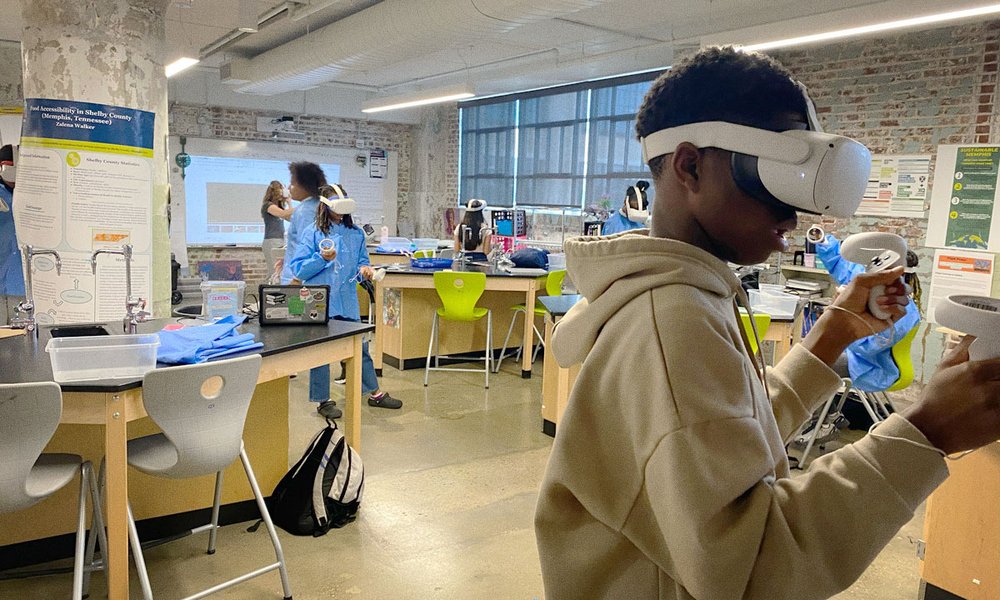
AI has quietly been integrated into classrooms for years, powering learning management tools such as Google Classroom, Canvas, and Turnitin. These platforms leverage AI to enhance various aspects of the educational experience, from content delivery to assessment. AI's capacity to process and analyze vast amounts of data enables educators to gain insights into student performance and learning trends, facilitating targeted interventions and personalized support.
AI empowers educators to accelerate learning and personalize educational experiences quickly and easily. AI algorithms and software simulate human learning processes, enabling machines to comprehend, solve problems, make decisions, and exhibit creativity and autonomy. This technology is used to create adaptive systems that can learn and adjust to individual student needs.
The Positive Impacts of AI on Academic Performance

Personalized Learning and Engagement
One of the most significant benefits of AI in education is its capacity to personalize learning. AI-driven analytics provide insights into student performance and learning trends, allowing educators to tailor content to individual student needs and learning styles. This personalization enhances student engagement and motivation, leading to improved learning outcomes. AI offers students immediate and detailed feedback on their work, highlighting strengths and weaknesses and enhancing understanding. AI allows students to access relevant information quickly, which is helpful for research and learning.
Interactive and Engaging Learning
AI can make learning more interactive and engaging through gamified content and adaptive learning platforms. For example, platforms like Classcraft use AI to gamify classroom management, tracking student behavior and rewarding positive actions, which helps maintain a productive and motivated classroom environment. Programs such as Kahoot! and Minecraft: Education Edition also use AI to create interactive quizzes and simulations that respond to student input, keeping learners motivated and involved.
Enhancing Teaching and Streamlining Administration
Integrating AI into education can streamline administrative tasks, freeing up teachers' time for more meaningful student engagement. By automating tasks like grading and lesson planning, teachers can focus on providing individualized attention and support to their students. AI can also assist teachers in creating customized homework assignments tailored to address specific learning gaps.
AI as a Valuable Teaching Tool
AI serves as a valuable tool that can enhance learning by providing differentiated instruction and efficient data analysis. AI can easily create customized homework for students to practice concepts they struggle with in class. In a Texas private school, the use of an AI tutor led to student test scores rising to the top 2% in the country, highlighting the potential of AI to create personalized academic learning experiences while allowing teachers to focus on hands-on instruction.
The University at Buffalo is launching a new academic department focusing on AI and society, reflecting the growing recognition of AI's impact on various aspects of life. The department will focus on research, teaching, and community outreach to examine AI and its societal impact, including its role in education.
Addressing the Challenges and Concerns
Potential Drawbacks and Ethical Considerations
Despite the numerous benefits, the integration of AI in education also presents several challenges. Concerns about privacy and security, potential bias in AI algorithms, reduced human interaction, high implementation costs, and academic misconduct are significant considerations. It is essential to address these concerns to ensure that AI is used ethically and effectively in education.

Over-Reliance and Loss of Social Skills
One concern is the potential for over-reliance on AI dialogue systems, which may hinder the development of critical thinking and problem-solving skills. Additionally, the use of AI could diminish human interaction in the learning process, potentially resulting in a loss of social skills and emotional intelligence. It is crucial to strike a balance between leveraging AI to enhance learning and maintaining the importance of human connection and interaction in education.
Academic Integrity and Misuse
Another significant concern is the potential for students to use AI to cheat on assignments, homework, or tests. While AI can be a valuable tool for learning, it is essential to ensure that students use it responsibly and ethically. Educators must teach students about academic integrity and the proper use of AI tools to prevent misuse. It is important to note that only 3% of students stated they never edit AI-generated content, implying that editing the output remains an integral part of their writing process which can still positively support their overall educational experience.
How Students Are Already Using AI
Many students are already incorporating AI into their studies. A survey showed that 86% of students use AI, with 54% using it weekly. The most common uses are getting information (53%) and brainstorming (51%). Black and Latinx young adults use AI more than their peers. This widespread adoption highlights the need for educators to understand how students are using AI and to guide them in its responsible and effective use.

AI Tools in the Classroom
Students are using AI tools for various purposes, including searching for information, checking grammar, and summarizing documents. Educators are also leveraging AI to customize complex texts and generate summaries tailored to students’ diverse comprehension skillsets. AI can also suggest how to present information in graphics, images, and visuals to move beyond text-based presentation of information. However, it is crucial to critically review all AI outputs for accuracy and verify the outputs against other sources.
Here is a table summarizing various AI tools and their applications in education:
| AI Tool | Application in Education | Benefits | Concerns |
|---|---|---|---|
| Personalized Learning Systems | Tailoring content to individual student needs and learning styles | Increased engagement, improved learning outcomes | Privacy concerns, algorithmic bias |
| AI-Powered Tutors | Providing immediate feedback and support to students | Enhanced understanding, personalized attention | Over-reliance, reduced human interaction |
| Automated Grading Systems | Streamlining administrative tasks for teachers | Time-saving, efficient data analysis | Potential for errors, lack of nuanced assessment |
| Classroom Management Tools | Gamifying classroom behavior and engagement | Improved behavior, productive environment | Dependence on technology, fairness concerns |
The Role of Educators in the Age of AI
Educators play a critical role in shaping how AI is integrated into the learning process. They must stay informed about AI’s impact on their fields, advocate for AI training, and engage in policy discussions to shape AI’s role in education. A transparent syllabus that provides guidance on the proper utilization of technology can create a learning environment that is inclusive and supportive of both the student and the instructor.
Teaching Students to Use AI Effectively
Instructors can introduce students to the importance of ethics and the dangers of plagiarism by engaging students and exploring AI tools together. This process can help reduce shallow learning and raise awareness about misinformation. It is essential to teach students how to use AI effectively, including understanding its strengths and limitations and critically evaluating its outputs. Educators also need to address ethical concerns and ensure students understand the importance of academic integrity when using AI tools.
Embedding AI in Education
AI is poised to become an integral part of the educational experience. As use cases emerge and mature, AI will become embedded across a diverse range of disciplines, fundamentally transforming how students engage with learning and how faculty deliver education. A future-ready institution recognizes that AI must become an integral part of the educational experience.
FAQ
How can AI personalize learning for students?
AI can analyze student performance data to identify learning gaps and tailor content to individual needs and learning styles, enhancing engagement and motivation.
What are the benefits of AI for teachers?
AI can streamline administrative tasks, automate grading, and assist in creating customized lesson plans, freeing up teachers' time for more meaningful student engagement.
What are the potential drawbacks of using AI in education?
Potential drawbacks include privacy and security concerns, algorithmic bias, reduced human interaction, high implementation costs, and the risk of academic misconduct.
How can students use AI responsibly?
Students should use AI as a tool to enhance their learning, not to replace critical thinking and independent problem-solving skills. They should also be aware of ethical considerations and avoid using AI for cheating or plagiarism.
What role should educators play in the age of AI?
Educators should stay informed about AI’s impact on their fields, advocate for AI training, and engage in policy discussions to shape AI’s role in education. They should also teach students how to use AI effectively and ethically.
References
Last updated April 17, 2025