
Comprehensive Guide to AI Orthopedic Devices: Criteria and Target Audiences
Unlocking Precision and Efficiency in Orthopedic Care through Artificial Intelligence
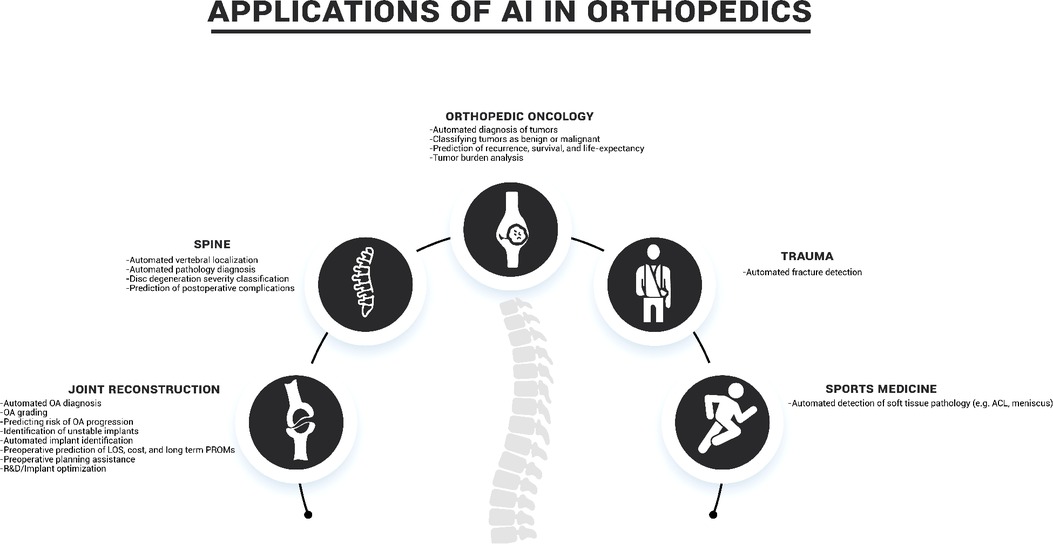
Key Takeaways
- Diverse AI Technologies: AI orthopedics encompasses diagnostic tools, surgical planning systems, rehabilitation devices, and smart implants.
- Targeted Audiences: Key stakeholders include orthopedic surgeons, hospitals, rehabilitation centers, and specialized clinics.
- Market Growth Drivers: Technological advancements, aging populations, and increased demand for minimally invasive surgeries are propelling the market.
Introduction
Artificial Intelligence (AI) is revolutionizing the field of orthopedics by enhancing diagnostic accuracy, streamlining surgical procedures, and personalizing rehabilitation protocols. As a database marketing provider, understanding the niche-specific criteria and direct target audiences for AI Orthopedic Devices is crucial for effective market penetration and client acquisition. This comprehensive guide synthesizes the latest advancements and strategic insights to equip your marketing efforts with precision and depth.
Overview of AI Orthopedic Devices
AI Orthopedic Devices integrate machine learning algorithms, data analytics, and sensor technologies to improve patient outcomes, optimize surgical interventions, and facilitate continuous monitoring during rehabilitation. These devices span various categories, each tailored to specific aspects of orthopedic care, from diagnostics to post-operative recovery.
Niche-Specific Criteria for AI Orthopedic Devices
1. AI-Powered Orthopedic Diagnostic Tools
These tools leverage AI algorithms to enhance the accuracy and speed of diagnosing orthopedic conditions. They are pivotal in detecting fractures, assessing joint degeneration, and identifying soft tissue injuries through advanced imaging analyses.
2. AI-Enhanced Orthopedic Surgical Planning and Navigation Systems
Utilizing AI for preoperative planning and intraoperative navigation, these systems improve surgical precision and outcomes. They assist surgeons in visualizing complex anatomical structures and executing minimally invasive procedures with greater accuracy.
3. AI-Driven Orthopedic Rehabilitation and Monitoring Devices
These devices personalize rehabilitation programs by monitoring patient progress in real-time. They provide feedback to both patients and healthcare providers, ensuring adherence to therapy protocols and optimizing recovery trajectories.
4. AI-Optimized Orthopedic Implants and Prosthetics
Implements and prosthetics designed with AI offer enhanced fit, functionality, and longevity. These personalized solutions are based on patient-specific data, ensuring better integration with the body's physiology and improving overall outcomes.
5. AI-Assisted Surgical Robots
Robotic systems powered by AI enhance precision in joint replacements, spinal surgeries, and fracture repairs. They integrate with real-time imaging data, facilitating seamless surgical workflows and providing training platforms for surgeons.
6. AI-Driven Predictive Analytics for Orthopedic Risk Management
Predictive algorithms analyze patient data to forecast post-surgical complications such as infections or implant failures. These tools enable personalized risk stratification and support regulatory compliance for data privacy.
7. Smart Orthopedic Implants with IoT Integration
Equipped with sensors, these implants monitor movement, load, and implant integrity in real-time. IoT connectivity facilitates remote patient monitoring, enhancing long-term care and reducing the need for frequent in-person assessments.
8. AI-Based Pain Management Platforms
These platforms create personalized pain treatment plans by analyzing patient-specific data. Integration with wearable devices provides real-time feedback, optimizing medication dosing and ensuring compliance with prescribing guidelines.
9. AI-Enhanced Orthopedic Imaging Analysis
Deep learning algorithms automate the diagnosis of fractures, osteoarthritis, and spinal degeneration by interpreting various imaging modalities with high accuracy. These tools are scalable for large patient datasets, supporting widespread clinical adoption.
Direct Target Audiences for AI Orthopedic Devices
1. Healthcare Providers
Orthopedic Surgeons
Leading practitioners in orthopedic surgery who utilize advanced technologies to perform precise and minimally invasive procedures.
Hospitals and Ambulatory Surgical Centers (ASCs)
Healthcare institutions equipped with orthopedic departments that implement AI technologies to enhance patient care and surgical outcomes.
Specialized Orthopedic Clinics
Clinics focusing on specific orthopedic conditions and treatments, benefiting from AI-powered diagnostic and therapeutic tools.
Research Institutes
Academic and clinical research organizations conducting studies on AI applications in orthopedics, driving innovation and evidence-based practices.
2. End-User Segments
Sports Medicine Professionals
Practitioners specializing in sports-related injuries who require precise diagnostics and personalized rehabilitation programs.
Rehabilitation Centers
Facilities offering post-surgical and injury recovery services, utilizing AI-driven monitoring and therapy optimization tools.
Trauma Care Centers
Centers providing acute care for traumatic orthopedic injuries, benefiting from AI-enhanced diagnostic and surgical planning systems.
Orthopedic Rehabilitation Specialists
Experts in rehabilitative care who use AI technologies to tailor recovery programs and track patient progress effectively.
3. Specific Market Targets
Joint Replacement Specialists
Surgeons and clinics focused on joint replacements, utilizing AI-optimized implants and surgical planning tools.
Spinal Surgery Centers
Facilities specializing in spinal surgeries that benefit from AI-assisted robotic systems and predictive analytics for risk management.
Trauma Fixation Departments
Departments within hospitals handling complex trauma cases, requiring precise AI-driven diagnostic and surgical tools.
Arthroscopy Units
Units performing minimally invasive arthroscopic procedures, leveraging AI-enhanced imaging and navigation systems for improved outcomes.
Comprehensive Criteria for AI Orthopedic Devices
| Device Type | Key Criteria | Primary Target Audience |
|---|---|---|
| AI-Powered Diagnostic Tools | Accuracy in imaging diagnostics, detection algorithms, integration with existing systems | Radiologists, Orthopedic Surgeons, Imaging Centers |
| AI-Enhanced Surgical Planning Systems | Preoperative simulation, intraoperative navigation, compatibility with surgical workflows | Orthopedic Surgeons, Surgical Centers, Hospitals |
| AI-Driven Rehabilitation Devices | Personalized therapy programs, real-time monitoring, feedback systems | Physical Therapists, Rehabilitation Centers, Patients |
| Smart Orthopedic Implants | IoT integration, real-time monitoring, biocompatible materials | Implant Manufacturers, Rehabilitation Centers, Sports Clinics |
| AI-Assisted Surgical Robots | Precision in surgery, integration with real-time data, training platforms | Orthopedic Surgeons, Hospitals, ASCs |
| Predictive Analytics Platforms | Risk stratification, multi-source data analysis, regulatory compliance | Orthopedic Clinics, Insurance Providers, CROs |
| AI-Based Pain Management | Personalized treatment plans, integration with wearables, dosage optimization | Pain Clinics, Physical Therapy Centers, Pharmaceutical Firms |
Market Insights
The global market for AI Orthopedic Devices is experiencing significant growth, driven by the increasing prevalence of orthopedic conditions, advancements in AI technologies, and the aging population requiring enhanced orthopedic care. The market is projected to reach substantial valuations by 2032, with a compound annual growth rate (CAGR) highlighting the rapid adoption of AI solutions in orthopedics.
Growth Drivers
- Rising demand for minimally invasive surgeries that benefit from AI precision.
- Expansion of healthcare infrastructure in emerging markets facilitating the adoption of advanced technologies.
- Regulatory encouragement and approval of AI solutions in orthopedic applications.
Key Challenges
- Standardization of diverse data formats to ensure interoperability across systems.
- Liability concerns associated with AI-driven clinical decision-making.
- High costs associated with the development and deployment of personalized AI implants.
Marketing Strategies for Database Marketing in AI Orthopedics
Effective database marketing strategies tailored to the AI Orthopedic Devices niche involve targeting specific company categories and decision-makers who influence purchasing and adoption of these advanced technologies.
1. Target Company Categories
- Manufacturers of smart implantable devices with integrated sensors.
- Startups offering AI-enhanced orthopedic imaging and diagnostic solutions.
- Developers of surgical robotics utilized in orthopedic procedures.
- Companies innovating in AI-driven rehabilitation and personalized therapy devices.
2. Key Decision Makers
- C-Level Executives: CEOs, CTOs, and CFOs responsible for strategic technology investments.
- Department Heads: Heads of R&D, Biomedical Engineering, and Orthopedic Surgery departments.
- Clinical Decision Makers: Leading Orthopedic Surgeons and Clinical Advisors involved in technology adoption.
- Technical Teams: Medical technology integration specialists and Clinical Informatics Managers.
3. Messaging Considerations
- Innovation and Competitive Edge: Highlight how database access can facilitate connections with key decision-makers, supporting product launches and clinical trials.
- Efficiency and ROI: Emphasize improvements in marketing efficiency, reduced lead times, and showcase case studies demonstrating success in similar niches.
Challenges and Opportunities
Challenges
- Ensuring data standardization across diverse AI Orthopedic Devices.
- Addressing liability and ethical concerns in AI-driven clinical applications.
- Managing the high costs of developing and implementing personalized AI implants and prosthetics.
Opportunities
-
Advancements in AI and machine learning models can lead to more precise and reliable orthopedic solutions.
-
Expansion into emerging markets with growing healthcare infrastructures and increasing demand for advanced orthopedic care.
-
Collaborations with research institutions and clinical centers to drive innovation and validate AI Orthopedic Devices through clinical trials.
Conclusion
AI Orthopedic Devices represent a transformative advancement in orthopedic care, offering enhanced diagnostic capabilities, surgical precision, and personalized rehabilitation. For database marketing professionals, understanding the niche-specific criteria and identifying direct target audiences is essential for effective outreach and client acquisition. By leveraging detailed insights into the various device categories and their respective stakeholders, your marketing strategies can be precisely tailored to meet the evolving needs of the orthopedic industry, driving technological adoption and improving patient outcomes.
References
Last updated February 6, 2025