
Understanding AI PDF Summarization Capabilities
How AI Tools Can Read and Summarize PDF Files Effectively
Highlights
- AI-Powered Analysis: Advanced algorithms extract and summarize key content from PDFs quickly.
- User-Friendly Process: Many tools support direct file upload, multi-format support, and interactive features.
- Versatile Application: Useful for research, professional reports, study materials, and more.
Introduction
AI-powered PDF summarization offers a transformative way to manage, process, and digest information from lengthy documents. These tools utilize machine learning models to analyze text, extract significant details, and create concise summaries. Whether you are a student, researcher, or professional, the ability of these systems to quickly process PDF content can prove invaluable. The concept behind PDF summarization revolves around making vast amounts of information more accessible and easier to understand by focusing on the essential elements contained within the document.
How AI PDF Summarizers Work
AI PDF summarizers follow a systematic process that involves several key stages. Each stage contributes to the accurate extraction of meaning and relevant points:
1. Document Upload and Recognition
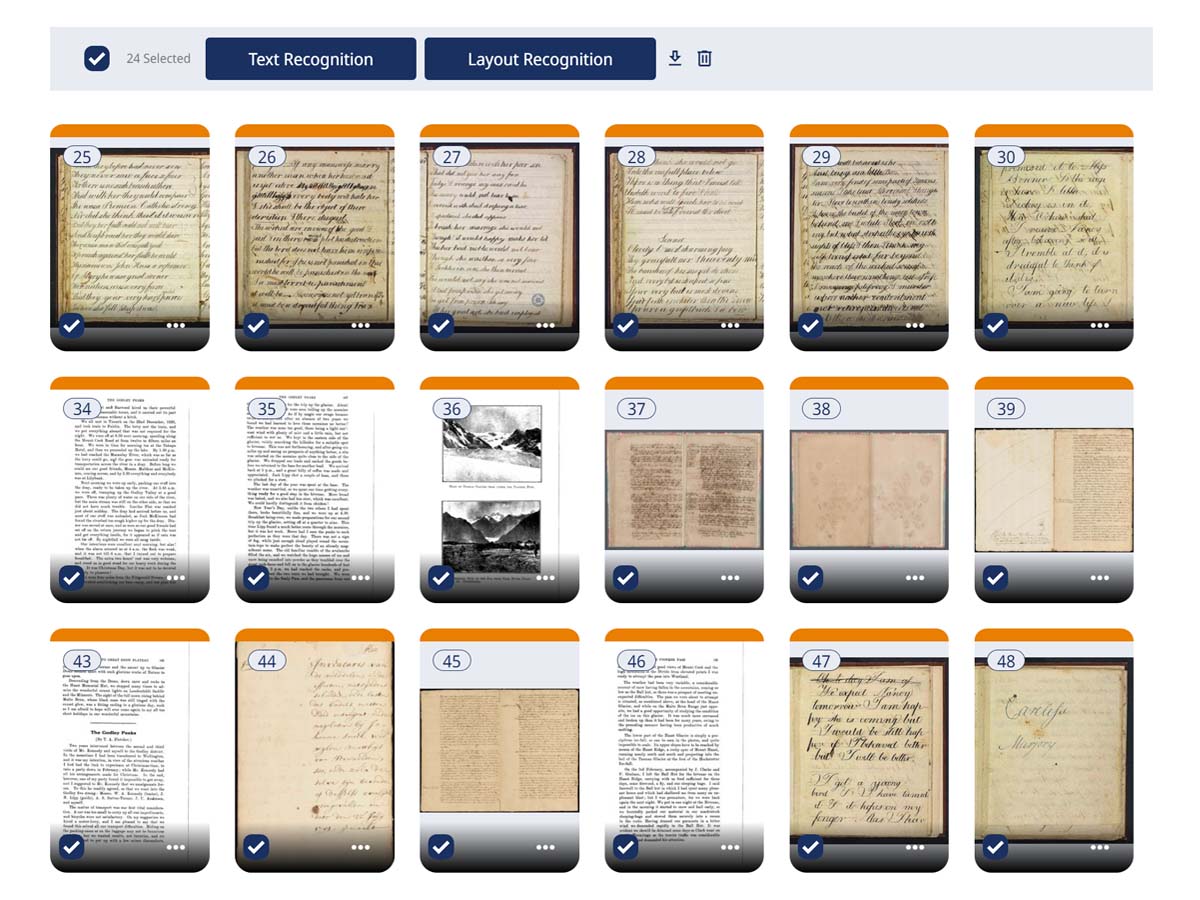
The first step involves the user uploading the PDF file. This process is often as simple as a drag-and-drop interface or entering the URL of the PDF. Once uploaded, the system pre-processes the document to recognize and extract text, images, tables, and other content. Advanced tools can also work with scanned documents by applying optical character recognition (OCR) to convert image-based text into machine-readable text.
2. AI Analysis and Processing
After the document is uploaded, the AI engine begins its analysis. This stage leverages algorithms trained on large datasets to evaluate the structure and core concepts within the text. The process includes:
Text Extraction
Extracting raw text from the PDF is essential. This involves reading through the document's content, identifying paragraphs, headers, captions, and any noteworthy metadata.
Content Understanding
Once the text is extracted, the AI model performs natural language processing to understand the context and meaning. This is where concepts like sentiment analysis, keyword extraction, and entity recognition come into play.
Key Information Identification
The summarizer then identifies the most critical insights, facts, and data points that are pivotal for an accurate summary. This may include statistics, findings, conclusions, and recommendations contained in the original file.
3. Summary Generation
The core feature of these tools is their ability to generate concise summaries. The AI compiles the critical elements of the text, often linking directly to the corresponding sections in the document for reference. The summary aims to provide a quick overview, highlighting the main ideas while omitting superfluous detail.
4. Additional Functionalities
Many AI PDF summarizers provide value-added features to enhance usability. These functionalities often include:
- Interactive Summaries: Allowing users to ask follow-up questions or request clarifications on specific points.
- Multi-Format Support: Handling not just PDFs but also DOCX, PPTX, and even images with textual information.
- Translation and Rephrasing: Offering the ability to translate content to different languages and rephrase text for easier comprehension.
- Mind Mapping and Study Tools: Converting summarized content into study aids like flashcards, quizzes, or mind maps to support learning and retention.
Practical Use Cases of AI PDF Summarization
Summarization tools cater to a diverse set of uses. Here are some key applications:
Academic Research
Researchers often encounter extensive studies, whitepapers, and academic journals. AI summarizers help streamline literature reviews by quickly processing large volumes of material, thereby allowing scholars to focus on synthesizing and critically evaluating research findings.
Professional and Business Reports
In a business context, decision makers need to stay abreast of multiple reports, market analyses, and technical documents. Summarization tools can extract key insights, enabling faster decision-making and more efficient information processing.
Educational Materials
Students utilize summarization tools to distill complex textbooks, lecture notes, and extensive assignments into manageable chunks of information. This not only aids in studying but also in creating revision materials such as flashcards and mind maps.
Legal and Compliance Documents
Legal professionals often work through lengthy contracts, case files, and regulatory documents. These tools help in pinpointing essential clauses and legal stipulations, thus saving valuable time during legal review and research processes.
Frequently Used PDF Summarization Tools
A number of platforms currently offer effective AI PDF summarization services. While some tools work directly through web browsers without needing software installation, others are integrated within broader document management ecosystems. Below is a table summarizing some of the popular tools and their core features:
| Tool Name | Key Features | Notable Benefits |
|---|---|---|
| ChatPDF |
|
Easy interface, quick summary generation. |
| Smallpdf |
|
User-friendly and accessible across numerous devices. |
| NoteGPT |
|
Enhanced learning tools for students and professionals. |
| Hypotenuse AI |
|
Ideal for research and professional applications. |
Understanding Limitations and Considerations
Despite the powerful capabilities of AI summarization, there are some important factors and limitations users should keep in mind:
File Size and Complexity
While many tools can handle extensive documents (up to 1500 pages or 300,000 words), the performance might vary based on file complexity and content type. Dense technical or legal language might require more nuanced summarization that could be beyond the current scope of some algorithms.
Accuracy and Context Retention
AI summarizers aim to capture the core ideas but may occasionally overlook context or misinterpret nuanced text. Users are advised to review the generated summaries, especially for documents where precision is critical. Supplementary features like follow-up questions and interactive revisions can help mitigate these issues.
Security and Privacy
When using online summarization tools, it is vital to consider the security of your documents. Many providers implement HTTPS encryption and follow strict privacy protocols to protect your data. Nevertheless, sensitive documents should be handled with caution, and users should verify that the service complies with relevant data protection regulations.
Direct PDF Reading Limitations
While these AI tools are highly efficient, note that some platforms require you to extract or upload text explicitly. For example, certain versions of conversational AI, including ChatGPT in its interactive form, require the text to be provided directly by the user. The system cannot always directly open or parse a PDF file unless integrated with specialized software capable of doing so.
A Step-by-Step Guide to Using an AI PDF Summarizer
If you are interested in using an AI tool to summarize a PDF, here is a detailed process you can follow:
Step 1: Choose Your Tool
Identify a summarization tool that best fits your needs. Consider whether you require features like support for scanned documents, additional study tools like flashcards, or interactive summarization options for further clarification.
Step 2: Upload Your Document
Most tools offer a straightforward method for uploading your file. Drag and drop your PDF document into the interface, or provide its URL. Some tools may allow multiple file formats beyond PDFs, making it a versatile option if you work with various document types.
Step 3: Initiate the Summary Generation
After uploading, click the "summarize" button or issue a command for the AI to begin processing the document. The summarizer analyzes the text, extracts significant points, and generates a summary which typically highlights the main arguments, conclusions, and data.
Step 4: Review and Interact with the Summary
Once the summary is generated, you can review it for completeness and accuracy. Many tools enable you to interact with the summary by:
Requesting Additional Detail
If certain sections require more depth, you can ask follow-up questions or request further explanation of specific areas within the document.
Translating or Rephrasing
Some platforms allow you to translate the summary or rephrase complex segments to improve clarity.
Interactive Study Aids
Advanced summarizers might offer additional study aids such as mind maps or flashcards, particularly beneficial for educational use.
Integrating AI Summaries into Your Workflow
The benefits of using AI summarization extend beyond just reviewing documents. They play a pivotal role in streamlining workflows and enhancing productivity:
Research and Data Analysis
Researchers can quickly amass insights from multiple lengthy studies or report documents, allowing for a comprehensive literature review in a fraction of the time required by manual reading. Summaries help in identifying relevant information and compiling data efficiently.
Business Intelligence
Business professionals utilize these summarization tools to gather quick insights from financial reports, market analyses, and regulatory documents. This supports rapid decision-making while ensuring that no critical data is overlooked.
Educational Enhancement
Educators and students benefit from concise summaries when studying complex subjects. This capacity to distill detailed text into manageable overviews not only enhances understanding but also aids in the retention of critical information.
Emerging Trends in PDF Summarization Technology
The field of AI-powered document summarization continues to evolve. Here are some emerging trends that are shaping the future:
Enhanced Accuracy with Larger Datasets
As AI models are trained on increasingly larger and more diverse datasets, their ability to interpret complex documents with higher accuracy continues to improve. This results in summaries that are ever more precise and reflective of the original document’s context.
Integration with Broader AI Systems
Modern AI summarizers are beginning to integrate with broader ecosystems that include translation services, real-time data extraction, and even predictive analytics. Such integrations can turn static document summaries into dynamic tools that support continuous learning and working environments.
User-Centric Features and Customizability
Increased customizability is a significant trend. Users can often tailor the summarization process to match their specific needs—whether that’s adjusting the level of detail, incorporating interactive studies, or seamlessly integrating summaries into other workflow applications.
The transformative power of AI summarization lies in its capacity to bridge the gap between information overload and actionable insights. By automating the extraction of key details from lengthy documents, professionals and students alike can focus their energies on analysis, critical thinking, and further research.
Conclusion
In summary, AI-powered tools have revolutionized the way we interact with PDF documents. Through sophisticated text extraction, comprehensive analysis, and the generation of clear and concise summaries, these services meet the needs of a variety of users—from academic researchers and students to business professionals and legal experts. The ease of use, combined with multi-format support and additional interactive functionalities, makes these tools an invaluable asset in the digital age. While the current technological limitations mean that some systems require manual input of text or offer varying levels of detail, the overall benefits in efficiency, accessibility, and data handling are undeniable.
Whether you are evaluating a lengthy report, scanning an academic paper, or simply trying to get to the essential points of a document, AI summarizers simplify the process. By understanding their fundamental operation—upload and recognition, AI analysis, summary generation, and interactive review—you can harness these tools effectively in your workflow. As the underlying technology continues to improve, we can expect even greater accuracy and richer functionality in the near future.
References
- hipdf.com/ai-read-pdf - HiPDF
- chatpdf.com/pdf-summary - ChatPDF
- noiz.io/free-ai-tools/ai-pdf-summarizer - Noiz
- writingmate.ai/free-tools/ai-pdf-summarizer - WritingMate
-
adobe.com/acrobat/hub/what-is-ai-pdf-summarizer.html - Adobe
- hypotenuse.ai/tools/pdf-summarizer - Hypotenuse AI
- xodo.com/ask-pdf - Xodo
-
askyourpdf.com/blog/how-to-summarize-a-pdf-file-with-ai - AskYourPDF
- smallpdf.com/ai-pdf - Smallpdf
- notegpt.io/pdf-summary - NoteGPT
Recommended Additional Queries
Last updated February 22, 2025