
Generative AI Enhancements in Quality Management Tools
Transforming Traditional Quality Tools with Advanced AI Capabilities
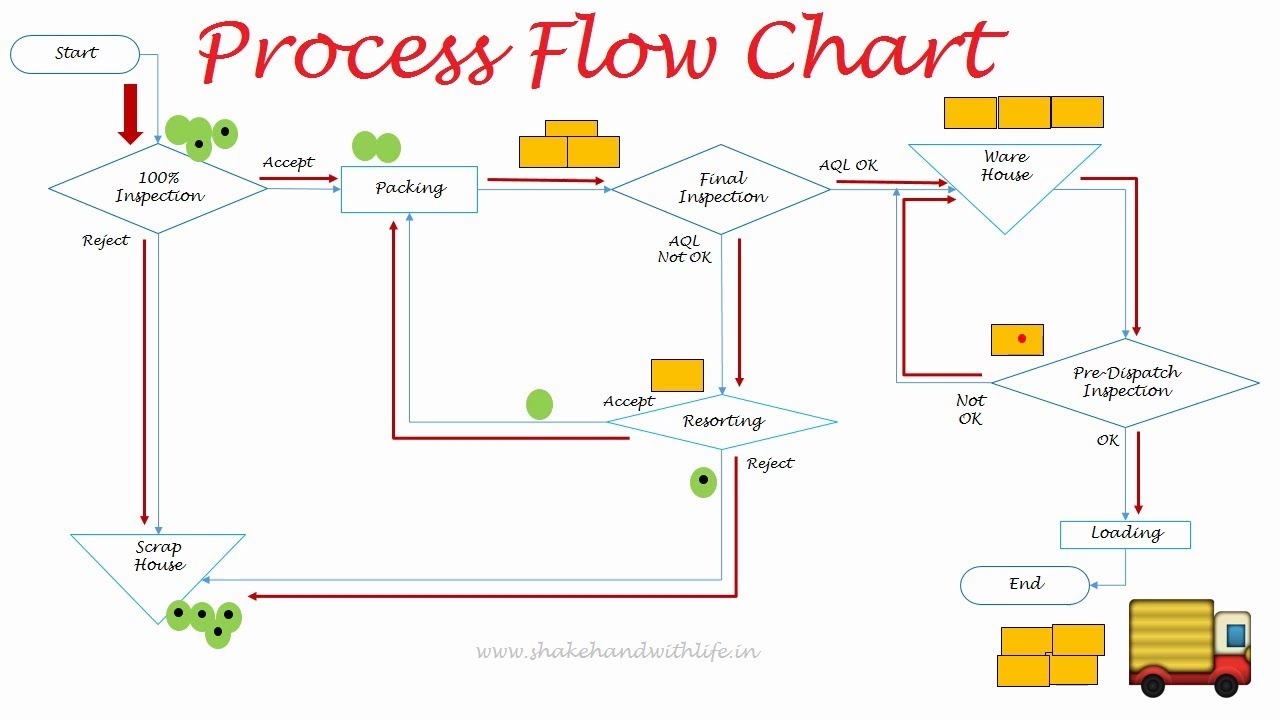
Key Highlights
- Dynamic Process Visualization: Automated generation and real-time updating of visual tools such as flowcharts and control charts using generative AI.
- Enhanced Data Analysis: Integration of predictive analytics, anomaly detection, and data-driven recommendations into traditional quality management methods.
- Improved Decision Making: Streamlined quality problem-solving through rapid data synthesis, automated layout of fishbone diagrams, and smarter Pareto insights.
Introduction
The integration of generative artificial intelligence (AI) into the traditional quality management landscape has ushered in a transformative era in process improvement and quality assurance. The seven basic quality tools—comprising flowcharts, cause-and-effect diagrams (often known as fishbone diagrams), check sheets, histograms, Pareto charts, control charts, and scatter diagrams—have been pivotal in diagnosing issues, optimizing processes, and implementing corrective actions. With the advent of generative AI, these tools are no longer static representations; they evolve dynamically by incorporating real-time data, predictive analytics, and automated data processing. This comprehensive discussion delves into how generative AI significantly extends the functionality of each quality tool, capturing the synergies between traditional methodologies and cutting-edge AI technologies.
1. Flowcharts
Traditional Applications
Flowcharts, or process maps, have long served as visual aids to illustrate process workflows clearly. Traditionally, these diagrams help in mapping each step of a process, identifying decision points, and revealing potential inefficiencies or bottlenecks. In quality management, the clarity provided by flowcharts is essential to understanding system interdependencies and facilitating root cause analysis.
Generative AI Enhancements
With generative AI, the conventional static flowchart is transformed into an interactive, responsive diagram. AI algorithms can automatically convert textual descriptions or raw process data into flowcharts, highlighting decision nodes and branching pathways with minimal human intervention. This automation includes:
- Automatic detection of process steps from textual or sensor data.
- Real-time updating of process flows as new data becomes available.
- Identification and visual highlighting of potential process bottlenecks and inefficiencies.
Additionally, by simulating alternative workflow scenarios through “what-if” analyses, generative AI can propose process improvements, ultimately enhancing both efficiency and productivity.
2. Cause-and-Effect Diagrams (Fishbone or Ishikawa Diagrams)
Traditional Applications
The cause-and-effect diagram is a vital tool for visually mapping the potential causes of a specific problem. Historically known as fishbone or Ishikawa diagrams, these charts categorize potential faults into groups such as materials, methods, machinery, manpower, measurement, and environment. This structured approach facilitates problem analysis and root cause identification.
Generative AI Enhancements
Generative AI amplifies the power of fishbone diagrams by infusing data-driven insights into the process:
- Automated Identification: AI systems analyze vast historical datasets, customer feedback, maintenance logs, and incident reports to suggest potential root causes. This surprises traditional brainstorming by revealing less obvious factors.
- Real-Time Updates: As new data is ingested, AI dynamically updates the diagram, ensuring that the model reflects current operating conditions.
- Scenario Simulation: AI tools simulate “what-if” scenarios to explore the effects of changes in factors (e.g., modifying a process step or setting a new control parameter), thereby forecasting outcomes.
These enhancements contribute to faster identification of underlying issues, reducing time-to-resolution and enhancing continuous improvement initiatives.
3. Check Sheets
Traditional Applications
Check sheets are structured forms used to collect and organize data about defects, frequencies, and other process-related measurements. They offer a systematic way to capture real-time quantitative data in quality assessments.
Generative AI Enhancements
The integration of generative AI into check sheets facilitates several improvements:
- Smart Data Collection: AI-powered interfaces suggest or auto-fill entries based on historical data trends, drastically reducing human error and increasing efficiency.
- Anomaly Detection: AI continuously monitors incoming data for unusual patterns or anomalies, flagging deviations instantly. This proximity to real-time processing helps in quick corrective actions.
- Predictive Insights: By comparing ongoing data with historical patterns, generative AI forecasts potential future quality issues. This allows organizations to pre-emptively adjust processes to avoid defects.
The result is an evolution from a manual, retrospective reporting tool to a proactive analytic dashboard that enhances data integrity and operational responsiveness.
4. Histograms
Traditional Applications
Histograms are widely used in quality management to visually represent data distributions. By plotting frequency vs. value ranges, they provide insights into central tendencies, variability, and the presence of outliers, essential for understanding process capability.
Generative AI Enhancements
Generative AI transforms static histograms into dynamic, interactive visualizations:
- Dynamic Visualization: AI-driven tools can automatically generate and update histograms as new data streams in, ensuring that the visualization is current.
- Data Enrichment: By combining data from multiple sources, AI uncovers hidden trends, subtly transforming a basic histogram into an interactive dashboard that highlights anomalies, outliers, and shifts in data distribution.
- Predictive Analysis: AI can predict future data trends based on historical patterns, offering insights into potential shifts long before they become evident in manual reviews.
In doing so, histograms powered by generative AI are not just descriptive tools—they become integral components of a predictive quality control strategy.
5. Pareto Charts
Traditional Applications
Pareto charts have a fundamental role in quality management by focusing on the “vital few” problems that cause the majority of issues. This visualization typically ranks issues according to frequency or cost, following the Pareto principle (80/20 rule).
Generative AI Enhancements
The infusion of generative AI introduces significant advancements in Pareto chart analysis:
- Intelligent Data Sorting: AI swiftly analyzes large datasets to identify and rank the most critical quality issues, ensuring that the most impactful factors are prioritized.
- Contextual Integration: Beyond mere counts, AI integrates contextual data such as customer feedback, supplier quality issues, or process deviations to provide a more holistic view. This aids in deeper-root cause analysis.
- Continuous Real-Time Updates: As new data becomes available, AI systems update Pareto charts dynamically, ensuring ongoing alignment with current operational conditions.
This dynamic updating helps quality managers to quickly refocus efforts on emerging challenges, thereby supporting more agile and data-driven decision making.
6. Control Charts
Traditional Applications
Control charts are indispensable for monitoring process performance and variability over time. By tracking process data against predetermined control limits, they facilitate the early detection of deviations and potential out-of-control situations.
Generative AI Enhancements
Leveraging generative AI in conjunction with control charts brings multiple enhancements:
- Real-Time Monitoring: AI systems integrate with IoT devices and sensor networks to provide instantaneous updates of process performance. This enables dynamic recalibration of control limits as conditions change.
- Predictive Alerts: By analyzing historical trends in conjunction with real-time data, AI can forecast potential deviations. Early warning mechanisms can then alert quality managers before problems escalate.
- Automated Reporting: AI-driven tools generate detailed visual reports and insights, reducing the need for manual interpretations and bolstering confidence in the control process.
These improvements drive operational agility and reinforce quality assurance by ensuring that proactive measures replace reactive corrections.
7. Scatter Diagrams
Traditional Applications
Scatter diagrams have traditionally served to showcase the relationship between two variables, facilitating the identification of correlations or causal links. They are crucial in identifying trends or outliers that might not be apparent from tabular data.
Generative AI Enhancements
Generative AI improves the utility of scatter diagrams in several ways:
- Advanced Correlation Analysis: AI systems automatically detect and visualize relationships between variables, often overlaying regression lines and confidence intervals, which help quantify the strength and significance of correlations.
- Multivariate Extensions: Traditionally limited to two dimensions, scatter diagrams can now be expanded into multi-dimensional visualizations where AI highlights interactions among multiple variables, creating richer insights.
- Hypothesis Generation: By systematically analyzing correlations, AI can suggest potential causal relationships and underlying mechanisms that warrant further exploration through controlled experiments.
The integration of generative AI into scatter diagrams not only facilitates a deeper comprehension of process interactions but also empowers decision-makers to design more effective quality interventions.
Integrated Benefits of AI and Quality Tools
The intersection between generative AI and the seven quality tools offers a multitude of benefits that propel quality management into a higher dimension of efficiency and innovation:
- Data Integration and Consolidation: AI harmonizes disparate datasets—ranging from sensor data and production logs to customer feedback and maintenance records—to provide a comprehensive view of quality performance. This integrated approach minimizes data silos and ensures that decisions are based on holistic insights.
- Efficiency and Scalability: Automation of diagram generation, data analysis, and real-time updates significantly reduces the manual workload. Quality teams can scale their monitoring and improvement activities without proportionate increases in resource allocation.
- Predictive and Proactive Measures: By continuously learning from historical data, generative AI not only identifies existing issues but also predicts possible future deviations. This predictive capability enables organizations to take proactive measures, mitigating risks before they materialize.
- Continuous Learning and Adaptation: AI-driven systems constantly refine their algorithms as more data becomes available, leading to progressively more accurate insights. Quality management systems become self-improving over time, aligning with continuous improvement philosophies.
- Enhanced Decision Making: With AI-generated insights, managers can make data-backed decisions rapidly. Visual summaries, automated alerts, and predictive reports support the rapid identification and resolution of process issues.
Practical Implementations in Modern QMS
Many quality management systems (QMS) and software platforms have begun incorporating these generative AI enhancements to revolutionize quality control and assurance. For example, some platforms integrate AI to manage electronic clinical quality measures, while others use AI-driven algorithms to enable defect detection, risk management, and operational efficiency. These platforms leverage AI to automate end-to-end quality management processes, offering cloud-based solutions that align with modern regulatory and performance standards.
AI-Enhanced Quality Tools: A Comparative Table
| Quality Tool | Traditional Use | AI Enhancement |
|---|---|---|
| Flowcharts | Visualizing process steps and decision nodes | Automated generation from textual data, real-time updates, bottleneck identification |
| Fishbone Diagrams | Mapping cause and effect for problem solving | Data-driven root cause analysis, automated branch generation, "what-if" scenario simulation |
| Check Sheets | Data collection and defect tracking | Smart data entry, anomaly detection, predictive insights |
| Histograms | Graphical distribution of data values | Dynamic updating, integration multi-source data, predictive analytics |
| Pareto Charts | Prioritizing issues based on frequency or impact | Intelligent sorting, context integration, continuous updates |
| Control Charts | Monitoring process variability over time | Real-time monitoring, dynamic recalibration, predictive alerts |
| Scatter Diagrams | Correlation analysis between two variables | Advanced multivariate visualization, regression overlays, hypothesis generation |
Future Outlook and Considerations
The evolution of traditional quality management tools through the infusion of generative AI signifies a broader transformation in industrial practices. In this predictive paradigm, data integration, interactivity, and automation converge to provide richer and more actionable insights. However, organizations must carefully manage the transition:
- Data Quality: AI systems rely on robust and clean datasets. It is essential to establish stringent data governance policies to prevent the propagation of biases and errors.
- Integration Complexity: Implementing AI-enhanced tools may require significant integration with existing systems. This calls for careful planning to ensure compatibility and seamless data flow.
- Skill Development: Quality professionals must adapt to new technological landscapes. Continuous training on AI tools and data analytics is imperative for maximizing these advanced systems’ benefits.
As more organizations adopt these integrated systems, the collective knowledge base will grow, further refining AI algorithms and boosting their accuracy over time. The shift toward proactive, data-driven quality management not only reduces costs associated with downtime and defects but also fosters an environment of continuous, incremental improvement.
Conclusion and Final Thoughts
The fusion of generative AI with the seven classic quality tools represents a significant leap forward in quality management strategies. By automating data collection, enabling real-time process visualization, diagnosing root causes rapidly, and predicting future trends, these enhancements empower organizations to address quality issues before they escalate. This comprehensive integration transforms quality management from a historical, retrospective activity to a proactive, dynamic process that continually evolves with technological advancements.
Through the dynamic capabilities of generative AI, quality management systems are now better equipped to handle the complexities of modern industries. The seamless blend of interactive visualizations, advanced data analytics, and predictive insights not only streamlines operational workflows but also sets a new benchmark for ensuring product and service excellence. As organizations continue to adopt these advanced methodologies, the culture of continuous improvement will be further entrenched, leading to operational resilience and significant competitive advantages.
References
- Page Reference 1 - Mantechai
- Page Reference 2 - Academia Mag
- Page Reference 3 - Eastgate Software
- Page Reference 4 - DataCamp
- Page Reference 5 - GeeksforGeeks
- Page Reference 6 - Viact AI
Recommended Queries for Further Exploration
Last updated February 19, 2025