
AI Opportunity in Renewable Energy
Exploring how AI transforms renewable energy systems for a sustainable future
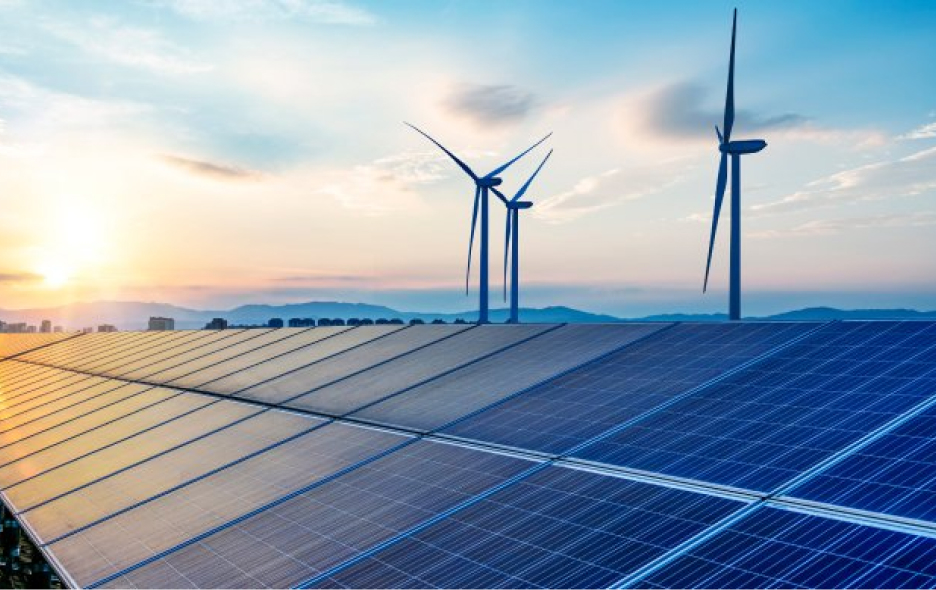
Key Highlights
- Enhanced Forecasting and Grid Management: Leveraging AI to predict energy production and optimize grid stability.
- Resource and Maintenance Optimization: Utilizing AI-driven insights to enhance equipment efficiency and extend asset lifespan.
- Accelerating Clean Energy Deployment: Streamlining renewable energy integration and supporting a sustainable energy transition.
Understanding AI’s Role in Renewable Energy
The renewable energy sector has seen rapid technological advancements, and artificial intelligence (AI) is now playing a pivotal role in its evolution. As the world continues to transition from fossil fuels to cleaner energy sources, AI is emerging as a critical enabler for enhancing efficiency, reliability, and scalability within the renewable ecosystem.
Forecasting and Grid Management
AI algorithms are capable of analyzing large datasets generated by renewable energy sources such as solar panels, wind turbines, and battery storage systems. These algorithms make it possible to forecast energy production with a high degree of accuracy. By considering historical weather data, seasonal patterns, and other relevant inputs, AI can predict fluctuations in solar and wind energy production. This leads to improved management of the power grid, where balancing supply and demand becomes more efficient.
Energy Production Forecasting
Accurate forecasting is essential for the integration of renewable energy. AI models can significantly reduce forecasting errors by detecting subtle patterns in the data. For instance, solar panel output can be forecasted with a high degree of precision by incorporating cloud cover predictions and historical irradiance data. Similarly, wind energy prediction benefits from analyzing wind speed data, while machine learning algorithms adjust predictions in real-time, fostering a more robust and stable grid.
Grid Stability and Management
Enhanced grid management is a crucial benefit of using AI. By continuously monitoring and predicting energy fluctuations, grid operators can allocate energy resources more efficiently. AI also plays a role in predicting demand peaks and coordinating smart storage solutions to match energy supply to consumption patterns. Such dynamic adjustments result in fewer power outages and improved reliability across the energy network.
Efficiency and Optimization in Renewable Systems
AI enables a significant leap in improving the efficiency of renewable energy installations. By optimizing the placement and operation of equipment, AI helps maximize energy output and minimize waste.
Resource Optimization
Optimal siting of renewable infrastructure, be it solar panels or wind turbines, is a complex decision-making process influenced by numerous variables. AI algorithms analyze geospatial data, weather patterns, and historical operational metrics to identify optimal locations. This comprehensive assessment ensures that renewable assets are positioned where they can produce the maximum amount of energy, thereby delivering improved returns on investment and contributing to the overall sustainability of energy networks.
Predictive Maintenance
Another area where AI makes a tangible impact is in predictive maintenance. Traditional maintenance schedules can be inefficient and reactive, leading to increased downtime and higher operational costs. In contrast, AI systems monitor equipment in real time and use historical performance data to predict potential failures before they occur. This proactive approach not only extends the lifespan of equipment but also reduces maintenance costs significantly. For instance, continuous monitoring of wind turbine performance allows for timely intervention, thus ensuring that minor issues do not develop into major failures.
Efficiency in Energy Demand Management
Beyond maintaining power generation systems, AI also contributes to the optimization of energy demand. Smart grids, powered by AI, efficiently manage the distribution of electricity by reconciling supply with demand. This is crucial in a renewable energy context where energy output can vary due to changing weather conditions. By adjusting the operational parameters of grid-connected devices and storage, smart grids ensure that excess energy is either stored or redistributed in real time, bringing cost savings and operational efficiency.
Integrating AI in Renewable Energy Systems
The integration of AI within renewable energy systems has been transformative, enabling smarter, data-driven decision-making across the sector. This integration is multi-dimensional, encompassing advanced analytical tools, automated control systems, and real-time optimization of energy networks.
Data-Driven Decision Making
The vast amounts of data generated by renewable energy assets are a treasure trove of insights waiting to be unlocked through AI. Data-driven decision making facilitated by AI helps stakeholders—from utility companies to investors—gain a clearer picture of system performance and potential areas for improvement. Detailed analyses powered by AI allow for informed decisions on where to invest in new renewable assets, how to upgrade existing infrastructure, and what measures to implement to reduce energy losses.
AI in Investment Strategies
Investment strategies in renewable energy are evolving with the inclusion of AI-enhanced evaluations. By crunching complex datasets, AI models assess risk factors and predict future performance, offering investors robust insights into market trends. Such data-driven evaluations have a dual impact: they not only reduce the financial risks associated with renewable energy projects but also speed up the deployment of cleaner technologies.
Decarbonization and Sustainability
One of the most compelling arguments for integrating AI in renewable energy is its contribution to decarbonization efforts. By making operations more energy-efficient and reducing waste, AI directly supports the global pursuit of net-zero emissions. The role of AI in decarbonization manifests in various forms—from enhancing the performance of renewable assets to facilitating the integration of green energy into the broader power grid, thereby reducing the reliance on fossil fuels.
Reducing Carbon Footprint
Through improved forecasting, grid management, and predictive maintenance, AI helps minimize the energy lost during generation and distribution. This efficiency leads to a lower overall carbon footprint, as less energy is required to meet demand due to optimized system performance. Across multiple renewable energy projects, the intelligent application of AI has already demonstrated a measurable impact in reducing greenhouse gas emissions.
Real-World Applications and Market Growth
AI’s integration into renewable energy is not merely theoretical; it is actively transforming how energy systems operate worldwide. Companies and governments alike are investing in AI-driven renewable projects, recognizing the potential for efficiency gains and cost reductions.
Industry Innovations
Major technology companies and energy providers are at the forefront of adopting AI solutions to enhance renewable energy generation and grid management. Prominent examples include projects that optimize the orientation of solar panels using real-time weather data and AI-controlled wind turbines that adjust dynamically to changing wind conditions. Such innovations are quickly becoming industry standards, paving the way for broader implementation across the sector.
Case Study: AI-Enhanced Solar Efficiency
A well-known technology leader partnered with AI innovators to improve the efficiency of solar energy systems. By analyzing data on sunlight intensity, weather patterns, and historical performance, AI systems were able to adjust panel angles for optimal exposure, leading to an approximate 20% increase in energy production. This success illustrates the tangible benefits of applying AI in renewable energy projects.
Market Growth Projections
According to industry forecasts, the renewable energy market is set to experience exponential growth in the coming years. Projections indicate that the market could expand from around USD 1.34 trillion in 2024 to over USD 5.62 trillion by 2033. AI's role in this growth cannot be understated, given its ability to enhance asset management, reduce operational errors, and improve predictive capabilities.
The Economic Impact of AI in Renewable Energy
The economic implications of integrating AI into renewable energy systems are profound. Beyond improving the technical aspects of energy production and distribution, AI also drives significant cost savings. Reduced energy waste, lowered maintenance costs, and more effective resource utilization translate into better margins and more attractive returns on investment.
Operational Cost Savings
By incorporating predictive maintenance and automated control systems, energy providers can drastically cut operational expenses. The preemptive identification of potential failures helps avoid costly repairs and minimizes downtime, ensuring that renewable assets remain operational at optimal efficiency.
A Comprehensive Overview with Data
The multifaceted benefits of applying AI in renewable energy are best illustrated through a summarized table capturing the core opportunities and economic impacts:
| Opportunity | Description | Impact |
|---|---|---|
| Forecasting | Utilizes historical and real-time data to predict energy production from solar and wind. | Enhances grid management and reduces energy wastage. |
| Grid Management | Balances energy supply and demand through real-time data analytics. | Improves grid stability and minimizes outages. |
| Predictive Maintenance | Monitors equipment performance to predict failures before they occur. | Reduces downtime and operational costs. |
| Resource Optimization | Determines optimal locations and operation for renewable assets. | Maximizes energy output and improves ROI. |
| Decarbonization | Improves overall efficiency to reduce the energy sector’s carbon footprint. | Supports global net-zero initiatives. |
The table above captures the synergy of applying AI across various segments of renewable energy systems—from efficient forecasting to predictive maintenance—and underscores the strategic importance of this technological advancement.
Future Outlook and Strategic Integration
The path forward for renewable energy is intertwined with the continued evolution and integration of AI. As technological capabilities advance, further opportunities will arise, particularly in the areas of system optimization, smart grid management, and proactive policy formulation. The potential to reduce operational downtime, optimize energy flows, and rapidly adapt to changing environmental conditions are critical drivers for widespread adoption.
Long-Term Sustainability and Innovation
In the coming years, AI will undoubtedly contribute to revolutionary changes in renewable energy deployment strategies. As renewable energy sources continue to make up a larger share of the overall energy mix, AI will be instrumental in ensuring that this transition is not only operationally secure but also economically viable. With continuous investments in AI research and development, the renewable energy sector is expected to become even more resilient, scalable, and efficient.
Research and Development Initiatives
Governments and private enterprises are actively investing in R&D initiatives to harness AI's full potential. Collaborative efforts between academic institutions and industry stakeholders are resulting in new AI models that address niche challenges within renewable energy systems, from microgrid optimization to advanced forecasting techniques. These initiatives are laying the groundwork for smarter, more integrated energy solutions.
Policy and Regulatory Framework
As AI becomes more integrated into day-to-day energy operations, policymakers are faced with the challenge of creating regulatory frameworks that support innovation while ensuring grid security and ethical data usage. Forward-thinking policies are essential to foster an environment that incentivizes investment in AI technologies, thereby accelerating the scale-up of renewable energy projects.
Industry Case Studies and Global Impact
Real-world implementations of AI in the renewable energy sector demonstrate its transformative role across diverse geographical regions and market conditions. Global energy markets have witnessed increased reliability and operational efficiency following the adoption of AI-driven strategies.
Global Adoption and Best Practices
Across various continents, renewable energy firms are implementing AI solutions to handle the complexities of energy production and distribution. For instance, European energy utilities have successfully used AI to integrate disparate energy sources into a cohesive grid network. In North America, smart grid projects are leveraging AI to improve system peak management and avoid energy blackouts during extreme weather conditions.
AI Partnerships in Renewable Energy
Strategic partnerships between tech giants and renewable energy providers are becoming increasingly common. These collaborations aim to blend technological expertise with sector-specific knowledge, yielding innovative solutions that drive down costs and advance sustainability. Such partnerships are not only beneficial for operational performance but also offer a blueprint for global best practices in AI adoption.
References
- Artificial Intelligence and Renewable Energy: A Guide to Tech Sustainability - Acropolium
- AI for Energy | Department of Energy - Energy.gov
- Artificial Intelligence in Renewable Energy - Omdena
- Why AI and Energy are the New Power Couple - IEA
- Energy, AI, and the Drive to Net-Zero - WEF
Recommended Further Reading
Last updated March 7, 2025