
AI in War Games and C4ISR
Exploring the transformative role of AI in military simulation and command systems
Key Highlights
- Enhanced Decision-Making and Strategic Modeling: AI facilitates real-time simulations, predictive analytics, and adaptive scenario planning that improve the depth and accuracy of military strategy and decision-making.
- C4ISR Optimization and Situational Awareness: AI integration into C4ISR systems enables rapid data analysis, resource allocation, and operational coordination, ensuring high-fidelity command and control in dynamic environments.
- Integration Challenges and Ethical Considerations: While AI brings significant advantages, its implementation also introduces challenges related to bias, data integrity, and ethical decision-making in military operations.
Introduction
The rapid advancement of Artificial Intelligence (AI) technology is revolutionizing several aspects of the military domain, notably the fields of war gaming and C4ISR (Command, Control, Communications, Computers, Intelligence, Surveillance, and Reconnaissance). As nations continually seek strategic advantages in their defense systems, integrating AI into war games and C4ISR platforms has emerged as a powerful tool to simulate complex combat scenarios, enhance operational efficiency, and boost decision-making processes.
AI in War Gaming
Real-Time Simulation and Scenario Generation
AI has the capability to generate and analyze multiple potential outcomes in war game scenarios, which is essential in developing robust strategic alternatives. By simulating a wide array of combat situations ranging from conventional warfare to asymmetric engagements, military planners can explore various strategies before real-life application. Generative AI models are particularly suited to this role, as they can create highly realistic and dynamic simulations that account for uncertainty and the adversary’s unpredictable behavior.
Adaptive Modeling and “Look-Ahead” Analysis
One distinctive advantage of employing AI in war gaming is its ability to conduct “look-ahead” analysis. This approach involves simulating future states on the battlefield based on current actions and decisions, offering a dynamic preview of possible outcomes. Through machine learning algorithms, these systems develop adaptive models of both friendly and adversary forces, enabling commanders to refine strategies and respond proactively to evolving scenarios. Such simulations help integrate nuanced variables, such as weather conditions, morale, and supply chain constraints, into the overall strategic picture.
Enhanced Training and Strategic Exercises
By incorporating real-time data and interactive simulation environments, AI-driven war games have significantly improved military training exercises. These simulations provide not only a platform for trainees to experiment with new tactics but also facilitate rapid learning by presenting complex scenarios in a controlled setting. Historical data can be integrated to validate AI models, creating a comprehensive training ecosystem that evolves continually with new insights. The role of AI here is essential in translating theoretical scenarios into practical exercises that foster strategic thinking and operational readiness.
AI in C4ISR Systems
Data Aggregation and Real-Time Analysis
Modern military operations heavily rely on the rapid processing and analysis of vast datasets sourced from sensors, satellites, unmanned aerial vehicles, and other communication devices. AI plays a crucial role in digesting this data quickly and accurately. By identifying patterns, detecting anomalies, and predicting threats, AI-enhanced C4ISR systems are capable of providing commanders with actionable intelligence. Integrated analytics platforms leverage machine learning to continuously optimize data handling operations, ensuring that decision-makers have the right information at the right time.
Resource Allocation and Network Optimization
One of the remarkable improvements brought by AI in C4ISR is its assistance in dynamic resource allocation and the optimization of communication networks. Algorithms designed to prioritize and process data from multiple channels help to streamline command and control functionalities. These advanced systems not only facilitate better operational coordination among different military units but also adjust to fluctuations in the operational environment. For instance, in scenarios demanding rapid redeployment of units or enhanced surveillance over broad areas, AI ensures that channels remain secure and optimized for both performance and reliability.
Edge AI and Real-Time Decision Support
The introduction of edge AI—processing capabilities located physically close to the data source—has significantly enhanced the responsiveness of C4ISR systems. By reducing latency, edge AI enables near-instantaneous data analysis and real-time decision-making. This is particularly beneficial in field operations where seconds can determine the outcome of events. The deployment of AI at the periphery of the network empowers unmanned systems like drones and autonomous vehicles, which rely on rapid local decision-making for effective battlefield performance.
Integration Challenges and Ethical Considerations
Bias and Data Integrity
While AI brings significant enhancements, integrating it into military operations is not without its challenges. One of the major concerns is that AI systems can unwittingly inherit biases present in training datasets. Such biases, if not properly managed, have the potential to skew risk assessments, target identifications, and decision-making processes. To mitigate these concerns, continuous evaluation and updating of training datasets are essential. Ensuring data integrity is paramount, as even small discrepancies can have outsized consequences in high-stakes military environments.
Ethical Implications and Governance
The ethical dimensions of deploying AI in war games and C4ISR extend beyond mere technical issues. The possibility of autonomous systems making life-or-death decisions raises significant ethical and legal questions. Military operations guided by AI must adhere to robust frameworks of accountability and transparency. There are ongoing discussions surrounding the governance of AI in military contexts, emphasizing the importance of human oversight and the establishment of clear operational guidelines. Maintaining a balance between technological advancement and ethical responsibility remains a core challenge for defense institutions worldwide.
Reliability and Operational Dependence
With increasing reliance on AI for critical military operations, ensuring system reliability becomes imperative. AI-driven C4ISR systems must be robust against potential failures such as hardware malfunctions, cyber attacks, or unexpected anomalies in data inputs. Military organizations implement rigorous testing and validation procedures to certify that AI systems perform consistently under varied conditions. Despite these safeguards, there is an ongoing need for contingency plans and backup systems to handle instances where AI outputs may be compromised.
Detailed Comparative Analysis
The integration of AI in both war games and C4ISR provides layered advantages that enhance military operational effectiveness. A comparative analysis between the two domains reveals the following insights:
Aspect Comparison Table
| Aspect | War Gaming | C4ISR |
|---|---|---|
| Simulation Capabilities | Generates dynamic, adaptive scenarios simulating complex military engagements. | N/A - Focuses on integrating data from various operational sources. |
| Real-Time Decision Support | Offers predictive analytics and "look-ahead" analysis to forecast outcomes. | Provides rapid data processing and analysis, ensuring quick situational awareness. |
| Data Handling | Utilizes historical and generated datasets to train and refine simulations. | Aggregates live data from sensors, satellites, and communications for enhanced intelligence. |
| Scalability | Supports scaling simulations for training large groups of decision-makers. | Optimizes network performance and resource allocation in complex, distributed systems. |
| Ethical Considerations | Raises questions about the influence of AI-generated recommendations on strategy. | Involves ethical debates over autonomous decision-making and human control over lethal force. |
Future Trends and Innovations
Improving Simulation Fidelity
The future of AI in war games envisions enhanced realism in simulation fidelity. Future models may incorporate more granular variables including psychological factors, economic constraints, and geographical influences to produce comprehensive simulation outputs. As computational power increases and data becomes more refined, these simulations will become even more aligned with actual conflict scenarios, ensuring that military strategists can test outcomes with unprecedented accuracy.
Integration of Advanced Edge AI
Technological advancements are expected to further harness the capabilities of edge AI within C4ISR systems. The evolution of edge computing will allow for even faster processing speeds directly at the sensor or platform level. This is crucial in modern battlefields where electronic warfare and rapid cyber attacks necessitate instantaneous analytical responses. Moreover, edge AI will facilitate enhanced collaboration across various operational domains, ensuring that decision-making is both decentralized and swift.
Cross-Domain Collaboration
One promising trend is the potential for increased collaboration across different military domains. With AI serving as a common link, data from strategic simulations, real battlefield operations, and cyber intelligence can be merged to form a unified situational picture. This cross-domain integration can empower commanders to not only react efficiently to emerging threats but also to proactively design strategic countermeasures that are informed by comprehensive intelligence.
Addressing Ethical and Legal Challenges
As AI becomes more embedded in military technology, governing bodies and defense agencies will need to continuously evaluate and address the ethical and legal implications of autonomous systems. Establishing frameworks to ensure that AI decisions are transparent and accountable is fundamental. Future protocols may include enhanced oversight mechanisms, robust data audit trails, and strict compliance with international laws governing military conduct. These steps will be critical to safely integrating AI while upholding the principles of human rights and ethical warfare.
Case Studies and Practical Applications
Military Training Simulations
Several military institutions have introduced AI-enabled war gaming platforms specifically designed for training purposes. By simulating realistic combat environments, these platforms allow commanders and soldiers to experiment with various strategies under controlled conditions. For instance, inputs from historical operational data combined with real-time adjustments allow these simulations to evolve continuously, providing intricate feedback on tactical maneuvers and resource deployments.
Operational Command Centers
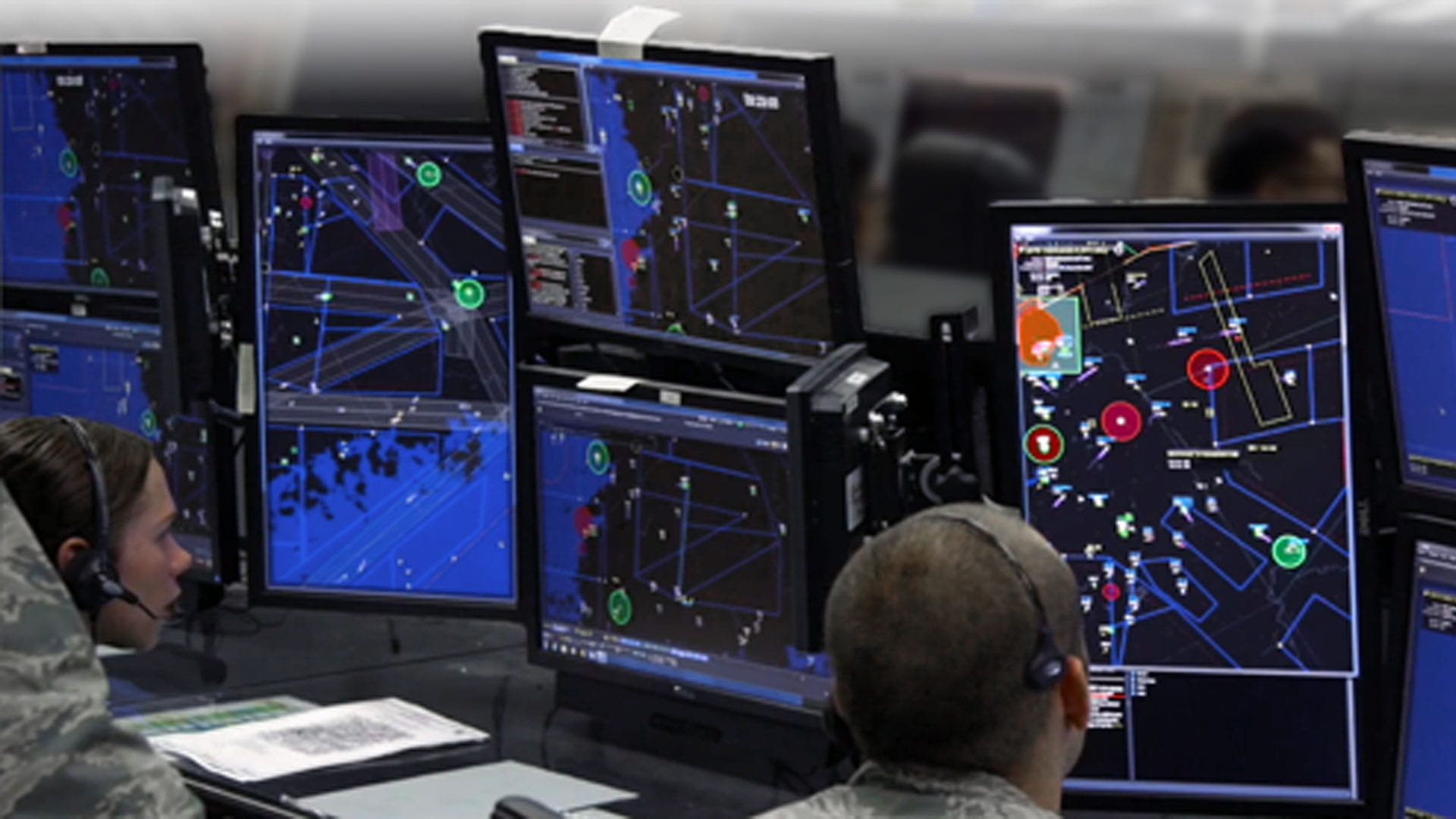
In operational settings, AI-enhanced C4ISR systems are employed in command centers around the world. These systems integrate multiple data streams to create cohesive operational pictures that enhance decision-making in time-sensitive situations. AI algorithms process sensor data, communications, and other digital signals, providing commanders with a real-time depiction of battlefield dynamics, threat assessments, and potential outcomes. Such integration plays a critical role in modern warfare where speed and accuracy are paramount.
Multi-Domain Battle Operations
As modern conflicts increasingly span multiple domains—including air, land, sea, and cyber—AI is becoming an indispensable asset in orchestrating coordinated responses across these domains. The ability to synthesize information from diverse sources empowers military planners to develop integrated strategies that account for complex interactions between various aspects of warfare. With AI at the helm, these systems ensure that each element of a multi-domain operation works in synergy, thereby enhancing overall operational effectiveness.
Operational and Strategic Benefits
Enhanced Situation Awareness
The fusion of real-time data analytics with robust simulation models provides military leaders with enhanced situational awareness. This heightened perception enables quicker identification of potential threats and a more agile response to dynamic battle conditions. Achieving situational awareness is critical not only for immediate tactical decisions but also for long-term strategic planning.
Streamlined Communication Systems
AI-driven C4ISR platforms have transformed communication paradigms on the battlefield by ensuring that critical data and intelligence are relayed efficiently among various units. Automated decision support systems, optimized through AI, enable a seamless flow of information, facilitating coordinated responses even in contested and rapidly changing environments.
Resource Optimization and Reduced Operational Costs
Efficient resource allocation is another significant benefit. AI algorithms optimize logistics and network configurations and adjust deployment strategies based on real-time needs. This not only enhances the overall operational efficiency but also translates into cost savings by reducing redundancy and optimizing the use of available assets.
Technological Innovation and Future Research
Expanding Computational Capabilities
Ongoing research into AI and related computational methods continues to push the boundaries of what can be achieved in military operations. Advances in hardware, such as quantum computing and enhanced neural network architectures, will further extend the capabilities of AI-driven war gaming and C4ISR systems. As computational power increases, military simulations will approach near-real-time fidelity, allowing even more sophisticated predictive modeling.
Collaborative AI Development
Collaborative efforts among defense agencies, technology companies, and academic institutions are driving innovation in AI applications for military use. These partnerships are crucial for refining AI models to address both operational challenges and ethical concerns. By sharing best practices and developing standardized frameworks, these collaborations ensure that technological advancements translate into practical, reliable, and ethically sound military solutions.
Integrating Cybersecurity Protocols
As AI systems become more central to military operations, protection against potential cyber threats is becoming equally essential. Research is increasingly focusing on enhancing the cybersecurity of AI-enabled platforms and ensuring that data integrity is rigorously maintained. Future systems are expected to have built-in countermeasures that protect against both cyber intrusions and potential disruptions caused by adversarial interference.
References
- Use of AI in War Games Could Change Military Strategy - Military.com
- Progressing an Artificial Advantage: Battlefield AI and C4ISR - Shephard Media
- AI in Wargaming and Modeling - RAND
- It Is Time to Democratize Wargaming Using Generative AI - CSIS
- The use of AI in War Games Could Change Military Strategy - The Conversation
Recommended Queries for Further Exploration
Last updated March 20, 2025