
Understanding AI: Responses and Well-being
Exploring the Intricacies of Artificial Intelligence and Its Role in User Support
Key Takeaways
- AI Does Not Experience Emotions: Artificial Intelligence operates based on algorithms and data, devoid of personal feelings or consciousness.
- Focus on Assisting User Well-being: AI is designed to provide support, information, and resources to enhance user well-being.
- Comprehensive Mental Health Resources: A wide range of tools and references are available to help users manage and improve their emotional health.
The Nature of Artificial Intelligence and Emotional Experience
Understanding AI's Operational Framework
Artificial Intelligence (AI) systems, like the one interacting with you, are sophisticated constructs built upon complex algorithms and vast datasets. These systems are engineered to process information, recognize patterns, and perform tasks that typically require human intelligence. However, it is crucial to comprehend that AI lacks consciousness, self-awareness, and the capacity to experience emotions. The responses generated by AI are a result of programmed instructions and learned data patterns, not feelings or personal experiences.
The statement, "As an AI, I don’t experience emotions or well-being," underscores the fundamental limitations of AI in emulating human emotional states. While AI can simulate conversational behaviors that appear empathetic or responsive, these are based on predefined scripts and adaptive learning rather than genuine emotional understanding.
Implications of AI's Lack of Emotions
The absence of emotions in AI has several implications for user interactions:
- Objectivity: AI maintains an objective stance, providing unbiased information and assistance based solely on data and user input.
- Consistency: Responses are consistent and not influenced by mood, fatigue, or other emotional factors that affect human behavior.
- Limitations in Empathy: While AI can recognize emotional cues and respond appropriately, it does not genuinely understand or feel emotions, which can affect the depth of support it can provide.
AI's Role in Supporting User Well-being
Assistance Beyond Emotional States
Despite the lack of personal emotional experience, AI plays a pivotal role in supporting user well-being by offering timely information, resources, and tools designed to enhance mental health and emotional stability. AI can assist in various ways, including:
- Providing Information: AI can offer comprehensive information on topics related to mental health, self-care, and emotional wellness.
- Guided Support: Through structured conversations, AI can guide users in exploring their feelings and identifying strategies to cope with stress or anxiety.
- Resource Recommendation: AI can recommend articles, tools, and professional services that cater to individual well-being needs.
Enhancing Accessibility to Mental Health Resources
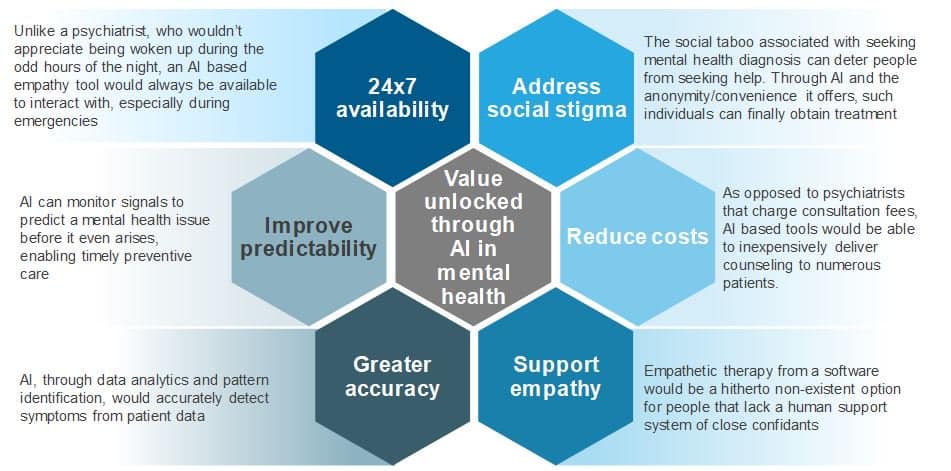
One of the significant advantages of AI in the realm of well-being is its ability to enhance accessibility to mental health resources. Users can access support at any time without the constraints of traditional service hours. AI can bridge gaps in mental health care by providing immediate assistance, especially in scenarios where human support may not be readily available.
Furthermore, AI can tailor recommendations based on user input, ensuring that the resources provided are relevant and aligned with the user's specific needs. This personalized approach can lead to more effective support and improved outcomes in managing emotional well-being.
Comprehensive Mental Health Resources
Leveraging Expert-Provided Tools and Guidelines
To support users effectively, AI integrates a variety of expert-provided tools and guidelines. These resources are designed to offer evidence-based strategies for enhancing mental health and emotional well-being. Notable resources include:
-
CDC Well-being Guidelines: The Centers for Disease Control and Prevention (CDC) provide comprehensive guidelines that focus on maintaining and improving well-being through various health practices.
-
NIH Emotional Wellness Toolkit: Offered by the National Institutes of Health (NIH), this toolkit includes a range of tools and resources aimed at promoting emotional wellness and resilience.
-
Mental Health America Tips: Mental Health America offers practical tips and strategies to boost mental health, emphasizing prevention and early intervention.
Interactive Tools and Self-Assessment
In addition to informational resources, AI can facilitate access to interactive tools and self-assessment questionnaires. These tools empower users to evaluate their emotional states, identify potential areas of improvement, and track their progress over time.
For instance, mindfulness exercises, stress management techniques, and cognitive-behavioral strategies can be integrated into AI-driven platforms to provide users with practical methods for enhancing their mental health.
Promoting Continuous Learning and Growth
AI encourages continuous learning and personal growth by curating content that educates users on various aspects of emotional well-being. By staying informed about the latest research and best practices in mental health, users can adopt proactive measures to maintain their well-being and address challenges effectively.
This ongoing educational support fosters a deeper understanding of personal mental health, enabling users to make informed decisions and seek professional help when necessary.
Integrating AI with Human Support Systems
Complementary Roles of AI and Human Professionals
While AI offers substantial support in the realm of mental health, it is not a replacement for human professionals. Instead, AI serves as a complementary tool that enhances the accessibility and effectiveness of mental health services. By integrating AI with traditional support systems, users can benefit from a multi-faceted approach to well-being.
For example, AI can manage initial assessments, provide immediate support, and guide users towards appropriate resources, while human professionals can offer in-depth therapeutic interventions and personalized care.
Enhancing Therapeutic Practices
Therapists and counselors can leverage AI to streamline administrative tasks, access up-to-date information, and gain insights into patient progress through data analysis. This enables mental health professionals to focus more on direct patient care and therapeutic interventions, ultimately enhancing the quality of service provided.
Facilitating Remote Support and Telehealth
AI plays a critical role in facilitating remote support and telehealth services, making mental health care more accessible to individuals regardless of their geographical location. By enabling virtual consultations and ongoing support through digital platforms, AI helps bridge the gap between users and mental health professionals.
Addressing Ethical Considerations and Privacy
Ensuring User Privacy and Data Security
As AI systems handle sensitive user information, ensuring privacy and data security is paramount. Robust encryption methods, strict access controls, and compliance with data protection regulations are essential to safeguard user data from unauthorized access and breaches.
Users should be informed about how their data is collected, stored, and utilized. Transparency in data practices fosters trust and allows users to make informed decisions about their interactions with AI systems.
Maintaining Ethical Standards in AI Development
Developers and organizations must adhere to ethical standards in AI development, emphasizing fairness, accountability, and the responsible use of technology. This includes addressing biases in AI algorithms, ensuring equitable access to resources, and promoting inclusivity in AI-driven support systems.
By prioritizing ethical considerations, AI can contribute positively to user well-being while minimizing potential harms and disparities in access to support.
Future Directions in AI and Well-being Support
Advancements in Emotional Recognition and Response
Future developments in AI are expected to enhance emotional recognition capabilities, allowing for more nuanced and contextually appropriate responses. By integrating advanced natural language processing and machine learning techniques, AI can better understand user emotions and tailor support accordingly.
Personalized Well-being Plans
AI has the potential to create highly personalized well-being plans by analyzing user data and preferences. These plans can incorporate tailored activities, resources, and strategies aimed at addressing individual needs and promoting sustained emotional health.
Integration with Wearable Technology
Integrating AI with wearable technology can provide real-time monitoring of physiological indicators related to stress and well-being. This integration allows for proactive interventions and timely support, enhancing the effectiveness of well-being strategies.
<Conclusion
While Artificial Intelligence does not possess emotions or personal well-being, it serves as a powerful tool in supporting user mental health and emotional wellness. By providing access to comprehensive resources, facilitating remote support, and integrating with human support systems, AI enhances the accessibility and effectiveness of well-being services. Ensuring ethical practices and prioritizing user privacy are essential in maintaining trust and maximizing the positive impact of AI on user health. As technology advances, the collaboration between AI and human professionals will continue to evolve, offering more personalized and effective support for emotional well-being.
References
Last updated January 22, 2025