
Air Tickets & Aircraft Classes: The In-Flight Experience Demystified
Understanding ticket functions and travel class services for a seamless journey
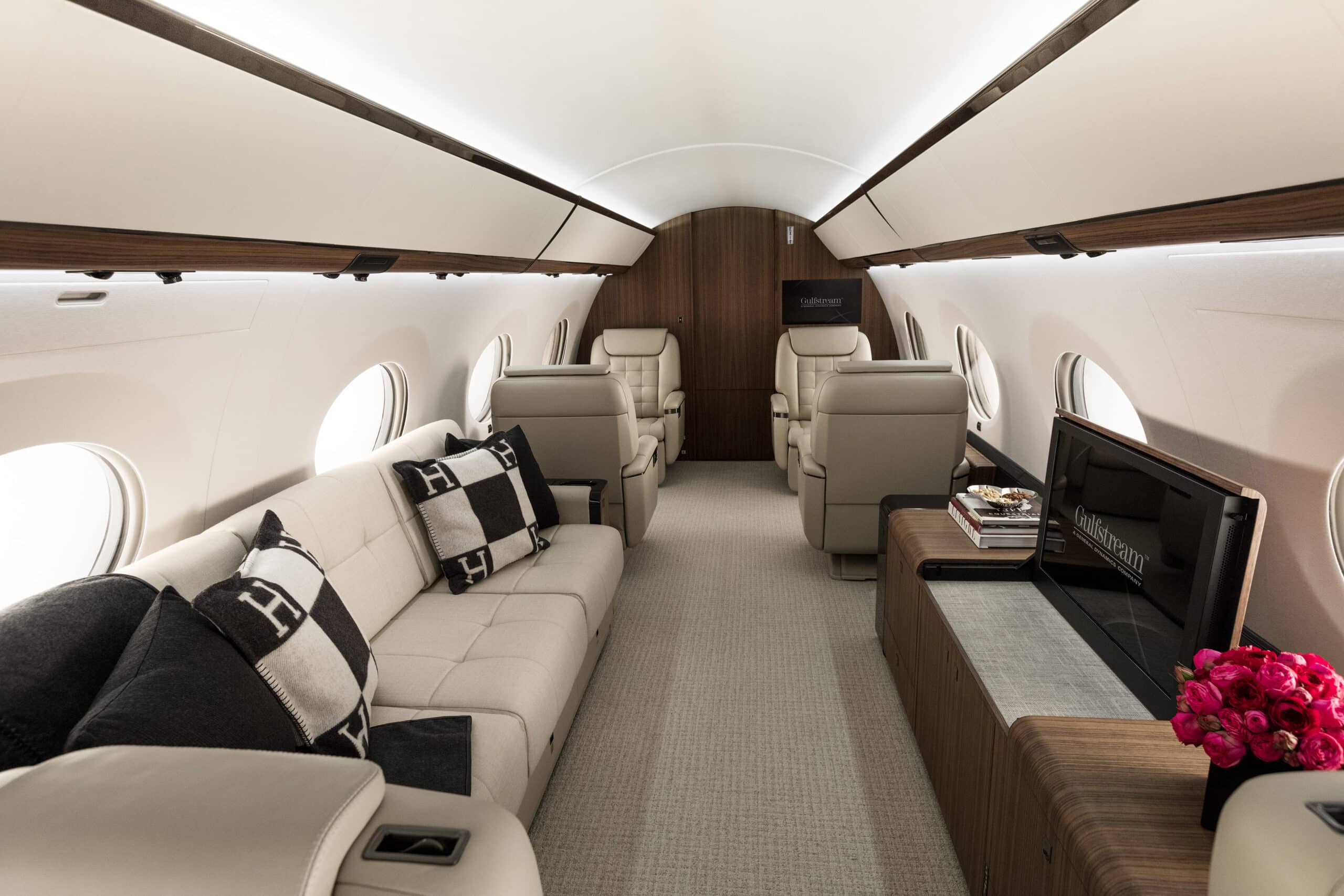
Key Highlights
- Essential Ticket Functions: Verification, Contractual Agreement, and Travel Document.
- Distinct Service Classes: Economy, Premium Economy, Business, and First Class.
- Diverse Passenger Benefits: From basic boarding verification to luxury amenities and personalized services.
a) Three Primary Functions of Air Tickets (10 Marks)
Introduction to Air Ticket Functionality
Air tickets are indispensable documents in the aviation industry, serving not only as a receipt for a service paid but also as a key component in regulating the relationship between passengers and airlines. They are structured to ensure that travel is conducted in an orderly, efficient, and legally sound manner. Here we explain the three primary functions of air tickets that make them vital in air travel.
1. Verification of Authority to Board
The foremost role of an air ticket is to act as a proof of purchase. When passengers present their ticket during the check-in process, it authenticates that they have bought the right to a seat on a specific flight. This verification is essential as it prevents unauthorized boarding and helps airlines manage boarding efficiently. Today, this process is often streamlined by the use of electronic tickets (e-tickets) with QR codes or barcodes, which are scanned to confirm a passenger’s eligibility to board. Such measures ensure security and eliminate the possibility of fraudulent claims.
2. Establishment of a Contractual Agreement
Beyond serving as a simple receipt, an air ticket is a legal document that formalizes the contract between the passenger and the airline. This contractual relationship outlines the agreed terms and conditions under which the flight will be provided, and it specifies the rights and obligations of both parties. This includes aspects such as cancellation policies, constraints on changes to the itinerary, refund eligibility, and baggage allowances. For example, when a passenger purchases a non-refundable ticket, it is clearly stated in the terms and conditions that no refund will be possible if plans change. This clarity fosters trust and ensures that both the airline and the customer abide by mutually agreed conditions.
3. Function as a Travel Document
The ticket is also a critical travel document that provides comprehensive details regarding the flight itinerary, including flight numbers, departure and arrival times, and passenger information. This information is fundamental not only for the airline but also for immigration and security services who rely on it to track and manage passenger flows. Moreover, the travel document function of an air ticket guarantees that the airline will supply the booked seat along with any included services, ensuring that the traveler’s journey is supported from boarding to arrival. This function supports operational efficiency and helps coordinate complex itineraries, especially in cases involving multiple airlines (codeshare or interlining agreements).
b) Discussion on Services and Classes Found in an Air Craft (15 Marks)
Introduction to Aircraft Classes
Aircraft are designed to serve a diverse range of customer needs, and they typically offer various classes with different levels of comfort, amenities, and pricing. The classes most frequently encountered in commercial aviation are Economy, Premium Economy, Business, and First Class. Each of these classes not only differs in cost but also in the comfort provision and additional services available to the traveler. The following sections delve into the characteristics and benefits of these classes, illustrating how each caters to distinct market segments.
Economy Class
Economy Class, commonly considered the standard travel option, emphasizes cost efficiency while ensuring that basic travel needs are met. Seats in this class are arranged in a more compact configuration to maximize the number of passengers per flight. While this class is the most affordable, passengers can usually expect:
- Standard seating with limited legroom compared to other classes.
- Basic in-flight entertainment options, which on long-haul flights may include a personal screen.
- Simple in-flight meal services or complimentary snacks and beverages, though these may vary considerably by airline or route.
For instance, many domestic flights offer a minimal snack service, highlighting cost efficiency, whereas international economy cabins usually incorporate a fuller meal service despite the confined seating arrangements.
Premium Economy Class
Positioned as a middle ground between Economy and Business Classes, Premium Economy offers a more comfortable experience without the steep price of higher classes. Passengers in Premium Economy typically benefit from:
- Increased seat pitch and extra legroom – often 5 to 7 inches more than Economy.
- Enhanced seating comfort with wider seats that provide better personal space.
- Superior meal services and sometimes priority boarding, which ensures a more comfortable boarding process.
Several airlines, including Delta and Virgin Atlantic, offer premium options with a focus on balancing cost with added comfort. This option is ideal for travelers who desire extra comfort without opting for the full luxury of Business Class.
Business Class
Business Class is tailored for frequent travelers and business professionals who prioritize comfort, privacy, and efficiency. Core features of Business Class include:
- Spacious seating, often convertible into lie-flat beds, which are essential for long-haul flights.
- High-quality, gourmet dining with options curated by renowned chefs.
- Extensive in-flight entertainment and connectivity solutions, such as power outlets and Wi-Fi.
- Exclusive services such as dedicated check-in counters, expedited security clearance, and access to premium airport lounges for relaxation before the flight.
For example, Singapore Airlines and Qatar Airways are noted for their top-tier Business Class services, where privacy, comfort, and efficient service contribute significantly to the travel experience.
First Class
First Class represents the pinnacle of luxury in air travel. It is designed for those seeking exclusive comfort, privacy, and an ultra-premium experience. Key luxury services provided in this class include:
- Private suites or cabins with doors or partitions for enhanced privacy.
- Lie-flat beds with high-quality bedding, ensuring a restful journey even on long flights.
- Gourmet, multi-course meals often tailored to individual tastes, paired with premium beverages, including fine wines and champagnes.
- Personalized service from highly trained flight attendants, sometimes including one-to-one service throughout the flight.
- Additional exclusive amenities such as onboard showers in some aircraft configurations (for example, with Emirates’ first-class suites) and even chauffeur services to and from the airport in select cases.
Although First Class is the most expensive, its services are unmatched in terms of luxury. It is best suited for travelers who are willing to pay a premium for comfort, privacy, and an elevated service experience.
Comparative Overview of Aircraft Classes
To facilitate a clear comparison between the different classes, the following table summarizes the primary attributes, amenities, and typical passenger experiences associated with each class:
| Class | Seating & Comfort | Amenities | Service Examples |
|---|---|---|---|
| Economy Class | Standard seats with limited legroom; compact layout. | Basic in-flight entertainment, snack or meal service (varies by flight). | Typical on most commercial flights, e.g., American Airlines or easyJet. |
| Premium Economy | Extra space and enhanced seating comfort with increased pitch and width. | Improved meal services, possibly priority boarding and additional perks. | Offered by airlines like Delta and Virgin Atlantic for longer routes. |
| Business Class | Spacious seating; lie-flat beds on many long-haul flights. | Gourmet meals, premium in-flight entertainment, dedicated check-in, lounge access. | Available on international routes by carriers such as Singapore Airlines and Qatar Airways. |
| First Class | Private suites; spacious, luxurious settings with full lie-flat beds. | Exclusive gourmet dining, personalized service, unique amenities (e.g., onboard showers). | Provided by airlines like Emirates, Etihad, and select premium operators. |
Examples of Airline Implementations
Across the global aviation industry, different airlines have adopted variations of these service classes to meet specific customer needs. For instance:
- In the United States, many carriers like American Airlines and United emphasize a broad economy network, while offering premium services in their upgraded options.
- In Asia, carriers such as Singapore Airlines and Cathay Pacific are renowned for their exceptional Business and First Class experiences, which feature extensive personal space, luxury dining, and state-of-the-art in-flight entertainment systems.
- European carriers, including British Airways and Lufthansa, provide a balanced mix of economy, premium economy, and Business Class services designed to cater both to short-haul and long-haul travel markets.
The diversity in service offerings not only reflects airlines’ efforts to maintain competitive advantages but also highlights their commitment to catering to various customer expectations. Business travelers, for example, prioritize efficiency and comfort, whereas leisure travelers might place a higher value on cost-efficiency without sacrificing essential services.
References
-
Airline Ticketing: Key Steps, Functions and Players Involved - Aviation Nepal
- Airline Ticketing Process Explained - AltexSoft
- Understanding Airline Classes - Aviation Outlook
- Identification of Airline Classes - Travelport
- Different Classes on an Airplane - Sheffield
Recommended Further Reading
Last updated March 25, 2025