
How Long Can Critical Aircraft Electronics Really Last in Storage?
Unpacking the shelf life secrets of airborne electronic equipment and how to maximize its longevity before takeoff.
Highlights
- Typical Shelf Life: Most airborne electronic components have a standard shelf life of 2 to 5 years when stored under recommended conditions, with some manufacturers specifying 5 years.
- Critical Storage Conditions: Longevity hinges on strictly controlled environments, particularly stable temperature, low humidity (below 60% RH), and protection from contaminants and electrostatic discharge (ESD).
- Extension & Management: Shelf life can potentially be extended to 10-15 years with optimal storage and specialized protocols; aerospace and military sectors employ rigorous management programs and standards for tracking and potential life extension.
Understanding Shelf Life for Airborne Electronics
In the high-stakes world of aviation, every component matters. Airborne electronic equipment, from complex avionics systems to individual circuit boards and semiconductors, must function flawlessly. But what happens when this equipment isn't flying? "Shelf life" refers to the maximum duration that electronic components or systems can be stored under specific conditions without experiencing degradation in performance, reliability, or safety. Ensuring components remain viable during storage is crucial for maintenance, spares management, and overall airworthiness, especially considering the long operational lifespan of many aircraft.
How Long Can Airborne Electronics Be Stored?
Typical Shelf Life Expectations
For many standard electronic components used in airborne applications, the generally accepted shelf life falls within a range of 2 to 5 years when stored under manufacturer-recommended conditions. Several sources point towards the upper end of this range as a common guideline:
- Specific avionics components, as cited by practices like those from Rockwell Collins, often carry a recommended maximum shelf life of 5 years in unopened, properly sealed packaging within a controlled environment.
- Semiconductor manufacturers, such as Allegro MicroSystems, also often state a minimum shelf life of 5 years for components stored in sealed moisture barrier bags (MBBs) with desiccant.
- Simpler components might have a shorter baseline, sometimes cited around 2 years, but the 5-year mark appears frequently for aerospace-grade parts under standard controls.
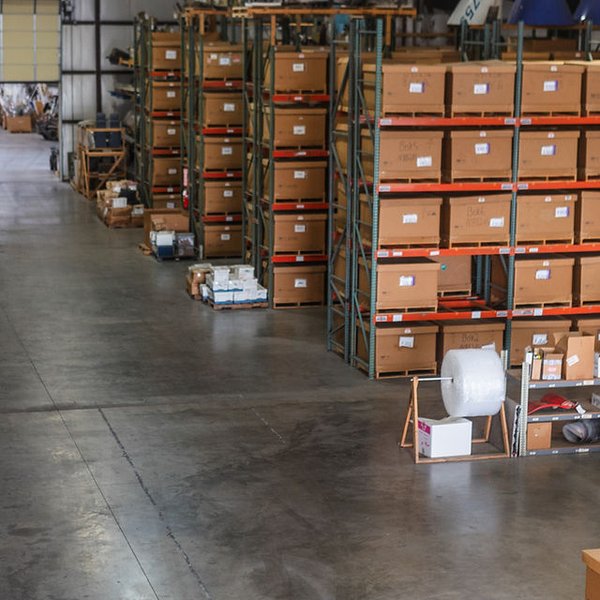
Careful storage is essential for maintaining the readiness of vital aircraft electronic parts.
Potential for Extended Storage
While 2-5 years is a common baseline, the potential shelf life can be significantly longer under optimal conditions. With rigorous environmental controls, appropriate packaging, and adherence to specialized protocols, some components, particularly robust semiconductors, might remain viable for 10 to 15 years or even longer. However, this varies greatly depending on the component type:
- Semiconductors: Generally more stable if protected from moisture, ESD, and extreme temperatures.
- Capacitors (especially Electrolytic): Often have shorter shelf lives (potentially 2-10 years) due to the risk of electrolyte drying out over time, even in storage.
- Printed Circuit Boards (PCBs) & Assemblies (PCBAs): Shelf life is often limited by the solderability of pads and component leads, which can degrade due to oxidation.
Achieving these extended durations typically requires moving beyond standard storage into highly controlled environments and potentially involves periodic testing or recertification, especially in military and aerospace contexts.
Critical Factors Dictating Shelf Life
Several interconnected factors determine how long airborne electronic equipment can be safely stored. Neglecting any of these can significantly shorten the usable life of components.
The Crucial Role of the Storage Environment
Temperature Control
Extreme or fluctuating temperatures are detrimental. Heat can accelerate chemical degradation processes, while cold can cause materials to contract. Stable, moderate temperatures, typically recommended between 20°C and 25°C (though some components tolerate wider ranges, extremes should be avoided), are ideal for minimizing stress and preserving material integrity.
Humidity Management
Moisture is a primary enemy of electronic components. High relative humidity (RH) can lead to corrosion of metallic parts (leads, contacts, pads) and, crucially, moisture absorption by the component packaging materials and even the semiconductor die itself. This is particularly critical for Surface Mount Devices (SMDs), which are categorized by their Moisture Sensitivity Level (MSL). An MSL rating indicates how susceptible a component is to moisture-induced stress during solder reflow; components that absorb excessive moisture during storage can be damaged (e.g., 'popcorning') when rapidly heated during assembly. Maintaining RH below 60%, and often much lower in specialized dry storage cabinets, is essential.
Avoiding Contamination and Light
Airborne dust, corrosive gases (like sulfur compounds), and other contaminants can settle on components, potentially causing short circuits or interfering with connections over time. Storage areas should be clean. Additionally, prolonged exposure to ultraviolet (UV) light can degrade certain plastic packaging materials or component markings, so storage in dark conditions or opaque packaging is preferable.
The Importance of Protective Packaging
Moisture Barrier Bags and Desiccants
To combat humidity, components, especially moisture-sensitive ones, should be stored in sealed Moisture Barrier Bags (MBBs). These bags are made of materials with very low water vapor transmission rates. Inside the bag, desiccant packs are included to absorb any residual moisture trapped during sealing or that slowly permeates the bag over time. Humidity Indicator Cards (HICs) are often included within the package to provide a visual check of the internal humidity level.
Anti-Static Measures (ESD)
Modern electronic components, particularly integrated circuits, are highly susceptible to damage from Electrostatic Discharge (ESD). Proper storage requires anti-static bags, containers, and handling procedures (e.g., grounding straps, ESD-safe workstations) to prevent static buildup and discharge that can irreparably damage sensitive internal circuitry.
Vacuum Sealing Benefits
Vacuum sealing MBBs offers additional benefits. It removes most of the air (and thus moisture vapor) from the package initially, enhances the effectiveness of the desiccant, provides a quick visual check for seal integrity (a loose bag indicates a leak), and helps immobilize components within the packaging, reducing movement and potential physical damage.
Component-Specific Considerations
Varying Lifespans (Semiconductors vs. Capacitors)
As mentioned earlier, not all components age equally in storage. While well-packaged semiconductors might last over a decade, components with limited-life materials, like the electrolyte in aluminum electrolytic capacitors, inherently degrade faster. Batteries, if included in assemblies, also have defined shelf lives based on their chemistry.
Solderability Degradation
Over time, the metallic finishes on component leads and PCB pads (e.g., tin, silver, gold) can oxidize or tarnish, especially if exposed to air and humidity. This degrades their solderability, making it difficult to achieve reliable solder joints during assembly or repair. Proper packaging, particularly nitrogen purging or vacuum sealing, helps preserve solderability.
Visualizing Shelf Life Influences
The following chart illustrates the relative impact of key factors on the degradation rate of airborne electronics during storage. Higher values indicate a stronger negative influence (faster degradation) when that factor is poorly controlled. Maintaining optimal conditions across all factors is crucial for maximizing shelf life.
This visualization underscores that humidity and temperature are often the most critical environmental factors, while proper packaging acts as a primary defense. Even with optimal control, component type and time itself remain factors influencing long-term viability.
Mapping the Key Concepts
This mindmap provides a visual overview of the core concepts related to the shelf life of airborne electronic equipment in storage, connecting the primary topic to influencing factors, best practices, and relevant standards.
Shelf Life in Storage"] id1["Typical Duration"] id1a["2-5 Years (Standard)"] id1b["5 Years (Common Guideline)"] id1c["10-15+ Years (Optimal/Extended)"] id2["Influencing Factors"] id2a["Environmental Conditions"] id2a1["Temperature (Stable, Moderate)"] id2a2["Humidity (<60% RH, MSL Concerns)"] id2a3["Contaminants (Dust, Gases)"] id2a4["Light (Avoid UV)"] id2b["Packaging"] id2b1["Moisture Barrier Bags (MBB)"] id2b2["Desiccants"] id2b3["Anti-Static (ESD) Protection"] id2b4["Vacuum Sealing"] id2c["Component Type"] id2c1["Semiconductors"] id2c2["Capacitors (Electrolytic)"] id2c3["PCBs (Solderability)"] id2c4["Batteries"] id3["Best Practices"] id3a["Controlled Environment Storage"] id3b["Proper Packaging Protocols"] id3c["Adherence to Manufacturer Guidelines"] id3d["Regular Inspection/Monitoring (HICs)"] id3e["ESD Safe Handling"] id3f["Cleanliness"] id4["Standards & Management"] id4a["Operational Standards (DO-160, DO-254)"] id4b["Military/Aerospace Standards"] id4b1["DoD Shelf-Life Program"] id4b2["MIL-STD-129R (Marking)"] id4b3["MIL-STD-130N (Identification)"] id4c["Shelf Life Extension (Testing/Recertification)"] id4d["Inventory & Obsolescence Management"]
Best Practices for Maximizing Shelf Life
To ensure airborne electronic equipment remains reliable throughout its storage period, adhering to best practices is essential. These practices aim to mitigate the degradation factors discussed earlier.
Establishing Controlled Environments
Utilize dedicated storage areas or cabinets that maintain stable temperature (ideally 20-25°C) and low relative humidity (below 60%, or even lower, e.g., <5-10% RH in specialized dry cabinets for highly sensitive components). These environments should also be clean and free from corrosive atmospheric contaminants.
Implementing Proper Packaging Protocols
Always store components in appropriate protective packaging. This typically involves sealed MBBs with active desiccant and an HIC. Ensure packaging is also ESD-safe. For long-term storage (e.g., beyond 5 years), consider double-bagging or using higher-specification barrier materials. Keep components in their original, unopened packaging whenever possible until use.
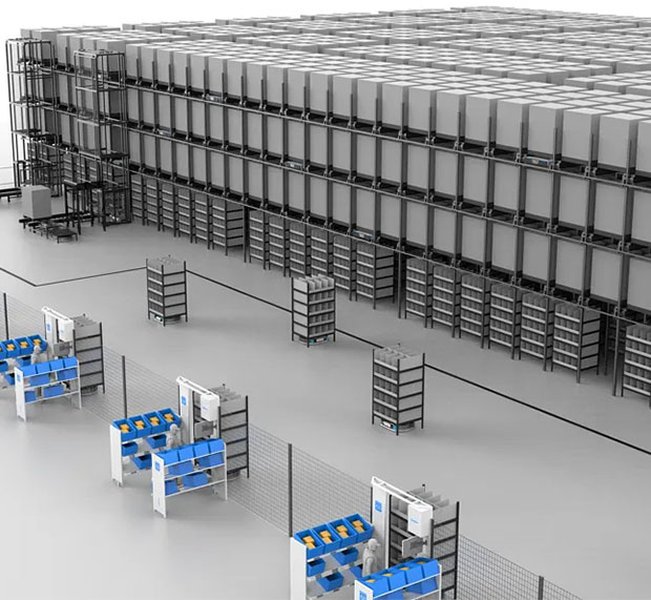
Advanced storage solutions help maintain optimal conditions for sensitive aerospace electronics.
Handling and Inspection Procedures
Implement strict ESD handling procedures whenever dealing with unpacked components. Regularly inspect stored inventory, checking packaging integrity (seals, vacuum), HIC readings, and looking for any visible signs of damage or corrosion without necessarily opening sealed packages unless required for scheduled testing.
Adhering to Manufacturer Guidelines
Always consult and follow the specific storage recommendations provided by the component or equipment manufacturer. They understand the materials and sensitivities of their products best and often specify precise temperature/humidity ranges and expected shelf life under those conditions.
Standards, Management, and Extending Shelf Life
Relevant Industry Standards
While standards like RTCA DO-160 (Environmental Conditions and Test Procedures for Airborne Equipment) and DO-254 (Design Assurance Guidance for Airborne Electronic Hardware) primarily focus on operational robustness and design assurance, they implicitly influence storage requirements by defining the quality and resilience expected of the hardware. Specific storage and handling practices are often guided by military standards (e.g., MIL-STD-2073) or industry best practices (e.g., IPC/JEDEC J-STD-033 for handling moisture-sensitive devices).
Shelf Life Management Programs
In sectors like defense and commercial aviation, formal Shelf-Life Management Programs are common. These programs, often guided by regulations like the DoD Shelf-Life Management Program (DoDM 4140.27), involve:
- Assigning specific shelf-life codes to items.
- Mandating storage under controlled conditions.
- Tracking expiration dates.
- Implementing procedures for inspection, testing, and potential shelf-life extension if items still meet performance criteria. Military standards like MIL-STD-129R (Marking for Shipment and Storage) and MIL-STD-130N (Identification Marking of U.S. Military Property) ensure proper labeling for traceability.
Bridging the Gap: Storage vs. Operational Life
A significant challenge is that the designed operational life of an aircraft or system (often 20-40 years) far exceeds the typical shelf life of many of its electronic components (5-10 years). Effective shelf life management, including potential extensions and robust logistics, is crucial to ensure spare parts availability throughout the system's lifecycle without relying on potentially degraded components. This often involves strategic procurement, careful inventory rotation (First-In, First-Out), and periodic recertification.
Shelf Life Guideline Summary
This table provides a generalized overview of expected shelf life for different types of electronic components commonly found in airborne systems, based on typical storage conditions. Actual life depends heavily on specific manufacturer guidelines and the quality of storage.
| Component Category | Typical Shelf Life (Standard Conditions: ~25°C, <60% RH, Sealed) | Potential Shelf Life (Optimal Conditions: Controlled Temp/Low RH, MBB/Desiccant) | Key Degradation Factors |
|---|---|---|---|
| Semiconductors (ICs, Diodes, Transistors) | ~5 years | 10-15+ years | Moisture ingress (MSL), ESD damage, lead oxidation |
| Passive Components (Resistors, Ceramic Capacitors) | 5+ years | 15+ years | Lead oxidation/solderability |
| Electrolytic Capacitors (Aluminum) | 2-10 years | ~5-12 years (varies greatly by type/quality) | Electrolyte dry-out, seal degradation, capacitance/ESR change |
| Tantalum Capacitors | ~5-10 years | 10-20 years | Lead oxidation, potential for leakage current increase |
| Printed Circuit Boards (PCBs - Bare) | 6-12 months (depends on surface finish) | 1-2+ years (with vacuum seal/N2 purge) | Surface finish oxidation (solderability loss) |
| PCB Assemblies (PCBAs) | ~2-5 years (limited by most sensitive component/solderability) | 5-10+ years (highly dependent on components and packaging) | Component degradation (capacitors), solder joint integrity, solderability |
Frequently Asked Questions (FAQ)
What happens if airborne electronic equipment is used after its shelf life expires?
Using components beyond their stated shelf life without proper evaluation carries significant risks. Potential issues include reduced performance, intermittent failures, or complete non-functionality. For moisture-sensitive devices stored improperly, assembly processes like soldering can cause catastrophic internal damage ('popcorning'). Solderability issues can lead to poor connections. In safety-critical airborne applications, using expired components without recertification is generally unacceptable due to the high risk of failure.
Can the shelf life of electronic components be extended?
Yes, under certain conditions. Formal shelf-life extension programs, common in military and aerospace, involve rigorous inspection and testing of components near or past their expiration date. If they pass functional and reliability tests according to established standards, their shelf life may be officially extended for a defined period. However, this requires documented procedures and traceability, and is not simply a matter of deciding to use old parts.
What does the Moisture Sensitivity Level (MSL) mean for storage?
MSL (defined by IPC/JEDEC J-STD-020) classifies how susceptible non-hermetic solid-state surface mount devices (SMDs) are to moisture-induced stress during solder reflow. MSL 1 components are considered least sensitive and have unlimited floor life under standard conditions (<30°C/85% RH). Higher MSL numbers (2, 2a, 3, 4, 5, 5a, 6) indicate increasing sensitivity and require storage in dry conditions (MBBs with desiccant) and have limited "floor life" (time allowed out of the bag before soldering). Proper storage is critical to prevent exceeding the component's rated MSL exposure, which could lead to damage during assembly.
Are there special storage requirements for batteries used in airborne equipment?
Yes, batteries have their own specific shelf life and storage requirements determined by their chemistry (e.g., Lithium-ion, NiCad, Lead-Acid). Storage conditions often involve specific temperature ranges (cool temperatures generally slow self-discharge) and state-of-charge recommendations. Storing batteries improperly can lead to reduced capacity, leakage, or safety hazards. Always follow the battery manufacturer's specific storage guidelines.
References
- Rockwell Collins Avionics Shelf Life FAQ - SEAerospace
- Handling, Storage, and Shelf Life of Semiconductor Devices - Allegro MicroSystems
- Guidelines for the Long-Term Storage of Components, Subassemblies and Devices - ZVEI.org
- Lifespan of Electronic Components Explained - ComponentSense
- PCB Shelf Life and Storage Guidelines - PCBWay
- Methodology for the assignment of shelf life for electronic/electrical devices - OSTI.gov (US Dept. of Energy)
- DoD Shelf-Life Management Program: Program Administration - WHS.mil
Recommended
Last updated April 26, 2025